
Autism in Adults: Signs, Symptoms, Diagnosis, and Support Options You Should Know

Medically reviewed by Laura Athey Updated Date: April 16, 2026

Many adults recognize autism in adult traits only after years of feeling “different” without ever truly understanding why. In my practice as a clinical psychologist, I frequently sit with individuals who have spent decades feeling exhausted by daily life.
Often, these adults grow up entirely undiagnosed, leading them to internalize their struggles as personal flaws rather than neurodevelopmental differences. They learn to meticulously mask their symptoms socially to survive in neurotypical environments.
This chronic masking requires an immense amount of cognitive energy, frequently leading to severe burnout, anxiety, or depression. Recognizing autism in adults is not about attaching a negative label; it is about providing a long-overdue framework for self-compassion.
By understanding the distinct signs of autism in adults, you can shift the narrative from “What is wrong with me?” to “How does my brain actually work?”
If you have been asking yourself, What is autism spectrum disorder (ASD)?, exploring these adult symptom patterns is your crucial first step toward clarity and support.
What Is Autism Spectrum Disorder (ASD)?
To understand adult diagnoses, we must first clearly define the condition. What is autism spectrum disorder (ASD)? Simply put, it is a lifelong neurodevelopmental condition that fundamentally shapes how a person experiences the world around them.
When looking at autism symptoms, it is vital to remember that autism is not a psychological disorder or a result of trauma. It is a biological difference in neurological wiring that affects communication, behavior, and sensory processing.
The spectrum is incredibly wide, meaning autism in adults’ symptoms vary drastically in severity and presentation. Some individuals require significant daily support, while others live entirely independently but struggle internally with sensory or social demands.
At its core, ASD influences how the brain’s neural networks communicate. Unlike neurotypical brains that filter out background stimuli automatically, an autistic brain often processes all environmental information simultaneously.
This altered neuroplasticity means the world is experienced with a much higher intensity, making daily processing incredibly taxing.
Common Signs of Autism in Adults
When patients search for an adults with autism behaviors list or ask, “What are the signs of autism in adults?” they are often looking for clear, definitive checkboxes.
However, the signs of autism in adults are deeply nuanced and usually fall into three distinct behavioral clusters: social communication differences, repetitive behaviors, and sensory sensitivities.
To understand these 20 signs of autism in adults that are often read about online, we must explore the “why” behind the psychology. Social communication difficulties, for example, are not caused by a lack of empathy.
Rather, they stem from differences in executive function and “theory of mind” (the ability to intuitively predict others’ mental states).
Adults may take language very literally, struggle to interpret subtle facial expressions, or feel deep discomfort with meaningless small talk. To an autistic brain, communication is often an exchange of factual information, whereas neurotypical brains use communication for emotional bonding.
Repetitive behaviors and strict adherence to routines are another hallmark. Biologically, the autistic brain often lacks efficient “sensory gating,” meaning the world feels unpredictable and chaotic.
Sticking to a rigid daily routine or engaging in repetitive movements (stimming) acts as a neurological anchor. It is the brain’s attempt to create predictability and self-soothe an overactive nervous system.
Sensory sensitivity is perhaps the most physically taxing symptom. Many adults describe feeling physically in pain in crowded environments, under fluorescent lighting, or when hearing specific overlapping noises. This occurs because the amygdala—the brain’s threat-detection center—frequently misinterprets intense sensory input as physical danger, triggering a chronic “fight or flight” response.
In my clinical experience, an autistic adult’s sensory tolerance is directly tied to their sleep architecture. When an autistic individual suffers from poor sleep hygiene, their prefrontal cortex loses its ability to effectively regulate the amygdala.
This means that a sound or texture that is mildly annoying after a full night’s sleep can become physically agonizing and trigger a full neurobiological meltdown after a night of insomnia. Protecting sleep is the first line of defense in managing adult sensory overload.
Let me share the story of a patient I will call “David.” David came to me for what he believed were severe panic attacks occurring exclusively at his open-plan corporate office. He felt intense shame, believing he was simply “too weak” to handle his job.
During our clinical assessment, we mapped his “panic attacks” to specific sensory triggers: the hum of the HVAC system, overlapping conversations, and the harsh overhead lighting.
David wasn’t having psychological panic attacks; he was experiencing neurological sensory overload. By implementing noise-canceling headphones and restructuring his workspace to reduce visual clutter, his “anxiety” completely resolved. This simple accommodation allowed him to thrive.
Symptoms of High-Functioning Autism in Adults
The term “high-functioning” is heavily debated in the neurodivergent community, but it remains a common search term for individuals seeking answers.
Symptoms of high-functioning autism in adults typically refer to individuals with average or above-average intelligence who can navigate daily life but face intense internal struggles.
Many adults with high-functioning autism excel academically or professionally due to a profound ability to hyper-focus on specific interests. However, this cognitive strength often masks severe deficits in social intuition and emotional regulation.
Because the Signs of mild autism in adults are less obvious to outsiders, these individuals frequently fall through the diagnostic cracks. They are often misdiagnosed with generalized anxiety or treatment-resistant depression.
The greatest challenge for this demographic is “autistic burnout.” Because they possess the cognitive ability to mimic neurotypical behavior, they force themselves to perform socially for years. This chronic performance eventually leads to severe emotional and physical exhaustion.
| Feature | Traditional ASD Presentation | High-Functioning / Masked ASD Presentation |
| Social Interaction | Noticeable difficulty initiating or sustaining conversations. | Can hold conversations but relies on scripted, rehearsed responses. |
| Sensory Issues | Visible distress or behavioral meltdowns in loud environments. | Internalizes distress; pushes through the discomfort but crashes later. |
| Routine | Strict, visible adherence to physical routines. | Intense internal anxiety when plans change, even if outwardly calm. |
| Special Interests | Intensely focused on niche subjects, often dominating conversations. | Channels interests into successful careers or isolated hobbies to avoid judgment. |
Autism in Adult Men vs Women
Historically, clinical research focused almost exclusively on young boys, which skewed our understanding of this condition. Today, we know that autism in adult women looks vastly different than the traditional male stereotype.
Society conditions young girls to be highly observant of social dynamics and to prioritize interpersonal harmony. Because of this intense social pressure, young autistic girls utilize their brain’s neuroplasticity to painstakingly study and mimic neurotypical behavior.
This behavior, known as masking, is why signs of autism in adults female are so frequently overlooked by medical professionals. Many women with autism are diagnosed much later in life because they learn to “blend in” socially, hiding their severe sensory distress behind a polite smile.
Conversely, autism in adult men often aligns more closely with classical diagnostic criteria. Societal norms traditionally excuse social bluntness or intense, isolated hobbies in men, meaning their symptoms are not masked as heavily.
The signs of autism in adult men usually feature more visible repetitive patterns and stricter adherence to routines. Understanding the symptoms of autism in adult men alongside female masking is critical for accurate, unbiased clinical diagnoses.
Real-Life Challenges Faced by Autistic Adults
To truly support this community, we must acknowledge the profound friction between an autistic brain and a neurotypical world. When people ask, “What problems do autistic adults have?” The answer usually revolves around the invisible cognitive load they carry.
Daily routines that feel simple and automatic to others can require intense mental effort for an autistic adult. Navigating a grocery store, for example, demands immense executive function to process the bright lights, loud music, and unpredictable crowds.
Employment challenges are also incredibly common. Autistic adults frequently struggle with the unwritten social rules of office politics, indirect communication from management, and the sensory overload of shared workspaces.
Furthermore, relationship misunderstandings are a frequent source of emotional pain. Autistic individuals often express love and care through practical help or sharing facts, which neurotypical partners may misinterpret as cold or detached.
How Many Adults Are Diagnosed With Autism?
As awareness grows, so does the diagnostic rate among older populations. Patients frequently ask me, How many adults are diagnosed with autism?, assuming there is a sudden, unexplainable epidemic of the condition.
In reality, the prevalence of autism has not necessarily skyrocketed; rather, our clinical understanding has finally expanded. We are now capturing a massive “lost generation” of adults who were ignored by the narrow diagnostic criteria of the 1980s and 1990s.
This rising adult diagnosis rate is a direct result of improved neurodiversity advocacy. People are recognizing their own lifelong struggles in the stories of others, leading to a significant and welcome late-life diagnosis trend.
Self-Testing and Diagnosis: Should You Take an Autism Test?

With the rise of social media awareness, many people turn to online assessments for quick answers. If you are researching an autism in adults test or wondering what the symptoms of autism in adults are, self-screening can be a helpful first step.
However, it is crucial to understand that self-tests are merely screening tools, not clinical diagnoses. Many symptoms of autism overlap with ADHD, complex trauma, and severe social anxiety, making professional differentiation vital.
A formal adult diagnosis involves a comprehensive clinical process. A psychologist will conduct detailed clinical interviews, review your developmental history from childhood, and perform a thorough behavioral timeline analysis.
This professional evaluation ensures that you receive an accurate understanding of your neurobiology, opening the door to targeted, appropriate support systems rather than generalized guesswork.
Living Well With Autism as an Adult
Receiving a late-in-life diagnosis can be overwhelming, prompting patients to ask, “How do I live a good life as an autistic person?” Or can someone with mild autism live a normal life? The answer is a resounding yes.
Living well with autism is entirely about creating a lifestyle that honors your neurobiology rather than fighting it. Many adults absolutely thrive once they stop forcing themselves to act neurotypically and start accommodating their sensory and social needs.
This often involves building highly structured daily routines to reduce decision fatigue. It also means actively designing supportive environments—like a quiet home space where you can engage in your special interests to recharge your executive function.
The goal is not to “overcome” your autism, but to normalize your neurodivergence. By aggressively protecting your energy and setting firm social boundaries, you can build a deeply fulfilling, authentic life.
Frequently Asked Questions
Accuracy of Online Assessments?
Online self-tests are excellent tools for identifying neurodivergent traits and sparking self-reflection. However, they cannot account for overlapping conditions like trauma or ADHD, making professional clinical evaluation necessary for an accurate diagnosis.
Impact on Romantic Relationships?
Autism deeply influences how love and affection are processed and communicated. Successful neurodiverse relationships require both partners to learn each other’s communication styles, replacing unspoken assumptions with direct, literal, and compassionate dialogue.
Navigating Workplace Accommodations?
Under the Americans with Disabilities Act (ADA), diagnosed adults can request reasonable workplace accommodations. This often includes the use of noise-canceling headphones, modified lighting, or written instructions to support executive functioning.
Managing Autistic Burnout?
Autistic burnout is a state of severe physical and cognitive exhaustion caused by prolonged social masking. Recovery requires an extended period of radical rest, complete removal of unnecessary social demands, and deep engagement in regulating special interests.
Co-occurring Mental Health Conditions?
Because living in a neurotypical world is inherently stressful, autistic adults have exponentially higher rates of clinical anxiety and depression. Treating these secondary conditions with neuro-affirming therapy is crucial for overall stabilization.
Conclusion
Discovering you are autistic as an adult is often described as finally reading the instruction manual for your own brain. In my practice, the moment of diagnosis is rarely a tragedy; it is an incredibly profound moment of relief and validation.
You have likely spent your entire life working twice as hard as your peers just to survive in environments that were actively hostile to your neurobiology. Recognizing your autistic traits allows you to drop the exhausting mask and begin honoring your genuine needs.
If the patterns and experiences detailed in this guide resonate with your life, I encourage you to seek out a neurodiversity-affirming psychologist. You do not need to continue feeling broken or overwhelmed by a world that simply speaks a different neurological language.
With the right diagnostic clarity, appropriate environmental accommodations, and a compassionate support system, you can build a life that does not just accommodate your autism but genuinely celebrates it.
Authoritative References
- Autism Spectrum Disorders in Adulthood—Symptoms, Diagnosis, and Treatment
- Diagnosis of Autism in Adulthood: A Scoping Review
- Camouflaging in Autism: A Systematic Review
- Autism Spectrum Disorder in Adults: Diagnosis, Management, and Health Services Development
- Anxiety and Autistic Traits in Adults: A Systematic Review and Meta-Analysis

Related Posts





Subscribe to Our Newsletter
Get mental health tips, updates, and resources delivered to your inbox.
MORE from Author
Read More Watching someone you care about struggle with bipolar depression and anxiety can be heartbreaking. You may notice that they withdraw…
 In my practice as a clinical psychologist, I often observe that the difference between a patient who crumbles under pressure…
 We all have "up" days and "down" days. Perhaps you feel energized after a promotion or sluggish on a rainy…
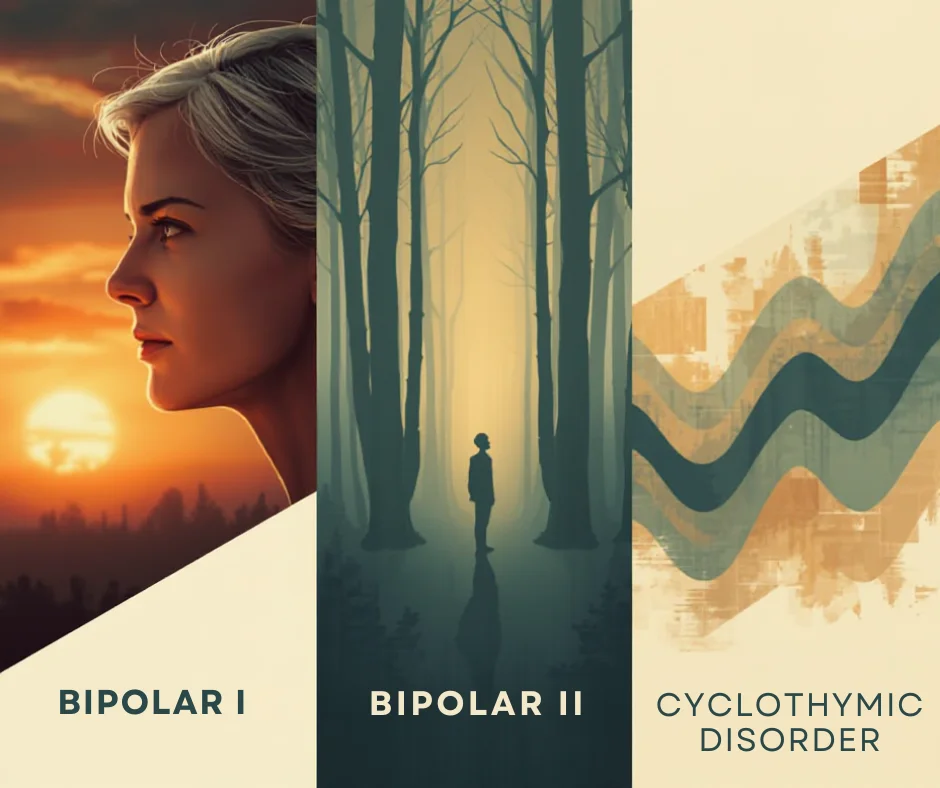 To define bipolar disorder accurately, we must look at it as a chronic mood dysregulation condition. In psychology and medicine,…
Are you looking for a Therapist?
Connect with qualified mental health professionals who understand
bipolar disorder, mood changes, and emotional challenges.
Private • Supportive • Confidential