
Autism in Women: Signs, Symptoms, High-Masking Traits, Diagnosis, and Testing in Adults

Medically reviewed by Laura Athey Updated Date: April 14, 2026
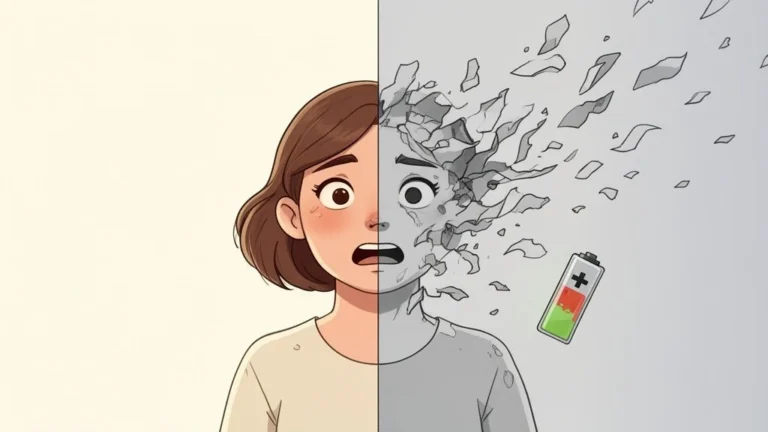
Have you ever felt like you were acting out a script while everyone else knew their lines naturally? Many women spend decades feeling “different” without knowing why. They might excel at work but feel completely drained by a simple grocery store trip. This experience often points toward autism in women. For years, medical research focused almost exclusively on boys.
This led to a narrow view of what autism looks like. Because of this, many girls and women were overlooked. Today, we understand that autism is not just a “male” condition. It simply presents differently in females. This guide explores those unique signs, the reality of masking, and how to seek an adult diagnosis.
In short :
- Autism in women often presents with more subtle social differences than in men.
- Many women use “masking” to hide autistic traits, leading to late or missed diagnoses.
- Key signs include social exhaustion, sensory sensitivities, and intense, socially acceptable interests.
- ADHD and autism frequently overlap, making differential diagnosis essential.
- Adult diagnosis requires a clinical evaluation by a specialist, such as a neuropsychologist.
What Is Autism in Women?
To understand what autism is in women, we must first look at the Autism Spectrum Disorder (ASD) umbrella. Autism is a neurodevelopmental condition. It affects how a person perceives the world and interacts with others.
In the past, people used the term “Asperger’s” or high-functioning autism in women. Today, clinicians use “Level 1 Autism” to describe those who need support but have high verbal and cognitive abilities.
So, how does autism present in women differently? Traditionally, the DSM-5 criteria were based on “stereotypical” male behaviors, like an obsession with train schedules or repetitive hand-flapping. However, how autism presents in women is often more internal.
A woman might have an intense interest in psychology or literature instead of machinery. She might not flap her hands but might pick at her cuticles or twist her hair to self-soothe.
Snippet-ready definition:
Autism in women refers to how Autism Spectrum Disorder manifests in girls and adult females. It is often characterized by higher social imitation (masking), more socially “acceptable” intense interests, and internalized distress rather than externalized disruption.
Signs of Autism in Women and Adult Females
Recognizing the signs of autism in women can be a life-changing “aha” moment. Many adult females seek a diagnosis after their own children are diagnosed. They see their own childhood struggles mirrored in their kids.
Common Signs in Adult Women
If you are wondering about the signs of autism in adult women, look for these common experiences:
- Social Exhaustion: Feeling “hungover” after a social event, even if you enjoyed it.
- Sensory Overload: Specific textures in clothing, bright office lights, or humming fridges feel physically painful.
- Social Scripting: Planning out conversations in your head before they happen.
- Literal Thinking: Missing sarcasm or feeling confused when people “beat around the bush.”
- Burnout Cycles: Periods of high productivity followed by total physical and mental collapse.
- Niche Interests: Having a “special interest” that you research for hours, often to the point of forgetting to eat.
The 12 Signs of Autism in Adults
While every individual is different, here are 12 signs often reported by adults:
- Difficulty “reading between the lines” in conversation.
- Relying on “scripts” for small talk.
- Feeling like an outside observer in social groups.
- Strong preference for routine and predictability.
- Intense distress when plans change unexpectedly.
- Sensory hypersensitivity (noise, touch, smell).
- Sensory hyposensitivity (not feeling pain or hunger until it’s extreme).
- Difficulty regulating emotions or frequent “meltdowns” at home.
- Executive dysfunction (struggling to start or finish tasks).
- Deep, obsessive focus on specific hobbies or topics.
- Preference for one-on-one interactions over groups.
- A lifelong history of feeling “alien” or misunderstood.
Autism in Women :Symptoms: A Clinical Breakdown
When we look at the symptoms of autism in women, we categorize them into specific domains. This helps clinicians differentiate autism from other conditions like social anxiety.
Social Communication Symptoms
In women, social deficits are often hidden by high intelligence. A woman might learn to make eye contact because she was told it’s polite, but she finds it intensely uncomfortable. She may struggle with the “give and take” of conversation, either talking too much about her interests or not knowing when it is her turn to speak.
Restricted Interests & Repetitive Patterns
The symptoms of autism in women regarding interests are often missed because they seem “normal.” A woman might be obsessed with a specific TV show, a period of history, or a celebrity. Because these are common hobbies, people don’t realize the intensity is what makes it autistic. Repetitive patterns might include eating the same “safe” food every day for months.
Sensory and Emotional Differences
Sensory processing is a core part of autism in adult women. Many women describe “exploding” at the end of the day. This isn’t a “tantrum”—it’s a sensory meltdown. After masking all day at work, the brain can no longer filter out noise or touch. This often leads to secondary anxiety or depression.
High Functioning Autism in Women (Level 1 Autism)
The term high-functioning autism in women is technically outdated, but it is how many people still search for answers. Clinically, we now use “Level 1” to describe women who do not have an intellectual disability.
Women with high-functioning autism often fly under the radar because they are academically or professionally successful. They might be doctors, artists, or engineers. However, the “functioning” label only describes how the world sees them, not how they feel inside. A woman might look “high functioning” at the office while her home life is in shambles due to executive dysfunction.
The signs of high-functioning autism in women often involve a deep internal struggle to keep up with social “rules” that others seem to follow effortlessly. During my years of clinical practice, I’ve found that these women are often the most exhausted. They are running a “social marathon” every single day just to appear “normal.”
High Masking Autism in Women
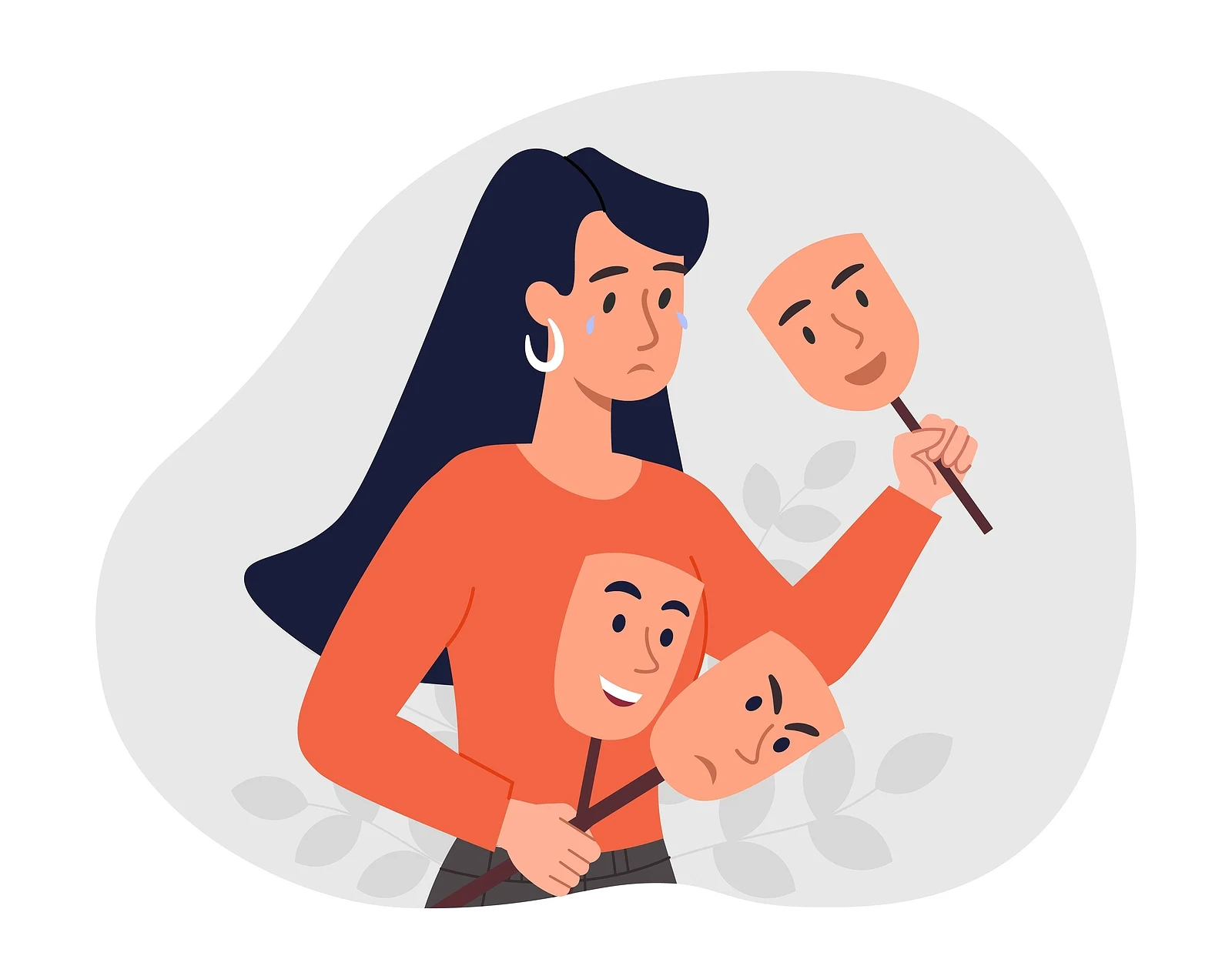
The most significant barrier to diagnosis is high masking of autism in women. Masking, or camouflaging, is a survival strategy. It involves suppressing autistic traits to fit into a neurotypical world.
How Masking Works
- Mirroring: Copying the gestures, tone of voice, or slang of others to blend in.
- Social Scripting: Memorizing jokes or stories to use in social settings.
- Forced Eye Contact: Practicing looking at the bridge of someone’s nose to mimic “normal” eye contact.
Because of this, undiagnosed autism in women is incredibly common. Many are not identified until their 30s, 40s, or even 50s. By then, years of masking often lead to autistic burnout. This is a state of chronic exhaustion where the person can no longer maintain the “mask.”
Can you show signs of autism later in life? Actually, the traits are always there from childhood. However, they may only become “disabling” later in life when the social demands (like marriage, parenting, or a complex career) exceed the woman’s ability to mask.
Autism in Women vs Men
The autism in women vs men debate highlights why women are missed. Men are often diagnosed earlier because their symptoms are more “disruptive.”
| Feature | Autism in Women | Autism in Men |
| Special Interests | Socially acceptable (animals, art, psych) | Technical (parts, schedules, coding) |
| Masking | High (strive to blend in) | Generally lower |
| Diagnosis Age | Often late (Adults) | Often early (Childhood) |
| Internalizing | Common (anxiety, self-harm, EDs) | Less common (usually externalized) |
This table shows why how autism looks different in girls and women is so vital for clinicians to understand. Women are often misdiagnosed with Borderline Personality Disorder (BPD) or Bipolar Disorder before the underlying autism is recognized.
ADHD vs Autism in Women
There is a massive overlap between ADHD vs autism in women. In fact, many women are “AuDHD”—having both. Both conditions involve executive dysfunction and sensory issues.
- ADHD in women often looks like distractibility, impulsivity, and a “busy” brain.
- Autism in women involves a need for routine, social confusion, and sensory processing issues.
If a woman has both, she might feel like a walking contradiction. Her ADHD craves novelty and change, while her autism craves routine and safety. This internal tug-of-war is incredibly draining. Distinguishing between them requires a careful clinical look at why a behavior happens. For example, does she avoid a party because she’s bored (ADHD) or because the noise is too loud (Autism)?
Autism in Women Test & Checklist
If you suspect you are on the spectrum, you might look for an autism in women test. While no online quiz can give a formal diagnosis, they are excellent starting points for self-discovery.
Common Screening Tools
- AQ (Autism Spectrum Quotient): Measures autistic traits in adults.
- RAADS-R: A more detailed test that looks at sensory and social traits.
- CAT-Q: Specifically designed to measure masking and camouflaging.
A female autism checklist often includes questions about feeling like an “alien,” having intense interests that provide comfort, and feeling physically ill from certain sounds or textures. Remember, these are screening tools. They indicate that you might be autistic and should seek professional advice.
How Is Autism Diagnosed in Adult Women?
Knowing how autism is diagnosed in adult women is the first step to seeking clarity. In the US, you generally need to see a clinical psychologist, neuropsychologist, or psychiatrist.
The process usually involves:
- Clinical Interview: Discussing your current struggles and sensory profile.
- Developmental History: Talking about your childhood. Even if you masked well, there are usually clues in your early years.
- Standardized Testing: Using tools like the ADOS-2 or ADI-R, though these must be adapted for “high masking” females.
- Differential Diagnosis: Ensuring the symptoms aren’t better explained by ADHD, PTSD, or a mood disorder.
Unlocking the truth requires a provider who understands the “female phenotype” of autism. If a provider says, “You can’t be autistic, you make eye contact,” it is time to find a second opinion.
What Does Autism in Adult Women Look Like Day-to-Day?
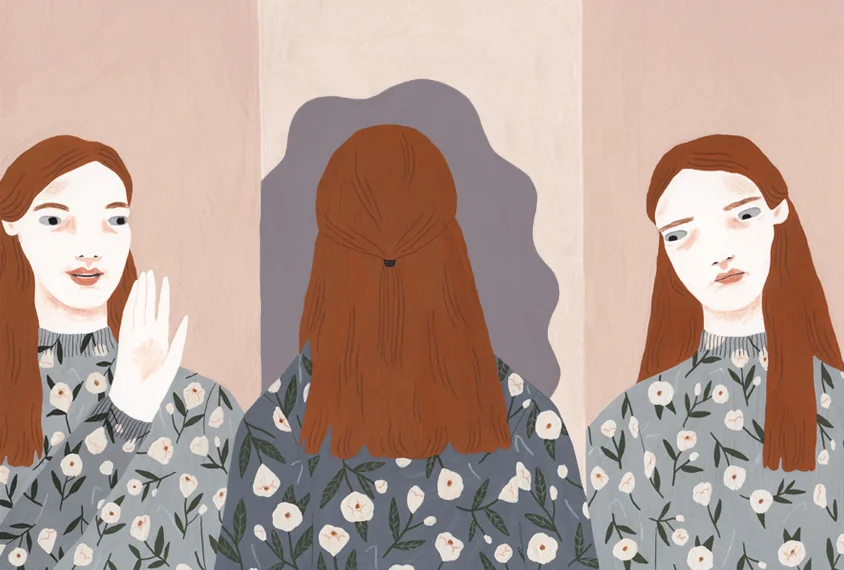
To understand what autism in adult women looks like, we have to look past the office mask. I remember “Sarah,” a patient I interviewed for a clinical study. On the outside, she was a successful lawyer. On the inside, she was drowning.
Sarah’s day-to-day involved:
- The Morning Ritual: Eating exactly the same brand of yogurt because other brands felt “wrong” in her mouth.
- The Workplace Mask: Spending 10 minutes in the bathroom stall just to breathe in silence after a loud meeting.
- The Relationship Gap: Feeling confused when her partner was upset because she didn’t pick up on “subtle hints.”
- The Evening Crash: Coming home and needing to sit in a dark room for two hours before she could even think about making dinner.
This “hidden” struggle is the reality for most autistic women. Post-diagnosis, many women describe a profound sense of relief. They finally realize they aren’t “broken”—they are just wired differently.
Autism in Women Treatment & Support
There is no “cure” for autism, nor should there be. Autism in women treatment focuses on support and accommodation.
- Neuro-Affirming Therapy: Using CBT or DBT adapted to account for sensory needs and literal thinking.
- Executive Function Coaching: Helping with time management and organization.
- Occupational Therapy (OT): Vital for managing sensory processing issues.
- Medication: While there is no “autism pill,” medication can help with co-occurring anxiety, depression, or ADHD symptoms.
- Peer Support: Connecting with groups like the Autistic Girls Network can reduce the feeling of isolation.
Frequently Asked Questions
What are the signs of autism in women?
Common signs include social exhaustion, intense interests, sensory sensitivities, social scripting, and a history of feeling “different” or like an outside observer.
What does high-functioning autism in a woman look like?
It often looks like a woman who is successful in her career but struggles deeply with social nuances, sensory overload at home, and chronic burnout from masking.
Can you show signs of autism later in life?
Yes, though the traits are present since childhood, they often become more obvious in adulthood when social and life demands increase and masking is no longer enough.
How is autism diagnosed in adult women?
A diagnosis is made by a clinical psychologist or psychiatrist through interviews, developmental history, and specialized observation tools that account for masking.
Why is autism underdiagnosed in women?
Historically, diagnostic criteria were based on boys. Women are also more likely to mask their traits, leading doctors to mistake autism for anxiety or personality disorders.
Conclusion
Understanding autism in women is about peeling back the layers of a lifelong mask. If you have spent your life feeling like you’re reading from a different manual than everyone else, know that there is a reason. A diagnosis—whether formal or self-identified—can be the key to finally treating yourself with the compassion you deserve. You don’t need to be “fixed”; you just need to understand your own unique operating system.
References:
- National Institutes of Health (NIH) / PubMed
- Centers for Disease Control and Prevention (CDC)
- Child Mind Institute
- Autism Speaks
- National Institute of Mental Health (NIMH)

Related Posts





Subscribe to Our Newsletter
Get mental health tips, updates, and resources delivered to your inbox.
MORE from Author
Read More Watching someone you care about struggle with bipolar depression and anxiety can be heartbreaking. You may notice that they withdraw…
 In my practice as a clinical psychologist, I often observe that the difference between a patient who crumbles under pressure…
 We all have "up" days and "down" days. Perhaps you feel energized after a promotion or sluggish on a rainy…
 To define bipolar disorder accurately, we must look at it as a chronic mood dysregulation condition. In psychology and medicine,…
Are you looking for a Therapist?
Connect with qualified mental health professionals who understand
bipolar disorder, mood changes, and emotional challenges.
Private • Supportive • Confidential