
Avoidant Personality Disorder vs Autism: Key Differences, Overlap, and How to Tell Them Apart

Medically reviewed by Laura Athey Updated Date: April 13, 2026
Have you ever felt like you were watching the social world from behind a glass wall? You might want to join in, but a paralyzing fear of rejection holds you back. Or perhaps, the social world simply feels chaotic and loud, and you retreat to protect your peace. These feelings are common, but they can stem from very different roots: Avoidant Personality Disorder (AvPD) or Autism Spectrum Disorder (ASD).
In my clinical practice, I often see patients who have spent years with a diagnosis that doesn’t quite “fit.” A woman might be treated for severe social anxiety, only to realize later that her “anxiety” is actually sensory overload associated with autism. Conversely, someone might suspect they are autistic because they struggle with eye contact, when in reality, they are battling the deep-seated fear of criticism found in AvPD.
Understanding the nuance between avoidant personality disorder vs autism is crucial. Misdiagnosis can lead to the wrong treatment—like pushing an autistic person into exposure therapy that causes burnout, or failing to address the attachment trauma in someone with AvPD. This guide breaks down the science, the symptoms, and the overlap to help you find clarity.
What Is Avoidant Personality Disorder?
To understand what avoidant personality disorder is, we look to the DSM-5-TR. It is classified as a Cluster C personality disorder, which includes “anxious or fearful” disorders. It is not just shyness; it is a pervasive pattern of social inhibition that affects every area of life.
People with AvPD desperately want to connect with others. However, they are terrified that if people really knew them, they would be rejected. This creates a painful “push-pull” dynamic. They might fantasize about deep friendships but avoid the office party because they are convinced they will say something “stupid.”
Core Features of AvPD:
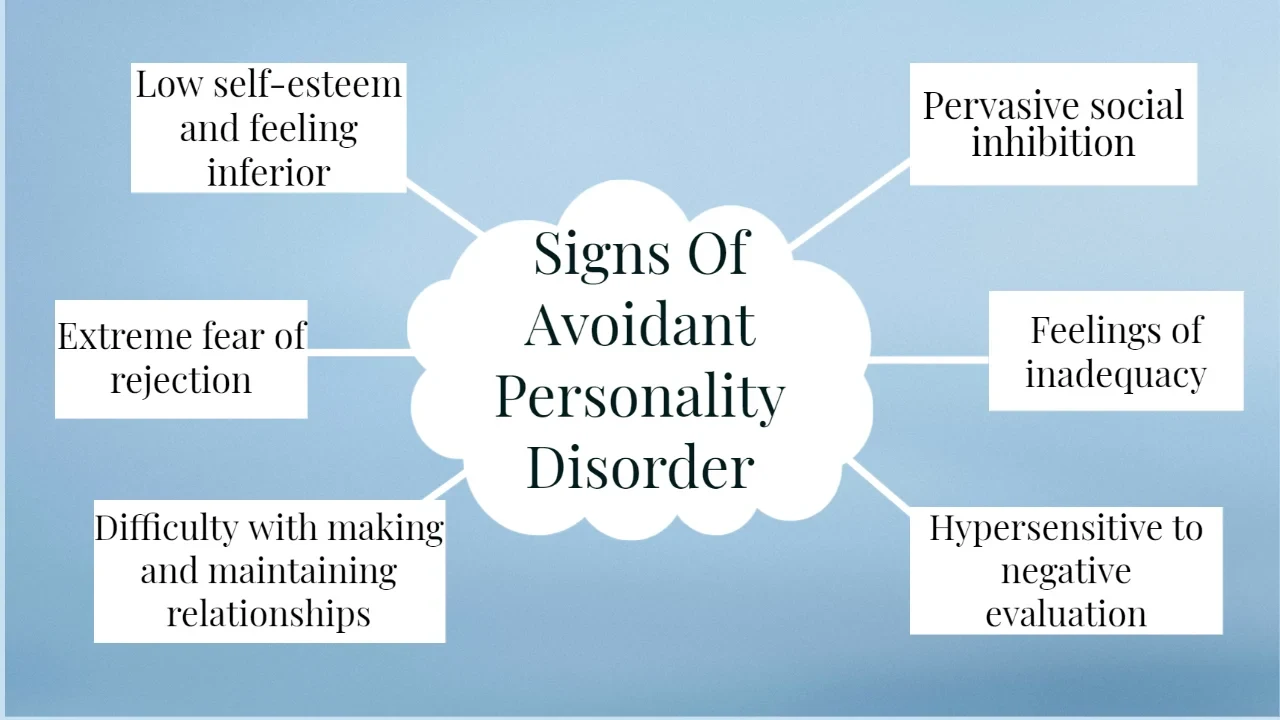
- Hypersensitivity to Criticism: Even a neutral comment can be perceived as a devastating attack.
- Feelings of Inadequacy: A core belief that one is socially inept, unappealing, or inferior.
- Social Inhibition: Avoiding activities or jobs that involve significant interpersonal contact.
- Restraint in Relationships: Holding back in intimate relationships due to fear of being shamed or ridiculed.
Avoidant Personality Disorder vs Social Anxiety:
While they share symptoms, AvPD is often seen as a more severe, ingrained form of social anxiety. Social anxiety might be specific to public speaking or eating in front of others. AvPD is a broader, deeper sense of “I am not good enough for anyone.”
What is avoidant personality disorder?
Avoidant Personality Disorder (AvPD) is a mental health condition characterized by extreme social inhibition, feelings of inadequacy, and sensitivity to rejection. Unlike autism, which is neurodevelopmental, AvPD is driven by a deep-seated fear of judgment and often develops in early adulthood.
What Is Autism Spectrum Disorder?
Autism Spectrum Disorder (ASD) is fundamentally different because it is neurodevelopmental. This means the brain develops differently from birth. It is not caused by trauma or bad parenting.
While the media often portrays autism as a “lack of empathy” or “robotic behavior,” the reality is much more complex. Autistic individuals often feel deeply but express it differently.
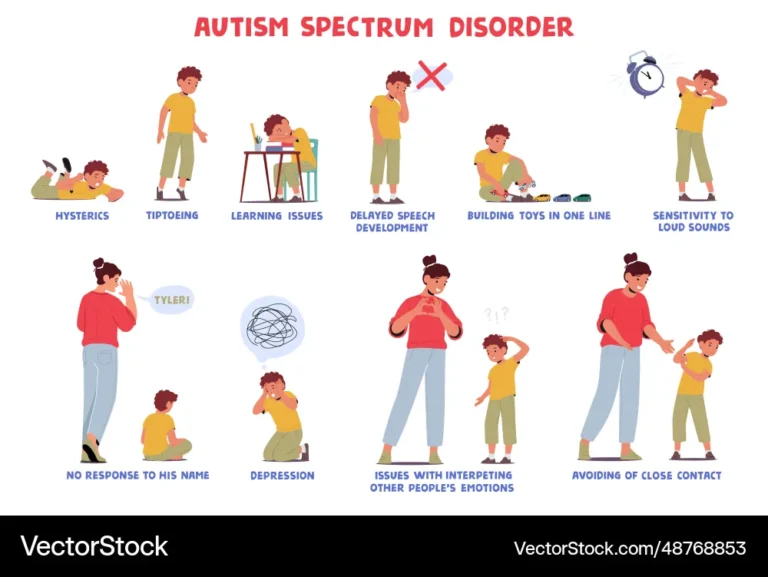
The “withdrawal” seen in autism is often not about fear of rejection, but about regulating sensory input or not understanding the unwritten rules of socialization.
Core Features of Autism:
- Social Communication Differences: Difficulty understanding non-verbal cues, sarcasm, or the “flow” of conversation.
- Restricted and Repetitive Behaviors: Intense interests (e.g., specific historical eras, coding), repetitive movements (stimming), or strict adherence to routines.
- Sensory Processing: Being hyper- or hypo-sensitive to lights, sounds, textures, or pain.
When we talk about autism avoidant behavior, it usually stems from autistic burnout. If the world is too loud, too bright, and too confusing, withdrawing is a logical survival strategy. It is less “I am afraid they won’t like me,” and more “This environment hurts my brain.”
Avoidant Personality Disorder vs Autism — Core Differences
The confusion between avoidant personality disorder vs autism happens because the behaviors look the same. Both groups might stay home, avoid eye contact, and struggle to make friends. However, the internal experience is distinct.
The most critical factor is the developmental history. Autism is present from early childhood (even if missed). AvPD typically solidifies in adolescence or early adulthood.
Comparison Table: AvPD vs Autism
| Feature | Autism Spectrum Disorder (ASD) | Avoidant Personality Disorder (AvPD) |
| Onset | Early childhood (neurodevelopmental) | Adolescence or early adulthood |
| Motivation for Avoidance | Sensory overload, social confusion, or lack of interest in “small talk.” | Intense fear of rejection, ridicule, or criticism. |
| Social Desire | Variable. Some may prefer solitude; others want connection but lack the skills. | High desire for connection, but fear blocks it. |
| Eye Contact | Avoiding to reduce sensory input or focus on processing thoughts. | Avoided due to shame or fear of being “seen.” |
| Restricted Interests | A core diagnostic feature (special interests). | Not a diagnostic feature. |
| Sensory Issues | Core feature (lights, sounds, textures). | Not a core feature (though anxiety can heighten sensitivity). |
| Routine/Structure | Need for sameness; distress at change. | The preference for routine is usually to avoid social surprises. |
What things look like autism but are not?
AvPD is a top contender. A person with AvPD might avoid eye contact because they feel ashamed. An observer might say, “Oh, they must be autistic.”
However, if that person has no sensory issues, no repetitive behaviors, and a history of normal social development until a traumatic bullying event in high school, it is likely AvPD, not autism.
Autism and Personality Disorder Overlap & Comorbidity
It is important to note that you can have both. The topic of autism and personality disorder overlap is gaining traction in research.
Autism and personality disorder comorbidity is not uncommon. In fact, growing up autistic in a neurotypical world is traumatic. If an autistic child is constantly bullied, rejected, and told they are “wrong,” they may develop the deep-seated inferiority complex of AvPD on top of their autism.
Can avoidant personality disorder and autism be misdiagnosed?
Yes, frequently. This is often due to diagnostic overshadowing.
- The “Shy” Trap: A quiet, anxious autistic woman might be misdiagnosed with AvPD because she doesn’t fit the “loud boy with trains” stereotype.
- The “Trauma” Trap: A person with AvPD who has severe social deficits might be misdiagnosed as autistic, ignoring the relational trauma that caused their withdrawal.
During my time working with adult patients, I recall a young man who came in for an autism assessment. He had no friends and spent all his time gaming. However, as we talked, he revealed he understood social cues perfectly—he was just terrified of using them wrong. He didn’t have sensory issues or repetitive behaviors. His “avoidance” was purely a defense mechanism against shame. That distinction changed his treatment plan entirely.
Autism vs Borderline Personality Disorder (BPD)
The overlap between avoidant personality disorder vs borderline is well-known, but the autism vs BPD comparison is equally important, especially for women.
Borderline Personality Disorder (BPD) is characterized by instability in relationships, self-image, and emotions. The key difference lies in the type of relationship struggle.
- BPD: “I hate you, don’t leave me.” The struggle is fear of abandonment and emotional volatility.
- Autism: “I don’t understand why you are upset.” The struggle is often missing social cues or causing offense unintentionally.
Am I autistic, or do I have BPD?
Ask yourself about the “meltdowns.”
- Autistic Meltdown: Usually triggered by sensory overload or a disrupted routine. It is a neurological “short circuit.”
- BPD Rage/Episode: Usually triggered by an interpersonal conflict or perceived slight. It is an emotional dysregulation response.
Many women are misdiagnosed with BPD because their “meltdowns” are viewed as emotional manipulation rather than sensory overwhelm. Correctly identifying autism can be incredibly validating, shifting the narrative from “I am unstable” to “I am overwhelmed.”
Narcissistic Personality Disorder vs Autism
This is a sensitive but necessary comparison. Narcissistic Personality Disorder vs autism comes up because both can appear “self-centered.”
- Autism: An autistic person might dominate a conversation about their special interest. This isn’t because they think they are superior; it’s because they are sharing joy and may miss the cue that the other person is bored. This is a cognitive empathy difference (difficulty guessing what others think).
- Narcissism: A person with NPD dominates the conversation to gain admiration or assert dominance. They understand the social cues but may choose to ignore them to feed their ego. This is often a deficit in affective empathy (not caring how others feel).
Autism and narcissism comorbidity is rare but possible. However, the distinction is usually clear when you look at intent. The autistic person is usually mortified if they realize they hurt someone. The narcissist often deflects blame.
Antisocial Personality Disorder and Autism
The comparison between antisocial personality disorder and autism often arises from a misunderstanding of social norms.
Antisocial Personality Disorder (ASPD) involves a pervasive pattern of disregard for the rights of others. People with ASPD may lie, cheat, or break laws without remorse. They understand social rules perfectly but choose to exploit them for personal gain.
Autism involves a difference in understanding social rules. An autistic person might be blunt (“That dress is ugly”), not to be mean, but because they value honesty over social grace. They might refuse to follow a rule (“I won’t wear a tie”) because it feels illogical or sensory-aversive, not because they want to rebel.
Myth Buster: Autistic people are statistically more likely to be victims of crime than perpetrators. The idea that autism leads to violence is a harmful stereotype.
Avoidant Attachment Style and Autism
The link between avoidant attachment style and autism is complex. Attachment theory describes how we bond with caregivers.
- Avoidant Attachment: A learned strategy where a child learns that needs won’t be met, so they stop asking. They become fiercely independent to avoid disappointment.
- Autism: A neurotype where social connection is processed differently.
Is there a link between autism and avoidant attachment? Yes, but often because of a mismatch. An autistic child might find touch overwhelming. A non-autistic parent might interpret this as rejection and pull away. The child then learns their needs are “wrong” and develops an insecure attachment.
Dating an Autistic Avoidant: What to Understand If you are dating someone who seems both autistic and avoidant, know that their “distance” isn’t always about you.
- Parallel Play: They might feel closest to you when you are in the same room but doing different things.
- Sensory Timeout: After work, they might need an hour of silence. This isn’t the “silent treatment”—it is a system reboot.
- Literal Communication: If they say “I need space,” they usually mean exactly that—not “chase me.”
Autism vs Social Anxiety Disorder
Distinguishing avoidant personality disorder vs social anxiety is hard enough, but adding autism makes it trickier.
- Social Anxiety Disorder (SAD): “I know how to socialize, but I am terrified I will mess up.” The fear is irrational and performance-based.
- Autism: “I don’t intuitively know how to socialize in this setting.” The anxiety is often a rational response to past failures or confusion.
Physical symptoms overlap (sweating, racing heart). However, the relief differs.
- A person with social anxiety feels relief when the event goes well.
- An autistic person might feel relief that it’s over, but still feel exhausted from the effort of “masking.”
Who Can Provide a Reliable Autism Diagnosis?
If you suspect you or a loved one has been misdiagnosed with AvPD, knowing who can provide a reliable autism diagnosis is critical. In the US, the landscape is confusing.
The Gold Standard Providers:
- Neuropsychologists (PhD/PsyD): They conduct the most comprehensive testing (4–8 hours), looking at cognitive, social, and emotional functioning. They are the best for untangling complex cases like autism vs personality disorder.
- Psychiatrists (MD/DO): Can diagnose medical and mental health conditions. Some specialize in adult autism, but many focus on medication management.
- Clinical Psychologists: Can diagnose through structured interviews (like the ADOS-2) and history taking.
Caution:
- General Therapists (LCSW/LPC): While excellent for support, most cannot formally diagnose autism for insurance or legal accommodations.
- Online “Certifications”: Be wary of sites offering a diagnosis for a flat fee without a video interview or history review.
Is your autism provider truly qualified? Ask them: “What experience do you have diagnosing autism in adult women/high-masking individuals?” If they hesitate, keep looking.
Medication vs Therapy for Social Anxiety and Overlapping Conditions
When treating avoidant personality disorder and autism, the approach must be tailored.
Medication vs therapy: which is more effective?
- For AvPD/Social Anxiety: Cognitive Behavioral Therapy (CBT) is the first-line treatment. It helps challenge the “I am inadequate” core belief. SSRIs (antidepressants) can help lower the baseline anxiety so therapy can work.
- For Autism: Therapy focuses on skills and accommodation, not “curing” the brain.
- Occupational Therapy (OT): For sensory regulation.
- Speech Therapy: For understanding pragmatics (social nuances).
- Neuro-Affirming Therapy: To process the trauma of living in a world not built for you.
If you treat an autistic person with standard CBT for social anxiety (“Just face your fear!”), You might cause burnout. They don’t need to “get over” the loud noise; they need noise-canceling headphones.
Why Do Autistic People Avoid Other People?
We must reframe the question: Why do autistic people avoid other people? It is rarely out of malice or lack of love.
- Sensory Overload: People are loud, smelly, and unpredictable. Avoiding crowds is often a way to prevent a meltdown.
- Social Fatigue: “Masking” (pretending to be neurotypical) burns more glucose in the brain. Solitude is how they recharge that energy.
- Misinterpretation: Years of being told “You’re rude” or “You’re weird” create a conditioned response to avoid interaction to stay safe.
Understanding this shifts the perspective from “You are avoidant” (pathology) to “You are protecting your energy” (adaptation).
Frequently Asked Questions
What is avoidant personality disorder?
Avoidant Personality Disorder (AvPD) is a chronic condition characterized by feelings of extreme social inhibition, inadequacy, and sensitivity to negative evaluation. Unlike shyness, it affects all areas of life and prevents people from forming relationships they deeply desire.
What is the difference between avoidant personality disorder and autism?
The main difference is the cause of the social withdrawal. In AvPD, it is fear of rejection and low self-worth. In Autism, it is due to neurodevelopmental differences in social communication and sensory processing. Autistic people may avoid socializing because it is confusing or exhausting, not necessarily because they fear judgment.
Can they be misdiagnosed?
Yes. High-masking autistic adults are often misdiagnosed with AvPD or Social Anxiety Disorder because their external behavior (quiet, withdrawn) looks similar. A thorough developmental history is needed to tell them apart.
Am I autistic, or do I have BPD?
If your “mood swings” are triggered by sensory overload or routine changes, it might be autism. If they are triggered by relationship stress and fear of abandonment, it might be Borderline Personality Disorder (BPD). It is also possible to have both.
Is there a link between autism and avoidant attachment?
There is a correlation, often due to early misattunement, between an autistic child and a neurotypical parent. However, having an avoidant attachment style does not make you autistic, and being autistic does not guarantee an insecure attachment.
What things look like autism but are not?
Conditions that mimic autism include ADHD (sensory issues), Social Anxiety Disorder (social fear), PTSD (hypervigilance), and Non-Verbal Learning Disorder (NVLD). Complex trauma (C-PTSD) can also look very similar to the “shutdown” seen in autism.
Conclusion
Unraveling the knot between avoidant personality disorder vs autism is a journey of self-discovery. Whether you are driven by a fear of rejection (AvPD) or a different way of processing the world (Autism), you deserve support that honors your experience.
If you see yourself in the descriptions of autism—the sensory sensitivities, the need for routine, the exhaustion of masking—seek out a neuro-affirming evaluation. A correct diagnosis is not just a label; it is a map to a life that finally makes sense. You aren’t “broken” for finding the world overwhelming. You might just be navigating it with a different operating system.
References:
- National Institutes of Health (NIH) / National Library of Medicine
- Cleveland Clinic
- Neurodivergent Insights (Dr. Megan Anna Neff)
- Autism Research Institute

Related Posts





Subscribe to Our Newsletter
Get mental health tips, updates, and resources delivered to your inbox.
MORE from Author
Read More Watching someone you care about struggle with bipolar depression and anxiety can be heartbreaking. You may notice that they withdraw…
 In my practice as a clinical psychologist, I often observe that the difference between a patient who crumbles under pressure…
 We all have "up" days and "down" days. Perhaps you feel energized after a promotion or sluggish on a rainy…
 To define bipolar disorder accurately, we must look at it as a chronic mood dysregulation condition. In psychology and medicine,…
Are you looking for a Therapist?
Connect with qualified mental health professionals who understand
bipolar disorder, mood changes, and emotional challenges.
Private • Supportive • Confidential