
Natural Serotonin Reuptake Inhibitors: What Actually Works for Mood, Anxiety & Sleep?
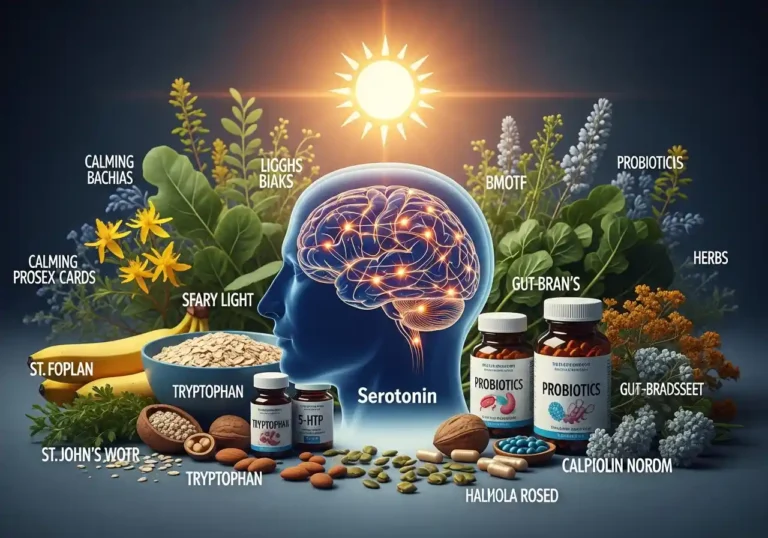
Are you feeling a bit “off” lately, perhaps struggling with low mood or restless nights? Many of my patients walk into my office asking the same question: Is there a natural alternative to SSRI medications that actually works? It is a valid curiosity, especially if you worry about side effects or simply prefer a holistic path.
While the term “natural serotonin reuptake inhibitors” sounds like a perfect middle ground, the science is more nuanced than a simple supplement bottle suggests. In my practice, I find that understanding how your brain processes this “feel-good” chemical is the first step toward true relief. Let’s dive into what the evidence says about the best serotonin supplement options and lifestyle shifts that truly move the needle.
What Is Serotonin and Why Does It Matter?
Serotonin is a neurotransmitter that acts as a chemical messenger, regulating your mood, sleep-wake cycles, and even digestion. Often called the “calm” chemical, it helps you feel emotionally stable and resilient. In my clinical experience, I often see a “check-engine light” effect; when serotonin is low, patients report increased irritability and carbohydrate cravings.
Interestingly, about 95% of your serotonin is produced in your gut, not your brain. This “gut-brain axis” means your diet directly influences your mental clarity. However, serotonin doesn’t work alone. It often balances with dopamine, which governs motivation and reward. Understanding serotonin vs dopamine is vital because a supplement that boosts one might inadvertently throw the other out of sync.
Serotonin vs. Dopamine: A Quick Comparison
| Feature | Serotonin (The Stabilizer) | Dopamine (The Rewarder) |
| Primary Role | Mood, sleep, appetite, digestion | Motivation, pleasure, motor control |
| Deficiency Sign | Anxiety, depression, and insomnia | Apathy, low focus, “brain fog.” |
| Natural Boosters | Sunlight, complex carbs, Tryptophan | Protein, achieving goals, exercise |
| Key Function | Helps you feel “content.” | Helps you feel “excited.” |
To increase serotonin and dopamine naturally, you must address both the raw materials (nutrients) and the lifestyle habits that trigger their release.
What Are Natural Serotonin Reuptake Inhibitors?
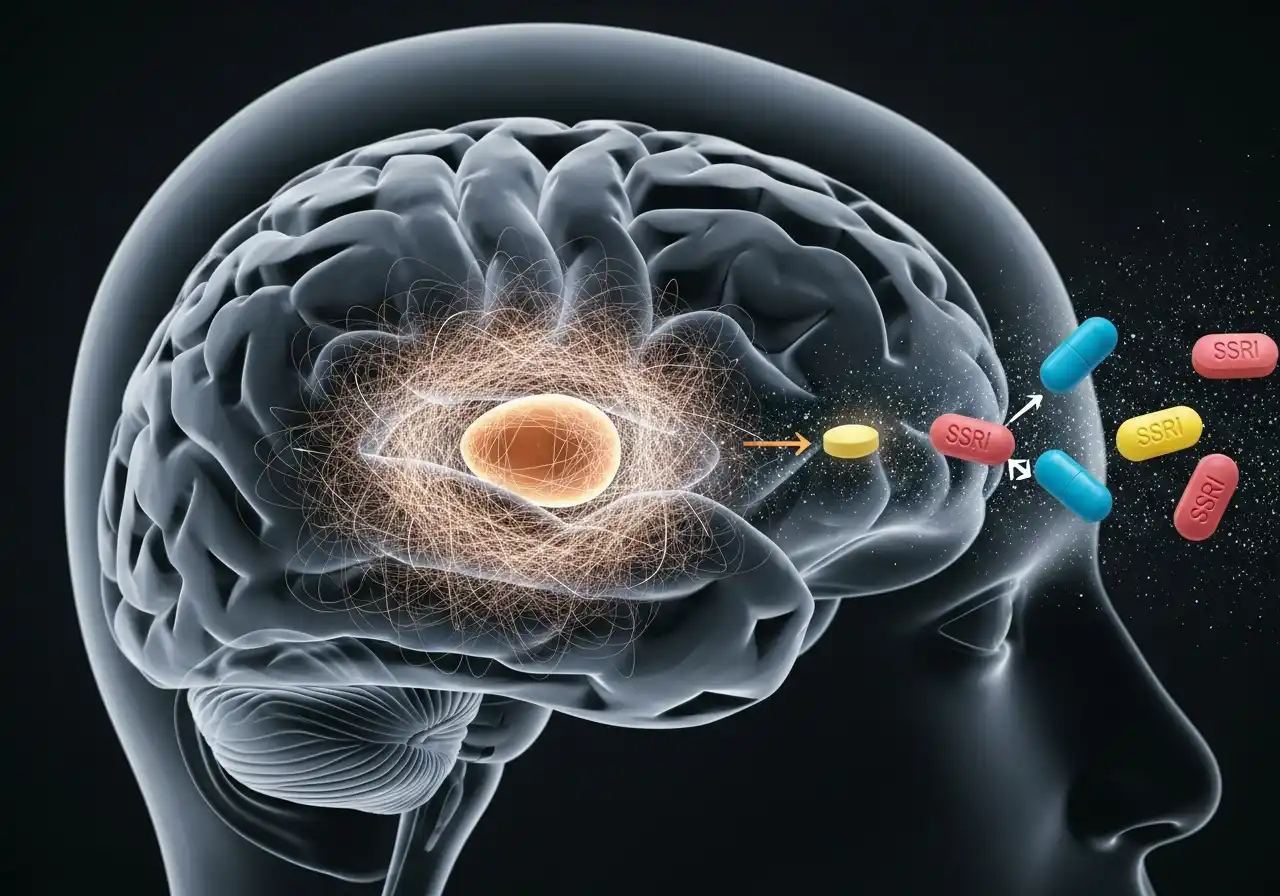
When we talk about natural serotonin reuptake inhibitors (SSRIs), we are looking for substances that mimic pharmaceutical drugs like Prozac or Zoloft. Pharmaceutical SSRIs work by preventing your brain from reabsorbing serotonin too quickly. This keeps more of the chemical available in the gaps between your neurons.
Is a natural serotonin reuptake inhibitors food or an herb? While some plants like St. John’s Wort show mild reuptake inhibition, most “natural” options work differently. They typically provide the building blocks (precursors) like 5-HTP or L-tryptophan to help your body produce more serotonin, rather than stopping the reuptake of what you already have.
In therapy, I explain serotonin levels using a bucket metaphor. Pharmaceutical SSRIs “plug the hole” in the bucket so the water (serotonin) stays in longer. Most supplements, however, simply “pour more water” into the bucket.
If your “hole” is too large due to chronic stress or genetics, the supplements may feel like they aren’t working because the serotonin is being drained too fast. This is why a combined approach of therapy and supplements is often more effective than either alone.
Do Serotonin Supplements Actually Improve Mood and Sleep?
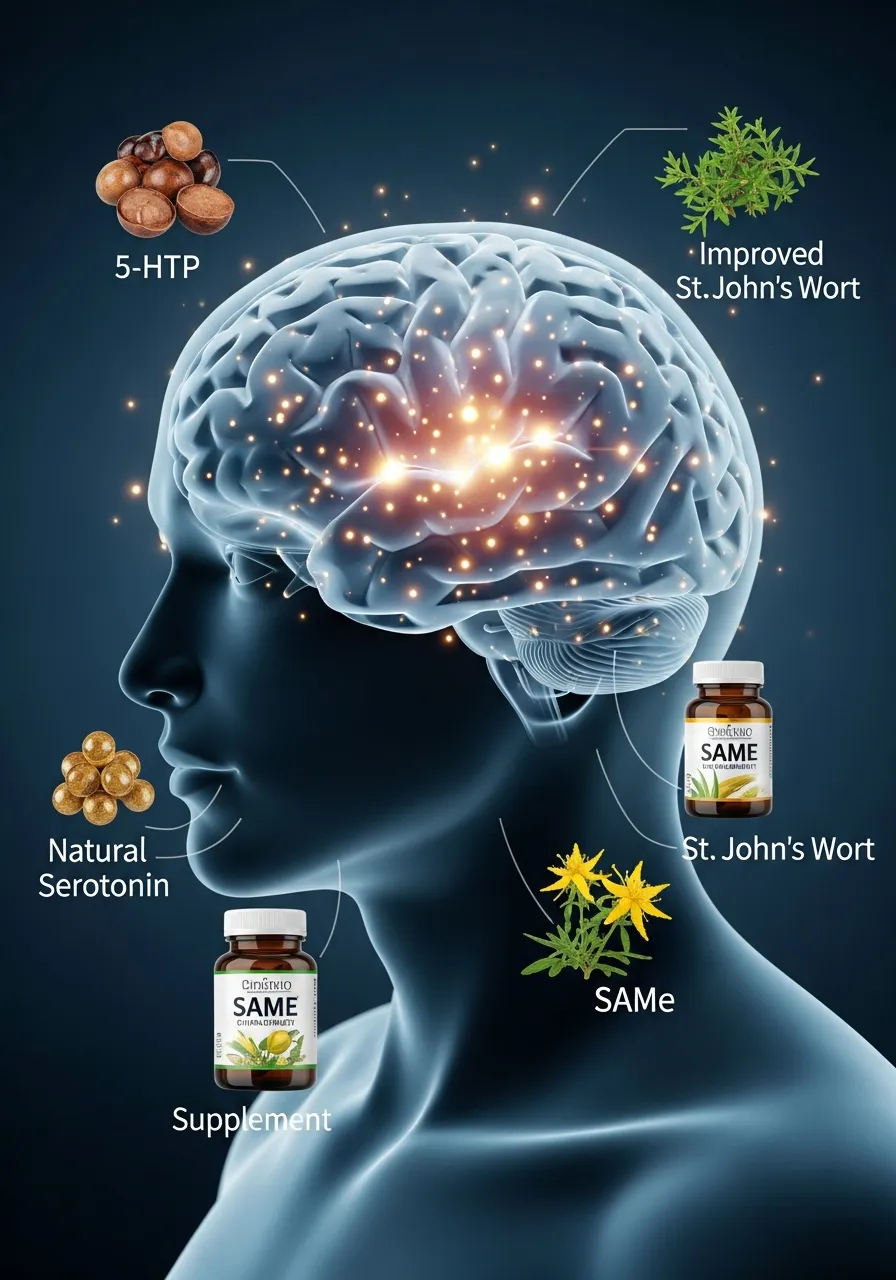
This is the core of the debate. If you are searching for the best supplement to increase serotonin, you will likely find a long list of options. But do natural serotonin supplements actually deliver?
In my practice, I worked with a patient named “Sarah” who struggled with mild seasonal depression and significant insomnia. She was hesitant to try prescription meds. We decided to trial a high-quality 5-HTP supplement combined with strict circadian rhythm management. Within three weeks, Sarah reported she could “finally turn her brain off” at night. Her success wasn’t just the pill; it was the biological synergy.
Evidence-Based Breakdown of Supplements
- 5-HTP (5-Hydroxytryptophan): This is a direct precursor to serotonin. It bypasses the rate-limiting steps your body usually takes to convert food into mood chemicals.
- Evidence: Moderate for depression and sleep.
- St. John’s Wort: This herb is the closest thing we have to all-natural serotonin reuptake inhibitors. In Europe, it is frequently prescribed for mild-to-moderate depression.
- Evidence: Strong, but it has high drug-interaction risks.
- SAMe (S-Adenosylmethionine): This molecule helps with “methylation,” a process vital for neurotransmitter production.
- Evidence: Moderate to Strong.
- Omega-3 Fatty Acids: Found in fish oil, these don’t “make” serotonin, but they improve neuroplasticity—the brain’s ability to repair and adapt. They make your serotonin receptors more sensitive.
- Evidence: Strong for overall brain health.
| Supplement | Potential Benefit | Evidence Grade | Safety Note |
| 5-HTP | Sleep & Mood | Moderate | Do not mix with SSRIs |
| St. John’s Wort | Mild Depression | Strong | Affects birth control & blood thinners |
| Saffron | Anxiety/Mood | Moderate | Generally well-tolerated |
| SAMe | Energy & Mood | Moderate | Can trigger mania in Bipolar Disorder |
Supplements that increase serotonin levels can be powerful, but they are not “magic pills.” They require a healthy foundation to work effectively.
Natural Antidepressants That Actually Work
If you are looking for natural antidepressants that actually work, it is important to distinguish between “herbs” and “interventions.” Sometimes, the most potent natural alternative to an SSRI isn’t something you swallow—it’s something you do.
The Power of Saffron and Rhodiola
Recent meta-analyses suggest that saffron (the spice) may be as effective as low-dose Prozac for mild depression symptoms. It seems to provide herbs that raise serotonin levels with fewer gastrointestinal side effects. Similarly, Rhodiola rosea acts as an adaptogen. It doesn’t just boost serotonin; it helps the brain manage the cortisol (stress hormone) that usually destroys serotonin.
Therapeutic Exercise
I cannot emphasize this enough: aerobic exercise is a clinically validated antidepressant. It increases the bioavailability of L-tryptophan in the brain. When my patients commit to a 30-minute brisk walk five days a week, the “biological lift” is often comparable to a starting dose of a medication.
Foods That Support Serotonin
Many people ask me, “What food is highest in serotonin?” While some foods like walnuts, pineapples, and bananas actually contain serotonin, there is a catch. The serotonin in your food cannot cross the blood-brain barrier. To boost your mood, you need the raw materials—specifically L-tryptophan—that your brain can actually use to build its own supply.
Think of tryptophan as the “bricks” and your brain as the “construction site.” If you don’t have enough bricks, the building stops. In my practice, I often see patients who eat plenty of protein but still feel depleted. Why? Because tryptophan has a hard time getting into the brain. It has to compete with other amino acids for a “seat on the bus” (the transport protein).
The Tryptophan-Carbohydrate Secret
To help tryptophan win the race, you need a small amount of complex carbohydrates. The resulting insulin spike clears out the competing amino acids, leaving the path clear for tryptophan.
Best Foods for Serotonin Production:
- Turkey and Chicken: Classic sources of high-quality tryptophan.
- Eggs: Specifically, the yolks, which are rich in tryptophan and choline.
- Salmon: Provides the Omega-3s necessary for neuroplasticity and receptor health.
- Oats and Quinoa: Complex carbs that help the “transport” process.
- Fermented Foods: Kimchi and kefir support the gut microbiome, where 95% of your serotonin lives.
Pro-Tip for Your Plate: Try a turkey wrap on a whole-wheat tortilla with a side of fermented pickles. This combination provides the protein, the “transport” carb, and the gut-health boost all in one go.
Lifestyle Interventions That Increase Serotonin Naturally
If you want to know how to increase serotonin without a pill, you must look at your environment. Your biology is hardwired to respond to the planet’s natural cycles. When these cycles break, your mood often follows.
The Magic of Morning Sunlight
The most potent natural serotonin reuptake inhibitors might actually be the sun. When bright light hits your retina, it triggers immediate serotonin synthesis. This is why many people feel “blue” in the winter.
- The Goal: Get 10–20 minutes of direct sunlight before 10:00 AM.
- The Result: Higher daytime serotonin and better nighttime melatonin (which is made from serotonin).
Movement and the “Runner’s High”
When you exercise, your muscles use up “branched-chain amino acids.” This leaves more room for tryptophan to enter the brain. This is how to raise serotonin naturally through effort. I recommend “Zone 2” cardio—where you can still hold a brief conversation—for at least 30 minutes.
7-Day Serotonin Reset Plan
| Day | Action Step | Clinical Goal |
| Day 1 | Morning Sun (15 mins) | Reset Circadian Rhythm |
| Day 2 | Add Fermented Food | Support Gut-Brain Axis |
| Day 3 | 30-min Brisk Walk | Increase Tryptophan Uptake |
| Day 4 | 5-min Cold Shower | Trigger “Vagus Nerve” Tone |
| Day 5 | Digital Detox (after 8 PM) | Preserve Melatonin |
| Day 6 | Gratitude Journaling | Shift Neural Pathways |
| Day 7 | Social Connection | Boost Oxytocin & Serotonin |
Is There a Natural Alternative to SSRIs?
This is a heavy question that requires honesty. For someone with mild “winter blues” or situational anxiety, natural serotonin supplements and lifestyle changes might be enough. They can provide a gentle lift that returns you to your baseline.
However, for moderate-to-severe depression or bipolar disorder, these options are rarely a “one-for-one” swap. Pharmaceutical SSRIs are engineered for high potency and stability. Natural serotonin reuptake inhibitors (SSRIs) found in nature are often less predictable in their “bioavailability”—how much actually reaches your brain.
What is the safest serotonin reuptake inhibitor? In many cases, the “safest” option is the one that is monitored by a doctor. If you are struggling to get out of bed or having thoughts of self-harm, natural options are not a substitute for professional clinical intervention.
Safety Risks of “Natural” Serotonin Boosters
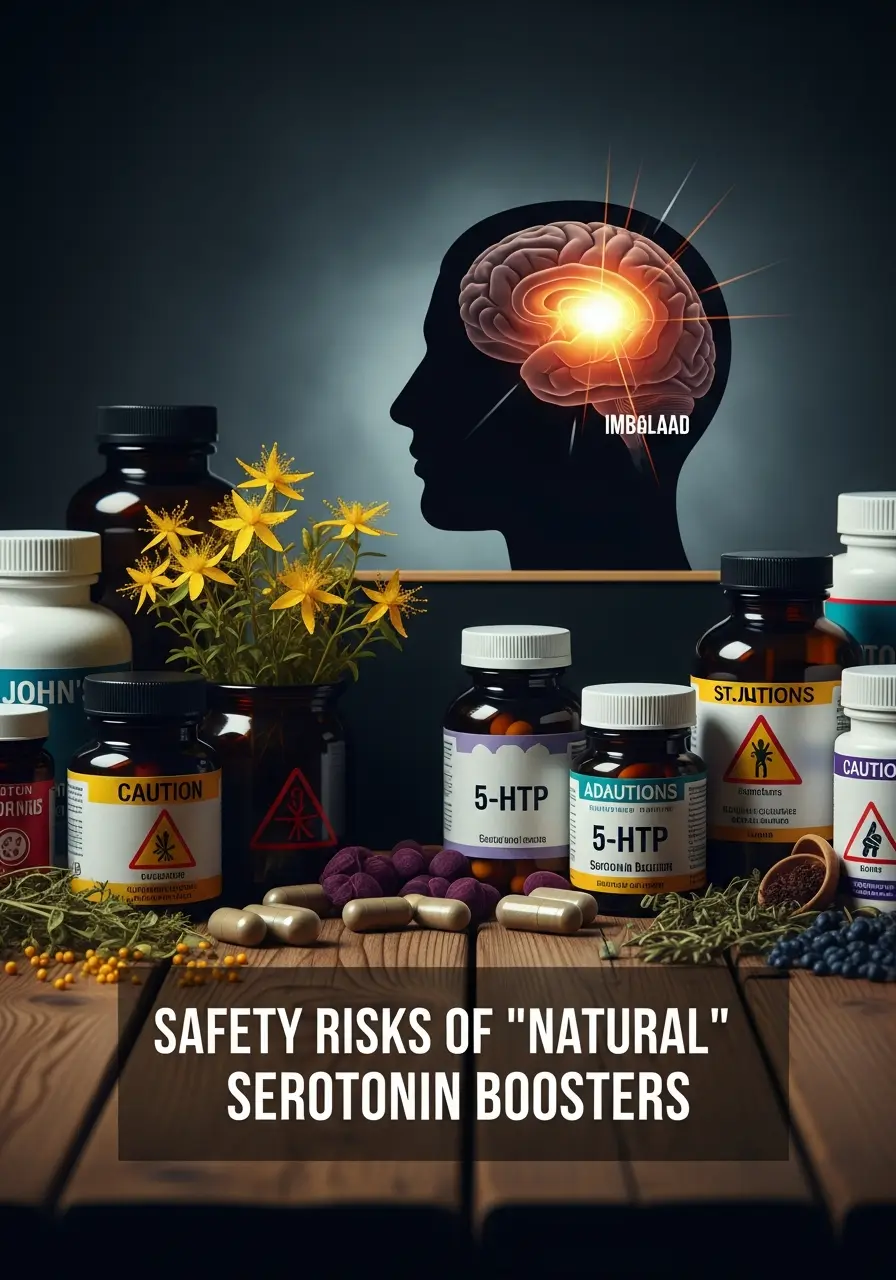
“Natural” does not mean “side-effect free. “The biggest danger in the world of natural serotonin reuptake inhibitors is a condition called ‘serotonin syndrome.’” This happens when your brain is flooded with too much serotonin. It can be life-threatening.
Symptoms of Serotonin Syndrome:
- Confusion and agitation
- Rapid heart rate
- Heavy sweating
- Muscle twitching or shivering
Never combine St. John’s Wort, 5-HTP, or SAMe with a prescription antidepressant. The interaction can be dangerous.
Who Should Avoid Natural Serotonin Supplements?
As a psychologist, I screen my patients carefully before they try supplements to increase serotonin. Certain groups face higher risks:
- People with Bipolar Disorder: Boosting serotonin can sometimes trigger a manic episode.
- Pregnant/Nursing Women: Many herbs lack safety data for developing babies.
- Those Awaiting Surgery: St. John’s Wort can interfere with anesthesia and blood clotting.
- Prescription Users: If you take heart meds, birth control, or antidepressants, check with a pharmacist first.
Frequently Asked Questions
Can natural serotonin supplements replace antidepressants?
For some people with mild symptoms, they may offer enough support. However, they should never be stopped or started without a tapering plan managed by a healthcare professional.
What naturally inhibits serotonin reuptake?
St. John’s Wort is the most studied botanical that mimics this action, though its effect is much weaker than pharmaceutical-grade SSRIs.
How long do serotonin supplements take to work?
Unlike a cup of coffee, natural serotonin supplements usually take 2 to 4 weeks of consistent use to show a noticeable shift in mood or sleep patterns.
How do you increase serotonin and dopamine naturally?
The best way to increase serotonin and dopamine naturally is a “top-down and bottom-up” approach. Use sunlight and exercise to trigger the release, and use high-protein, high-tryptophan foods to provide the building blocks.
Conclusion
In my years of practice, I have seen that the best serotonin supplement isn’t a single pill—it’s a lifestyle that respects your biology. Whether you choose a natural alternative to an SSRI or a prescription, remember that your brain needs consistency. Small, daily wins like a morning walk or a better breakfast can create a foundation for lasting mental health. If you are feeling overwhelmed, please reach out to a professional. You don’t have to navigate your mental health journey alone.
References
Related Posts


Subscribe to Our Newsletter
Get mental health tips, updates, and resources delivered to your inbox.
MORE from Author
Read More We all have "up" days and "down" days. Perhaps you feel energized after a promotion or sluggish on a rainy…
 To define bipolar disorder accurately, we must look at it as a chronic mood dysregulation condition. In psychology and medicine,…


 To answer whether bipolar fits the bill, we first have to define what a neurodivergent person actually is. The term…
 Have you ever wondered if your extreme mood swings are more than just a personal struggle? Living with the highs…

Are you looking for a Therapist?
Connect with qualified mental health professionals who understand
bipolar disorder, mood changes, and emotional challenges.
Private • Supportive • Confidential