
Lithium Toxicity Symptoms – Easy To Identify – Fatal To Ignore

Medically reviewed by Carolina Estevez, Psy.D Updated Date: March 28, 2026
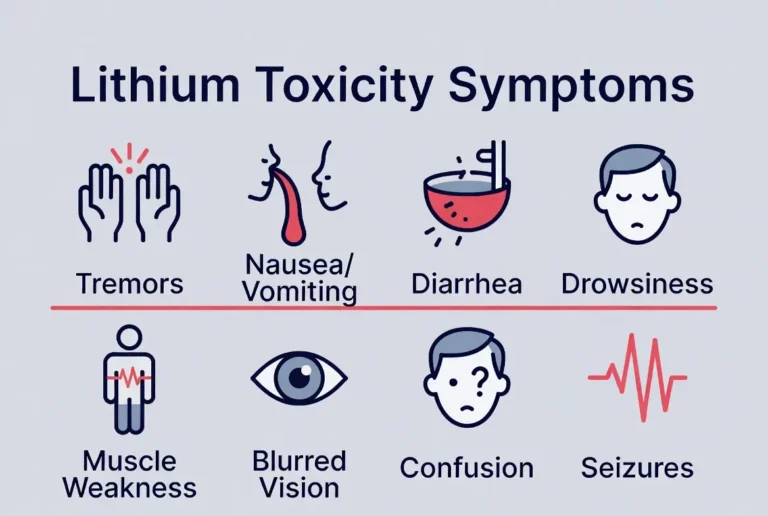
Are You Showing Signs of Lithium Toxicity?
Medications are tricky.
You may try different bipolar meds – some work, others may make you completely miserable. And side effects? They’re basically guaranteed to manifest in some form or another (in varying degrees) regardless of how effective the med may be.
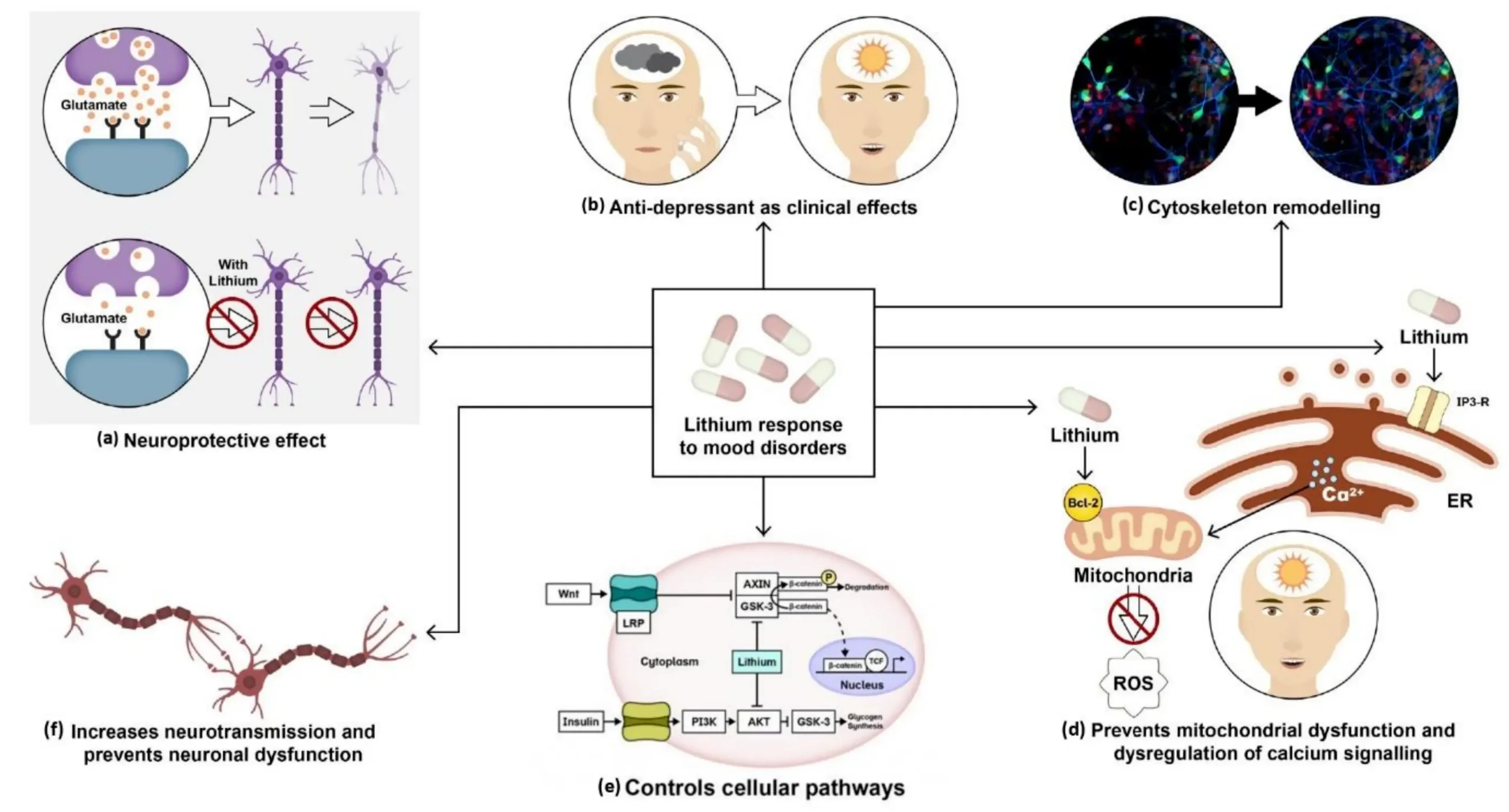
Lithium is no exception – it is most widely used for the treatment of bipolar disorder. Under normal circumstances, lithium is supposed to help reduce the severity and episodes of mania.
The signs of lithium toxicity are easy to identify but can be fatal to ignore. In fact, too much lithium can lead to coma, brain damage or death.
What Is Lithium Toxicity?
In the medical world, we define lithium toxicity as a state where the concentration of lithium in your blood reaches a level that causes harm to your cells and organs. It isn’t always a matter of taking too many pills at once.
In fact, many people experience “chronic toxicity,” which happens slowly over time even if they follow their prescription perfectly. So, what happens if you overdose on lithium? The body becomes overwhelmed, and the central nervous system bears the brunt of the damage.
The Different Faces of Toxicity
We generally categorize this condition into three types based on how the exposure happened:
- Acute Toxicity: This occurs when someone who does not usually take the drug swallows a large amount, or when a regular patient takes a sudden extra dose.
- Chronic Toxicity: This is the “sneaky” version. It happens when your daily dose slowly accumulates because your kidneys aren’t clearing it fast enough.
- Acute-on-Chronic: This happens when a long-term user takes an extra dose, often leading to the most severe symptoms.
Common Causes: Why Do Levels Spike?
You might wonder what happens if you eat too much lithium or why your levels would rise if you haven’t changed your dose. The most common culprit is dehydration. Since lithium is a salt, your kidneys “hold on” to it when you are short on water. Other triggers include:
- Drug Interactions: Common painkillers like Ibuprofen (NSAIDs), certain blood pressure meds (ACE inhibitors), and water pills (diuretics) can drastically increase lithium levels.
- Illness: Fever, vomiting, or diarrhea can deplete your fluids quickly.
- Low Sodium Diets: If you stop eating salt, your kidneys may try to reabsorb lithium to compensate, leading to symptoms of too much lithium.
Lithium Levels & Toxicity Ranges Explained
To manage this medication safely, doctors use “Therapeutic Drug Monitoring.” This involves regular blood tests to ensure you are in the “sweet spot.” If you fall below this range, the medicine won’t work. If you go above it, you risk lithium poisoning.
The following table outlines the general relationship between blood levels and lithium toxicity symptoms and levels. Please note that “mEq/L” stands for milliequivalents per liter.
| Serum Lithium Level | Classification | Typical Symptoms |
| 0.6 – 1.2 mEq/L | Target/Normal Range | Hand tremors (fine), mild thirst, increased urination. |
| 1.5 – 2.0 mEq/L | Mild Toxicity | Nausea, vomiting, diarrhea, blurred vision, “shaky” feeling. |
| 2.1 – 3.0 mEq/L | Moderate Toxicity | Confusion, slurred speech, “drunken” gait (ataxia), muscle twitches. |
| > 3.0 mEq/L | Severe Toxicity | Seizures, coma, kidney failure, cardiovascular collapse. |
It is important to remember that lithium levels normal range can vary slightly depending on whether you are in an “acute manic” phase or a “maintenance” phase. Furthermore, chronic users might feel very sick even if their blood test shows a level of 1.5 mEq/L, while an acute overdose patient might look okay at a level of 2.0 mEq/L initially. Always treat the patient, not just the lab number.
How You Can Spot Signs of Lithium Toxicity

Common signs of lithium overdose or poisoning that are often reported can include persistent diarrhea, along with the following symptoms:
- Vomiting or severe nausea
- Coarse trembling of hands or legs
- Frequent muscle twitching such as pronounced jerking of arms or legs
3(long term neurologic issues after lithium toxicity) - Blurred vision
- Marked dizziness
- Difficulty walking
- Slurred speech
- Irregular heartbeat
2(ECG changes in lithium use) - Swelling of the feet or lower legs
Even if your lithium levels are not toxic, serious side effects such as the above suggest that your dose may be too high or that lithium is not the right med for you.
With correct dosage, lithium side effects should be transient and/or mild.
Anything that impairs your functioning or decreases your quality of life needs to be addressed with a skilled clinician who knows a lot about lithium and alternative bipolar medications (examples: Depakote or Lamictal).
There is a world of difference between side effects and lithium toxicity.
It doesn’t matter how long you’ve been taking lithium (or how well you respond to it) – it is essential to monitor your lithium levels through regular blood tests.
Early & Mild Lithium Toxicity Symptoms
Recognizing early signs of lithium toxicity is the best way to prevent a hospital stay. Many patients describe these early symptoms as a “heightened” version of their usual side effects. If you usually have a tiny bit of a hand shake, but suddenly you can’t hold a coffee cup without spilling, that is a red flag.
Gastrointestinal and Neurological Warning Signs
The first signs often involve the stomach and the nerves. You might notice:
- Persistent Nausea or Diarrhea: This is more than just an upset stomach; it’s a consistent feeling of illness.
- The “Coarse” Tremor: While a fine tremor is a common side effect, early lithium toxicity symptoms often include a much more noticeable, jerky shaking of the hands.
- Muscle Weakness: You might feel heavy or unusually tired, as if your limbs aren’t responding quite right.
- Drowsiness: A feeling of mental “fog” or being uncharacteristically sleepy during the day.
If you notice an early indication of lithium toxicity, the first step is usually to contact your doctor immediately. They will likely tell you to stop the medication and come in for a blood draw. Never stop or change your dose without medical advice, but do not ignore these “mild” changes.
Moderate Lithium Toxicity Symptoms
As the lithium concentration continues to rise, the brain begins to struggle with basic coordination and communication. Moderate lithium toxicity symptoms are much harder to ignore and often require immediate medical intervention in an urgent care or emergency setting.
Loss of Coordination and Clarity
At this stage, the “shakiness” evolves into something more global. Key lithium toxicity symptoms signs include:
- Ataxia: This is a medical term for loss of coordination. You might look like you are intoxicated, stumbling when you walk or tripping over your own feet.
- Slurred Speech: Finding words becomes difficult, and your speech might sound thick or mumbled.
- Large Muscle Twitches: You may see visible “fasciculations” or twitching in your arms, legs, or face.
- Tinnitus: A persistent ringing in the ears is frequently reported as levels climb into the moderate range.
At this point, the risk of permanent damage increases. The brain is sensitive to lithium, and sustained moderate levels can lead to prolonged recovery times.
Severe & Chronic Lithium Toxicity Symptoms
When we reach the level of severe lithium toxicity symptoms, we are dealing with a true medical emergency. This is where the medication becomes a neurotoxin. In chronic cases—where the level has been high for days or weeks—the damage can be even more profound because the lithium has had time to seep deep into the brain tissues.
Life-Threatening Neurological Effects
In severe cases, you may observe:
- Delirium and Hallucinations: The patient may not know where they are or who they are talking to.
- Seizures: High lithium levels lower the “seizure threshold,” making electrical storms in the brain more likely.
- SILENT Syndrome: This stands for Syndrome of Irreversible Lithium-Effectuated Neurotoxicity. It involves permanent brain damage, specifically affecting the cerebellum, which controls balance and fine motor skills.
- Kidney Failure: While lithium causes toxicity, the toxicity itself can damage the kidneys, creating a dangerous feedback loop where the body can no longer clear the drug.
The long term effects of lithium toxicity can be devastating. Some survivors of severe lithium intoxication symptoms struggle with permanent tremors, memory issues, or a lifelong inability to walk steadily. This is why “low and slow” dosing and constant vigilance are the standards of modern psychiatric care.
The “3 Main Symptoms” of Lithium Toxicity
While many symptoms exist, clinicians often look for a specific “triad” of warning signs. If you are trying to remember the most common lithium toxicity symptoms, focus on these three categories. This makes it easier for patients and caregivers to spot trouble fast.
- Gastrointestinal Distress: This usually appears first. It includes persistent nausea, repeated vomiting, or watery diarrhea.
- Neurological Changes: You might feel unusually drowsy or confused. Slurred speech and a lack of mental clarity are major red flags.
- Motor Impairment: This is most visible as a coarse hand tremor or a “drunken” gait. If you cannot walk in a straight line, it is time to act.
Lithium Toxicity Mnemonics & Nursing Memory Aids
For students tackling the lithium toxicity symptoms NCLEX questions, memorization is key. Nurses must know when to “hold” a dose and when to call the provider. A popular way to remember the risk factors and signs is the “LITHIUM” mnemonic:
- L – Levels over 1.5 mEq/L (Toxicity threshold).
- I – Increased urination and thirst (Diabetes Insipidus).
- T – Tremors (Coarse and jerky).
- H – Hydration is low (Dehydration spikes levels).
- I – Irritability of muscles (Twitching/Fasciculations).
- U – Unsteady gait (Ataxia).
- M – Management of fluids (Treatment focus).
In a lithium toxicity symptoms quizlet or ATI exam, the “correct” answer often involves identifying a patient with a “coarse tremor” or “confusion” and prioritizing a serum lithium lab test. Remember, for the boards, the most important nursing intervention is often ensuring the patient stays hydrated and monitoring their output.
Red Flags: When Lithium Toxicity Is an Emergency
Sometimes, symptoms progress from “concerning” to “life-threatening” in just a few hours. Knowing what are the red flags of lithium toxicity can literally save a life. You should call 911 or head to the nearest emergency room if you notice:
- Loss of Consciousness: The person becomes unresponsive or very difficult to wake up.
- Seizures: Any new or unexplained seizure activity.
- Extreme Confusion: Not knowing the date, their name, or where they are.
- Inability to Walk: If the patient cannot stand or move without falling.
- Vision Changes: Sudden blurred vision or “seeing double.”
Caregivers should never wait for a lab result if these lithium toxicity symptoms and signs are present. Immediate medical stabilization is more important than the number on a blood test.
How Lithium Toxicity Is Diagnosed
So, how is lithium toxicity diagnosed once you reach the hospital? Doctors use a combination of physical exams and laboratory data. However, they don’t just look at the lithium level.
First, the medical team will order lithium monitoring bloods to check your serum concentration. They will also look at:
- Creatinine and BUN: These measure how well your kidneys are working.
- Electrolytes: Sodium levels are especially important, as low sodium makes toxicity worse.
- EKG: High lithium can sometimes cause heart rhythm issues.
It is crucial to tell the doctor when the last dose was taken. A level drawn 2 hours after a dose will naturally look higher than one drawn 12 hours later. This “trough level” is the most accurate way to judge true toxicity.
Can You Guess the #1 Concern of Lithium Toxicity?
If you guessed toxicity or poisoning…
Guess again.
In fact, you may be experiencing the #1 concern of lithium toxicity right now!
According to the International Journal of Bipolar Disorder, studies have shown that WEIGHT GAIN is among the most prevalent and distressing lithium associated side effects.
4 (meta-analysis showing significant weight gain with lithium)
The weight gain that usually comes with regular lithium medication is an emotional and psychic poison – this can all lead to serious health consequences.
5 (lithium weight gain side effect can be extremely distressing to patients)
Weight gain was my biggest problem when taking lithium!
The National Institute of Mental Health states:
“Over 80 percent of people with serious mental illnesses are overweight or obese, which contributes to them dying at three times the rate of the overall population.”
Do you ever feel like there is no “normal” or “average” because your way of being, perspective, and mood is constantly changing? Combine that with all the consequences and aftermaths of this changing behavior and perspective (including the changing self image, poor social stability, poor decision making, and so on).
You don’t need more problems added to your list of concerns – Especially weight gain. Imagine being comfortable in your own skin.
The good news is that you CAN manage your weight. If you’ve gained fat because of medications, such as lithium, it’s easier than you think to shed the pounds. All it takes is a comprehensive, proven guide.
The Bipolar Diet is a 130 page step-by-step guide proven to help you:
- Lose the weight (and keep it off)
- Prevent major disease
- Gain control over your mood!
Do You See a Rash?
Some people have a special form of lithium allergy – a rash. See your doctor immediately if, while taking lithium, you develop a skin rash or itching.
The rash is not the most dangerous of the lithium toxicity symptoms. But it still shows you should DISCONTINUE LITHIUM IMMEDIATELY.
Did You Miss Your Lithium Dose?

Incorrect handling of missed doses is a very common way that people end up with too much lithium in their system. This can result in lithium toxicity.
If you miss a dose:
- NEVER DOUBLE UP in an effort to catch up.
- Taking an increased dose is a dangerous risk that may put too much lithium into your bloodstream at once.
- Sometimes it is ok to take your medication a little bit later if you forget to take them on time – but DON’T DOUBLE UP.
- Contact your doctor to get precise guidelines.
How to Avoid Lithium Toxicity
#1 Rule: Prevention! Prevention! Prevention!
Be active in your own care. Lithium medication has to be managed. You have to be in the driver’s seat. That means:
- Get support! – Speak with a professional counselor online (from the convenience of your home).
- ALWAYS take your blood tests exactly when your doctor advises. PREPARE correctly for your blood tests. This means that for 4-5 days before testing don’t forget any doses and don’t take any extra doses. Also, your blood test should be done in the morning as close as possible to within 12 hours of your last dose.
- Drink plenty of fluids each day, especially water, juice and milk. Avoid caffeinated drinks like coffee and some sodas because of their diuretic effect.
- Do not go on any low salt diets.
- Be careful about sweating too much or anything else that could promote dehydration.
What To Do If You Suspect Lithium Toxicity Symptoms
If you detect lithium toxicity symptoms, do not panic. Follow these steps:
- Drink lots of water
- DO NOT TAKE ANY MORE LITHIUM
- Go immediately to see your doctor or to a hospital emergency room
If you do have lithium poisoning, you’ll most likely be admitted to the hospital and cared for by a poisoning specialist.
Treatment will involve maintaining correct kidney functioning (managing blood pressure, and replacing fluids and salt). Sometimes dialysis is necessary.
Lithium Toxicity Treatment & Management
The primary goal of treating lithium toxicity is to stop further absorption and clear the salt from your system. The approach depends entirely on how high the levels are and how sick the patient feels.
Mild Toxicity
For mild cases, the treatment is often simple:
- Stop the Medication: The doctor will “hold” the lithium until levels drop.
- Aggressive Hydration: You will likely receive IV fluids (normal saline). This helps the kidneys flush out the excess lithium salt.
Moderate to Severe Toxicity
In more dangerous situations, lithium poisoning treatment becomes more intensive:
- Gastric Lavage: If an overdose just happened, doctors might try to “pump the stomach.” Note that activated charcoal does not work for lithium.
- Hemodialysis: This is the “gold standard” for severe cases. A machine filters your blood to remove the lithium quickly. Doctors usually recommend this if levels are above 4.0 mEq/L (or 2.5 mEq/L if the patient has severe symptoms or kidney failure).
Is There an Antidote for Lithium?
A common question is: what is the antidote for lithium? Unfortunately, there is no specific chemical “off-switch” or antidote for lithium poisoning. Unlike an opioid overdose which has Narcan, lithium must be physically removed from the body. This is why hydration and dialysis are so vital; we have to rely on the kidneys or a machine to do the work.
Tremor & Neurologic Effects Explained
The lithium toxicity tremor is often the first sign patients notice. It is important to distinguish this from the “fine” tremor many people get when they first start the drug. A fine tremor is a slight shaking, usually visible when you hold your hands out.
A toxic tremor is “coarse.” It looks like a heavy, rhythmic shaking that interferes with eating or writing. This happens because lithium interferes with how neurotransmitters move in the brain’s motor centers. While most neurological symptoms go away once levels normalize, severe lithium neurotoxicity symptoms can sometimes lead to permanent “shakes” or balance issues.
Side Effects vs. Toxicity: How to Tell the Difference
It can be confusing to tell if you are just having a bad day with side effects or if you are in danger. Use this table to compare common lithium side effects with symptoms of high lithium levels.
| Feature | Normal Side Effect | Toxic Symptom (Warning!) |
| Hand Tremor | Fine, barely noticeable | Coarse, jerky, and disabling |
| Thirst | Mildly increased | Intense, unquenchable thirst |
| Speech | Normal | Slurred or “thick” sounding |
| Stomach | Occasional mild nausea | Violent vomiting or heavy diarrhea |
| Coordination | Normal | Stumbling or “drunken” walking |
What Patients Ask Online (Reddit, Mayo, NHS)
When people search for lithium toxicity symptoms reddit or look at forums, they are often looking for lived experience. Many patients report that their toxicity felt like a “slow-motion flu.” They describe a sense of being “heavy” or “foggy” long before the severe tremors began.
While sites like the lithium toxicity symptoms mayo clinic or lithium toxicity symptoms nhs pages provide excellent clinical lists, they don’t always capture the subjective feeling. Users on Reddit often mention that they “just knew something was wrong” when their usual dose made them feel unusually sleepy. However, you should always favor medical documentation over forum advice. If your experience matches the warnings on the Mayo Clinic site, contact a professional immediately rather than waiting for more “votes” on a thread.
Prevention: How to Reduce the Risk of Lithium Toxicity
The best way to handle toxicity is to never let it happen. Prevention is entirely possible with a bit of discipline and regular medical oversight. Following a few simple rules can keep your lithium levels normal range stable for years.
The Golden Rules of Lithium Safety
- Stay Hydrated: Aim for 8 to 12 cups of water a day. Since lithium is a salt, your body needs water to process it.
- Keep Salt Intake Consistent: Do not suddenly start a “no-salt” diet. If your sodium drops, your lithium levels will rise.
- Avoid Certain OTC Meds: NSAIDs like Advil, Motrin, and Aleve can be dangerous. Stick to Tylenol (Acetaminophen) for pain unless your doctor says otherwise.
- Routine Lab Work: Never skip your lithium monitoring bloods. These tests catch rising levels before you even feel sick.
- The “Sick Day” Rule: If you have a fever or a stomach bug, call your psychiatrist. You may need to temporarily pause your dose to avoid accumulation.
FAQ: Common Questions About Lithium Safety
What are the symptoms of lithium toxicity?
The symptoms usually start with nausea, diarrhea, and a coarse hand tremor. As it worsens, you may experience slurred speech, confusion, and a loss of balance (ataxia).
What are signs and symptoms of lithium toxicity in the elderly?
Older adults are more sensitive. They may show “confusion” or “frequent falls” much earlier than younger patients. In the elderly, lithium toxicity symptoms can often be mistaken for dementia or general aging.
What happens if you overdose on lithium?
An overdose is a medical emergency. It can lead to seizures, kidney failure, and permanent brain damage if not treated with IV fluids or hemodialysis.
What happens if you eat too much lithium?
While you won’t find lithium in significant amounts in food, taking too many of your prescribed pills will lead to acute poisoning. This requires immediate emergency room intervention.
What does lithium smell like?
Medical lithium (Lithium Carbonate) is an odorless white powder or tablet. If you are smelling something “metallic” or “sulfur-like,” it might be a different medication or a side effect changing your sense of smell. Note that industrial lithium (in batteries) should never be inhaled or tasted.
Non-Medical “Toxic” Search Clarifications
Sometimes people search for “lithium” and find information that has nothing to do with psychiatry. It is important to distinguish between the life-saving medication and industrial materials.
- Are Highlighters Toxic? Some people worry because of the bright “lithium” colors. Most modern highlighters are non-toxic, but they do not contain medical lithium.
- 12 Volt Lithium Battery Packs: These contain lithium-ion or lithium-polymer. If a battery leaks or catches fire, it releases toxic fumes and chemicals. This is a chemical burn and respiratory risk, which is different from lithium poisoning from medication.
- What Does the Toxic Symbol Mean? On a battery or chemical, the skull and crossbones or the “GHS” exclamation mark indicates that the substance is hazardous if swallowed or inhaled.
Summary and Key Takeaways
Lithium remains one of the most effective treatments for Bipolar I disorder, but it requires respect. By staying hydrated, keeping your salt intake steady, and knowing the early signs of lithium toxicity, you can use this medication safely.
Medical Disclaimer: This article is for informational purposes only and does not constitute medical advice. Lithium toxicity is a life-threatening emergency. If you suspect toxicity, contact your healthcare provider or emergency services immediately.
Authoritative References & Resources
- StatPearls (NCBI Bookshelf): Lithium Toxicity
- Cleveland Clinic: Lithium Toxicity Overview
- PubMed (PMC): The Syndrome of Irreversible Lithium-Effectuated Neurotoxicity (SILENT)
- The Pharmaceutical Journal: Lithium Monitoring and Toxicity Management
- NIH (PMC): Lithium Toxicity from the Addition of an ACE Inhibitor

Related Posts




Subscribe to Our Newsletter
Get mental health tips, updates, and resources delivered to your inbox.
MORE from Author
Read More Watching someone you care about struggle with bipolar depression and anxiety can be heartbreaking. You may notice that they withdraw…
 In my practice as a clinical psychologist, I often observe that the difference between a patient who crumbles under pressure…
 We all have "up" days and "down" days. Perhaps you feel energized after a promotion or sluggish on a rainy…
 To define bipolar disorder accurately, we must look at it as a chronic mood dysregulation condition. In psychology and medicine,…
Are you looking for a Therapist?
Connect with qualified mental health professionals who understand
bipolar disorder, mood changes, and emotional challenges.
Private • Supportive • Confidential