
Bipolar Medications and Weight Gain: Weight Changes, Weight Loss, and How to Manage Both

Managing bipolar disorder is often described as a balancing act, but few parts of that journey are as physically and emotionally taxing as the shift in body weight. For many, the choice feels impossible: “Do I stay stable and gain weight, or do I risk my mental health to stay thin?”
This comprehensive guide dives into the clinical realities of Bipolar Medications and Weight Gain. We will explore why these changes happen, which medications carry the most risk, and—most importantly—how you can reclaim control over your physical health without compromising your mental stability.
Why Weight Changes Are So Common With Bipolar Medications
If you have noticed the number on the scale climbing after starting a new prescription, you are not alone. Bipolar meds and weight gain are so closely linked that metabolic side effects are cited as the number one reason patients discontinue their treatment.
Can bipolar medications make you gain weight? Yes, but it is rarely a matter of “willpower.” These drugs don’t just add calories; they fundamentally alter the way your brain and body process energy. For some, the weight gain is rapid—sometimes 10 to 20 pounds in a single month—while for others, it is a slow, creeping change over years.
It is important to normalise this concern. Weight gain isn’t just a “cosmetic” issue; it affects self-esteem, cardiovascular health, and the risk of diabetes. However, the most vital takeaway is this: Weight gain is not inevitable. With modern pharmacology, adjunctive treatments, and lifestyle strategies, it is possible to achieve euthymia (a stable mood) while maintaining a healthy weight.
Does Bipolar Disorder Itself Cause Weight Gain or Weight Loss?
Before looking at the pharmacy bottle, we must look at the illness. Bipolar disorder is a systemic condition, meaning it affects more than just your mood; it affects your entire biology.
- Depression and Weight: During a depressive episode, many individuals experience “hypersomnia” (oversleeping) and “hyperphagia” (overeating), particularly of high-carb “comfort foods.” The lack of energy leads to a sedentary lifestyle, creating a perfect storm for weight gain.
- Mania and Weight Loss: Conversely, mania or hypomania can cause unintentional weight loss. The intense goal-directed activity and decreased need for sleep often lead people to simply forget to eat.
- Metabolic Vulnerability: Research suggests that people with bipolar disorder have higher baseline rates of insulin resistance and inflammatory markers, making them more susceptible to obesity regardless of medication status.
Why Do Bipolar Medications Affect Weight?
To solve the problem, we must understand the “why.” Why do bipolar meds cause weight gain? It isn’t just one mechanism; it is a multi-front assault on your metabolism.
Appetite and Satiety Signalling
Many psychiatric drugs block histamine (H1) and serotonin (5-HT2C) receptors in the brain. These receptors are responsible for telling you when you are full. When they are blocked, the “off switch” for hunger breaks, leading to intense cravings—specifically for sugar and fats.
Insulin Resistance
Some medications, particularly second-generation antipsychotics, can interfere with how your cells respond to insulin. This causes your blood sugar to rise, which triggers the body to store more fat, especially around the abdomen.
Sedation and Movement
If a medication makes you feel “zombified” or heavily sedated, your “NEAT” (Non-Exercise Activity Thermogenesis)—the small movements like pacing or fidgeting—drops significantly. Over months, this reduction in calorie burn adds up.
Mood Stabilisers and Weight Gain
Mood stabilisers are the foundation of bipolar treatment. While they are generally less metabolically “heavy” than antipsychotics, they still carry risks.
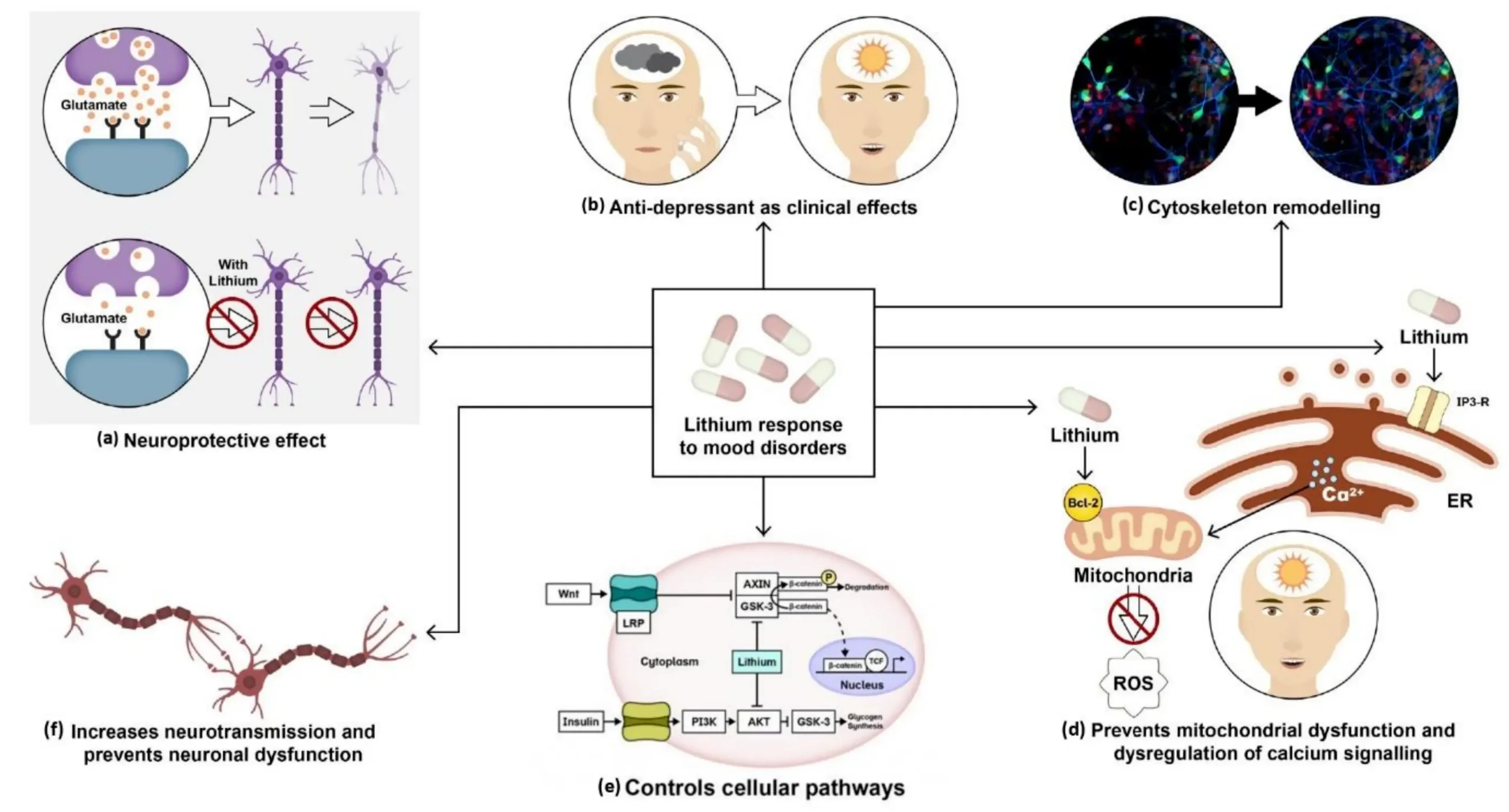
- Lithium: The gold standard for mania. About 25% of people on lithium gain weight. This is often due to increased thirst (polydipsia) leading to the consumption of high-calorie sodas, or lithium’s impact on the thyroid gland, which can slow the metabolism.
- Valproate (Depakote): This is often cited as the mood stabiliser most likely to cause weight gain. It can increase appetite and, in some women, contribute to Polycystic Ovary Syndrome (PCOS), which is strongly linked to weight gain.
- Carbamazepine (Tegretol): Generally considered more weight-neutral than Valproate, but some reviews suggest modest gains over long-term use.
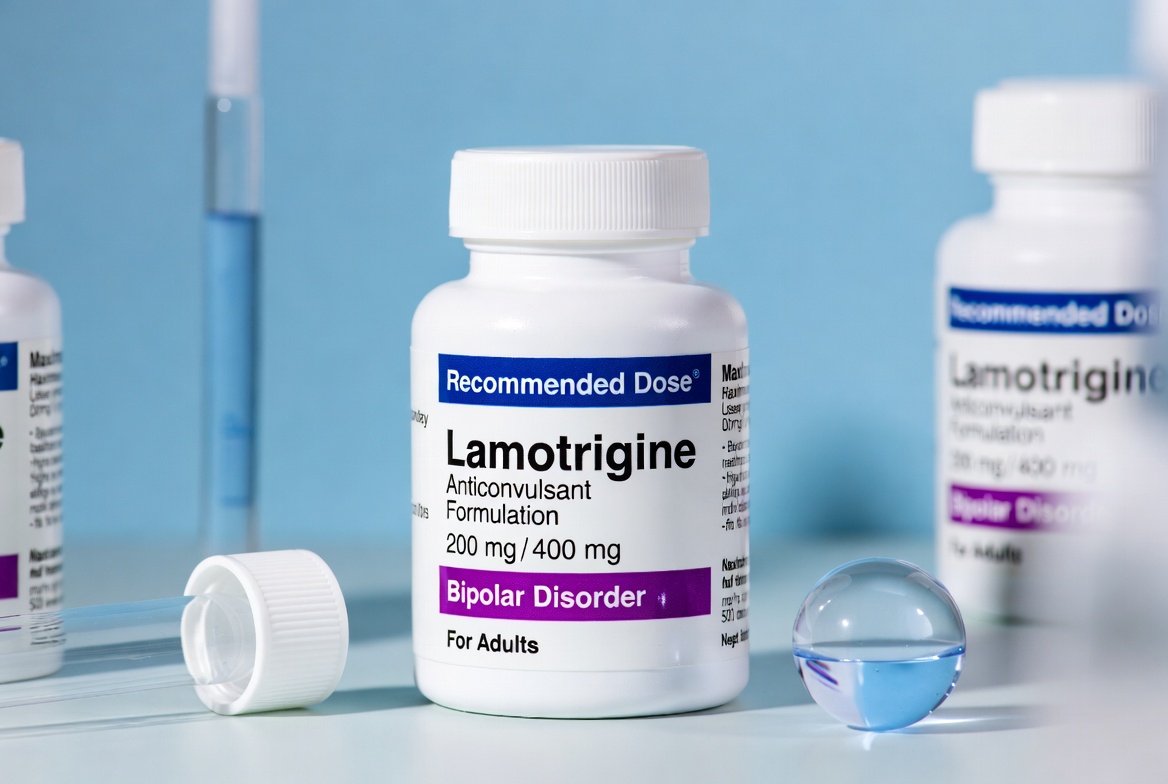
- Lamotrigine (Lamictal): The “outlier.” Lamotrigine is widely considered weight-neutral and is a top choice for those concerned about their physique.
Antipsychotics and Weight Gain: Which Are the Worst?
In the world of bipolar weight gain Reddit threads, antipsychotics are often the “villains.” However, they are not all created equal.
| Risk Level | Medication Examples |
| Highest Risk | Olanzapine (Zyprexa), Clozapine |
| Moderate Risk | Quetiapine (Seroquel), Risperidone (Risperdal) |
| Lower Risk | Aripiprazole (Abilify), Ziprasidone (Geodon), Lurasidone (Latuda) |
Which antipsychotic causes the most weight gain? Olanzapine is statistically the leader. It can cause profound changes in appetite and glucose metabolism almost immediately. If you are struggling with rapid gain, discussing a switch to a “lower risk” option like Geodon or Vraylar with your doctor is often the first step.
Mood Stabilisers With No or Minimal Weight Gain: In-Depth Options for Bipolar Disorder
For individuals highly sensitive to weight changes—whether due to past experiences with meds like olanzapine, quetiapine, or valproate—weight-friendly mood stabilisers are a top priority.
The “Holy Grail” of a truly zero-gain option doesn’t exist for everyone (responses vary by genetics, dose, duration, lifestyle, and combos), but several stand out in 2025-2026 data from Mayo Clinic guidelines, meta-analyses, real-world studies, and clinical trials as highly weight-neutral or associated with minimal/no gain (often <1-2 kg mean change, low rates of ≥7% gain).
These are especially useful for long-term bipolar management, prioritising metabolic health alongside mood stability.
Here’s an expanded breakdown with more details on efficacy, dosing, key weight data (from trials/meta-analyses), pros/cons, and best-use scenarios:
- Lamotrigine (Lamictal) The gold standard for weight neutrality in bipolar treatment—consistently ranked least likely to cause gain across sources (e.g., Mayo Clinic 2025 update, multiple meta-analyses).
- Weight data: Long-term studies (e.g., 18-month maintenance trials) show stable or slight loss: mean -1.2 kg at 52 weeks (vs. +2.2 kg lithium, +0.2 kg placebo). Clinically significant gain (≥7%) in ~10-11% (similar to placebo); some obese patients lose ~4 kg. Weight-neutral or loss-promoting in most; rare gain outliers often confounded.
- Efficacy: FDA-approved for bipolar I maintenance (strong for preventing depressive episodes); excellent for bipolar depression/rapid cycling. Less robust for acute mania.
- Dosing: Slow titration (start 25 mg/day, up to 200 mg/day typical) to minimise rash risk.
- Pros: Minimal metabolic impact (no major changes in lipids/glucose); low sedation, cognitive fog, or sexual side effects.
- Cons: Rash risk (serious but rare); slower onset.
- Best for: Depression-focused bipolar, those avoiding gain from other stabilisers.
- Lurasidone (Latuda) Atypical antipsychotic approved specifically for bipolar depression (monotherapy or adjunctive)—often functions as a mood stabiliser in practice, with a very low metabolic footprint.
- Weight data: Real-world/1-year analyses show mean loss or minimal change (e.g., -0.4 to -0.77 kg); short-term: +0.3-0.6 kg vs. placebo loss. Lower gain risk than olanzapine/quetiapine; higher likelihood of ≥7% loss in switches from higher-risk meds.
- Efficacy: Strong for bipolar I/II depression; good overall symptom control.
- Dosing: 20-120 mg/day; take with food (≥350 calories) for absorption.
- Pros: Minimal weight/BMI impact; low sedation; favourable vs. others in meta-analyses.
- Cons: Possible akathisia/restlessness; monitor movement side effects.
- Best for: Bipolar depression priority; those switching from weight-gaining atypicals.
- Ziprasidone (Geodon) Atypical antipsychotic, is used for acute mania/mixed episodes in bipolar I (and sometimes maintenance)—one of the most weight-neutral atypicals.
- Weight data: Often no gain or loss (e.g., -0.7 kg in switches); short-term minimal change; long-term low ≥7% gain rates (~7-10%). Associated with loss in obese/overweight bipolar patients on other meds.
- Efficacy: Effective for mania/mixed; less studied for depression.
- Dosing: 40-160 mg/day; must take with a 500-calorie meal for absorption (critical for efficacy).
- Pros: Low metabolic risk; some evidence of weight improvement on switch.
- Cons: QT prolongation risk (ECG monitoring sometimes); higher akathisia.
- Best for: Mania/mixed episodes; weight-conscious patients okay with food requirement.
- Cariprazine (Vraylar) Newer atypical antipsychotic approved for bipolar I mania/mixed, depression, and adjunctive MDD—low rates of significant gain.
- Weight data: Trials show 0.5-1.5 lb mean gain short-term; real-world up to +0.9 kg/year (often not significant). ≥7% gain in ~3% for depression; minimal BMI/BP impact.
- Efficacy: Covers mania, depression, and mixed in bipolar I.
- Dosing: 1.5-6 mg/day (once-daily).
- Pros: D3-preferring profile aids low metabolic changes; good for full-spectrum bipolar.
- Cons: Akathisia is common; monitor lipids/glucose.
- Best for: Bipolar I with mixed symptoms; newer option with strong profile.
Additional Strong Weight-Neutral/Minimal-Gain Options:
- Lumateperone (Caplyta) — From earlier discussions: Often neutral/minimal gain in bipolar depression trials; low metabolic risk overall.
- Aripiprazole (Abilify) — Frequently neutral or loss-promoting; low gain in maintenance.
- Asenapine (Saphris) — Low gain risk in lists; sublingual for acute mania.
- Oxcarbazepine (Trileptal) — Related to carbamazepine; low/uncommon gain (less studied but favourable vs. valproate).
Bipolar Medications That May Cause Weight Loss

It is a common question: Do bipolar disorder medications cause weight loss? While rare, certain medications are used “off-label” specifically to counter weight gain.
- Topiramate (Topamax): Often called “Dopamax” due to cognitive side effects, this anticonvulsant is frequently used to suppress appetite and promote weight loss.
- Bupropion (Wellbutrin): While technically an antidepressant (and used cautiously in bipolar to avoid mania), it is known for its weight-loss potential and is often paired with a stabiliser.
- GLP-1 Agonists: In 2025 and 2026, medications like semaglutide (Ozempic/Wegovy) are increasingly being prescribed alongside bipolar meds to “reset” the metabolic damage caused by antipsychotics.
Can Topiramate Cause Weight Gain? Clearing the Confusion
The short answer to this persistent myth is a resounding no—topiramate (commonly known as Topamax) does not typically cause weight gain and is, in fact, strongly associated with weight loss in the vast majority of clinical instances, based on extensive evidence from randomised controlled trials, meta-analyses, and real-world use.
This confusion often arises when topiramate is prescribed alongside weight-promoting medications, such as certain antipsychotics like olanzapine (Zyprexa) or mood stabilisers like valproate, which are common in bipolar disorder or epilepsy treatment. In these polypharmacy scenarios, patients might still experience some net weight gain from the other drug’s effects—
increased appetite, metabolic slowdown, or insulin resistance—but topiramate actively counteracts and attenuates that gain, often reducing it by several kilograms compared to controls without it. For example, when added to olanzapine, topiramate has been shown to prevent or reverse antipsychotic-induced weight gain, leading to better overall metabolic outcomes without compromising the primary treatment’s efficacy.
To delve deeper into the evidence: A comprehensive meta-analysis of 10 randomized controlled trials involving over 3,320 overweight or obese individuals found that topiramate led to an average additional weight loss of 5.34 kg (about 11.8 pounds) compared to placebo after at least 16 weeks, with even greater losses (up to 6.58 kg) at higher doses (96-200 mg/day) and longer durations (>28 weeks).
This effect is dose-dependent and sustained, outperforming many alternative weight-loss approaches in clinical settings, and it’s driven by mechanisms like appetite suppression, altered taste perception (reducing cravings for sweets and carbs), and potential impacts on reward pathways in the brain. In psychiatric contexts, such as
schizophrenia or bipolar disorder, where antipsychotics cause gain, adjunctive topiramate has been linked to a -2.83 kg mean difference versus controls, effectively slowing or reversing the upward trend. Rare reports of gain do pop up anecdotally (e.g., on forums), but they’re outliers, often tied to confounding factors like concurrent steroids, thyroid issues, or very low starting doses where effects haven’t kicked in yet.
Overall, topiramate is even FDA-approved in combination with phentermine (as Qsymia) specifically for obesity management, underscoring its reliable loss-promoting profile. If you’re on it and noticing gain, it’s worth discussing with your doctor—labs for thyroid or other interactions could clarify, and tracking in a mood app like eMoods can help spot
Do BPD Medications Cause Weight Gain?
Many people with borderline personality disorder (BPD) wonder, “Do BPD meds cause weight gain?”—and the answer is nuanced. While BPD and bipolar disorder often share overlapping prescriptions (due to similar symptoms like mood instability, impulsivity, emotional dysregulation, anger, and sometimes depression or anxiety), the risks aren’t identical because treatment approaches and prescribing patterns differ significantly between the two conditions.
In bipolar disorder, medications are typically core to long-term management: mood stabilisers (e.g., lithium, valproate/divalproex, lamotrigine) and atypical antipsychotics (e.g., quetiapine/Seroquel, olanzapine/Zyprexa) are frequently used to prevent manic, hypomanic, or depressive episodes and maintain stability.
These can carry higher weight gain risks—valproate and olanzapine often lead to substantial increases (5-10+ kg on average in studies), quetiapine moderate to high, while lithium can cause fluid retention or indirect gain via thyroid effects. Lamotrigine stands out as highly weight-neutral.
This allows more flexibility in choosing weight-neutral or low-risk options:
- Antipsychotics (if used): Low-dose atypical ones like quetiapine (for sleep/anxiety/mood swings) or olanzapine (for acute agitation) are common off-label, but they carry the same metabolic risks as in bipolar disorder—quetiapine and olanzapine are linked to higher weight gain, increased appetite, somnolence, and metabolic changes (e.g., diabetes risk). Studies show that olanzapine users report more fatigue, appetite, and weight gain.
- Mood stabilisers/anticonvulsants: Lamotrigine or topiramate may help with impulsivity, anger, or affective instability in some BPD cases, but evidence is mixed/weaker than in bipolar. Lamotrigine is weight-neutral (often no change or slight loss), while topiramate promotes loss (beneficial if gain is a concern).
- Antidepressants: SSRIs/SNRIs (e.g., fluoxetine, sertraline) for co-occurring depression/anxiety are often weight-neutral or low-risk (bupropion may even aid weight loss), unlike mirtazapine (higher gain risk). Benzodiazepines (short-term for anxiety) don’t typically cause gain but carry dependence risks.
- Overall risk profile: BPD prescribing avoids heavy, long-term antipsychotics or high-dose mood stabilisers more often than bipolar, reducing cumulative weight/metabolic burden. Polypharmacy is common but often lower-dose/targeted.
Bipolar Weight Gain Solutions That Actually Help

If you are already dealing with weight gain, don’t despair. There are bipolar weight gain solutions that go beyond “eating less.”
- The Metformin Strategy: A standard of care in 2026 is the use of Metformin. This diabetes drug can stop or even reverse the weight gain caused by antipsychotics by improving insulin sensitivity.
- Fibre and Hydration: Since many meds cause “false hunger,” high-fibre diets help provide a physical sense of fullness that the brain is failing to register.
- Timed Movement: If your meds are sedating, avoid the “post-pill” window for exercise. Work out in the morning before your evening dose kicks in.
- Sleep Hygiene: Weight is regulated by sleep. If your bipolar disorder is causing insomnia, your cortisol levels will spike, leading to belly fat. Stabilising sleep is a weight-loss strategy.
Can You Lose Weight Without Changing Bipolar Meds?
How to lose weight while on bipolar meds is a challenge, but it is possible. If your current medication is the only one that keeps you sane, you may not want to switch. In this case, your “metabolic math” changes. You may need to be 10-20% more diligent with caloric tracking and protein intake than a neurotypical person because your “basal metabolic rate” may be slightly lower due to the medication.
Rapid Weight Gain on Bipolar Meds: When to Be Concerned
What causes rapid weight gain? If you gain more than 5 pounds in a week, it is likely not fat—it is fluid.
- Fluid Retention: Lithium can cause your body to hold onto water.
- Thyroid Issues: Lithium is known to cause hypothyroidism. A slow thyroid will make you gain weight even if you eat like a bird.
- Action Step: If gain is rapid, ask your doctor for a “Metabolic Panel” and a TSH (Thyroid) test immediately.
What Reddit Gets Right (and Wrong) About Bipolar Meds and Weight
Searching for bipolar weight gain on Reddit can be a double-edged sword.
- The Good: You will find community and “hacks” (like the “Seroquel snack” workaround).
- The Bad: “Survivorship Bias.” People who don’t gain weight on meds rarely post about it. You are seeing a concentrated view of the worst-case scenarios.
- The Lesson: Use Reddit for support, but don’t let it scare you out of a medication that might save your life.
Frequently Asked Questions
Can bipolar medications make you gain weight?
Yes, many do, primarily by increasing appetite and slowing metabolism. However, “weight-neutral” options like Lamictal and Latuda exist.
Which antipsychotic causes the most weight gain?
Olanzapine (Zyprexa) and Clozapine are statistically the most likely to cause significant weight gain.
Does bipolar disorder cause weight gain?
The illness itself can lead to weight changes through depression-induced overeating or the metabolic “wear and tear” of the disorder.
How to lose weight while on bipolar meds?
Focus on insulin-sensitising diets, consistent movement, and talk to your doctor about adjunctive medications like Metformin.
Can topiramate cause weight gain?
No, it is almost exclusively a weight-loss or weight-neutral medication.
Conclusion
The journey of bipolar disorder is about finding a “livable” stability. You should never feel shamed by your weight, nor should you feel forced to accept a physical health crisis in exchange for mental peace.
Modern medicine offers more choices than ever. If your current medication is causing a weight gain that feels unmanageable, speak up. There is a middle ground where your mind is quiet, and your body is healthy. You deserve both.
Authoritative References
1. Mayo Clinic: Bipolar Medications and Weight Gain
2. University of Cincinnati: Metformin as a Standard of Care
3. PMC (National Institutes of Health): Narrative Review of Weight Gain Mechanisms
4. Mayo Clinic / ClinicalTrials.gov: The OBOE-Mayo Trial
5. American Psychiatric Association (Psychiatry.org): Bipolar Disorder and Metabolic Health
Related Posts



Subscribe to Our Newsletter
Get mental health tips, updates, and resources delivered to your inbox.
MORE from Author
Read More In my practice as a clinical psychologist, I often observe that the difference between a patient who crumbles under pressure…
- We all have "up" days and "down" days. Perhaps you feel energized after a promotion or sluggish on a rainy…


 To define bipolar disorder accurately, we must look at it as a chronic mood dysregulation condition. In psychology and medicine,…
 To answer whether bipolar fits the bill, we first have to define what a neurodivergent person actually is. The term…


Are you looking for a Therapist?
Connect with qualified mental health professionals who understand
bipolar disorder, mood changes, and emotional challenges.
Private • Supportive • Confidential