
Nervous System Regulation: How to Heal and Thrive

Do you often feel “wired but tired” or stuck in a state of constant worry? Perhaps you find yourself snapping at loved ones without a clear reason. Many people struggle with these feelings every single day. Most do not realize that the root cause lives within their biology. Learning nervous system regulation is the most vital health skill you can develop today.
It is the foundation of your mental and physical well-being. But what is nervous system regulation exactly? Simply put, it is your body’s ability to navigate stress and return to a state of calm. Why is nervous system regulation important? It allows you to stay grounded during life’s inevitable storms. This guide explores the tools, exercises, and science behind a balanced body. Let us begin this healing journey together.
What Is Nervous System Regulation?
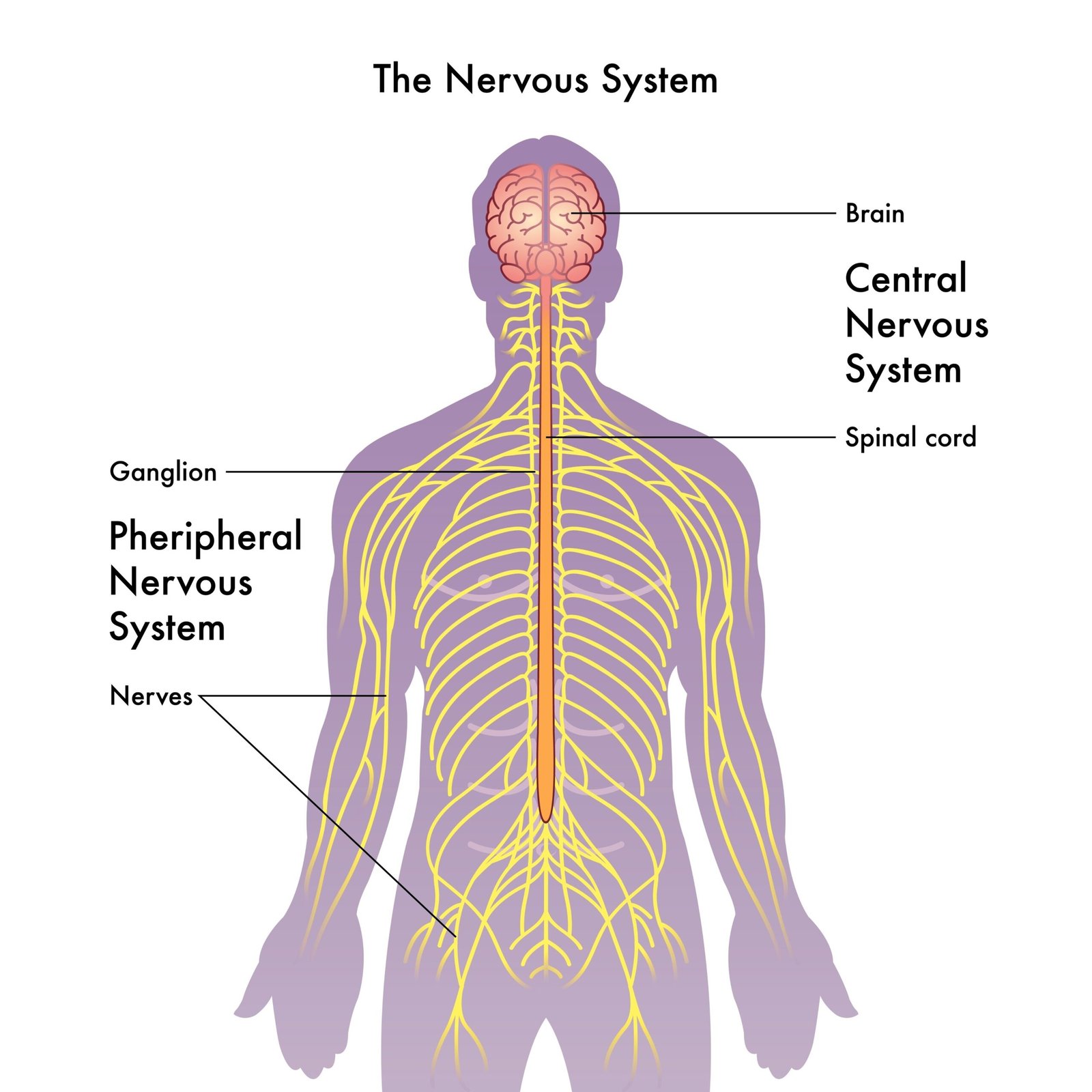
To understand your health, you must ask what nervous system regulation means in daily life. Regulation is not about being happy all the time. Instead, it is about flexibility. A regulated system can meet a challenge and then settle back down effectively.
Many people confuse regulation with suppression. Suppression involves pushing your feelings down or ignoring your physical sensations. This often leads to more internal stress over time. True nervous system and emotional regulation involve noticing your internal state. You learn to work with your body rather than against it.
Self-Regulation vs. Co-Regulation
You likely practiced co-regulation before you ever learned to help yourself. This process happens when one person’s calm state helps soothe another person. Think of a parent holding a crying infant. As the parent breathes deeply, the baby’s heart rate slows down too.
Nervous system regulation often begins with these safe social connections. As we grow, we learn self-regulation. This is the ability to use internal tools to manage our own spikes in stress. Both are essential for a healthy, vibrant life.
In clinical practice, I see many patients who treat their bodies like machines. They expect high performance without maintenance. I always tell them that your nervous system is your “operating system.” If the OS is glitchy, every other “app”—like digestion or sleep—will fail. Regulation is the ultimate software update for your health.
How the Nervous System Works
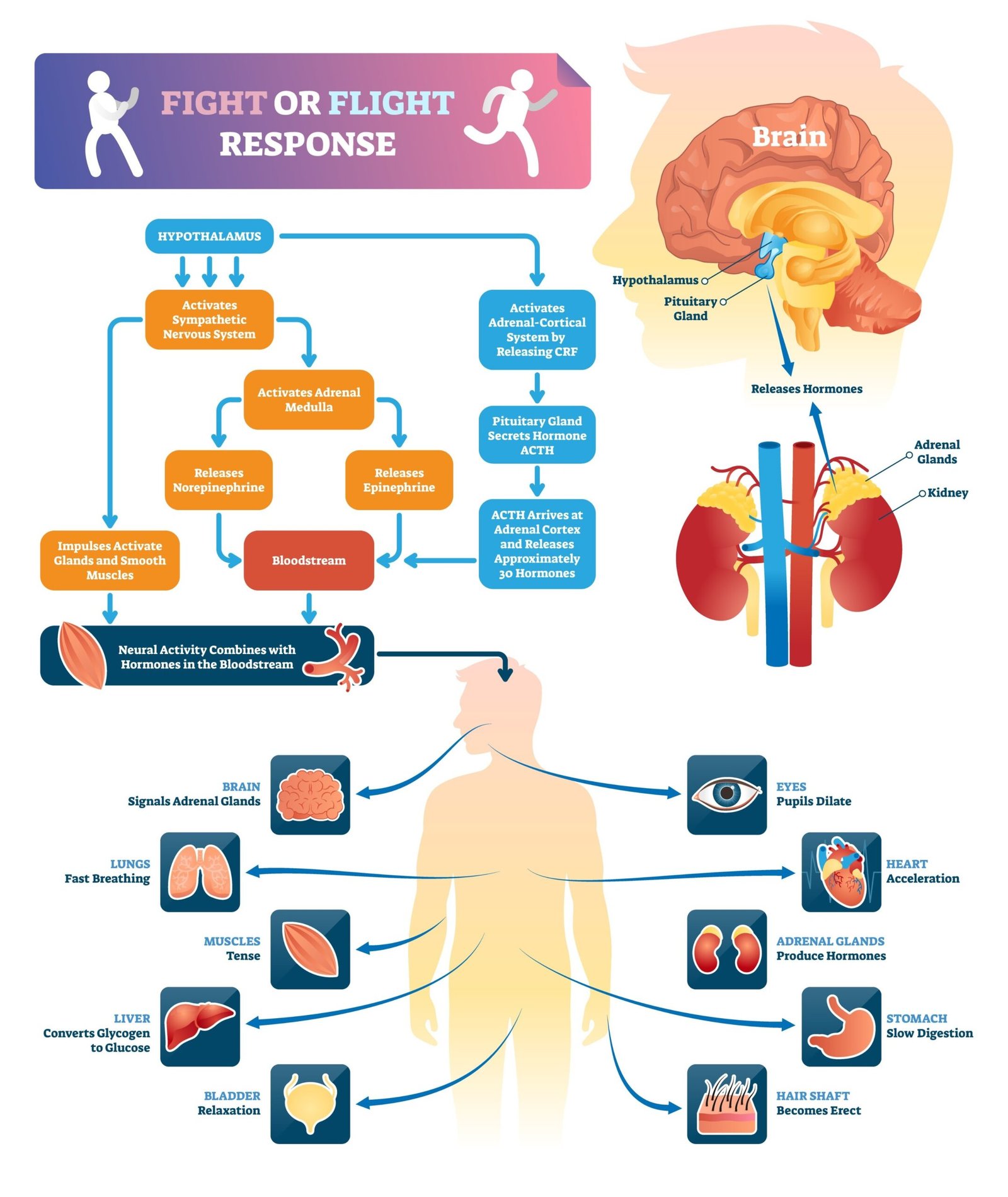
Your body relies on the autonomic nervous system regulation to stay alive. This system controls things you do not think about, like your heartbeat. It has two main branches that work like a gas pedal and a brake. What is the role of the sympathetic nervous system?
Think of it as your gas pedal. It prepares you for action when you perceive a threat or a challenge. This is the famous “fight or flight” response. It sends blood to your muscles and speeds up your breathing.
The Rest and Digest Response
On the other side, we have the parasympathetic branch. What is the role of the parasympathetic nervous system? This is your internal brake. It tells your body that you are safe. When this system is active, you can digest food properly.
Your heart rate slows down, and your immune system works at its best. Total health requires a balance between these two forces. You need the gas pedal to get out of bed and work. However, you need the brake to recover and heal.
Nervous System Dysregulation
If the gas pedal gets stuck, you experience dysregulation. This happens when your body stays in a high-alert state for too long. What are the signs of a dysregulated nervous system? Usually, it shows up as chronic anxiety or panic.
You might feel a “buzzing” sensation in your chest or limbs. Your mind might race with intrusive thoughts about the future. Over time, this state wears down your vital organs. It can lead to high blood pressure and chronic fatigue.
The Shutdown Response
Sometimes, the system becomes so overwhelmed that it simply shuts down. You might feel numb, cold, or disconnected from reality. This is often a sign of deep trauma or prolonged burnout. How do you fix a dysregulated nervous system when you feel this way?
The first step is awareness. You must recognize that these symptoms are your body’s way of trying to protect you. They are not signs of “weakness.” They are biological responses to a world that feels unsafe.
Physical Red Flags
Physical symptoms are often the most obvious signs of trouble. You might deal with frequent headaches or a tight jaw. Many people experience digestive issues like bloating or IBS. These happen because your body diverts energy away from digestion during stress.
What are the signs of a dysregulated nervous system in your sleep? You might find it hard to fall asleep, or you may wake up at 3:00 AM with a racing heart. These are clear signals that your “brake” is not engaging correctly.
Vagus Nerve & Trauma Dysregulation
The vagus nerve is the superstar of the parasympathetic system. It runs from your brain down to your abdomen. It carries signals of safety or danger throughout your entire body. What are the symptoms of vagus nerve dysregulation?
You might have trouble swallowing or feel a constant lump in your throat. Your voice might sound strained or monotone. Because the vagus nerve connects to your heart and gut, dysregulation here creates widespread “gut feelings” of dread.
Healing from Trauma
Trauma leaves a lasting imprint on your biology. It changes your “baseline” for what feels safe. How to regulate nervous system trauma effectively? It requires more than just talking about the past. You must teach your body that the danger is over.
This is why somatic (body-based) tools are so helpful. You use safety cues, like a warm blanket or a soft voice, to signal to the vagus nerve that you are okay. Over time, these cues help rewire your brain’s response to stress.
Summary Table
| State | System Active | Physical Signs | Mental State |
| Regulated | Balanced | Steady breath, relaxed muscles | Calm, focused, social |
| Sympathetic | Fight / Flight | Rapid heart rate, sweating | Anxious, irritable, hyper-aware |
| Dorsal Vagal | Shutdown | Low energy, coldness, numbness | Depressed, “spaced out.” |
How Long Does It Take to Heal a Dysregulated Nervous System?
Many patients ask me, how long does it take to heal a dysregulated nervous system? I wish I could give a single, simple date. However, healing is deeply personal and non-linear. You might feel immediate relief after a single breathing session.
Conversely, shifting your baseline “safety” levels often takes months of daily practice. Think of it like training a muscle. You cannot lift a heavy weight once and expect to be strong forever. Consistency is the key to lasting change.
Short-Term vs. Long-Term Recovery
In the short term, you can learn to “reset” after a stressful meeting. This usually takes just a few minutes of focused effort. But how to heal a dysregulated nervous system for the long haul? This involves neuroplasticity.
You are literally rewiring how your brain perceives the world. For most people, significant shifts in mood and physical health appear within 3 to 6 months. Factors like your current stress levels and past history play a large role here.
Why Nervous System Regulation Is Important
You might wonder why we focus so much on this one system. Why is nervous system regulation important for your future health? Beyond just feeling better, it changes your internal chemistry. Constant stress floods your body with cortisol.
This hormone can damage your heart and brain over time. By regulating, you lower your baseline inflammation. This protects you from chronic illnesses like autoimmune disorders and heart disease.
Benefits You Can Feel
What are the benefits of nervous system regulation in your daily life? First, your emotional stability will soar. You will find that small annoyances no longer ruin your entire day. Second, your cognitive focus improves significantly.
When you are not in survival mode, your brain can finally think clearly. You may also notice better digestion and more restful sleep. Essentially, regulation gives you your life back. It allows you to be present for the people you love.
Nervous System Regulation Techniques
To build a resilient body, you need a diverse toolkit. There is no “one size fits all” answer for what helps nervous system regulation. I generally categorize these methods into two types: bottom-up and top-down. Bottom-up techniques focus on the body first.
These are often the fastest ways to stop a panic attack. Top-down techniques focus on the mind. These help you change the way you think about stress before it takes over.
The Power of Relational Regulation
We also cannot forget the importance of nervous system regulation skills involving others. As humans, we are wired for connection. Sometimes, the best “technique” is simply sitting with a calm friend. Their steady heartbeat and soft voice act as a biological anchor for you.
Using a mix of these three categories—body, mind, and social—creates the most robust recovery plan. It ensures you have a tool for every possible situation life throws at you.
Nervous System Regulation Exercises
Let’s get practical with some nervous system regulation exercises you can do right now. One of the most effective tools is called “Orienting.” When you feel anxious, your brain thinks there is a hidden threat. Slowly scan the room and name five things you see.
This simple act tells your brain, “I am here, and I am safe.” It breaks the loop of internal worry by forcing you to engage with your actual surroundings.
Breathing and Temperature
Breathing is your direct line to the vagus nerve. Try “Box Breathing”: inhale for four seconds, hold for four, exhale for four, and hold for four. Also, consider temperature regulation. Splashing ice-cold water on your face triggers the “mammalian dive reflex.” This reflex instantly slows your heart rate.
These nervous system regulation exercises are scientifically proven to shift your state in under sixty seconds. They are your first line of defense against a spike in stress.
Somatic Exercises & Practices for Regulation
Somatic work goes deeper into the body’s stored tension. Somatic exercises for nervous system regulation involve noticing “felt senses.” For example, try a “Body Scan.” Start at your toes and move up, noticing where you feel tight or heavy.
Don’t try to change it; just notice it. This awareness alone can start to move the energy of stress. Another great tool is “Tension and Release.” Squeeze your fists as hard as you can, then let go completely.
Micro-Movements for Big Change
Sometimes, big movements are too much for an overwhelmed system. In these cases, somatic practices for nervous system regulation focus on micro-movements. Gently tilt your head from side to side. Notice the sensation of your feet pressing into the floor.
These tiny actions help you “ground” through sensation. They prove to your brain that you have control over your physical form. This sense of agency is the opposite of the helplessness felt during trauma.
Yoga, Massage & Physical Tools for Nervous System Regulation
Physical movement is a bridge to a calmer mind. Yoga for nervous system regulation is not about being flexible. It is about “interoception,” which is the ability to feel what is happening inside your body. Trauma-sensitive yoga avoids fast, jarring movements.
Instead, it uses slow, rhythmic poses that encourage safety. Similarly, a nervous system regulation massage can help. Gentle, predictable touch reduces cortisol and boosts oxytocin, the “cuddle hormone” that signals safety to the brain.
Sensory Tools and Props
Sometimes we need external help to feel grounded. Many of my patients find success with nervous system regulation tools like weighted blankets. The gentle pressure mimics a hug, which can soothe a frantic system.
You might also use “fidget” tools or sensory stones to keep your hands busy during high-stress moments. These tools are not “crutches.” They are valid ways to provide your body with the sensory input it needs to feel secure in the present moment.
Comparison of Regulation Approaches
| Approach | Primary Focus | Best Used For |
| Bottom-Up | Body sensations | Acute panic, physical tension |
| Top-Down | Thought patterns | Chronic worry, boundary setting |
| Relational | Social connection | Feelings of isolation or shame |
Nervous System Regulation for Kids
Children often lack the brain development to calm themselves down alone. Therefore, nervous system regulation for kids relies heavily on the adults around them. This is what we call co-regulation. If a parent stays calm during a tantrum, the child’s system eventually mimics that peace.
You can use play-based regulation to make this fun. For example, “animal breathing” or “slow-motion races” help kids learn to control their physical energy. These habits build a strong foundation for mental health later in life.
School and Home Strategies
At home, you can create a “calm-down corner” filled with soft textures and books. In schools, teachers use “brain breaks” to reset the classroom’s collective energy. These small windows of time allow the sympathetic system to rest.
When a child feels safe, their “social engagement system” turns on. This makes them better at learning and sharing with others. Teaching these skills early prevents the long-term effects of chronic stress.
Therapy for Nervous System Regulation
Sometimes, self-help tools are not enough. In these cases, seeking nervous system regulation therapy is a brave and vital step. Traditional talk therapy is helpful for many. However, for deep-seated trauma, you may need a “body-first” approach.
Somatic Experiencing (SE) and Sensorimotor Psychotherapy are excellent choices. These modalities help you process stored survival energy without having to relive the traumatic event through words.
Choosing the Right Modality
When considering nervous system regulation, consider your specific symptoms. If you struggle with vivid flashbacks, EMDR (Eye Movement Desensitization and Reprocessing) is highly effective. If you feel like different “parts” of you are at war, Internal Family Systems (IFS) can provide clarity.
This “nervous system-informed” approach helps you understand why your body reacts the way it does. Working with a clinician ensures you don’t overwhelm your system during the healing process.
Medication & Supplements
I often get asked about nervous system regulation medication. It is important to remember that medication is a tool, not a cure. For some, an SSRI or an anti-anxiety med can “lower the volume” of the stress response. This creates the space needed to practice regulation exercises.
Always work closely with a psychiatrist to find the right fit. Medication should ideally support your nervous system’s natural ability to find balance, rather than just masking the symptoms of distress.
Supplements for Your System
There are also several supplements for nervous system regulation backed by research. Magnesium glycinate is a favorite in my practice because it supports muscle relaxation and sleep. Omega-3 fatty acids are essential for nerve health and reducing brain inflammation.
L-theanine, found in green tea, can promote a “calm-alert” state without causing drowsiness. However, you must check for drug-supplement interactions. Always consult your doctor before starting any new regimen to ensure your safety.
Nervous System Regulation Research & News
The field of nervous system regulation research news is growing fast. Recent studies show a direct link between “vagal tone” and the body’s ability to fight off viruses. This means that regulation isn’t just about your mood; it is about your immune system, too.
Nervous system regulation news often highlights how trauma-informed care is changing our schools and prisons. We are finally moving away from asking “what’s wrong with you?” and toward “what happened to you?”
| Nutrient | Role in the Nervous System | Food Sources |
| Magnesium | Relaxes muscles, aids sleep | Spinach, pumpkin seeds, almonds |
| Omega-3s | Builds nerve cell membranes | Salmon, walnuts, chia seeds |
| B-Complex | Supports energy metabolism | Eggs, leafy greens, legumes |
| Zinc | Modulates stress response | Oysters, beef, pumpkin seeds |
Advanced Neuroscience Insight
You may wonder, based on the model, which of the following best explains how regulation of neurotransmitter release might increase the range of responses to a stimulus in the nervous system? The answer lies in “synaptic plasticity.” A regulated system does not just react; it chooses.
When you are regulated, your brain can fine-tune the release of chemicals like GABA and glutamate. This prevents a “one-size-fits-all” panic response. Instead, you develop a wide range of responses to life’s many challenges.
Regulation vs. Rigidity
A healthy system is flexible, not rigid. In neuroscience, we see that regulation allows the prefrontal cortex to stay connected to the amygdala. This connection acts like a volume knob on your emotions. Without it, you are either “on” or “off” with no middle ground.
By practicing these skills, you are building a more sophisticated brain. You move from a state of survival to a state of high-level adaptability.
How to Improve Nervous System Regulation Daily
Knowing how to do nervous system regulation is only half the battle. You must make it a habit. How to improve nervous system regulation starts the moment you wake up. Avoid reaching for your phone immediately. The blue light and stressful news can spike your cortisol too early.
Instead, try five minutes of gentle stretching. This “wakes up” your body through sensation rather than stress. It sets a calm tone for the rest of your day.
Midday Resets and Evening Downsifts
Throughout the day, ask yourself: “Is my jaw clenched?” If so, take a long exhale. Nervous system regulation also includes “downshifting” in the evening. Dim the lights and avoid intense exercise late at night. This signals to your brain that it is safe to enter the “rest and digest” state.
Consistency is much more important than intensity. Doing one minute of breathing five times a day is better than doing twenty minutes once a week.
Frequently Asked Questions
How do you fix a dysregulated nervous system?
You don’t “fix” it like a broken car. You “re-tune” it through daily safety cues. Use breathing, cold water, and social connection to teach your body that the present moment is safe.
What are some techniques for nervous system regulation?
Top techniques include “The Basic Exercise” (eye movements), box breathing, and somatic grounding. Even humming or singing can stimulate the vagus nerve and promote calm.
How long does it take to heal a dysregulated nervous system?
Most people feel a shift in days. However, changing your baseline response to trauma usually takes 3 to 6 months of consistent, daily practice.
What are the benefits of nervous system regulation?
You can expect better sleep, lower anxiety, and improved digestion. It also strengthens your immune system and helps you form deeper, more stable relationships.
What are the symptoms of vagus nerve dysregulation?
Common signs include chronic digestive issues, a fast resting heart rate, and feeling “shut down” or numb during minor stress.
What helps nervous system regulation the most?
The most powerful tool is a sense of safety. Whether that comes from a person, a pet, or a specific breathing exercise, safety is the “on switch” for regulation.
Conclusion
As we wrap up this guide, remember that your biology is not your destiny. If you feel overwhelmed, it is not because you are “weak.” It is because your nervous system is doing its job to protect you. However, you now have the tools to tell your body when the danger has passed. Nervous system regulation is a lifelong practice of returning to yourself. It is the most compassionate gift you can give your mind and body.
Normalize the moments when you lose your cool. Everyone becomes dysregulated sometimes. The goal is not to be perfect. The goal is to notice when you’ve drifted and have a plan to come back home to a state of calm. You have the power to rewire your response to the world. Take it one breath at a time.
Authoritative References
1. The Polyvagal Institute: Foundations of Regulation
2. National Library of Medicine (NIH): The Vagus Nerve and Emotion
3. Psychotherapy Networker: Clinical Application of Somatic Work
4. Harvard Health: Understanding the Stress Response
5. Greater Good Science Center (UC Berkeley): The Science of Co-Regulation
Related Posts



Subscribe to Our Newsletter
Get mental health tips, updates, and resources delivered to your inbox.
MORE from Author
Read More ADHD and depression often occur together, and each makes the other harder to live with. Adults with ADHD are almost…
 We all have "up" days and "down" days. Perhaps you feel energized after a promotion or sluggish on a rainy…
 To define bipolar disorder accurately, we must look at it as a chronic mood dysregulation condition. In psychology and medicine,…
Are you looking for a Therapist?
Connect with qualified mental health professionals who understand
bipolar disorder, mood changes, and emotional challenges.
Private • Supportive • Confidential