
How Escitalopram Works: Brain Chemistry, Timeline, and What Patients Should Expect
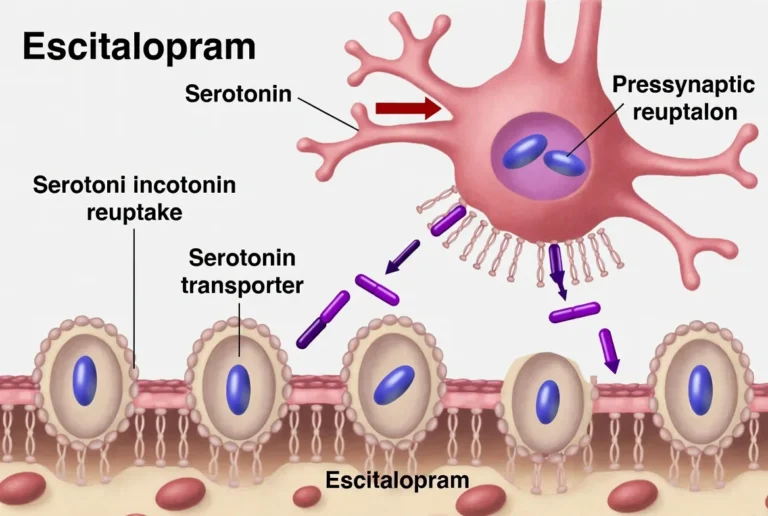
Are you considering starting a new mental health medication? It is completely normal to have questions about what is happening inside your body.
Escitalopram is a prescription antidepressant medication used to treat depression and anxiety disorders. It belongs to a very common class of medications known as selective serotonin reuptake inhibitors (SSRIs).
Many people starting this medication sit in my office and ask questions such as how escitalopram works, how long before escitalopram works, and how escitalopram affects the brain. Others know it by its brand name and wonder how long Lexapro takes to work.
In my practice, I find that understanding the science reduces medication anxiety. Therefore, this article will cover the science behind escitalopram. We will explore exactly how it affects brain chemistry and how long it takes to start working.
Furthermore, we will discuss how to know if the medication is effective and what patients typically experience during treatment. By the end, you will have a clear picture of escitalopram, how it works, and how it works in the brain.
What Escitalopram Is and What It Is Used For
Before diving into the biology, we must understand escitalopram usage. This medication is a powerful tool for mood stabilization. So, what is escitalopram used for?
Escitalopram is commonly prescribed for the following:
- Major Depressive Disorder (MDD): It helps lift the heavy fog of persistent sadness and lack of motivation.
- Generalized Anxiety Disorder (GAD): It calms the constant, exhausting cycle of worry.
- Panic Disorder (Off-label): It can reduce the frequency and severity of sudden panic attacks.
- Social Anxiety Disorder (Off-label): It helps lower the intense fear associated with social interactions.
You might be wondering, is escitalopram Lexapro? Yes. Escitalopram is the generic name, while Lexapro is the well-known brand name. Therefore, escitalopram, also known as Lexapro, contains the exact same active ingredient.
Is escitalopram an SSRI?
Yes, absolutely. Many patients ask, “Is escitalopram an SSRI?” SSRI stands for Selective Serotonin Reuptake Inhibitor. Doctors consider SSRIs the first-line treatment for depression and anxiety because they are generally safe and highly effective.
| Medication | Drug Class |
| Escitalopram | SSRI |
| Sertraline | SSRI |
| Fluoxetine | SSRI |
SSRIs are preferred because they target serotonin very specifically. Unlike older antidepressants, they have fewer effects on other neurotransmitters. Consequently, they usually produce fewer severe side effects.
How Escitalopram Works in the Brain
Understanding how escitalopram works in the brain empowers you as a patient. When people ask me how escitalopram works, I like to use a simple analogy. Imagine serotonin as a text message between two cell phones (your brain cells).
Mechanism of Action
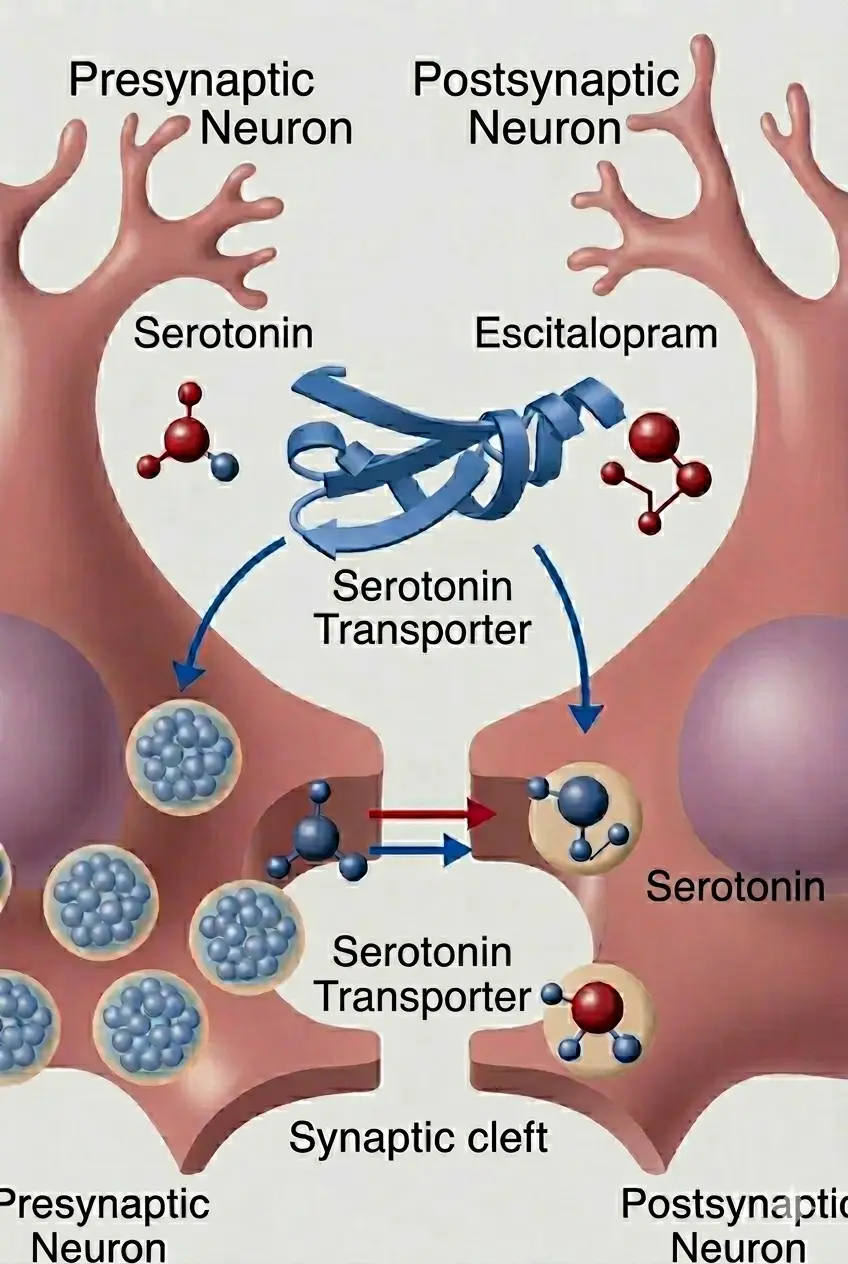
To understand exactly how escitalopram works, we must look at the synapse. The synapse is the tiny gap between your brain cells.
What is the mechanism of action of escitalopram?
Normally, one brain cell releases serotonin into the synapse to send a “good mood” message. Once the message is received, the first cell vacuums up the leftover serotonin to recycle it. This vacuuming process is called “reuptake.”
Escitalopram works by
- Blocking serotonin reuptake transporters: It literally plugs the vacuum.
- Increasing serotonin availability: Because the vacuum is plugged, serotonin stays in the gap longer.
- Improving communication: This prolonged exposure strengthens the “good mood” message between brain cells.
Serotonin is crucial for your overall well-being. It plays a major role in mood regulation, sleep cycles, appetite control, and anxiety management.
When patients are severely depressed, their executive function—the ability to plan, focus, and make decisions—is often compromised. As a psychologist, I notice that as escitalopram increases serotonin availability, it doesn’t just make people “happier.”
It actually restores the brain’s cognitive bandwidth. Patients suddenly have the mental energy to engage in therapy and utilize coping skills that previously felt impossible.
How Escitalopram Helps Anxiety and Depression
When treating mood disorders, we look closely at how escitalopram works for anxiety and depression. So, what does escitalopram do to your body and brain structure over time?
Escitalopram helps stabilize the emotional regulation circuits in your brain. Chronic stress and trauma can physically alter brain regions. Escitalopram encourages neuroplasticity, which is the brain’s ability to heal and form new, healthy pathways.
Specifically, it affects these key brain regions:
- Amygdala: This is the brain’s fear center. Escitalopram helps calm an overactive amygdala, reducing the physical panic response.
- Prefrontal Cortex: This area handles logical thinking. The medication helps strengthen the connection between the prefrontal cortex and the amygdala, allowing logic to override irrational fear.
- Hippocampus: This region manages memory and emotion. Depression often shrinks the hippocampus. SSRIs promote the growth of new neurons here, aiding in long-term recovery.
How Fast Escitalopram Works Compared to Other Antidepressants
Patients in severe distress often ask how fast escitalopram works compared to other options. Clinical data suggest that escitalopram may work slightly faster than some older SSRIs, but it still requires a commitment of several weeks.
| Medication | Average Onset of Noticeable Improvement |
| Escitalopram | 2–4 weeks |
| Sertraline | 3–6 weeks |
| Fluoxetine | 4–6 weeks |
Even though it might act faster, you must still give it at least six weeks before deciding if it is fully effective for you.
How Do You Know If Escitalopram Is Working?
Many patients sit in my office and ask, “How do you know if escitalopram is working?” First of all, the changes are usually very subtle. You rarely wake up feeling instantly cured. Instead, you might notice small, positive shifts in your daily routine.
Early signs that the medication is working include significantly reduced physical anxiety. In addition, you may experience a slightly improved mood and better sleep quality. Furthermore, your concentration often sharpens. Because your brain’s chemical balance is steadily improving, daily tasks simply feel less overwhelming.
You might notice that a stressful email no longer ruins your entire day. Or, perhaps you finally have the energy to cook dinner. These small victories strongly indicate that the medication is actively repairing your neural pathways.
What the First Weeks Often Feel Like
Understanding a real patient experience often helps calm medication fears. In my practice, I frequently observe patients panicking during the first week.
I recently treated a patient named David (name changed for privacy). He suffered from severe generalized anxiety. Because of this, his nervous system was completely exhausted. His executive function was heavily compromised. Therefore, he could barely manage his stressful job.
Week 1: The Adjustment
During week one, David experienced mild nausea. Also, he reported distinct sleep changes and a lingering headache. He wanted to quit the medication immediately.
I gently explained that these early symptoms are incredibly common. His brain was actively adjusting to the new serotonin levels. Therefore, we focused heavily on therapy tools and extreme patience.
Week 2–3: The Turning Point
By week three, David noticed gradual, undeniable changes. His intense morning dread slowly faded. Consequently, he experienced improved focus at work. His physical panic symptoms started to quiet down.
Week 4 and Beyond: Lasting Relief
Most noteworthy, by week six, David felt like himself again. The paralyzing anxiety was mostly gone. This clinical anecdote perfectly highlights why patience is absolutely essential. Symptoms improve gradually because your brain physically needs time to heal.
As a psychologist, I often warn patients about the “week two anxiety spike.” Sometimes, before the brain fully adapts to the increased serotonin, anxiety briefly feels worse. I teach my patients that this is a sign the medication is chemically engaging with their nervous system.
By utilizing deep breathing and good sleep hygiene during this spike, patients can successfully push through to the relief waiting on the other side.
Best Time to Take Escitalopram
Patients frequently wonder about their daily routine. What is the best time to take Lexapro for anxiety? Honestly, it depends entirely on your unique body chemistry.
Some people experience mild insomnia after taking their pill. Therefore, they should definitely take their dose early in the morning. Conversely, others feel deep fatigue and sleepiness.
For these patients, evening dosing is a much better strategy. Always consult your doctor’s specific recommendation before permanently changing your medication routine.
Escitalopram Dosage and Strength
Understanding your specific prescription is essential for your peace of mind. How strong is escitalopram compared to other drugs? It is highly effective even at very low milligram amounts.
| Dose | Typical Purpose |
| 5 mg | Gentle starting dose |
| 10 mg | Standard therapeutic dose |
| 20 mg | Maximum recommended daily dose |
Patients often ask me, ” Is 5 mg of Lexapro a low dose? Yes, 5 mg is generally considered a low starting dose. We use it to gently introduce the medication to your sensitive nervous system.
Next, they usually wonder, is 10 mg of Lexapro a low dose? No, 10 mg is actually the standard, highly effective therapeutic dose for most adults.
If your symptoms persist after several weeks, your doctor might carefully increase your dose to 20 mg. You must always follow your prescriber’s exact instructions regarding dose adjustments.
Side Effects of Escitalopram
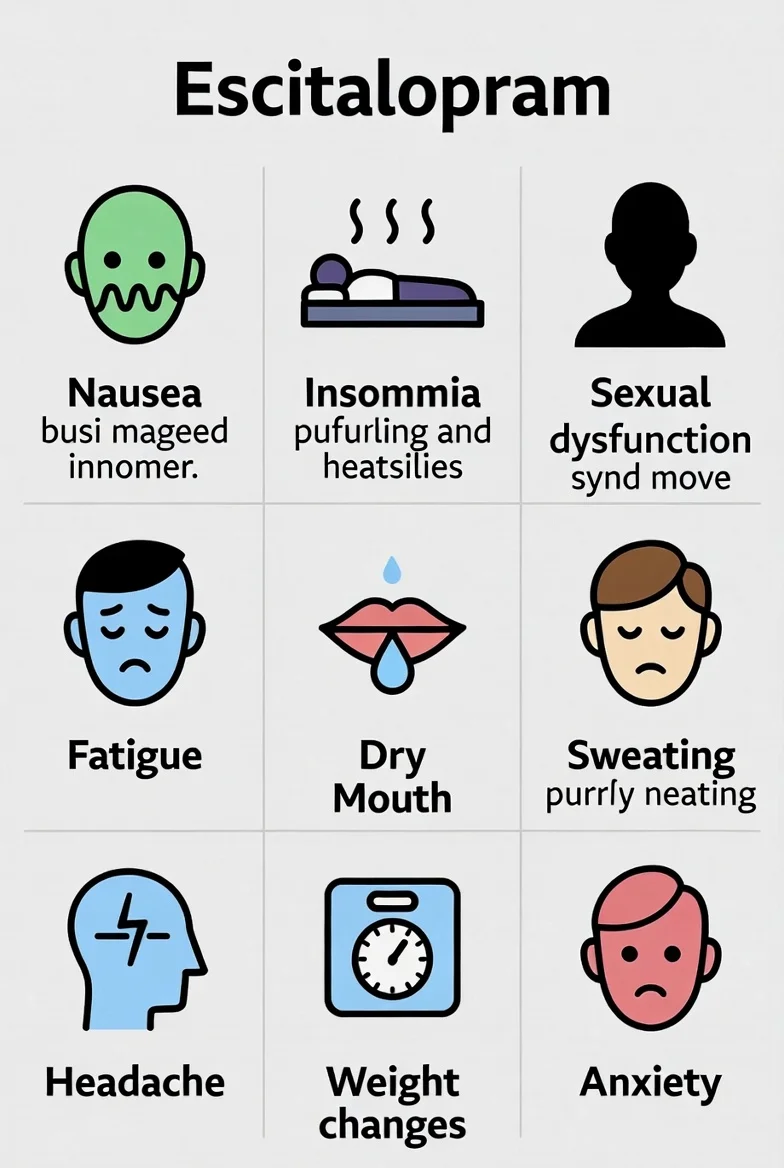
You must monitor the side effects of escitalopram closely. While doctors consider it very safe, your body definitely needs time to adjust.
Many patients experience Lexapro side effects in the first week. Common side effects include persistent nausea and tension headaches. Furthermore, you might experience frustrating insomnia or general daytime fatigue.
Another widely reported issue is sexual dysfunction. This can, unfortunately, include decreased libido or delayed orgasm.
Fortunately, many of these physical side effects improve significantly after the first month. If they severely impact your life, you must call your prescriber immediately.
Does Escitalopram Help With Sleep?
Sleep is foundational for maintaining good mental health. So, does escitalopram help you sleep? The answer is often yes, but usually in an indirect way.
When severe anxiety keeps you awake, reducing that anxiety naturally improves your sleep quality. Because your mind is finally quieter, you can rest. Furthermore, regulating serotonin helps stabilize your body’s natural circadian rhythms.
However, as I mentioned earlier, some patients do experience medication-induced insomnia. If this happens, simply adjusting your dosing time usually solves the problem.
Things to Know Before Taking Escitalopram
There are several critical things to know about escitalopram before you take your first pill. Safety must always come first.
First of all, you must absolutely avoid alcohol. Alcohol acts as a central nervous system depressant. Therefore, it completely counteracts your medical treatment and worsens depression.
In addition, you must check for possible drug interactions. Always tell your pharmacist about every single vitamin or supplement you take. Finally, never stop taking this medication abruptly.
Gradual discontinuation is absolutely required. Quitting cold turkey often triggers severe, highly uncomfortable withdrawal symptoms.
Frequently Asked Questions
Timeline for Noticeable Relief
Patients urgently want to know how long Lexapro takes to work. Lexapro usually begins improving symptoms within 2–4 weeks. However, you must wait 6–8 weeks to experience the full therapeutic benefits.
Strength and Efficacy of the Medication
People often ask if it is powerful enough. Is escitalopram a strong antidepressant? Yes, medical professionals consider escitalopram a moderately potent, highly effective medication. Doctors widely use it specifically because it maintains a remarkably favorable safety profile.
Direct Brain Chemistry Effects
Curiosity about biology is common. How does escitalopram affect the brain? Escitalopram significantly increases active serotonin in your brain’s synapses. Consequently, it helps physically regulate your mood and calms erratic emotional responses.
Systemic Body Impact
Finally, what does escitalopram do to your body as a whole? It primarily improves your daily mood and actively reduces physical anxiety symptoms. Furthermore, it may also positively influence your sleep cycles, stabilize your appetite, and sharpen your daily concentration.
Conclusion
Taking charge of your mental health is a massive, courageous step. To summarize, we have thoroughly explored how escitalopram works to heal your brain chemistry. We discussed the realistic medication timeline and exactly how to know if the medication is actively working for you.
Remember, healing your nervous system takes real time and dedicated patience. Your brain is actively rewiring itself for a healthier future. Most of all, keep an open, honest dialogue with your healthcare provider. If you feel overwhelmed, please reach out to your clinical team.
Disclaimer: Consult a doctor before starting or changing any medication. This content is for educational purposes only and does not replace professional medical advice or prescriptions.
Authoritative & References
Related Posts

Subscribe to Our Newsletter
Get mental health tips, updates, and resources delivered to your inbox.
MORE from Author
Read More In my practice as a clinical psychologist, I often observe that the difference between a patient who crumbles under pressure…
- We all have "up" days and "down" days. Perhaps you feel energized after a promotion or sluggish on a rainy…


 To define bipolar disorder accurately, we must look at it as a chronic mood dysregulation condition. In psychology and medicine,…
 To answer whether bipolar fits the bill, we first have to define what a neurodivergent person actually is. The term…


Are you looking for a Therapist?
Connect with qualified mental health professionals who understand
bipolar disorder, mood changes, and emotional challenges.
Private • Supportive • Confidential