
Why Do Bipolar Stop Taking Medication? Causes, Risks, Symptoms & What to Do

Medically reviewed by Carolina Estevez, Psy.D Updated Date: April 15, 2026

The journey of managing bipolar disorder is rarely a straight line. For many individuals and their loved ones, the most perplexing and heart-wrenching hurdle isn’t the diagnosis itself, but the moment the pill bottle stays closed. If you have ever asked, “Why do bipolar people stop taking medication?” you are touching upon one of the most significant challenges in modern psychiatry.
Medication adherence is the cornerstone of stability for Bipolar I and Bipolar II. Yet, statistics suggest that nearly half of those diagnosed will struggle with consistency at some point. Understanding why people with bipolar disorder stop taking medication requires looking past “stubbornness” or “denial.” It requires an empathetic deep dive into the unique way this condition affects the brain’s perception of health, the grueling reality of side effects, and the seductive pull of a rising mood.
This guide explores the biological, psychological, and social reasons behind medication non-adherence, the risks of stopping, and how families can navigate these turbulent waters with compassion and clinical insight.
The Reality of Medication Non-Adherence in Bipolar Care
When searching for why bipolar patients stop taking medication, it is important to realize that this is a global clinical phenomenon. Bipolar disorder has one of the highest rates of medication non-adherence among all chronic health conditions, including physical illnesses like diabetes or hypertension.
Research indicates that between 40% and 60% of patients stop or intermittently skip their doses within the first year of treatment. This isn’t usually a single, impulsive decision. Instead, it is often a slow drift.
Intentional vs. Unintentional Stopping
It is helpful to distinguish between two types of non-adherence:
- Unintentional: This occurs due to the cognitive fog that can accompany bipolar disorder. Forgetfulness, disorganized thinking during a manic “rush,” or the inability to keep up with pharmacy refills due to depression fall into this category.
- Intentional: This is a conscious choice. When a bipolar person is not taking medication intentionally, it is usually a response to how the medication makes them feel, a desire to reclaim a lost sense of self, or a lack of belief that the illness is still present
Why Do Bipolar People Stop Taking Medication?
There is rarely a single reason a person decides to walk away from their treatment plan. Usually, it is a “perfect storm” of the following factors.
The Illusion of Being “Cured”
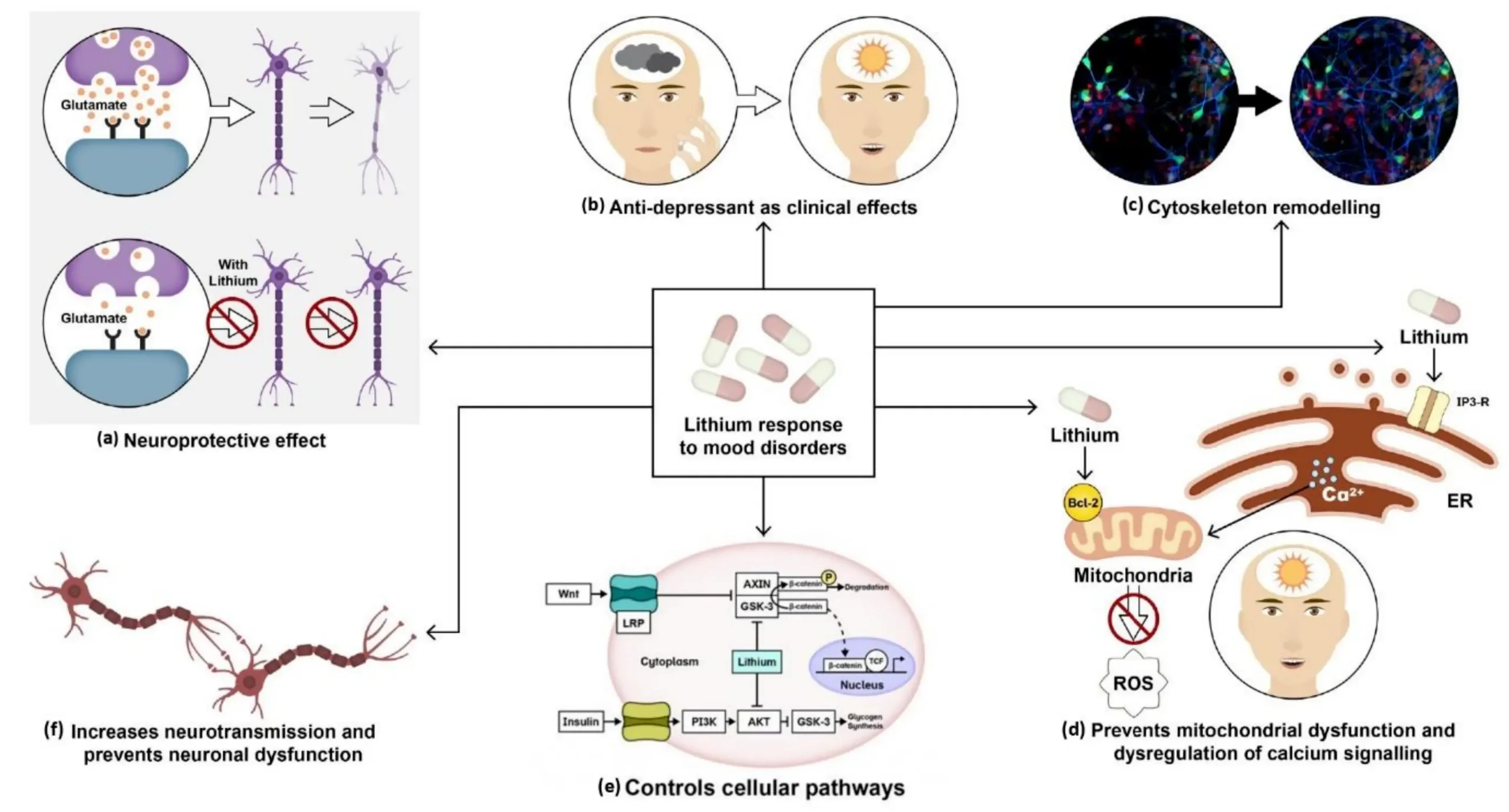
One of the most common answers to why people stop taking meds is, ironically, that the medication is working. When a mood stabilizer like Lithium or an antipsychotic successfully brings a person to “euthymia” (a stable, balanced mood), the symptoms of the illness vanish. Without the presence of pain or mania, the individual may conclude that the disorder has resolved itself. They feel “normal,” and in that state of normalcy, the daily reminder of a pill feels unnecessary.
Missing the “High” of Hypomania
Bipolar disorder is unique because one of its primary symptoms—hypomania—can feel incredibly good at first. Patients often report missing the “spark,” the heightened creativity, and the boundless energy that medication effectively dampens. To the outside world, mania looks like a crisis; to the person inside it, it can feel like their most authentic, vibrant self. Choosing to stop medication is often a desperate attempt to reconnect with that perceived brilliance.
Side Effects and “Emotional Blunting”
Many medications used to treat bipolar disorder are “heavy.” While they prevent the lows and highs, they can also narrow the range of human emotion. This is often called emotional blunting. Patients may feel they are living life in grayscale—no longer suicidal, but no longer capable of deep joy or spontaneous laughter. When the “cost” of stability feels like the loss of one’s personality, the temptation to stop becomes overwhelming.
Physical Toll: Weight Gain and Metabolic Issues
It is a hard truth in psychiatry that many effective bipolar medications (particularly certain atypical antipsychotics) carry significant metabolic side effects. Rapid weight gain, increased risk of diabetes, and sexual dysfunction are not just “vanity” concerns; they are profound quality-of-life issues that lead many to ask, “Can someone stop taking bipolar medication?” just to feel healthy in their own skin again.
Anosognosia: The Lack of Insight
In many cases, the brain’s “wiring” during an episode prevents the person from realizing they are ill. This clinical term, anosognosia, is not the same as being “in denial.” It is a physiological inability to perceive one’s own mental state. If a bipolar person not taking medication truly believes they are healthy, they view the medication as a poison or a tool of control rather than a treatment.
Reddit Perspectives: Lived Experience and Medication Resistance
If you look for why do bipolar stop taking medication Reddit threads, you will find a raw, unfiltered look at the patient experience. These forums are filled with stories that provide a different perspective than a clinical textbook.
Common Themes on Reddit:
- The Loss of Creativity: Many artists and writers on Reddit discuss how meds “killed their muse.”
- The “Zombie” Effect: A pervasive feeling of being slowed down or chemically restrained.
- The Weight of Stigma: Taking five pills a day serves as a constant, painful reminder of a “broken” brain.
While these discussions provide vital empathy, they also highlight a risk: lived experience is not medical guidance. Reddit threads often normalize stopping meds without a doctor’s supervision, which can lead to the dangerous “cold turkey” scenarios discussed later in this guide.
Psychological Resistance and Barriers to Care

Beyond the side effects, several psychological and social barriers contribute to why bipolar patients are not taking meds.
- Medication Fatigue: After ten or twenty years of daily dosing, “burnout” sets in. The sheer exhaustion of managing a lifelong illness can lead to a “rebellion” against the routine.
- Trust and the Provider Gap: If a patient feels their psychiatrist isn’t listening to their complaints about side effects, they are more likely to take matters into their own hands.
- Financial and Access Barriers: Even in 2026, the cost of brand-name stabilizers and the difficulty of navigating insurance can cause a person to “ration” or stop their medication entirely.
Can Someone Stop Taking Bipolar Medication? (Medical Context)
A frequent question from patients and families is: Can someone with bipolar disorder get off medication? From a strictly medical standpoint, the answer is complex. While bipolar disorder is currently considered a lifelong, chronic condition that requires ongoing management, the “dose” of that management can fluctuate.
Controlled Reduction vs. Total Cessation
In very rare, specific clinical scenarios, a psychiatrist might discuss a controlled reduction in medication. This usually only happens if a patient has been asymptomatic for several years, has a very stable lifestyle, and is under intense medical supervision. However, for the vast majority of people with Bipolar I, total cessation is not medically recommended because the underlying biological vulnerability remains.
Tapering: The Only Safe Path
If a patient and doctor agree to a change, the process must be a slow taper. This allows the brain’s neurochemistry to adjust to the absence of the drug. Can someone stop taking bipolar medication on their own? Physically, yes—but medically, the risk of doing so without a professional “exit strategy” is exponentially higher than staying on the medication itself.
What Happens If Someone Suddenly Stops Using Bipolar Meds?
The most dangerous scenario in bipolar care is when a person decides to stop their treatment “cold turkey.” Because psychotropic medications alter the balance of neurotransmitters like dopamine and serotonin, removing them abruptly creates a chemical vacuum in the brain.
The Risk of Rebound Mania
When you ask what happens if someone suddenly stops using bipolar meds, the most immediate threat is rebound mania. This is not just a return of previous symptoms; it is often a more severe, more rapid, and more treatment-resistant episode than the patient has ever experienced. The brain, suddenly deprived of its stabilizing “brakes,” overcompensates by firing neurons at an uncontrollable rate.
Withdrawal Symptoms and Physical Distress
Beyond the mood shift, stopping bipolar medication cold turkey can lead to physical withdrawal, often referred to as “discontinuation syndrome.” Symptoms include:
- Extreme dizziness and “brain zaps” (electrical sensations in the head)
- Severe nausea and digestive distress
- Profound insomnia that immediately triggers mood instability
- Intense irritability and agitation
Increased Hospitalization Risk
Statistics show that patients who stop medication abruptly are significantly more likely to require emergency psychiatric hospitalization within 60 days compared to those who remain adherent. The “crash” following the sudden stop is often so deep that outpatient care is no longer sufficient to maintain safety.
Bipolar Off Meds Symptoms: What to Watch For
When a bipolar person is not taking medication, the symptoms often return in a specific sequence. Recognizing these early warning signs can be the difference between a minor adjustment and a major life crisis.
Early Warning Signs (The “Prodromal” Phase)
Before a full manic or depressive episode hits, subtle bipolar off-meds symptoms appear:
- The “Vibrant” Shift: The person seems unusually witty, energetic, or “sharper” than usual.
- Decreased Need for Sleep: This is the #1 red flag. If they are staying up until 3:00 AM and waking up refreshed at 6:00 AM, a manic episode is likely imminent.
- Increased Irritability: They may become “prickly” or defensive, especially if asked about their medication.
Full-Scale Symptomatic Return
As the chemical balance further destabilizes, the symptoms become more overt:
- Impulsivity: Spending money they don’t have, hypersexuality, or sudden “life-changing” decisions (like quitting a job).
- Pressured Speech: Talking so fast that others can’t intervene, jumping from topic to topic.
- Cognitive Disorganization: An inability to focus on simple tasks or follow a conversation.
Why Do Bipolar People Go Silent When Off Medication?

One of the most distressing experiences for loved ones is when the person suddenly cuts off communication. Many wonder, “Why do bipolar people go silent?” when they are off their meds.
The Shutdown of Depression
If the person has dropped into a depressive pole, the silence is often a result of “psychomotor retardation.” The simple act of sending a text or answering a phone feels like lifting a thousand-pound weight. They aren’t ignoring you; they are physically and mentally paralyzed by the weight of the depression.
Paranoia and Manic Withdrawal
In a manic or mixed state, the silence may stem from a different source: paranoia. Without the stabilizing effect of medication, the brain can misinterpret the concern of loved ones as “interference” or “persecution.” They may go silent because they feel they can no longer trust anyone who wants them to get back on their treatment.
Long-Term Impact: What Happens If a Bipolar Person Stops Their Meds?
The danger of being off medication isn’t just about the immediate episode; it’s about the long-term health of the brain. When we look at what happens if a bipolar person stops taking their meds over several years, the outlook becomes more concerning.
- Neurotoxicity and Brain Changes: Each untreated manic or depressive episode can be “neurotoxic,” meaning it causes structural changes in the brain that make future episodes more frequent and harder to treat.
- Kindling Effect: This theory suggests that the more episodes a person has, the “easier” it is for the next one to be triggered. Eventually, episodes can occur without any external stress at all.
- Functional Decline: Constant cycling leads to a breakdown in relationships, career stability, and financial security. The “last stage” of untreated bipolar (though not a clinical term) is often a state of permanent cognitive and social disability.
When Bipolar Won’t Take Meds: What Loved Ones Can Do
Watching a family member or partner descend into instability is an agonizing experience. Often, the more you push, the further they pull away. Knowing how to deal with a bipolar person not on medication requires a delicate balance of firm boundaries and radical empathy.
Communication Strategies That Work
When bipolar won’t take meds, avoid the “logic trap.” During a mood episode, the frontal lobe (the part of the brain responsible for logic) is often offline.
- The LEAP Method: Listen, Empathize, Agree, and Partner. Instead of saying “You’re sick, take your pills,” try “I hear that you hate how tired the meds make you. I want you to feel energetic too. Let’s talk to the doctor about a different dose so you can feel better.”
- Focus on Goals, Not Symptoms: If they want to keep their job or finish school, frame medication as the tool that protects those goals, rather than a “fix” for being “broken.”
Setting Healthy Boundaries
You cannot “control” another adult’s health. If the bipolar person is not taking medication, you must decide what you can and cannot tolerate.
- Define Your Limits: “I love you, but I cannot stay in the house if there is active mania and no medical oversight.”
- Avoid the “Enabler” Trap: Providing financial or emotional cover for the consequences of being off-meds can sometimes delay the person’s realization that they need help.
Why Don’t Schizophrenics Take Medication? (Clarifying Comparison)
In search results, the question “why don’t schizophrenics take medication” often overlaps with bipolar queries. While the two disorders are distinct, they share a common barrier: anosognosia.
In both schizophrenia and severe Bipolar I, the brain’s “self-monitoring” hardware is damaged. To a person in a psychotic or highly manic state, the medication feels like an external attack on their reality. Additionally, both groups face a high “stigma burden”—the daily act of taking medication is a psychological weight that many try to throw off to feel “normal.” Understanding this overlap helps caregivers realize that non-adherence is a symptom of the brain’s biology, not a flaw in the person’s character.
What Is the Last Stage of Bipolar Disorder? (Myth vs. Reality)

There is a common misconception about what the last stage of bipolar disorder is. Unlike a terminal illness, bipolar disorder does not have a “Stage 4.” However, it is a progressive condition if left untreated.
The “final stage” of untreated bipolar disorder is often characterized by Cognitive Impairment and Treatment Resistance. After decades of “cold turkey” stops and untreated episodes, the brain loses some of its plasticity. Memory, attention, and executive function can decline, and medications that once worked may no longer be effective. This is why consistent treatment is not just about today’s mood—it is about protecting the brain for the next thirty years.
The “Reddit Effect”: Digital Communities and Medication Resistance
In the modern era, the question “why do bipolar people stop taking medication reddit” appears in search logs for a reason. Online forums have changed how patients view their treatment. While these communities offer vital peer support, they also create a “feedback loop” of medication resistance.
The Loss of the “Creative Edge”
A recurring theme in digital spaces is the fear that mood stabilizers “kill the soul.” For artists, musicians, and writers, the hypomanic “spark” is often tied to their livelihood.
- The Community Echo: When a user posts about feeling “flat” or “uninspired” on Lithium, hundreds of comments often validate the idea that the medication is a cage.
- The Dangerous Comparison: Users often compare their “best” manic selves to their “medicated” average selves, leading to a distorted view where the illness is seen as a gift and the medicine as a thief.
Bipolar Person Not Taking Medication: The Sensory and Social Breakdown
When we look at a bipolar person not taking medication, we are witnessing more than just a mood swing; we are seeing a total breakdown in how the brain processes the world. This explains the specific behavioral symptoms that loved ones find most confusing.
Sensory Gating Failure
Healthy brains have a “filter” that ignores background noise, bright lights, and irrelevant data. In a bipolar brain without chemical stabilization, this filter collapses.
- The Overload: Every sound is too loud; every light is too bright; every touch is too much.
- The “Silence” Explained: This is often why bipolar people go silent. They aren’t being rude; they are in a state of sensory “whiteout.” Withdrawing into total silence is the only way to prevent a complete nervous system short-circuit.
What Happens If You Stop Bipolar Meds Long-Term? (Advanced Risks)

The long-term consequences of stopping bipolar medication go beyond simple relapse. There is a cumulative “wear and tear” on the brain known as Allostatic Load.
The Risk of Permanent Cognitive Impairment
Bipolar disorder is increasingly viewed by researchers as a “neuroprogressive” condition. Each untreated episode—especially those triggered by stopping medication—can cause physical changes in the brain:
- Gray Matter Loss: Chronic cycling is linked to a reduction in the volume of the hippocampus, which handles memory and emotional regulation.
- The “Dementia” Connection: There is growing evidence that long-term untreated bipolar disorder increases the risk of developing cognitive decline or dementia later in life.
Rapid Cycling and Treatment Resistance
Perhaps the most terrifying risk of stopping bipolar medication cold turkey is that the original medication may never work as well again.
- The “Switch”: When the brain is forced into a rebound manic episode, it creates new neural pathways.
- The Resistance: When the patient eventually tries to go back on the medication, they may find they are now “treatment-resistant,” requiring much higher doses or more aggressive drug combinations to achieve the same stability they once had.
When Bipolar Won’t Take Meds: The Role of “Social Rhythms.”
If you are wondering how to deal with a bipolar person not on medication, the answer often lies in their environment. Medication is the “hardware” fix, but the “software” fix is Social Rhythm Therapy (IPSRT).
Stabilizing the “Body Clock”
The bipolar brain has a fragile circadian rhythm. Even if someone is resistant to meds, caregivers can help by stabilizing “social zeitgebers” (time-givers):
- Light Exposure: Ensuring the person sees sunlight at the same time every morning.
- Meal Times: Eating at consistent intervals to regulate metabolic hormones.
- Sleep Hygiene: Since sleep loss is the #1 trigger for mania, protecting the sleep cycle is the most effective non-medical intervention.
Frequently Asked Questions
Why do bipolar patients stop taking medication?
The most common reasons include missing the energy of hypomania, experiencing “emotional blunting,” suffering from physical side effects like weight gain, or the belief that they are “cured” once their mood stabilizes.
Can someone stop taking bipolar medication?
Medically, it is strongly discouraged for Bipolar I. Any change in medication must be done via a slow, supervised taper with a psychiatrist to avoid rebound mania or severe withdrawal.
What happens if someone suddenly stops using bipolar meds?
Stopping “cold turkey” can trigger a severe “rebound” episode, rapid cycling, or intense physical withdrawal symptoms like brain zaps, insomnia, and extreme agitation.
Why do bipolar people go silent?
Silence is usually a symptom of a depressive shutdown or manic paranoia. It is rarely a lack of care for others; rather, it is a sign that the brain is overwhelmed by the illness.
When bipolar won’t take meds, what should I do?
Use the LEAP method to empathize, set clear boundaries for your own safety, and focus on helping them achieve their personal goals through stability rather than arguing about the diagnosis.
Conclusion
The question of why bipolar individuals stop taking medication is one with deep roots in biology, psychology, and the human desire for autonomy. If you are the one struggling to stay on your meds, know that your desire to feel “normal” or “creative” is valid—but the path to those things is safer through a partnership with your doctor than through a sudden stop.
If you are a caregiver, remember that a bipolar person not taking medication is often a person who is frightened, confused, or physically uncomfortable. By replacing blame with boundaries and “lectures” with empathy, we can create an environment where staying on medication feels less like a sentence and more like a bridge to a stable, fulfilling life.
Stability is possible, but it is a team sport. Whether it’s 2026 or decades into the future, the most effective treatment for bipolar disorder remains a combination of the right chemistry and the right community.
Authoritative References
1. National Institute of Mental Health (NIMH)
2. National Alliance on Mental Illness (NAMI)
3. Journal of Clinical Psychiatry (via PubMed/NLM)
5. Mayo Clinic

Related Posts




Subscribe to Our Newsletter
Get mental health tips, updates, and resources delivered to your inbox.
MORE from Author
Read More Watching someone you care about struggle with bipolar depression and anxiety can be heartbreaking. You may notice that they withdraw…
 In my practice as a clinical psychologist, I often observe that the difference between a patient who crumbles under pressure…
 We all have "up" days and "down" days. Perhaps you feel energized after a promotion or sluggish on a rainy…
 To define bipolar disorder accurately, we must look at it as a chronic mood dysregulation condition. In psychology and medicine,…
Are you looking for a Therapist?
Connect with qualified mental health professionals who understand
bipolar disorder, mood changes, and emotional challenges.
Private • Supportive • Confidential