
Borderline Personality Disorder Symptoms: A Comprehensive Clinical Guide

Medically reviewed by Laura Athey Updated Date: February 7, 2026
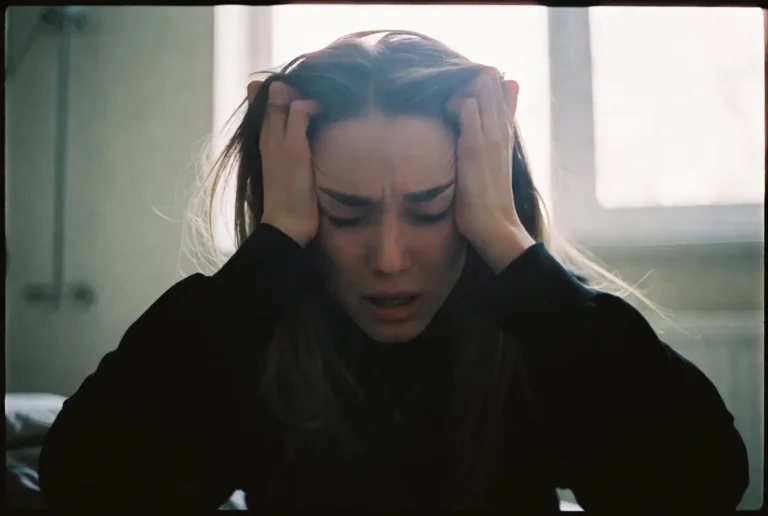
Borderline Personality Disorder (BPD) is one of the most frequently searched yet profoundly misunderstood mental health conditions in modern psychiatry. For those experiencing it, life can feel like an unending emotional roller coaster; for loved ones, it can feel like navigating a landscape where the weather changes without warning. However, at the heart of borderline personality disorder symptoms lies a core struggle with emotional regulation—a “thinness of skin” that makes the world feel more intense, more painful, and more volatile than it does for others.
What is Borderline Personality Disorder?
To understand what are the symptoms of borderline personality disorder, one must first look past the behavioral “outbursts” often portrayed in the media and focus on the internal experience. BPD is a pervasive pattern of instability in interpersonal relationships, self-image, and affect, along with marked impulsivity. What are the main symptoms of borderline personality disorder? They are generally categorized into nine clinical criteria, but they manifest as a deep-seated fear of abandonment and a chronic difficulty in maintaining a stable sense of self.
It is crucial to recognize that BPD symptoms exist on a spectrum. No two individuals experience the disorder in exactly the same way. While one person might struggle with externalized anger, another might experience “Quiet BPD,” where the turmoil is turned entirely inward. By addressing these symptoms with empathy and clinical clarity, we can begin to dismantle the stigma that has historically prevented many from seeking life-changing treatment.
What Are the 9 Main Symptoms of Borderline Personality Disorder? (DSM-5 Breakdown)
The Diagnostic and Statistical Manual of Mental Disorders, Fifth Edition (DSM-5) outlines nine specific criteria for a BPD diagnosis. To meet the clinical threshold, an individual typically must exhibit at least five of these nine symptoms of borderline personality disorder.
Fear of Abandonment
The fear of abandonment in borderline personality disorder is perhaps the most defining characteristic. This isn’t just a standard worry about a breakup; it is a frantic, visceral terror that can be triggered by something as simple as a partner being late for dinner or a friend canceling plans. The individual may go to extreme lengths—pleading, tracking, or even threatening self-harm—to prevent a perceived separation.
Unstable and Intense Relationships
People with BPD often experience unstable relationships. This is characterized by “splitting,” or black-and-white thinking. In an instant, a loved one can move from being “perfect” (idealization) to “evil” or “uncaring” (devaluation). This volatility makes long-term stability difficult, as the relationship is constantly weathered by these emotional extremes.
Identity Disturbance
A hallmark of BPD is a shifting sense of self. One day, the individual may feel confident in a specific career path or belief system; the next, they feel like a complete stranger to themselves. This “chameleon” effect involves changing values, goals, and even personality traits depending on who they are with, leading to a profound sense of “who am I?”
Impulsivity
BPD involves risky, impulsive behaviors in at least two areas that are potentially self-damaging. This can include:
- Excessive spending or gambling
- Unsafe sexual encounters
- Substance abuse
- Reckless driving
- Binge eating
Recurrent Self-Harm or Suicidal Behavior
Tragically, BPD is associated with high rates of non-suicidal self-injury (NSSI) and suicidal gestures. These actions are often used as a maladaptive way to regulate unbearable emotional pain or to feel something when a person is experiencing dissociative numbness.
Affective Instability
Often described as “emotional hyper-reactivity,” this symptom involves intense episodic mood shifts. Unlike bipolar disorder, where moods last weeks, BPD mood swings usually last only a few hours. A person may move from intense irritability to profound despair or anxiety in a single afternoon.
Chronic Feelings of Emptiness
Many individuals describe a literal physical sensation of a “hole” in their chest or a persistent feeling of “nothingness.” This emptiness is often what drives the impulsivity, as the individual tries to fill the void with external stimulation.
Inappropriate or Intense Anger
This is often referred to as “borderline rage.” It involves difficulty controlling temper, frequent displays of sarcasm, or even physical fights. The anger is usually disproportionate to the triggering event and is followed by intense shame and guilt.
Stress-Dependent Paranoid Ideation or Dissociation
During periods of extreme stress, an individual may experience stress-dependent paranoid ideation (feeling like others are plotting against them) or dissociative symptoms. Dissociation feels like being “spaced out,” watching yourself from outside your body, or feeling that the world around you isn’t real.
How Do People With BPD Act? Behavioral Patterns Explained
Understanding how people with BPD act requires looking at the “why” behind the behavior. To an outsider, the actions may seem manipulative or inconsistent, but to the individual, they are survival mechanisms.
External Behaviors vs. Internal Experience
When someone asks how to tell if someone has BPD, they are usually looking at the “acting out” behaviors. For example, a person might suddenly block a friend on social media after a minor disagreement. While this looks like an extreme overreaction, the internal experience is one of total emotional annihilation. They “act out” to protect themselves from the pain they perceive is coming.
Role of Emotional Triggers
The signs and symptoms of borderline personality disorder are almost always reactive. While a person with depression might be low regardless of their environment, a person with BPD is highly sensitive to interpersonal cues. Their “behavioral outbursts” are usually a response to a trigger—most commonly a perceived rejection or an invalidating comment.
Borderline Personality Disorder Symptoms in Relationships

The arena where borderline personality disorder symptoms in relationships are most visible is in intimacy. Because BPD is essentially a disorder of attachment, the closer someone gets, the more the symptoms are triggered.
Splitting: Idealization vs. Devaluation
What triggers BPD splitting? Usually, it is a perceived slight. If a partner forgets an anniversary, the “splitting” mechanism flips. The partner moves from the “all-good” category to “all-bad.” This makes the relationship feel like a series of highs and lows with very little middle ground.
Conflict Cycles and Reconciliation
Relationships with BPD often follow a “Push-Pull” pattern:
- The Push: The individual feels too vulnerable or fears rejection, so they lash out or withdraw to protect themselves.
- The Pull: Fearing they have finally driven the person away, they engage in “frantic efforts” to reconnect, often being incredibly affectionate and apologetic.
BPD Symptoms by Gender and Age
While the core criteria remain the same, borderline personality disorder symptoms can present differently depending on the demographic.
1. Borderline Personality Disorder Symptoms in Females / Women
Borderline personality disorder symptoms in women are often characterized by internalized distress. Women are more likely to experience co-occurring eating disorders, anxiety, and depression.
- Emotional Masking: Many women become experts at “masking” their symptoms in public, only to have emotional collapses in private.
- Misdiagnosis: Because symptoms can look like “typical” depression, women are frequently misdiagnosed for years before receiving a BPD label.
2. Borderline Personality Disorder Symptoms in Males / Men
Borderline personality disorder symptoms in men are frequently externalized, leading to a high rate of underdiagnosis or misdiagnosis as Antisocial Personality Disorder or simple “anger issues.”
- Externalized Anger: Men may show more physical aggression or explosive “road rage” types of behavior.
- Substance Use: There is a higher overlap with drug and alcohol abuse in men, as they use these substances to “numb” the emotional intensity they feel but are socialized not to express.
3. Borderline Personality Disorder Symptoms in Teens
When do symptoms of borderline personality disorder start? Usually in late adolescence or early adulthood. However, identifying borderline personality disorder symptoms in teens is difficult because puberty itself involves mood swings and identity confusion.
- Warning Signs: Look for extreme sensitivity to peer rejection, frequent self-harm (which is not “just a phase”), and a complete lack of a stable sense of self that persists beyond typical teenage rebellion.
Quiet, Petulant, and Other Subtypes of BPD
While the DSM-5 provides a general list, many clinicians recognize 4 types of borderline personality disorder, which help explain the diversity of the disorder.
- Quiet BPD: The individual “acts in.” Instead of exploding at others, they experience intense self-hatred, isolation, and internalized rage.
- Petulant BPD: Characterized by being sullen, impatient, and stubborn. They often feel unloved and unappreciated, leading to passive-aggressive behavior.
- Impulsive BPD: The “thrill-seeker.” They are often charismatic and energetic but engage in dangerous levels of impulsivity.
- Self-Destructive BPD: Dominated by a sense of self-loathing that leads to self-harm, reckless driving, or sabotaging their own success.
Causes of Borderline Personality Disorder Symptoms
No one wakes up and chooses to have BPD. The causes of borderline personality disorder symptoms are a complex “Bio-Social” cocktail.
- Genetics: There is a strong hereditary link. If a first-degree relative has BPD, you are statistically more likely to develop it.
- Neurobiology: Brain scans show that in BPD, the amygdala (the emotional alarm system) is hyper-reactive, while the prefrontal cortex (the logical brakes) is under-active.
- Invalidating Environments: Growing up in a home where your emotions were dismissed (“Stop crying or I’ll give you something to cry about”) teaches a child that their emotions are wrong, leading to the chronic dysregulation seen in BPD.
BPD vs. Bipolar Disorder: Symptom Comparison
One of the most common reasons people seek information is to differentiate borderline personality disorder symptoms from bipolar disorder. While they share mood instability, they are fundamentally different.
| Feature | Borderline Personality Disorder (BPD) | Bipolar Disorder |
| Mood Duration | Minutes to hours; rarely more than a day. | Weeks to months (Mania or Depression). |
| Triggers | Almost always interpersonal (rejection, conflict). | Often random/biological; can be triggered by sleep loss. |
| Relationships | Highly unstable; central to the disorder. | Can be stable between mood episodes. |
| Treatment | Primarily Therapy (DBT). | Primarily Medication (Mood Stabilizers). |
Official Diagnostic & Clinical Perspectives
When looking for borderline personality disorder symptoms, NHS or borderline personality disorder symptoms, the consensus is clear: BPD is a legitimate, treatable mental health condition.
- The NHS emphasizes the “emotionally unstable” nature of the disorder and focuses on the high prevalence of childhood trauma.
- The NIMH highlights the importance of the nine symptoms of borderline personality disorder and provides extensive research into the genetic and neurobiological roots of the condition.
Do I Have Borderline Personality Disorder Symptoms?
If you are taking a borderline personality disorder symptoms test, remember that an online borderline personality disorder test is a screening tool, not a diagnosis.
Common Screening Questions:
- Do you find that your relationships are “all or nothing”?
- Do you feel like you have no real sense of who you are?
- Do you often feel “numb” or empty inside?
- Do you engage in impulsive behaviors to cope with stress?
If you answered “yes” to most of these, it is time to seek a professional evaluation with a psychiatrist or licensed therapist specializing in personality disorders.
How to Deal With Borderline Personality Disorder Symptoms
Learning how to deal with borderline personality disorder symptoms requires a shift from “controlling” emotions to “regulating” them.
- Dialectical Behavior Therapy (DBT): The gold standard of borderline personality disorder treatments. It teaches mindfulness, distress tolerance, and emotional regulation.
- Crisis Planning: Because BPD symptoms often involve self-harm, having a “safety plan” is essential.
- Medication: While no FDA-approved drug “cures” BPD, medications like mood stabilizers or low-dose antipsychotics can help dampen the “peaks” of the emotional roller coaster.
BPD Symptoms in Online Communities & Reddit Discussions

A search for borderline personality disorder symptoms on Reddit reveals a vibrant community of people sharing lived experiences. These communities can be incredibly validating, helping people realize they aren’t “crazy” or “bad.” However, the risk of self-diagnosis is high. Lived-experience narratives should be used for support, while clinical professionals should be used for diagnosis and treatment.
A common misconception is that borderline personality disorder symptoms are a life sentence. However, longitudinal research—most notably the McLean Study of Adult Development—has revolutionized our understanding of the disorder’s prognosis.
Symptom Remission vs. Recovery
Data shows that BPD has a surprisingly high rate of “symptom remission.” Within ten years of a diagnosis, up to 86% of patients no longer meet the full DSM-5 criteria for the disorder.
- The “Vanishing” Symptoms: The most impulsive behaviors, such as self-harm, substance use, and explosive rage, tend to decline most rapidly with age and treatment.
- The Persistent Symptoms: Internalized symptoms, such as the chronic feeling of emptiness and the fear of abandonment, often take longer to resolve and require deeper therapeutic work.
The Concept of “Life Worth Living”
In DBT, the goal isn’t just to stop the symptoms; it is to build a “Life Worth Living.” This involves moving beyond the absence of crisis and toward the presence of meaningful goals, stable employment, and fulfilling, non-volatile relationships.
Supporting a Loved One: Strategies for Family and Partners
If you are close to someone with the disorder, learning how to deal with borderline personality disorder symptoms in a partner or family member is a journey of “radical acceptance.”
The Power of Validation
Validation is the primary tool for de-escalating BPD symptoms. Validation does not mean you agree with the person’s behavior; it means you acknowledge the emotion behind it.
Example: Instead of saying, “You’re overreacting because I’m ten minutes late,” try: “I can see that my being late made you feel anxious and unimportant to me. I understand why that’s painful.”
Setting and Maintaining Boundaries
Boundaries are the “guardrails” of a relationship with a person with BPD. Without them, the relationship will likely collapse under the weight of emotional volatility.
- Be Clear and Direct: “I love you, but I will not stay in the room if you are screaming at me. I am going to the other room for thirty minutes so we can both calm down.”
- Consistency is Safety: To a person with BPD, inconsistent boundaries feel like abandonment. Staying consistent helps them feel more secure in the long run.
The Role of Professional Advocacy and Global Resources
When researching borderline personality disorder symptoms nimh or NHS borderline personality disorder symptoms, you will find a wealth of global resources dedicated to destigmatizing the condition.
Authoritative Reference Guide (2026)
| Organization | Core Contribution | URL |
| NIMH | Clinical research, statistics, and neurobiological insights. | nimh.nih.gov |
| National Education Alliance for BPD (NEABPD) | Family-focused training (Family Connections) and advocacy. | borderlinepersonalitydisorder.org |
| The Linehan Institute | The official source for DBT training and research. | linehaninstitute.org |
| NHS (UK) | Public health guidelines for “Emotionally Unstable Personality Disorder.” | nhs.uk |
Frequently Asked Questions
What are the 9 main symptoms of BPD?
They include fear of abandonment, unstable relationships, identity disturbance, impulsivity, self-harm, mood swings, chronic emptiness, intense anger, and paranoia/dissociation.
How to tell if someone has BPD?
Look for a pervasive pattern of intense emotional reactions to interpersonal stress, a history of unstable relationships, and a lack of a clear self-identity.
What triggers BPD splitting?
Splitting is usually triggered by a perceived rejection, criticism, or an event that makes the individual feel their attachment to a loved one is threatened.
When do BPD symptoms start?
Typically, in late teens or early 20s, though warning signs may be present in early adolescence.
Are BPD symptoms different in men vs women?
Yes, women tend to internalize symptoms (eating disorders, self-harm), while men often externalize them (aggression, substance use).
Conclusion
Ultimately, borderline personality disorder symptoms are a description of how a person struggles, not who they are. While the nine symptoms of borderline personality disorder can be devastating, they are also the brain’s way of trying to protect itself from a world that feels overwhelmingly dangerous.
With the rise of specialized therapies and a deeper understanding of the “Bio-Social” model, there has never been a more hopeful time for those with BPD. Recovery is not just a dream; for the vast majority of those who seek help, it is a clinical reality.
Authoritative References
1. National Institute of Mental Health (NIMH) –BPD Overview
2. Mayo Clinic – BPD Symptoms and Diagnosis
3. National Education Alliance for BPD (NEABPD)
4. StatPearls (NCBI/NIH) – Clinical Review of BPD
5. NHS (National Health Service) – Disorder: Emotionally Unstable Personality

Related Posts






Subscribe to Our Newsletter
Get mental health tips, updates, and resources delivered to your inbox.
MORE from Author
Read More Watching someone you care about struggle with bipolar depression and anxiety can be heartbreaking. You may notice that they withdraw…
 In my practice as a clinical psychologist, I often observe that the difference between a patient who crumbles under pressure…
 We all have "up" days and "down" days. Perhaps you feel energized after a promotion or sluggish on a rainy…
 To define bipolar disorder accurately, we must look at it as a chronic mood dysregulation condition. In psychology and medicine,…
Are you looking for a Therapist?
Connect with qualified mental health professionals who understand
bipolar disorder, mood changes, and emotional challenges.
Private • Supportive • Confidential