
Bipolar Mixed Episode: Symptoms, Diagnosis & Treatment

Medically reviewed by Laura Athey Updated Date: May 9, 2026

Bipolar disorder is often characterized as a simple oscillation between two distinct poles: the soaring heights of mania and the crushing depths of depression. However, for many individuals, the reality is far more complex and turbulent. This clinical complexity is best exemplified by the bipolar mixed episode.
Often described by patients as the most agonizing phase of the illness, a mixed state creates a unique “chemical collision” where the energy of mania meets the despair of depression. Understanding this state is not just a matter of clinical curiosity; because mixed episodes carry the highest risk of suicide and self-harm within the bipolar spectrum, accurate diagnosis and rapid intervention are life-saving necessities.
What Is a Mixed Episode in Bipolar Disorder?
In the previous versions of the Diagnostic and Statistical Manual of Mental Disorders (DSM-IV), a “mixed episode” was a distinct category requiring a person to meet the full criteria for both mania and depression simultaneously for at least a week. However, clinicians realized this was too restrictive.
In the current DSM-5-TR, the terminology has shifted to the “mixed features” specifier. This means that a person can be in a primary mood state (either manic or depressive) while experiencing at least three symptoms of the opposite pole.
What is a bipolar mixed episode in plain English? It is a “tired-wired” state. It has a brain that is revving at 100 miles per hour while the heart is heavy with hopelessness. Unlike pure mania, which can sometimes feel euphoric, a mixed state is almost always “dysphoric”—it feels “bad,” agitated, and profoundly uncomfortable.
What Does a Bipolar Mixed Episode Feel Like?
If you ask someone, “what does a bipolar mixed episode feel like?” they rarely describe it in clinical terms. Instead, they describe a state of internal torture.
Imagine the following scenarios:
- The Agitated Mourner: You feel a deep sense of grief, worthlessness, and a desire to end your life, but you cannot sit still. You are pacing the room, your heart is racing, and your mind is flooded with dark, intrusive thoughts that won’t stop.
- The Angry Visionary: You have a dozen “brilliant” ideas for new projects, but instead of feeling happy about them, you feel incredibly irritable and aggressive toward anyone who speaks to you. You are exhausted but your brain refuses to shut down for sleep.
- The Electric Despair: You feel “electrified” with nervous energy, yet you have no motivation to do anything productive. Every small noise feels like an assault on your senses.
What a mixed bipolar episode looks like to outsiders is often a person who is highly irritable, impatient, and prone to sudden outbursts of weeping or rage.
Mixed Bipolar Episode Symptoms
The symptoms of bipolar mixed episode are a combination of two different neurochemical “storms.” Clinicians look for the presence of “opposite” symptoms during a single period of illness.
Manic Symptoms Present in a Mixed State:
- Psychomotor Agitation: Constant moving, pacing, or hand-wringing.
- Pressured Speech: Talking faster than usual; difficult to interrupt.
- Racing Thoughts: Ideas moving so fast they feel tangled.
- Decreased Need for Sleep: Feeling “wired” despite getting very little rest.
- Grandiosity: Inflated self-importance, though often tinged with anger in mixed states.
Depressive Symptoms Present in a Mixed State:
- Dysphoria: An intense, pervasive feeling of unhappiness or dissatisfaction.
- Suicidal Ideation: Thoughts of death or suicide (this is especially dangerous because the person has the manic energy to act on these thoughts).
- Anhedonia: Loss of interest in all activities.
- Feelings of Worthlessness: Intense guilt or self-loathing.
- Fatigue: A sense of physical exhaustion that exists alongside mental agitation.
Bipolar Mixed Episode DSM-5 Criteria

To apply the “with mixed features” specifier, the DSM-5 bipolar mixed episode criteria require a clear “predominant” mood with at least three symptoms of the opposite pole.
DSM-5 Mixed Features Table
| Primary Episode Type | Required Features for “Mixed” Specifier |
| Manic or Hypomanic | Must meet full criteria for mania/hypomania PLUS $\ge$3 depressive symptoms (e.g., suicidal thoughts, guilt, slowed movement). |
| Depressive Episode | Must meet full criteria for Major Depression PLUS $\ge$3 manic/hypomanic symptoms (e.g., racing thoughts, pressured speech, increased energy). |
Note: If a person meets the full criteria for both Mania and Depression simultaneously, the diagnosis defaults to a Manic Episode with Mixed Features.
Bipolar Mixed Episode ICD-10 & Diagnostic Codes
While the DSM-5 is used primarily in the United States, the ICD-10 bipolar mixed episode codes are used globally and for insurance billing.
- F31.6: Bipolar affective disorder, current episode mixed.
- F31.60: Bipolar affective disorder, current episode mixed, mild or moderate severity.
- F31.64: Bipolar affective disorder, current episode mixed, severe, with psychotic features.
Psychotic features (hallucinations or delusions) can occur in mixed states just as they do in pure mania, often taking on a “persecutory” tone—for example, believing people are conspiring against you because you are “evil.”
Bipolar 1 vs. Bipolar 2 With Mixed Episodes
The difference between Bipolar 1 and 2 becomes particularly sharp during mixed states.
- Bipolar 1 Mixed Severe: These episodes often involve full-blown mania. The agitation is so high that the individual may become a danger to themselves or others, frequently requiring hospitalization. Psychosis is more common here.
- Bipolar 2 Mixed Episode: Because Bipolar 2 involves hypomania (a “lesser” high), the mixed state often looks like “agitated depression.” The person is deeply depressed but has a high level of internal anxiety, racing thoughts, and restlessness.
Clinical Comparison Table
| Feature | Bipolar 1 Mixed | Bipolar 2 Mixed |
| Intensity of “High” | Full Mania | Hypomania |
| Risk of Psychosis | High | Low to Moderate |
| Hospitalization | Often Necessary | Less frequent, but still possible |
| Primary Feeling | Explosive Agitation | Intense Anxiety/Despair |
Bipolar Mixed Episode vs. Rapid Cycling
There is often confusion between a bipolar mixed episode vs rapid cycling. While both represent “unstable” forms of the disorder, they are clinically distinct.
- Mixed Episode (Simultaneous): You are experiencing both poles at the exact same moment. You are crying while your mind is racing.
- Rapid Cycling (Sequential): You move from one pole to the other quickly over time. You might be depressed for a week, then manic for a week, then stable for a few days. To be “rapid cycling,” you must have four or more distinct mood episodes in a 12-month period.
Mixed cycling bipolar is a term sometimes used when a person rapid-cycles into mixed states, which is an exceptionally difficult pattern to manage.
How Long Does a Mixed Bipolar Episode Last?
One of the most pressing concerns for those in the midst of a crisis is: how long is a mixed episode bipolar? Unlike a pure manic episode, which might burn out quickly, or a depressive episode that can linger for months, mixed states are notoriously unpredictable.
- Average Duration: Most clinical evidence suggests that a mixed state can last anywhere from a few days to several weeks.
- The “Untreated” Risk: If left untreated, a mixed bipolar episode can persist for much longer, often transitioning into a pure depressive state as the manic energy finally dissipates, leaving only the exhaustion behind.
- Recurrence: Because mixed features often signal a more complex “course” of illness, they are more likely to recur than simple episodes. Maintenance treatment is essential to break the cycle.
What Causes Bipolar Mixed Episodes?
A mixed episode (now clinically referred to as “Mixed Features”) is perhaps the most dangerous and exhausting state of bipolar disorder. It occurs when symptoms of mania and depression happen simultaneously. You may feel the “wired,” racing energy of mania combined with the crushing hopelessness and suicidal ideation of depression.
Understanding what causes these episodes is vital for prevention. While the core cause is the underlying biological vulnerability of bipolar disorder, specific triggers can “scramble” the brain’s mood regulation, creating a collision of frequencies.
1. Antidepressant-Induced Cycling
Perhaps the most documented trigger for a mixed state is the use of antidepressants (SSRIs or SNRIs) without a sufficient mood stabilizer. In a bipolar brain, an antidepressant can “push” the mood upward. However, if it doesn’t push the individual all the way into a “clean” mania, they become trapped in the middle. This creates a state of intense agitated depression, where the person is profoundly sad but has the dangerous energy to act on negative impulses.
2. Severe Sleep Deprivation
Sleep is the primary “anchor” for a bipolar brain. When an individual experiences severe sleep loss, it triggers a surge of dopamine and norepinephrine (manic energy). If that person was already transitioning into or out of a depressive phase, the sudden influx of manic energy doesn’t cancel out the depression—it sits on top of it. This results in a “tired but wired” state that is a hallmark of mixed features.
3. Substance Use and Stimulants
Stimulants—including recreational drugs, ADHD medications, or even excessive caffeine—can destabilize the brain’s neurochemistry. These substances force the brain into a high-arousal state. If the brain’s “thermostat” is already struggling to regulate a depressive low, these stimulants create a “mixed frequency” where the body is physically racing while the mind remains in a dark, depressive state.
4. Hormonal Fluctuations (The HPA Axis)
The endocrine system plays a massive role in mood stability. Significant hormonal shifts—such as those during puberty, pregnancy, postpartum, or menopause—can disrupt the Hypothalamic-Pituitary-Adrenal (HPA) axis. Because this system manages the body’s stress response, a hormonal “spike” can inject manic-like cortisol into a brain that is currently experiencing a depressive low, resulting in a mixed episode.
5. High-Voltage Life Stressors
According to the Stress-Diathesis Model, a sufficiently “high-voltage” life event can overwhelm the brain’s ability to categorize mood. The loss of a loved one, a traumatic breakup, or a massive career shift can cause “psychological static.” The brain attempts to process the grief (depression) while the nervous system is in a state of hyper-vigilant shock (mania), leading to a scrambled mixed state.
6. Kindling and Rapid Cycling
The “Kindling Theory” suggests that each untreated mood episode makes the brain more sensitive to future episodes. If a person has experienced frequent “Rapid Cycling” (four or more episodes a year), the boundaries between “up” and “down” begin to blur. Eventually, the episodes “bleed” into one another, making “clean” mania or “clean” depression rare and making mixed episodes the new, chaotic baseline.
7. Comorbid Medical Conditions
Underlying medical issues, particularly thyroid dysfunction, can act as a hidden driver for mixed states. An overactive thyroid (hyperthyroidism) can mimic manic symptoms like racing heart and anxiety, while an underactive thyroid (hypothyroidism) mimics depression. When a bipolar patient has a fluctuating thyroid condition, the physical “speed” of the thyroid can collide with the emotional “low” of the bipolar brain, forcing a mixed state.
Bipolar Mixed Episode Tests & Self-Screeners
Many individuals search for a bipolar mixed episode test when they feel they are “losing their mind” due to the intense agitation. While there is no definitive online test for a mixed state, clinicians often use the Young Mania Rating Scale (YMRS) alongside the Montgomery-Asberg Depression Rating Scale (MADRS) to see if symptoms of both are present simultaneously.
Important Disclaimer: Online quizzes are screening tools, not diagnostic instruments. Because a mixed state is a high-risk medical event, any “positive” result on a self-test should be followed by an immediate psychiatric evaluation.
Bipolar Mixed Episode Treatment (Evidence-Based)
The mixed state bipolar treatment protocol differs significantly from standard depression treatment. The goal is to “quiet” the agitation while simultaneously lifting the mood.
Medications for Bipolar Mixed Episodes
In most cases, bipolar mixed episode medication involves a combination of drugs to address the complexity of the “tired-wired” state.
Medication Table: Clinical Gold Standards
| Class | Examples | Notes for Mixed States |
| Atypical Antipsychotics | Quetiapine, Olanzapine, Asenapine | Often the best medication for bipolar mixed episode due to rapid anti-agitation and mood-lifting properties. |
| Mood Stabilizers | Valproate (Depakote), Lithium | Valproate is historically considered more effective for “mixed” features than Lithium, though Lithium is still a cornerstone. |
| Benzodiazepines | Lorazepam, Clonazepam | Used short-term to manage the extreme bipolar mixed episode anxiety and insomnia. |
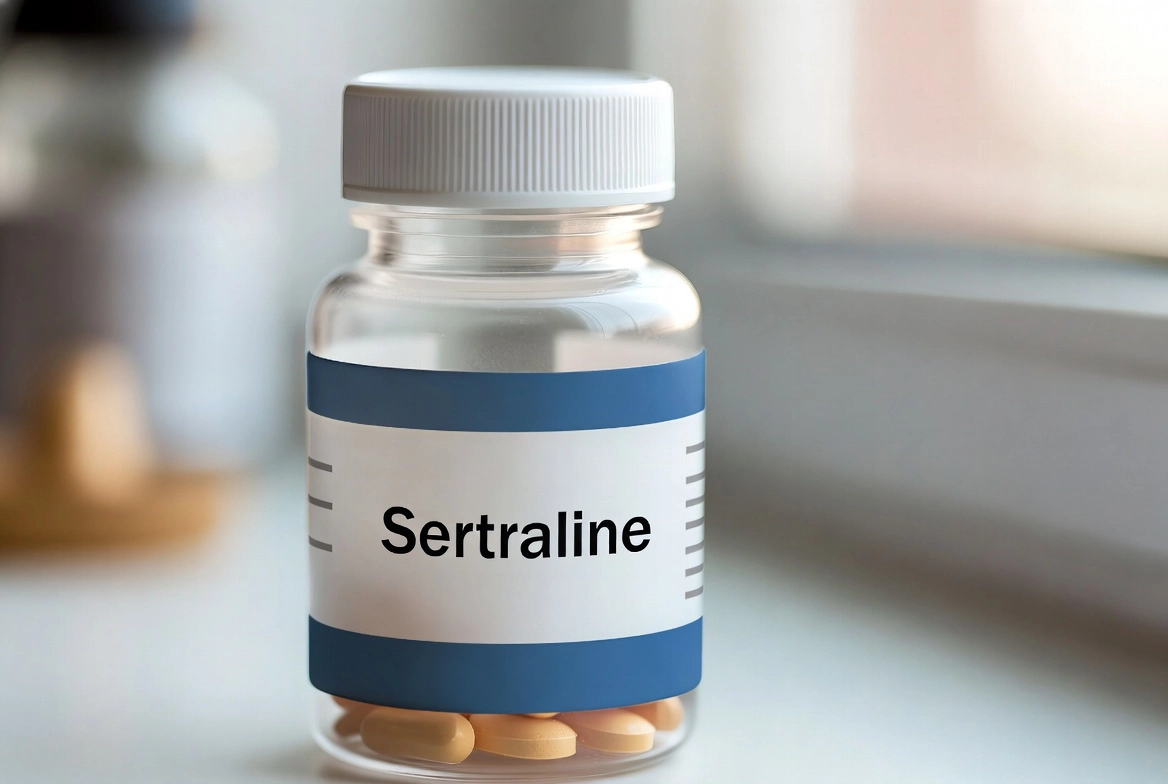
| Antidepressants | Fluoxetine, Sertraline | Avoid monotherapy. Using these without a stabilizer is a primary trigger for worsening mixed symptoms. |
Bipolar Mixed Episodes & Suicide Risk

We must address the most serious aspect of this condition: Mixed episodes are the most dangerous phase of bipolar disorder.
In a pure depressive state, a person may have the desire to die but lacks the energy to act. In a pure manic state, the person may feel too invincible to consider death. However, in a bipolar mixed episode, the individual has the hopelessness of depression AND the frantic energy of mania.
- The “Execution” Risk: This combination provides the fuel to carry out a plan.
- Emergency Guidance: If you or a loved one are experiencing a mixed state with suicidal thoughts, this is a psychiatric emergency. Go to the nearest emergency room or contact a crisis line immediately.
How to Deal With a Bipolar Mixed Episode
If you are currently experiencing a mixed state, the goal is “harm reduction” and stabilization. Here is how to treat mixed episode bipolar symptoms at home while waiting for medical intervention:
- Reduce Sensory Input: Mixed states often involve sensory overload. Dim the lights, turn off the music, and limit social interaction.
- Force “Quiet Time”: Even if you cannot sleep, you must lie down in the dark. This helps prevent the manic energy from escalating further.
- No Major Decisions: Your judgment is compromised by both despair and impulsivity. Postpone all financial, relationship, or career decisions.
- Adhere to Meds: Now is not the time to experiment with dosages. Follow your psychiatrist’s instructions to the letter.
Bipolar Mixed Episode on Reddit & Lived Experience
If you browse bipolar mixed episode reddit threads or look for a bipolar mixed episode meme, you’ll see a common theme: “I feel like I’m crawling out of my skin.” The “lived experience” of a mixed state is often described as a “black mania.”
While these communities can offer validation and a sense of “not being alone,” it is important to avoid the “echo chamber” of despair. Always pivot from the bipolar mixed episode story of struggle toward the story of recovery and clinical help.
Life Expectancy & Bipolar Disorder
A common and heavy question is: What is the average lifespan of a person with bipolar disorder? Statistics often suggest a reduced life expectancy (by 10–20 years), but it is crucial to understand why. This reduction is not caused by the disorder itself, but by:
- High rates of cardiovascular disease and diabetes (often linked to medication side effects and lifestyle).
- Substance use complications.
- Suicide during high-risk phases like bipolar mixed episodes.
The Good News: With modern integrated care, proper medication, and the avoidance of mixed-state crises, many people with bipolar disorder live full, long, and healthy lives. Treatment significantly “closes the gap” in life expectancy.
Key Takeaways
- Mixed = Simultaneous: It’s not a swing from one to the other; it’s both at once.
- Agitation is the Red Flag: If you are depressed but “climbing the walls,” you are likely in a mixed state.
- Medication Matters: Antidepressants alone can be dangerous; antipsychotics and stabilizers are the first line of defense.
- Safety is Priority: Because of the energy-despair combination, suicide risk is at its peak. Seek help immediately.
Frequently Asked Questions (FAQ)
What is a mixed episode in bipolar?
It is a state where symptoms of both mania (high energy, racing thoughts) and depression (hopelessness, guilt) occur at the same time.
How do you treat a mixed episode?
Treatment usually involves atypical antipsychotics (like Quetiapine) or mood stabilizers (like Valproate). Antidepressants are generally avoided or used very cautiously.
How long does a mixed bipolar episode last?
Typically, they last from a few days to several weeks, though they can persist longer if the person is under significant stress or using substances.
Is a mixed episode the same as rapid cycling?
No. A mixed episode is two poles at once. Rapid cycling is moving quickly from one distinct pole to the other over the course of a year.
Why are mixed episodes so dangerous?
Because the person has the suicidal thoughts of depression but the physical energy and impulsivity of mania to act on them.
Authoritative References & Resources
- National Institute of Mental Health (NIMH)
- American Psychiatric Association (APA)
- The Lancet Psychiatry
- DBSA (Depression and Bipolar Support Alliance)

Related Posts





Subscribe to Our Newsletter
Get mental health tips, updates, and resources delivered to your inbox.
MORE from Author
Read More Watching someone you care about struggle with bipolar depression and anxiety can be heartbreaking. You may notice that they withdraw…
 In my practice as a clinical psychologist, I often observe that the difference between a patient who crumbles under pressure…
 We all have "up" days and "down" days. Perhaps you feel energized after a promotion or sluggish on a rainy…
 To define bipolar disorder accurately, we must look at it as a chronic mood dysregulation condition. In psychology and medicine,…
Are you looking for a Therapist?
Connect with qualified mental health professionals who understand
bipolar disorder, mood changes, and emotional challenges.
Private • Supportive • Confidential