
Petulant BPD Test Borderline Personality Disorder: Tests, Subtypes, and Self-Assessment

Medically reviewed by Laura Athey Updated Date: February 9, 2026

Borderline Personality Disorder (BPD) is often portrayed in the media through a single, high-conflict lens. However, clinicians and researchers have long recognized that this complex emotional regulation disorder manifests in diverse ways. One of the most frequently discussed, yet often misunderstood, “subtypes” is petulant personality disorder.
While the Diagnostic and Statistical Manual of Mental Disorders (DSM-5) does not officially categorize BPD into subtypes, the framework popularized by psychologist Theodore Millon helps many individuals make sense of their specific emotional “flavor.” If you find yourself searching for a petulant BPD test, you are likely seeking a name for a specific cycle of resentment, irritability, and fear of abandonment. This article explores the nuances of the petulant subtype, how it differs from other forms of BPD, and the role of online screening tools in your journey toward mental wellness.
Understanding Petulant Borderline Personality Disorder
To define what a petulant BPD is, we must look at the intersection of emotional sensitivity and externalized resentment. The word “petulant” itself suggests a defiant or irritable nature, but in a clinical context, it describes a person struggling with a profound sense of unworthiness that manifests as stubbornness and passive-aggressive behavior.
Unlike the “impulsive” subtype, which might seek thrill or distraction, or the “quiet” subtype, which retreats inward, the petulant individual often feels stuck in a cycle of needing others while simultaneously resenting them. This subtype is frequently characterized by a “push-pull” dynamic: a desperate desire for closeness followed by a sudden, angry withdrawal when they perceive a hint of rejection. It is important to remember that these “types” are clinical descriptors used to understand patterns; they are not separate diagnoses from BPD itself.
What Is Petulant BPD? Traits, Patterns, and Emotional Style
The core of petulant personality disorder is a unique emotional style dominated by irritability and a sense of being perpetually mistreated. While all individuals with BPD share the foundational struggle with emotional dysregulation, the petulant subtype expresses this through specific behavioral “red flags.”
Key Traits and Behavioral Patterns
- Passive-Aggressivity: Rather than direct confrontation, the petulant individual may express anger through silence, “veiled” comments, or stubbornness.
- Extreme Rejection Sensitivity: A minor delay in a text response can be perceived as a catastrophic abandonment, leading to immediate defensiveness.
- The Cycle of Resentment: They often feel that others are not doing enough for them, leading to a sense of being unappreciated or “the only one who cares.”
- Defiant Independence: In the heat of a conflict, they may claim they “don’t need anyone,” even while their internal state is panicking over the potential loss of a relationship.
In this pattern, the “split”—the BPD tendency to see things as all-good or all-bad—is often directed at those closest to them. One moment, a partner is a savior; the next, they are a source of profound disappointment and anger.
How Do I Know If I Have Petulant BPD?
Many individuals begin their journey with a simple question: How do I know if I have histrionic BPD? Self-recognition often starts when you notice that your reactions to interpersonal stress feel “larger” than those of your peers, specifically regarding feelings of being slighted or ignored.
Indicators of the Petulant Pattern
Self-assessment involves looking at your internal monologue during conflict. Do you often feel that people are “out to get you” or that your loved ones are intentionally being difficult? Do you find yourself using “the cold shoulder” as a primary way to communicate hurt?
While everyone experiences irritability, the hallmark of petulant BPD is the pervasiveness of these feelings. They aren’t tied to a single bad day; they are a consistent lens through which you view your relationships. If your emotional baseline is one of “simmering” resentment that boils over into defiant anger, it may be a sign of this specific BPD manifestation.
Is Petulant BPD the Same as Quiet BPD?
A common point of confusion is whether petulant BPD is quiet BPD. While they can overlap, they are generally considered opposite ends of the expression spectrum.
| Feature | Petulant BPD | Quiet BPD |
| Expression of Anger | Externalized (Irritability, defiance) | Internalized (Self-blame, withdrawal) |
| Primary Mechanism | Passive-aggressive behavior | Self-isolation and “masking.” |
| Relational Impact | High-conflict “push-pull” | Silent suffering/disappearing |
| Internal Focus | “Why are they doing this to me?” | “What is wrong with me?” |
While a Quiet BPD test would focus on symptoms like high levels of shame and “acting in” (self-harming behaviors that are hidden), a petulant-focused assessment looks for “acting out” in the form of social defiance and verbal irritability. It is possible for an individual to fluctuate between these states, but usually, one style of regulation dominates.
The 4 Types of BPD Explained
The concept of the 4 types of BPD test originates from Theodore Millon’s work, which suggests that BPD can be broken down into four distinct presentations. Understanding these can help you identify where your specific struggles lie.
- Petulant BPD: Characterized by being difficult, cynical, and stubborn. They are often impatient and feel unloved.
- Quiet BPD: Also known as “Discouraged” BPD. These individuals internalize their pain, appearing “high-functioning” while suffering from extreme self-loathing.
- Impulsive BPD: This type is characterized by thrill-seeking, risk-taking, and a lack of regard for consequences. They are often highly charismatic but struggle with stability.
- Self-Destructive BPD: These individuals are often dominated by a sense of self-hatred that manifests as risky behavior, substance abuse, or self-harming actions.
Online “type” tests attempt to categorize your responses into these buckets. While these are not official medical diagnoses, they can provide a useful vocabulary for describing your symptoms to a therapist.
Petulant BPD in Relationships: Spouse and Partner Perspective
Living with a petulant borderline personality disorder wife or husband can be an exhausting cycle of emotional volatility. Partners often describe feeling like they are “walking on eggshells,” never knowing which minor event might trigger a defiant or resentful episode.
The Conflict Cycle
In a relationship, the petulant individual often uses anger as a shield. If they feel vulnerable or fear the partner is pulling away, they may attack first—criticizing the partner’s character or being intentionally difficult to “test” the partner’s loyalty. This creates a self-fulfilling prophecy: the anger pushes the partner away, which “proves” the petulant person’s fear that they were going to be abandoned all along.
Healthy boundaries are essential in these relationships. Partners must learn that while they can support their loved one, they are not responsible for regulating the petulant individual’s moods. Enabling the behavior by constantly apologizing for things you didn’t do often worsens the cycle.
Petulant BPD Reddit: What People Say vs. Clinical Reality

If you search for petulant BPD Reddit, you will find thousands of posts from people sharing their lived experiences. These communities are invaluable for peer support, but they come with a warning.
On Reddit, the term “petulant” is often used as a catch-all for anyone who is “difficult” or “angry.” Clinical reality is more nuanced. A clinician looks for the underlying fear of abandonment that drives the petulance, whereas online forums might focus solely on the behavioral outbursts. Crowdsourced diagnosis can be helpful for realizing you aren’t alone, but it can also lead to mislabeling or “diagnostic overshadowing,” where other conditions like C-PTSD or Bipolar II are missed.
BPD Tests and Quizzes: What They Can (and Can’t) Tell You
When searching for the most accurate BPD test or an official borderline personality disorder test, it is vital to manage expectations. No online quiz can diagnose a personality disorder.
Screening vs. Diagnosis
An online test is a screening tool. It measures the presence of symptoms. A clinical diagnosis, however, involves an interview with a professional who evaluates the intensity, duration, and pervasiveness of those symptoms. A quiz might tell you that you score high for “impulsivity,” but it won’t be able to tell if that impulsivity is due to BPD, ADHD, or a manic episode.
The best BPD test is one that prompts you to seek professional help rather than providing a definitive label.
Free BPD Tests & Quizzes Online
In the digital age, most people begin their journey toward mental health clarity with a search for a BPD test free of charge. These tools are widely accessible and can provide immediate, though preliminary, feedback. If you are asking yourself, “Have I got BPD?” or searching for a “do I have BPD quiz,” you are engaging in a form of proactive self-screening.
What Free Tests Measure
Most online tools, such as a BPD test with free results, are based on the MSI-BPD (McLean Screening Instrument for Borderline Personality Disorder) or the PAI (Personality Assessment Inventory). These quizzes typically ask about:
- Emotional “storms” or rapid mood shifts.
- Recurrent thoughts of self-harm or feelings of emptiness.
- Patterns of intense, unstable relationships.
- Impulsive behaviors that could be self-damaging.
Pros and Cons of Self-Scoring Tools
While a do you have BPD quiz can be a powerful catalyst for change, they have limitations.
- Pros: They offer privacy for those who are hesitant to speak to a doctor. They are free, fast, and can help you organize your thoughts before a professional consultation.
- Cons: They rely entirely on self-perception, which can be skewed during a period of high stress or depression. They also lack the “differential diagnosis” capability of a clinician, meaning they can’t distinguish between BPD and other conditions like CPTSD or Bipolar Disorder.
Petulant BPD Test: Is There One Specifically?
Many users specifically seek out a petulant BPD test, hoping for a specialized tool that focuses on irritability and resentment. However, it is important to clarify that there is no “official” or “gold standard” test for subtypes alone.
Why No Official Subtype Test Exists
Because “petulant” is an informal clinical subtype rather than a distinct medical diagnosis, most BPD screening tests focus on the primary nine criteria of the DSM-5. When you take a high-quality BPD assessment, a clinician (or a sophisticated screening tool) identifies the petulant pattern by looking at high scores in specific areas:
- Criterion 2: Unstable relationships (specifically “splitting”).
- Criterion 6: Affective instability (specifically irritability).
- Criterion 8: Intense, inappropriate anger.
A clinician identifies the “petulant style” by observing how these specific traits interact—specifically how the anger is used as a defense mechanism against perceived abandonment.
Quiet BPD Test vs. Petulant BPD Test
When comparing a Quiet BPD test with the indicators for the petulant subtype, the primary difference lies in the “direction” of the symptoms.
- Quiet-Focused Tests: These emphasize internal experiences. Questions often revolve around “Do you feel like you are a burden?” or “Do you hide your emotions from others to avoid conflict?”
- Petulant-Focused Indicators: These emphasize external reactions. Questions might ask, “Do you feel that your friends are frequently letting you down?” or “Do you find yourself becoming stubborn or defiant when you feel ignored?”
The risk of misclassification is high. For example, a petulant individual who “shuts down” during an argument might think they have Quiet BPD, when in reality, their silence is a form of passive-aggressive defiance (petulant) rather than a fear of taking up space (quiet).
BPD Screening Tests for Different Groups
The accuracy of a BPD screening test can vary significantly depending on the age and neurobiology of the person taking it.
BPD Test for Teens
Diagnosing BPD in adolescents is controversial but increasingly common. A BPD test for teens must be interpreted with extreme caution, as the hormonal shifts and identity exploration of puberty often mimic BPD traits. Clinicians generally look for symptoms that are “out of the norm” for typical teenage rebellion—specifically, persistent self-harm or a total inability to maintain friendships over a long period.
Autism or BPD Test?
There is a significant overlap between the two, particularly in “quiet” or “masked” presentations. An Autism or BPD test is often necessary because both conditions can involve social difficulties, sensory sensitivities (leading to irritability), and intense emotional reactions. However, the motivation differs: BPD is usually driven by a fear of abandonment, whereas Autistic meltdowns are typically driven by sensory or cognitive overload.
Can BPD Go Unmedicated?

A frequent follow-up to “Do I have BPD?” is “Can BPD go unmedicated?” The answer is generally yes, but with caveats. Unlike Bipolar Disorder or Schizophrenia, where medication is often the primary treatment, the “gold standard” for BPD is therapy.
Therapy-First Models
Evidence-based treatments like Dialectical Behavior Therapy (DBT) and Schema Therapy are designed to retrain the brain’s emotional response system. Medication is often used as a “support beam” rather than the “foundation.” For instance:
- Antipsychotics or Mood Stabilizers: May be used to dampen the “peaks” of petulant anger or irritability.
- Antidepressants: Can help if there is a co-occurring major depressive disorder.
While BPD can be managed without medication, untreated BPD (especially the petulant type) often leads to chronic relationship failure and severe emotional exhaustion, making professional support—even without drugs—essential.
What to Do If You Think You Have Petulant BPD
If you’ve taken a BPD screening test and the results resonate with the petulant pattern, the most important next step is to move from “internet research” to “clinical action.”
- Seek a Specialist: Look for a therapist who specializes in BPD or Personality Disorders. General counseling may not provide the specific skills needed for BPD.
- Request a Full Evaluation: Don’t just ask for a petulant BPD test; ask for a full diagnostic interview to rule out other conditions.
- Explore DBT: Dialectical Behavior Therapy is the most successful treatment for the irritability and “push-pull” dynamics of the petulant subtype.
- Practice Mindfulness: Start noticing the “simmer” of resentment before it becomes a defiant outburst.
The Accuracy of Online BPD Screening
When you are searching for the most accurate BPD test or a Do I Have BPD Quiz, you are likely looking for validation of a very painful internal experience. It is important to understand that while these tests use clinical language, they are “static.” They cannot see the nuance of your life.
Why “Accuracy” Is a Spectrum
A test might ask, “Do you have intense outbursts of anger?” A person with petulant personality disorder might say “Yes,” because they feel a constant simmer of irritability. However, a person with PTSD might also say “Yes” due to a hyperactive startle response. The best BPD test results are those that give you a “probability” rather than a “certainty.” Clinicians look for the intent behind the behavior—in BPD, that intent is almost always related to maintaining or testing a relationship connection.
Frequently Asked Questions
What is a petulant BPD?
A petulant BPD is an informal subtype of Borderline Personality Disorder characterized by irritability, defiance, and passive-aggressive behavior. These individuals often feel unappreciated and use resentment as a defense mechanism against a deep-seated fear of abandonment.
Is petulant BPD quiet BPD?
No. While they share the same core diagnosis, petulant BPD is generally “externalized” (anger is directed at others through irritability or stubbornness), whereas quiet BPD is “internalized” (anger is directed at the self through withdrawal and self-shame).
How accurate are online BPD tests?
Online tests are excellent screening tools but are not diagnostic. They can accurately identify BPD traits, but they cannot provide a medical diagnosis, which requires a clinical interview to rule out overlapping conditions like Bipolar Disorder or C-PTSD.
Can teens take BPD tests?
Teens can take screening tests, but the results must be interpreted by a professional. Because adolescent personality is still developing, many “BPD traits” may actually be symptoms of developmental stress or other emerging mental health issues.
Is there an official borderline personality disorder test?
The “official” tools used by doctors are the SCID-5 (Structured Clinical Interview for DSM-5) and the MSI-BPD. Online versions are usually paraphrased versions of these clinical instruments.
Conclusion
Taking a petulant BPD test or a general BPD screening test is often the first step in reclaiming your life from emotional chaos. These quizzes are not meant to be labels that define your destiny; they are flashlights designed to help you see the patterns that have been causing you pain.
Whether you identify with the petulant, quiet, or impulsive subtype, the most important takeaway is that BPD is highly treatable. The resentment, anger, and fear that define the petulant experience do not have to be permanent. With the right therapeutic approach—shifting from “acting out” to “understanding in”—you can build a stable identity and relationships that are defined by peace rather than “push-pull” dynamics.
If your self-assessment has led you here, take the next step. Bring your results to a mental health professional and start the conversation that leads to a life worth living.
To ensure the clinical and academic integrity of your article on Petulant BPD and self-assessment, it is essential to cite the psychological frameworks and medical bodies that define these personality structures.
Here are five authoritative references that provide the foundational data for BPD subtypes and diagnostic testing:
Authoritative References
1. The Millon Personality Group –BPD Subtypes
2. National Institute of Mental Health (NIMH) –BPD Overview
3. McLean Hospital – The McLean Screening Instrument (MSI-BPD)
4. National Education Alliance for Borderline Personality Disorder (NEA.BPD)
5. American Psychiatric Association (APA) –DSM-5-TR Fact Sheets

Related Posts






Subscribe to Our Newsletter
Get mental health tips, updates, and resources delivered to your inbox.
MORE from Author
Read More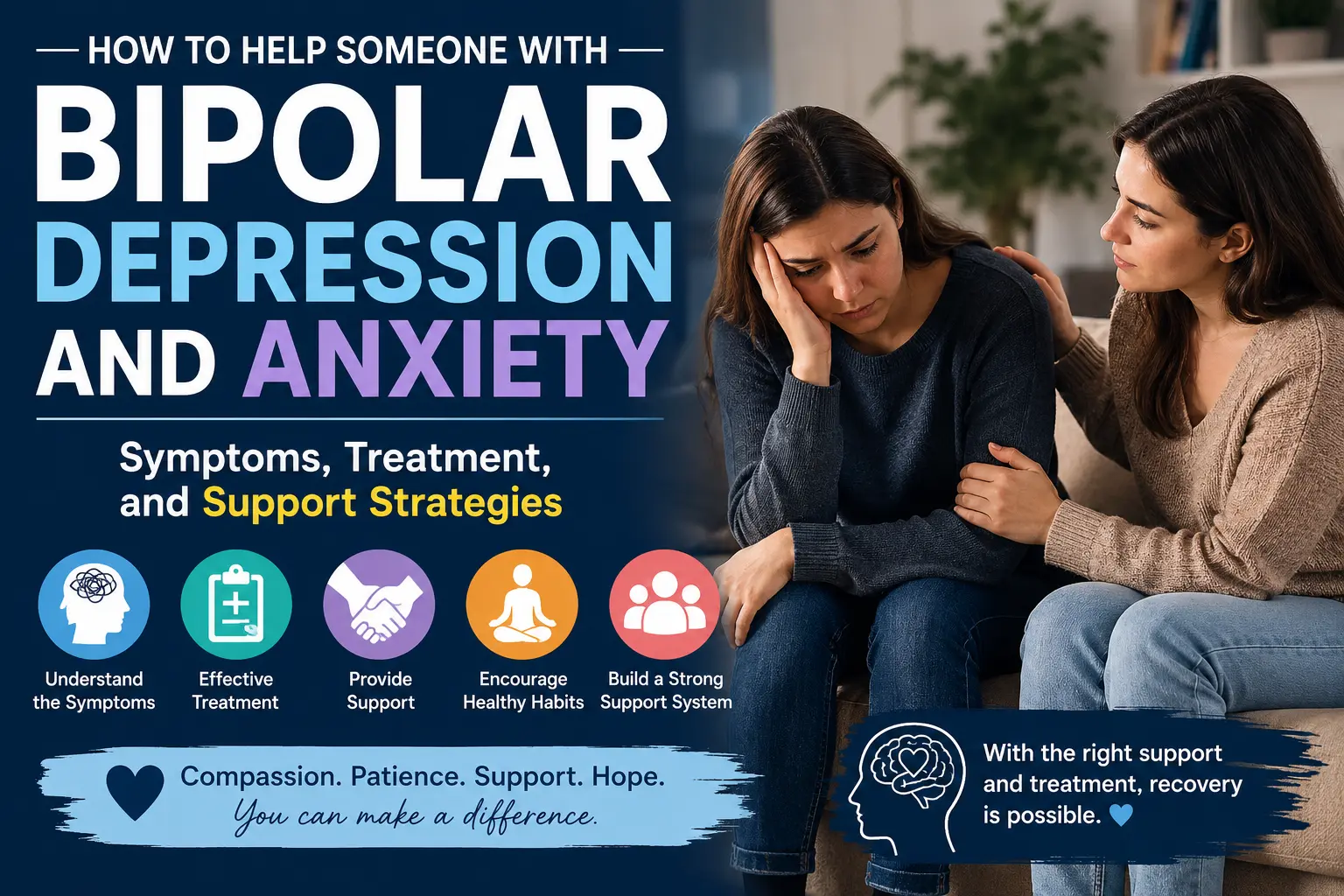 Watching someone you care about struggle with bipolar depression and anxiety can be heartbreaking. You may notice that they withdraw…
 In my practice as a clinical psychologist, I often observe that the difference between a patient who crumbles under pressure…
 We all have "up" days and "down" days. Perhaps you feel energized after a promotion or sluggish on a rainy…
 To define bipolar disorder accurately, we must look at it as a chronic mood dysregulation condition. In psychology and medicine,…
Are you looking for a Therapist?
Connect with qualified mental health professionals who understand
bipolar disorder, mood changes, and emotional challenges.
Private • Supportive • Confidential