
Sensory Overload: Meaning, Symptoms, Causes & How to Cope

Medically reviewed by Laura Athey Updated Date: February 16, 2026
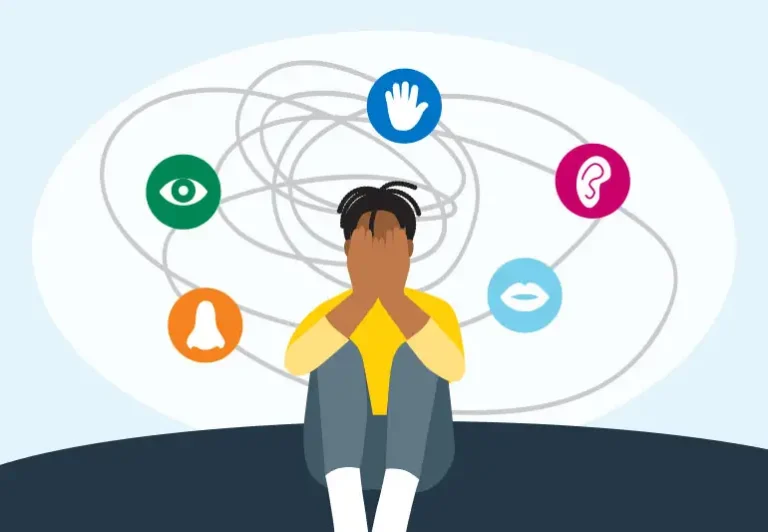
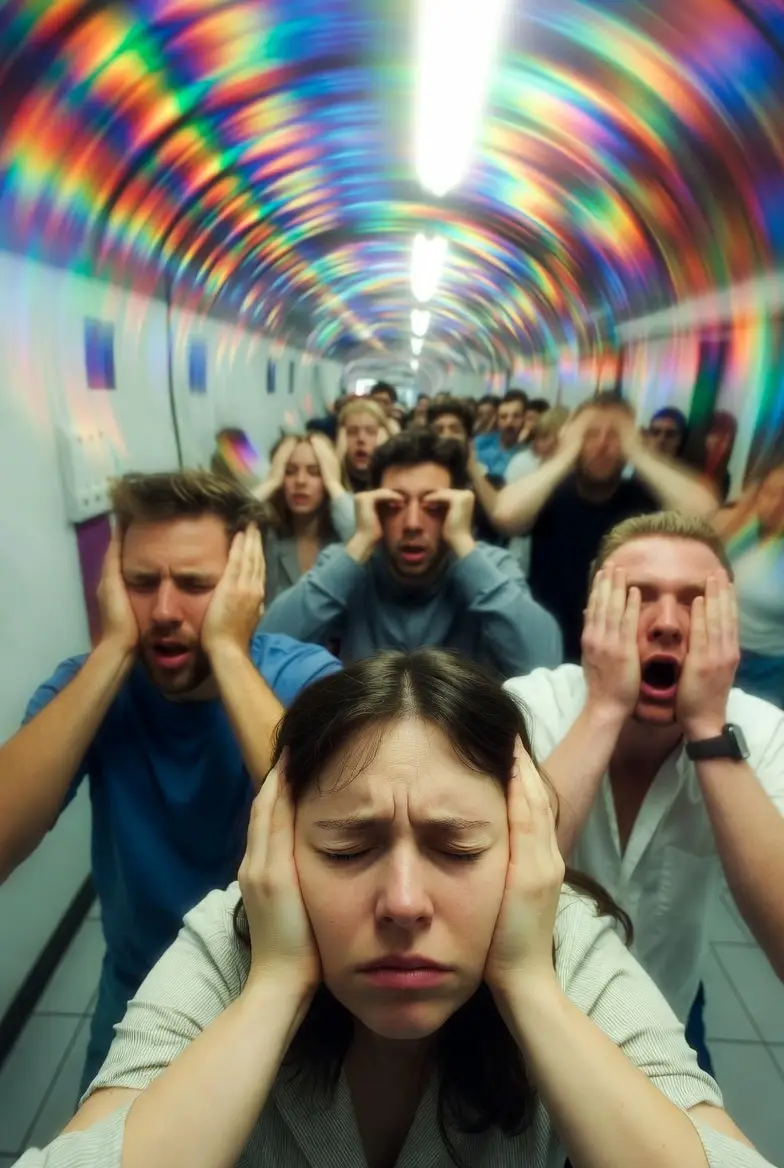
Have you ever been in a grocery store where the fluorescent lights felt like they were screaming at you, or a crowded restaurant where the clink of silverware felt like a physical strike against your skin? If so, you have experienced the intense neurological “traffic jam” known as sensory overload. While everyone can feel overwhelmed by a chaotic environment, for many—particularly those with neurodivergent brains—this isn’t just a temporary annoyance; it is a profound biological event.
What is sensory overload? In short, it is a state where the brain receives more information from the senses than it can navigate. What’s sensory overload to the average person might look like irritability, but to the person experiencing it, it is a total system failure. This guide explores the sensory overload meaning, the conditions associated with it, and the medical-grade strategies used to manage a world that is often “too much.”
What Does Sensory Overload Feel Like?
To someone who has never experienced it, it can be hard to understand the gravity of the situation. How to describe sensory overload to a neurotypical peer?
Imagine your brain is a computer, and someone has just opened 500 browser tabs at once, all of them playing different videos with the volume at maximum. Eventually, the fan starts whirring, the screen freezes, and the system crashes.
What does a sensory overload feel like? It is often a physical sensation before it is a mental one. You might notice:
- A “Prickling” Skin Sensation: Clothing tags or even the air in the room may feel abrasive.
- Tunnel Vision: The world starts to close in, and you lose the ability to see the “big picture.”
- Intrusive Sound: Background noise (like an AC hum) becomes as loud as a person shouting in your ear.
- Loss of Verbal Ability: In deep overload, finding the right words becomes nearly impossible.
Shutdown vs. Meltdown
What does sensory overload typically result from? It usually results in one of two states:
- The Meltdown: An externalized explosion. This looks like a temper tantrum in children, but it is actually an involuntary survival response.
- The Shutdown: An internalized implosion. The person may become “non-verbal,” staring into space or becoming completely unresponsive as the brain tries to protect itself by “going offline.”
Sensory Overload vs. Overstimulation
It is vital to distinguish between sensory overload and overstimulation. While the terms are often used interchangeably, there is a technical difference.
- Overstimulation is usually temporary and environmental. Even a neurotypical person can get overstimulated at a loud concert or a busy festival.
- Sensory Overload is a neurological processing difficulty. It happens because the brain lacks the “filters” to dampen irrelevant stimuli. For a person with a sensory processing difference, a quiet office can cause the same level of overload that a rock concert causes someone else.
Sensory Overload Symptoms & Signs
How do I know if I’m overstimulated? Recognizing the signs of sensory overload early is the most effective way to prevent a full-scale neurological crash. The symptoms of sensory overload are usually categorized into physical, emotional, and behavioral markers.
Physical Symptoms
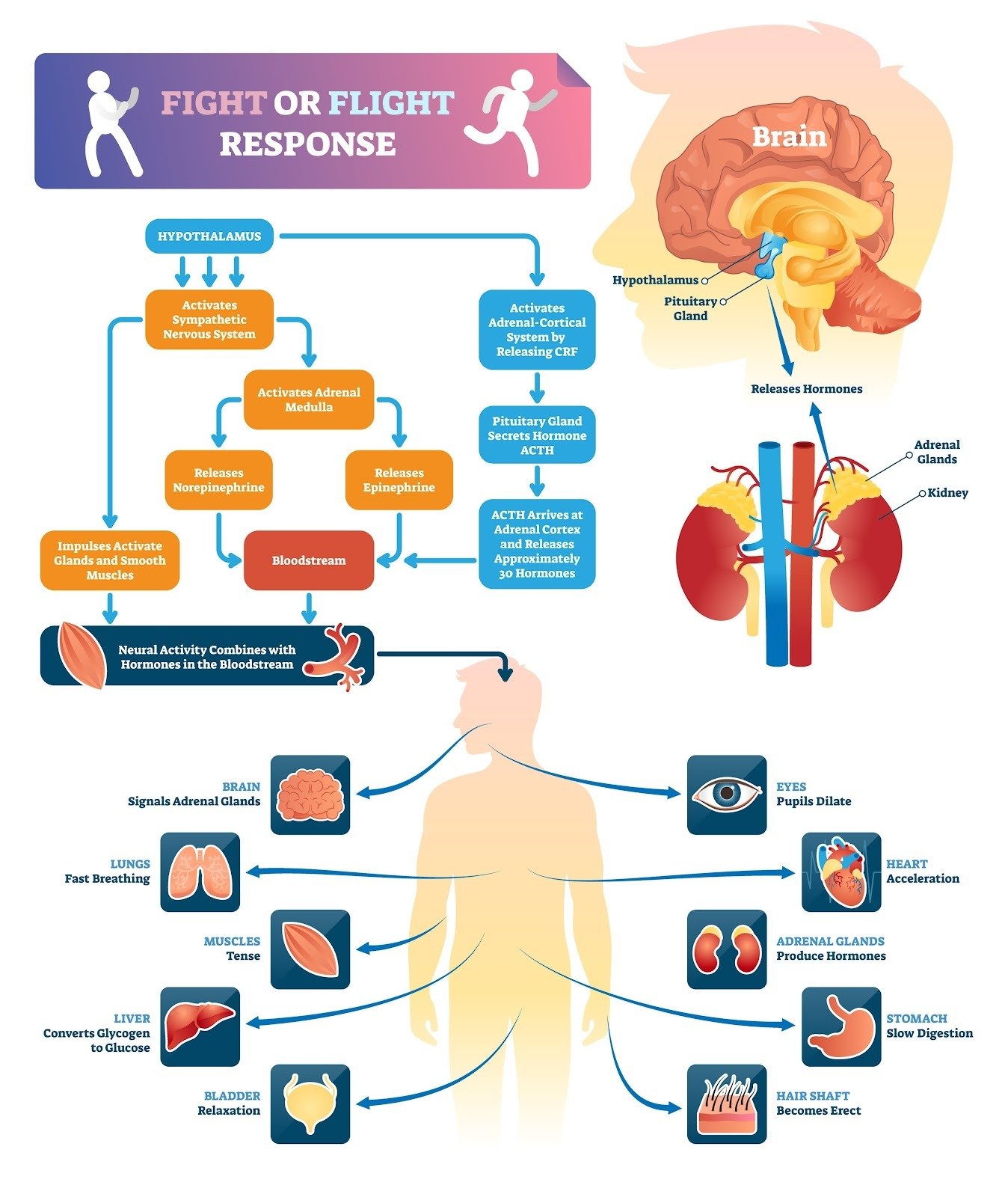
The body often reacts to sensory data as if it were a physical threat, triggering a “fight-or-flight” response.
- Racing Heart: Elevated pulse and shallow breathing.
- Nausea or Dizziness: Specifically common with visual or vestibular (movement) overload.
- Muscle Tension: Clenching the jaw or tightening the shoulders.
- Headaches: Often triggered by blue light or high-frequency sounds.
Emotional Symptoms
- Extreme Irritability: Snapping at loved ones over small things.
- Panic: A sense of impending doom without an obvious cause.
- Crying Spells: Emotional dysregulation caused by the sheer exhaustion of processing the environment.
- Anxiety: A high-frequency “buzzing” feeling in the chest.
Behavioral Signs
If you are observing someone else, look for these behavioral signs of sensory overload:
- Covering the Ears or Eyes: A literal attempt to block out the input.
- Fidgeting or “Stimming”: Repetitive movements (hand-flapping, rocking) used to self-regulate.
- Avoidance: Suddenly leaving a room or refusing to enter certain environments.
- Irregular Eye Contact: Looking away to reduce the “data” being processed from a person’s face.
What Causes Sensory Overload?
What causes sensory overload? It is rarely just one thing. It is usually the cumulative effect of various triggers hitting the nervous system at once. What are the common causes of sensory overload? We can break them down into three distinct layers.
Environmental Triggers
These are the most obvious things that cause sensory overload:
- Auditory: Overlapping conversations, high-pitched beeps, sirens, or repetitive tapping.
- Visual: Flickering fluorescent lights, bright sunlight, cluttered rooms, or fast-moving digital screens.
- Olfactory/Gustatory: Strong perfumes, cleaning chemicals, or intense food textures.
- Tactile: “Scratchy” fabrics, unexpected light touch, or extremes in temperature.
Internal Biological Factors
What does sensory overload typically result from internally?
- Fatigue: A tired brain has fewer resources to filter out noise.
- Stress: High cortisol levels lower your “sensory threshold.”
- Hunger: Low blood sugar (being “hangry”) makes the nervous system more reactive.
Associated Neurological Conditions
What conditions are associated with sensory overload? While anyone can experience it, certain brains are structurally predisposed to it:
- Autism Spectrum Disorder (ASD): Differences in the way the brain “prunes” neural connections can lead to hyper-acute senses.
- ADHD: Difficulty with “inhibitory control” means the brain can’t tell the difference between the teacher’s voice and the fly buzzing on the window.
- PTSD: The brain remains in a state of hyper-vigilance, scanning the environment for threats and taking in too much data.
In my clinical practice, I often tell my patients that their brain isn’t “broken”—it’s simply “wide open.” Think of your brain’s sensory filter like a door. In a neurotypical brain, that door has a bouncer who only lets in the “VIP” information. In a brain prone to sensory overload, the door is off the hinges. Everyone is getting in at once. My goal in therapy is to help you build a new door using environmental tools and internal regulation strategies.
Sensory Overload in Adults
While much of the research on sensory processing focuses on children, sensory overload in adults is a significant and often under-discussed challenge. For sensory-overloaded adults, life doesn’t stop for a system crash. The pressures of the workplace, the sensory chaos of parenting, and the demands of social navigation can lead to chronic burnout.
Workplace Challenges and Parenting
In an office setting, sensory overload often looks like “brain fog” or decreased productivity. Open-office plans, with their lack of visual boundaries and constant auditory “chatter,” are a primary trigger.
For parents, the sounds of crying, toys with high-pitched electronic noises, and the constant physical “touching” from children can lead to a state of being “touched out”—a specific form of tactile and auditory overload.
How to Help Sensory Overload in Adults
If you are an adult struggling with overstimulation, the first step is radical acceptance. You are not “failing” at life; your nervous system is simply requesting a different environment. How to help sensory overload in adults often involves:
- Controlling the environment: Dimming lights or using “warm” bulbs instead of overhead fluorescents.
- Predictability: Sticking to a routine to reduce “cognitive” overload.
- Sensory “Snacks”: Taking 5-minute quiet breaks every 90 minutes to allow the nervous system to reset.
Best Tools for Adults: A Comparison
Modern technology has provided incredible relief for those navigating a loud world. Here is a breakdown of the most effective noise-cancelling headphones for sensory overload adults and other protective gear.
| Tool | Best For… | Key Benefit |
| Active Noise Cancelling (ANC) | Commuting & Loud Offices | Uses inverse sound waves to “cancel” background hums. |
| High-Fidelity Earplugs | Socializing & Restaurants | Lowers decibels without muffling speech; keeps sound “clear.” |
| Weighted Lap Pads | Desk work & Focus | Provides grounding proprioceptive input to calm the heart rate. |
| FL-41 Tinted Glasses | Migraines & Fluorescent Lights | Blocks the specific blue-light frequencies that trigger headaches. |
Sensory Overload Autism
The relationship between sensory overload, autism, and daily functioning is profound. In the autistic brain, sensory processing is often “hyper-acute.” What is sensory overload in autism? It is a situation where the brain’s “salience landscape” is flattened—meaning the brain struggles to decide which sounds or sights are important and which are background noise.
Hypersensitivity vs. Hyposensitivity
Autistic individuals may experience “Hypersensitivity” (painful reactions to small sounds) or “Hyposensitivity” (the need for intense movement to “feel” their body). Autism sensory overload typically occurs when a hypersensitive person is forced to endure a “loud” environment, leading to a meltdown (an outward release of tension) or a shutdown (an internal retreat).
How Autism Sensory Overload Affects Daily Life
For many, the fear of overload leads to “social battery” depletion. How does sensory overload affect daily life? It may mean an autistic person cannot go to a traditional grocery store, requiring them to shop during “quiet hours” or use delivery services. It can dictate where they live, what clothes they wear (often seamless or soft fabrics), and what careers they pursue.
Sensory Overload ADHD
While autism is often linked to the “intensity” of the signal, sensory overload, ADHD is more about the “volume” of signals. In ADHD, the brain has difficulty with “inhibitory control.”
Sensory Overload vs. Overstimulation ADHD
What is the difference between sensory overload and overstimulation in ADHD?
- Overstimulation: The ADHD brain is “bored” and seeking dopamine, so it takes in everything at once, leading to a high-energy but disorganized state.
- Sensory Overload: The brain reaches its maximum capacity. It can no longer process the teacher’s voice because the sound of a classmate’s pencil tapping is being treated with the same priority.
This led to “Emotional Dysregulation.” When an ADHD brain is overloaded, the frustration of being unable to focus often manifests as sudden anger or a “rejection” of the environment.
Sensory Overload Anxiety
There is a bidirectional relationship between sensory overload anxiety and panic disorders. Anxiety puts the body in a state of hyper-vigilance, which lowers the threshold for sensory pain. Conversely, being in a high-sensory environment can trigger a panic attack in someone who is already anxious.
What conditions are associated with sensory overload?
Generalized Anxiety Disorder (GAD): Constant “scanning” makes every noise feel intrusive.
- Panic Disorder: Sensory overwhelm can feel like a heart attack, triggering a loop of fear.
- Trauma/PTSD: Certain sensory triggers (like a specific smell or loud bang) can cause a “flashback” that instantly overloads the system.
Types of Sensory Overload
To manage your triggers, you must identify them. What are the different types of sensory overload? We generally categorize them by the five main senses, plus the “hidden” internal senses.
- Auditory Overload: The most common form. Triggered by sirens, overlapping voices, or “white noise” like humming refrigerators.
- Visual Overload: Caused by cluttered rooms, bright “cool” lighting, or rapid movement.
- Tactile Overload: Sensitivity to touch, specific textures (wool, lace), or being in a crowded space where people might brush against you.
- Olfactory (Smell) Overload: Intense reactions to perfumes, cleaning supplies, or cooking odors.
- Vestibular/Proprioceptive Overload: A feeling of “seasickness” or being “lost in space” when there is too much movement or a lack of physical grounding.
How Sensory Overload Is Diagnosed
A common misconception is that “Sensory Overload” is a standalone medical diagnosis in the DSM-5. In reality, sensory processing issues are viewed as a neurological symptom or a part of Sensory Processing Disorder (SPD).
The Diagnostic Pathway
How is sensory overload diagnosed? Typically, the process involves an Occupational Therapist (OT) or a neuropsychologist. Because it often overlaps with other conditions, the evaluation usually includes:
- Sensory Profile 2: A standardized questionnaire for parents or adults to identify patterns of hypersensitivity (over-responsiveness) or hyposensitivity (under-responsiveness).
- Clinical Observation: An OT observes how the individual responds to specific stimuli like swinging (vestibular), textured fabrics (tactile), or loud “white noise” (auditory).
- Medical Rule-outs: Doctors may check for inner ear issues or vision problems that could be mimicking sensory processing difficulties.
Self-Reflection “Test” Checklist
If you are wondering, “How do I know if I’m overstimulated or if this is a deeper issue?” ask yourself the following:
- Do I find “normal” background noise (clocks ticking, refrigerators) physically painful or distracting?
- Do I feel a sudden, intense urge to leave a room if it is too bright or crowded?
- After a social event, do I need hours of complete silence in a dark room to feel “normal” again?
- Does the texture of certain foods or clothing tags cause me to feel angry or panicky?
If you checked three or more boxes, it may be beneficial to seek a formal sensory assessment.
Sensory Overload Treatment & Management
Managing sensory overload is not about “toughening up.” It is about environmental engineering and nervous system regulation.
The “Sensory Diet”.
One of the most effective long-term strategies is a Sensory Diet. Despite the name, this has nothing to do with food. It is a personalized schedule of sensory activities designed to keep the nervous system in a “just right” state.
What goes into a sensory diet?
- Heavy Work: Pushing, pulling, or carrying weighted objects. This provides proprioceptive input, which is naturally grounding and calming.
- Sensory Breaks: Scheduled “quiet time” intervals throughout the day before you feel overloaded.
- Oral Input: Chewing gum or using a “chewy” necklace can help focus the brain’s sensory energy.
Immediate Calming Strategies (The Emergency Protocol)
How to stop sensory overload when you are already in the middle of a crisis? Use the 3-3-3 Grounding Method:
- Stop: Leave the environment immediately if possible.
- Breathe: Inhale for 3 seconds, hold for 3, exhale for 3. This signals the Vagus nerve to deactivate the “fight-or-flight” response.
- Ground: Touch something cold (an ice cube or cold water on the wrists) or find a “weighted” sensation, like a heavy coat or a firm hug.
Long-Term Occupational Therapy
For many, the best sensory overload treatment is Sensory Integration Therapy. In a specialized “sensory gym,” therapists use swings, ball pits, and weighted equipment to help the brain build more effective “filters” over time
Sensory Overload vs. Overstimulation
| Feature | Overstimulation | Sensory Overload |
| Cause | The environment is too busy for anyone. | The brain fails to filter ordinary data. |
| Duration | Ends when you leave the room. | Can cause a “hangover” for days. |
| Feeling | “I’m tired and need a break.” | “I am under physical assault.” |
| Resolution | Rest and sleep. | Sensory regulation and environment change. |
How Sensory Overload Affects Daily Life
We cannot ignore the social and professional impact of this condition. How does sensory overload affect daily life? It can lead to:
- Relationship Strain: Partners may feel rejected when you need to “retreat” to a dark room.
- Employment Barriers: Open-office plans can make it impossible for talented individuals to thrive.
- Social Isolation: The fear of a meltdown in public can lead people to stay home, increasing the risk of depression.
Frequently Asked Questions
What are the symptoms of sensory overload?
Symptoms include irritability, physical pain from sound or light, racing heart, inability to focus, and a feeling of being “trapped” or “assaulted” by your surroundings.
How do I know if I’m overstimulated?
Look for “early warning signs” like snapping at small noises, rubbing your eyes, or a sudden feeling of fatigue in a loud room.
How to calm down from a sensory overload?
Get to a dark, quiet space as soon as possible. Use deep pressure (a weighted blanket) and slow, rhythmic breathing. Avoid speaking or being spoken to until your heart rate slows.
What conditions are associated with sensory overload?
The most common are Autism (ASD), ADHD, PTSD, Anxiety, and Sensory Processing Disorder (SPD).
Conclusion
Sensory overload is not a behavioral choice but a physiological state where the brain’s processing capacity is exceeded. Whether driven by Autism, ADHD, or anxiety, the experience is a literal neurological “bottleneck” that demands intervention rather than endurance. By identifying your specific triggers and implementing a proactive sensory diet, you can move from a state of constant survival to one of empowered regulation.
Success in managing sensory overwhelm lies in the transition from “powering through” to radical accommodation. Using tools like noise-canceling headphones, scheduling “zero-input” breaks, and practicing grounding techniques are essential acts of neurological self-care.
Respect your nervous system as a high-definition instrument that simply requires the right environment to function. When you prioritize your sensory health, you stabilize your emotional and mental well-being, allowing you to engage with the world on your own terms.
Authoritative References
1. Understanding Sensory Processing Issues
2. The Neuroscience of Sensory Overload
3. Sensory Issues in Autism Spectrum Disorder
4. ADHD and Sensory Processing
5. Professional OT Management Strategies

Related Posts






Subscribe to Our Newsletter
Get mental health tips, updates, and resources delivered to your inbox.
MORE from Author
Read More Watching someone you care about struggle with bipolar depression and anxiety can be heartbreaking. You may notice that they withdraw…
 In my practice as a clinical psychologist, I often observe that the difference between a patient who crumbles under pressure…
 We all have "up" days and "down" days. Perhaps you feel energized after a promotion or sluggish on a rainy…
 To define bipolar disorder accurately, we must look at it as a chronic mood dysregulation condition. In psychology and medicine,…
Are you looking for a Therapist?
Connect with qualified mental health professionals who understand
bipolar disorder, mood changes, and emotional challenges.
Private • Supportive • Confidential