
Alternatives to Brushing Teeth Autism: Sensory-Friendly Strategies for Kids and Adults

Medically reviewed by Laura Athey Updated Date: April 21, 2026
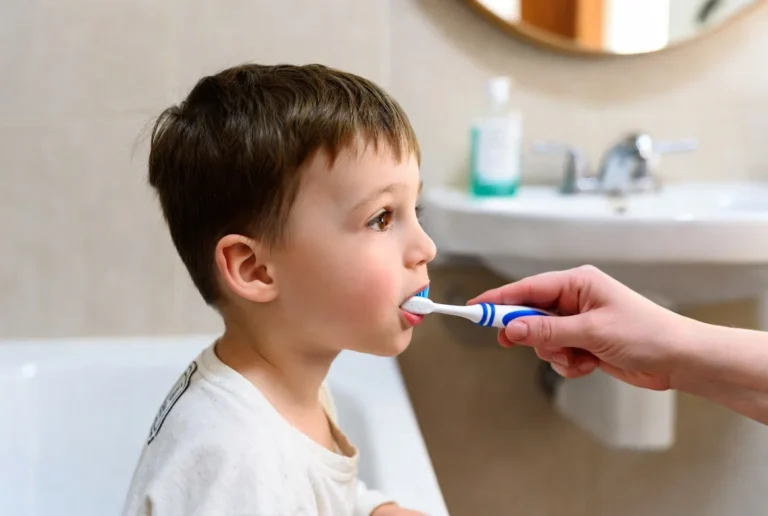
Many autistic children and adults struggle with brushing teeth due to intense sensory sensitivities (texture, taste, vibration) and executive dysfunction. When exploring alternatives to brushing teeth autism, it’s important to balance oral health with sensory safety.
While traditional brushing is the gold standard, “fed is best” logic applies to hygiene too. Options like chewable toothbrushes, ultra-soft silicone bristles, flavorless toothpaste, and water flossers can maintain oral health without causing distress. The goal is consistency and harm reduction—not perfection.
Why Brushing Teeth Is Hard for Many Autistic Individuals
To find the right alternative, we first have to validate the problem. In neurotypical development, the mouth is a zone of sensory exploration. In autism, the mouth is often a zone of sensory defense.
Sensory issues with brushing teeth are multifaceted. When an autistic person resists brushing, they are usually reacting to one (or all) of these triggers:
- Tactile Hypersensitivity: The gums and tongue are packed with nerve endings. For a hypersensitive individual, standard nylon bristles can feel abrasive or painful, similar to sandpaper.
- Gustatory (Taste) Aversion: Most toothpastes are flavored with strong mint (menthol), which can register as “burning” or “spicy” to a sensitive palate. Even fruit flavors can be overwhelmingly sweet or chemical-tasting.
- Proprioceptive & Vestibular Issues: Tilting the head back, opening the mouth wide, and inserting an object can trigger a gag reflex or a feeling of choking/loss of control.
- Auditory Sensitivity: The sound of brushing—that “scritch-scratch” noise inside the head—can be physically nauseating (misophonia). Electric toothbrushes add a vibration element that can feel like a drill.
Executive Functioning Challenges:
Beyond the sensory pain, brushing teeth is a complex task. It requires:
- Initiating the task (stopping a preferred activity).
- Sequencing steps (wet brush, apply paste, brush quadrants, spit, rinse).
- Motor planning (moving the hand in circles).
For autism and brushing teeth adults, this daily demand often hits right when “spoons” (mental energy) are lowest—at the very beginning or very end of the day.
What Is the Alternative to a Toothbrush for Autism?
If the standard brush is the enemy, we need a different tool. The goal is to remove plaque and disrupt bacteria. While mechanical removal (scrubbing) is best, there are alternatives to brushing teeth autism communities have used with success.
Chewable Toothbrush (Sensory-Friendly Option)
For children or adults who bite down on the brush or lack the motor skills for circular scrubbing, a chewable toothbrush can be a game-changer. These are often U-shaped trays made of food-grade silicone with bristles on both sides.
- How it works: You bite into the tray and chew. The chewing motion pushes the silicone bristles against the teeth, cleaning top and bottom simultaneously.
- Why it helps: It utilizes the natural urge to chew/bite (proprioceptive input) rather than fighting against it. It covers all teeth at once, reducing the time needed from 2 minutes to 30–60 seconds.
- Limitation: It is not as effective at cleaning the gum line as a manual brush, but it is infinitely better than no brushing at all.
Finger Toothbrushes
Originally designed for infants, these are silicone caps that fit over the index finger.
- Sensory Benefit: This removes the “stick” element, which can be frightening. The parent (or adult user) has direct tactile feedback of where they are touching. It feels more like a massage than a scrubbing.
- Control: It reduces the risk of accidental gagging because the finger can feel the back of the throat approaching.
Ultra-Soft or Silicone Brushes
If the bristles are the issue, switch the material.
- Nano-Brushes: These brushes have thousands of incredibly fine, densely packed bristles that feel like a velvet cloth rather than individual spikes. They are exceptionally gentle on sensitive gums.
- Silicone Bristle Brushes: Like the Foreo Issa, these use silicone nubs instead of nylon. They don’t scratch and harbor fewer bacteria.
Electric Toothbrushes
This is polarizing.
- The Pro: The vibration does the work for you. Some autistic seekers love the sensory buzz (vibration can be grounding).
- The Con: For avoiders, the buzzing is terrifying.
- Adaptation: Look for “sonic” brushes (which vibrate at a high frequency that feels more like a hum) rather than mechanical rotary brushes (which feel like shaking).
| Option | Best For | Pros | Limitations |
| Chewable (U-Shaped) | Kids/Adults who bite; Motor skill issues. | cleans all teeth at once; utilizes chewing urge. | Less effective at gumline; requires specific sizing. |
| Finger Brush | Severe tactile sensitivity; Gag reflex. | High control; softer texture; less invasive. | Hard to reach back molars; risk of being bitten (if parent uses). |
| Nano-Brush (Velvet) | “Gums hurt” complaints; bleeding gums. | Extremely soft; non-abrasive. | Dense bristles take longer to dry; harder to clean the brush. |
| Electric/Sonic | Sensory seekers; Limited dexterity. | High cleaning efficiency; timer included. | Vibration/noise can be a dealbreaker for some. |
What Are the Alternatives to Brushing Teeth When It Feels Impossible?
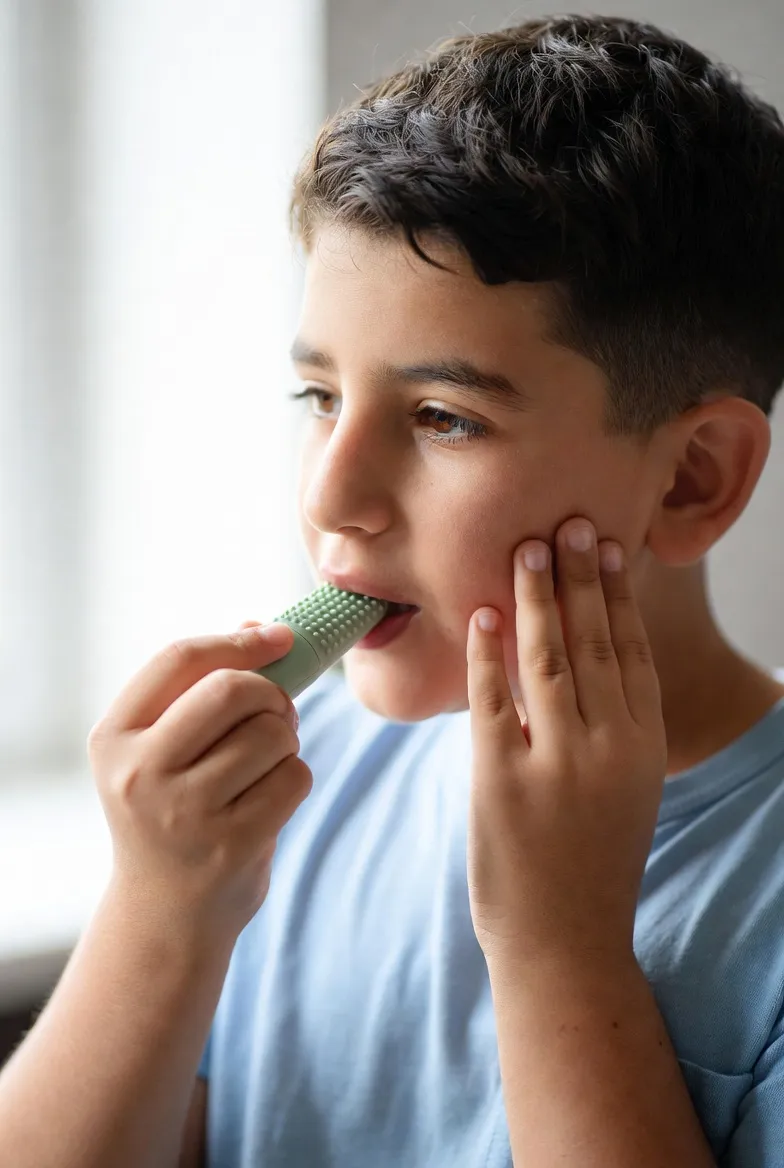
Sometimes, even a silicone brush is too much. In my practice, I often talk about “capacity.” On days when an autistic adult is in burnout or a child is in a meltdown cycle, we need alternatives to brushing teeth that act as harm reduction.
We need to bridge the gap between “perfect oral hygiene” and “doing nothing.”
1. Antibacterial Mouthwash
If you can’t scrub, rinse. A therapeutic mouthwash (alcohol-free to avoid the burn) can help reduce bacterial load.
- Tip: If “swishing” is a sensory trigger, simply holding the liquid in the mouth for 30 seconds and tilting the head side-to-side can help.
2. Xylitol Gum
This is one of my favorite “hacks” for alternatives to brushing teeth depression or burnout. Xylitol is a natural sugar alcohol that starves the bacteria that cause cavities.
- Protocol: Chewing gum with high concentrations of Xylitol immediately after eating helps neutralize acids and stimulates saliva (nature’s toothbrush).
- Sensory Note: It provides heavy work (chewing) which can be regulating for the jaw.
3. Water Flossers
For those who hate the friction of brushing but enjoy water play, a water flosser can be effective.
- Why: It blasts away food particles and plaque from between teeth and along the gumline using a focused stream of water.
- Sensory Warning: It can be messy and loud. Start on the lowest pressure setting.
4. Interdental Brushes
If flossing feels like “strangling the teeth” (a common description I hear), interdental brushes are tiny, pine-tree-shaped brushes that slide between teeth.
- How to use interdental brush: Gently insert between the gap of two teeth and move back and forth. It requires less dexterity than string floss and doesn’t cut off circulation to fingers.
5. The “Wipe” Method
For extreme sensory aversion or severe depression days:
- Wrap a clean piece of gauze or a soft washcloth around your finger.
- Dampen it with water (or a smear of xylitol gel).
- Rub the teeth and gums.
- Why this works: It physically removes the sticky biofilm (plaque) without the sensation of bristles or the foaming of paste.
What Is Flavorless Toothpaste for Autistic Children?
For many of my clients, the dealbreaker isn’t the brush—it’s the paste. Standard toothpaste foams (Sodium Lauryl Sulfate – SLS) and burns (Mint).
These are toothpastes formulated without flavor agents, sweeteners, or foaming agents. They taste like “nothing” or very faintly plain.
Key Considerations for Toothpaste:
- Zero Flavor vs. Mild Flavor: Some brands (like Oranurse) are truly flavorless. Others (like Tanner’s Tasty Paste) offer ice cream or chocolate flavors that lack the “spicy” mint kick.
- Foaming: Look for SLS-Free. The foaming sensation can trigger gag reflexes and make it feel like the mouth is overly full, leading to panic.
- Fluoride: There is often a debate here. From a dental perspective, fluoride is crucial for strengthening enamel, especially if brushing is inconsistent. However, if a child swallows paste, non-fluoride (hydroxyapatite) options are safer. Always consult your dentist.
Clinical Tip: You can brush with water alone. The mechanical action of the brush removes the plaque. Toothpaste is essentially a soap and fluoride delivery system. If the paste is the barrier, ditch it for now. Brushing with water is 90% better than not brushing at all.
Here is the second half of the comprehensive guide on sensory-friendly alternatives to brushing teeth for autism.
How to Get Kids With Autism to Brushing Their Teeth
Moving from “resistance” to “routine” requires strategy, not force. We need to lower the demand and increase the predictability.
1. Visual Schedules
Autistic brains often thrive on visual structure. A visual schedule breaks the abstract concept of “brush your teeth” into concrete steps:
- Get toothbrush.
- Put on paste (pea size).
- Brush top teeth.
- Brush bottom teeth.
- Spit.
- Finished.
2. Social Stories
A Social Story™ explains why we brush in simple, non-threatening language. Instead of “You have to or your teeth will rot” (fear-based), try: “I brush my teeth to get the sugar bugs off. My teeth feel smooth and clean. When I am done, I can play with my trains.”
3. The “Test” Concept (Gamification)
Reframing the task can reduce anxiety.
- The Plaque Disclosing Tablet: These chewable tablets turn plaque pink or blue. It turns brushing into a game: “Let’s scrub away the pink spots!” It provides immediate visual feedback on where to brush.
- The Timer: Use a visual timer (like a Time Timer) or a fun 2-minute song. The endpoint must be clear. “Until I say stop” is terrifyingly vague for an autistic child.
4. Gradual Desensitization
If the toothbrush is the enemy, start with the idea of the toothbrush.
- Day 1: Touch the brush to the lips. (Reward).
- Day 2: Touch the brush to the front teeth. (Reward).
- Day 3: Brush for 5 seconds. (Reward).
- Goal: We are building tolerance, not perfection. If 10 seconds is the limit today, accept 10 seconds and try for 11 tomorrow.
Autism and Brushing Teeth in Adults
We often focus on children, but autism and brushing teeth adults is a massive, silent struggle. Adult autistic burnout can make hygiene the first thing to go.
The “Spoon Theory” of Hygiene
For an autistic adult, masking all day at work drains the executive function battery. By bedtime, the steps involved in brushing (standing, sensory input, spitting) feel insurmountable.
- Strategy: Brush when you have energy. Who says you must brush right before bed? If you have energy at 7 PM after dinner, brush then.
- Strategy: Keep supplies everywhere. Keep a toothbrush in the shower (multitasking). Keep floss picks at your desk or near the TV. Lower the barrier to entry.
Co-Occurring Challenges
Depression and sensory processing disorder often overlap. If you are too depressed to stand at the sink:
- Sit on the floor.
- Brush in bed with a bowl for spitting.
- Use a dry brush while watching TV.
Brushing Teeth Properly (When Possible)
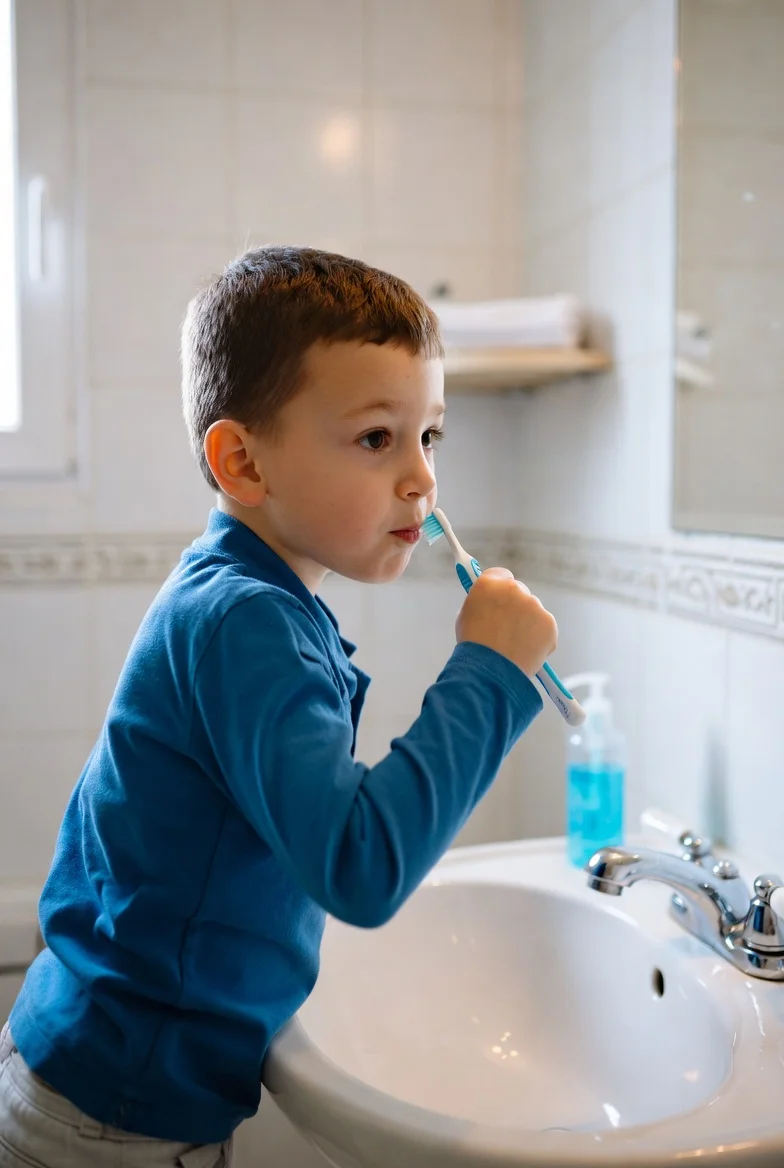
When you can brush, aim for the gold standard. But remember, “fed is best” applies here too. Any brushing is better than none.
How to brush teeth properly:
- Angle: Hold the brush at a 45-degree angle to the gums.
- Motion: Use gentle, short strokes (tooth-wide). Do not saw back and forth.
- Surfaces: Clean the outer, inner, and chewing surfaces.
- Time: 2 minutes is ideal.
- Frequency: Brush your teeth twice a day.
Note: Electric toothbrushes often do the oscillating for you, so you just need to hold it in place, which simplifies the motor planning.
Is It Safe to Brush Teeth With Salt or Hydrogen Peroxide?
In the search for alternatives, patients often turn to home remedies.
- Brushing teeth with salt: While salt is antibacterial, it is highly abrasive. Scrubbing with salt crystals can scratch enamel and irritate sensitive gums, making future brushing even more painful.
- Brushing teeth with hydrogen peroxide: This is a bleaching agent. While it kills bacteria, using it undiluted or too frequently can cause chemical burns on the gums and alter the oral microbiome.
Verdict: Stick to xylitol or plain water if toothpaste is the issue. Do not use kitchen abrasives.
Depression vs Autism: When Tooth Brushing Avoidance Is Emotional
It is crucial to distinguish alternatives to brushing teeth depression from autism-specific avoidance.
- Autism: “The bristles hurt my gums” (Sensory). “I can’t organize the steps” (Executive Function).
- Depression: “I don’t care if my teeth rot” (Anhedonia/Hopelessness). “I can’t physically get out of bed” (Psychomotor retardation).
Overlap: Autistic burnout often looks like depression. The strategies (lowering demands, using mouthwash/wipes) work for both. If avoidance is driven by a lack of will to live or care for oneself, this requires psychological support alongside dental strategies.
When to Seek Professional Help
If you have tried desensitization, flavorless paste, and different brushes, and the battle continues, bring in a professional.
- Pediatric Dentist (Special Needs): Look for a dentist who offers “happy visits” (no exam, just sitting in the chair) and understands sensory adaptations.
- Occupational Therapist (OT): They can work on the underlying sensory integration issues. They might prescribe oral motor exercises to reduce gag reflex sensitivity.
- Behavioral Feeding Therapist: If the aversion extends to eating textures, a speech-language pathologist (SLP) specializing in feeding is essential.
Conclusion: Progress Over Perfection
Oral hygiene is a marathon, not a sprint. If today you only managed to wipe your child’s teeth with a washcloth, you won. If you are an autistic adult and you swished with mouthwash because you couldn’t face the brush, you took care of yourself.
By respecting the sensory reality of autism and using these alternatives to brushing teeth, we can move from a battleground to a routine that is sustainable, healthy, and kind.
FAQ Section
What can I use instead of a toothbrush for autism?
You can use a chewable toothbrush (U-shaped silicone tray), a finger brush, a soft washcloth wrapped around a finger, or interdental brushes.
Are chewable toothbrushes effective?
They are less effective than manual brushing at the gumline but are significantly better than no brushing at all. They are an excellent interim solution for those with motor or sensory challenges.
Is flavorless toothpaste safe for children?
Yes. Most unflavored toothpastes are formulated to be safe. If your child cannot spit yet, look for a fluoride-free option (often containing hydroxyapatite) to avoid stomach upset.
How do I help an autistic adult brush their teeth?
Focus on sensory accommodation (softest bristles possible), timing (brush when energy is high, not just at bedtime), and tools (electric brushes do the work for you).
Can mouthwash replace brushing?
No, mouthwash cannot remove sticky plaque (biofilm). However, it is a helpful adjunct to reduce bacteria when mechanical brushing is impossible due to sensory overload.
References & High-Quality Sources
- American Dental Association (ADA) – Special Needs
- Autism Speaks – Dental Tool Kit
- Sensory Processing Disorder Foundation
- National Institute of Dental and Craniofacial Research
- The Autistic Self Advocacy Network (ASAN)

Related Posts





Subscribe to Our Newsletter
Get mental health tips, updates, and resources delivered to your inbox.
MORE from Author
Read More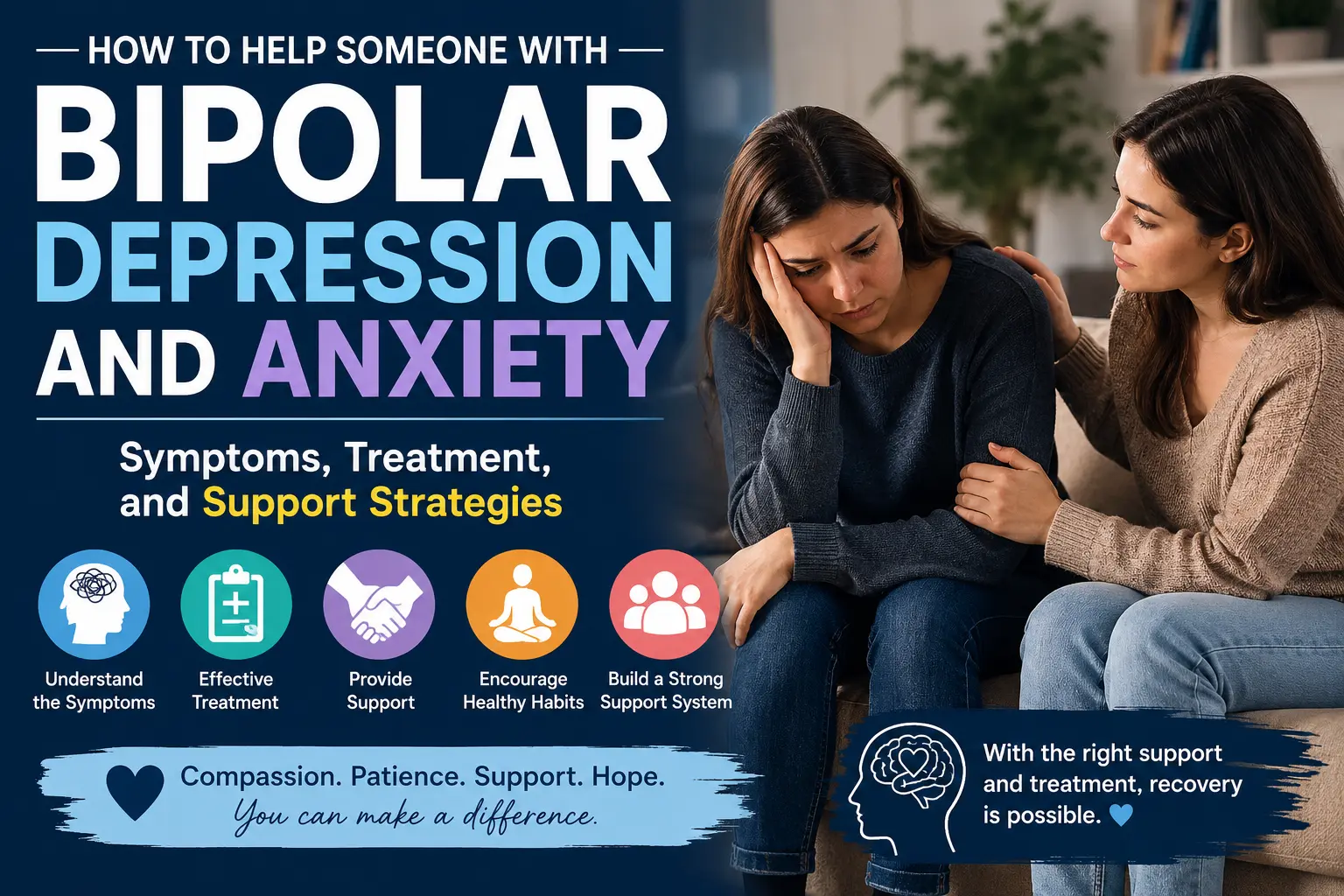 Watching someone you care about struggle with bipolar depression and anxiety can be heartbreaking. You may notice that they withdraw…
 In my practice as a clinical psychologist, I often observe that the difference between a patient who crumbles under pressure…
 We all have "up" days and "down" days. Perhaps you feel energized after a promotion or sluggish on a rainy…
 To define bipolar disorder accurately, we must look at it as a chronic mood dysregulation condition. In psychology and medicine,…
Are you looking for a Therapist?
Connect with qualified mental health professionals who understand
bipolar disorder, mood changes, and emotional challenges.
Private • Supportive • Confidential