
Autism and Nervous System: How It Affects Regulation, the Brain, and the Body
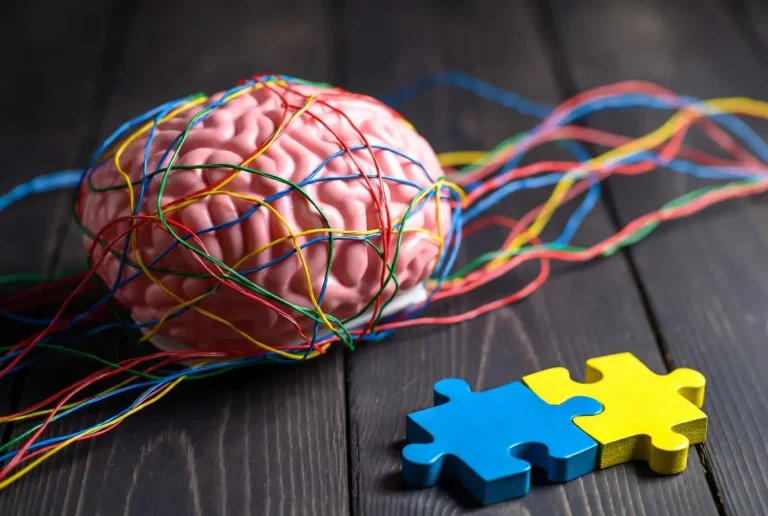
Autism is a neurodevelopmental condition that fundamentally affects how the brain and nervous system process sensory, emotional, and social information. The connection between autism and nervous system regulation is central to understanding these differences.
Research indicates that many autistic individuals experience autonomic nervous system differences—specifically a bias toward the sympathetic (“fight or flight”) system and reduced parasympathetic (“rest and digest”) recovery. This physiological pattern often underlies common challenges like sensory sensitivity, anxiety, and meltdowns.
Is Autism a Nervous System Disorder?
A common question I receive from patients and families is: Is autism a nervous system disorder? The terminology matters here.
Clinically, autism is defined as a neurodevelopmental condition. This means it originates in the early development of the brain and affects the Central Nervous System (CNS). It is not a disease in the degenerative sense (like Parkinson’s or Alzheimer’s), nor is it a mental illness in the traditional sense. It is a divergence in how the nervous system is wired.
Is autism considered neurological?
Yes. Autism affects the physical structure and functional connectivity of the brain. While we categorize it psychologically based on behaviors (social communication, repetitive movements), the root is biological.
However, autism is increasingly viewed as a “whole-body” condition. It doesn’t just affect the brain; it affects the peripheral nervous system as well. This is why so many autistic individuals struggle with issues seemingly unrelated to “behavior,” such as:
- Gastrointestinal (GI) distress (regulated by the enteric nervous system).
- Sleep disorders (regulated by circadian rhythms and melatonin production).
- Motor coordination issues (regulated by the cerebellum).
In short: Autism is a condition of the nervous system that influences how a person perceives, processes, and reacts to the world.
Nervous System Anatomy Made Simple
To understand why a tag in a shirt can cause a meltdown, we need a quick anatomy lesson. The nervous system is the body’s electrical wiring, responsible for transmitting signals between the brain and the rest of the body.
Structure of the Nervous System
The system is divided into two main headquarters:
- Central Nervous System (CNS): This consists of the brain and the spinal cord. It is the command center where processing happens.
- Peripheral Nervous System (PNS): These are the nerves that branch out from the spinal cord to the arms, legs, and organs. It is the delivery network.
The Autonomic (Involuntary) Nervous System
Within the peripheral system lies the Autonomic Nervous System (ANS). This is crucial for understanding autism because it controls involuntary functions—things you don’t think about, like heart rate, digestion, and breathing. The ANS has two main branches that act like a gas pedal and a brake:
- Sympathetic Nervous System: The “gas pedal.” It prepares the body for action (Fight or Flight).
- Parasympathetic Nervous System: The “brake.” It calms the body down (Rest and Digest).
Voluntary vs Involuntary Nervous System
- Somatic (Voluntary): Controls voluntary movements, like walking or waving your hand.
- Autonomic (Involuntary/Visceral): Controls internal organs and glands. It is often called the “vegetative nervous system” in older texts because it keeps the body alive without conscious effort.
Four Core Functions of the Nervous System
The nervous system has four primary jobs, all of which can be impacted in autism:
| Function | Description | Relevance to Autism |
| 1. Sensory Input | Gathering data from the environment (sight, sound, touch). | High Relevance: Autistic brains often process input too intensely (hypersensitivity) or not enough (hyposensitivity). |
| 2. Integration | Processing and interpreting that data in the brain. | High Relevance: This is “executive function.” The autistic brain may struggle to filter or prioritize incoming data. |
| 3. Motor Output | Sending signals to muscles to react. | Medium Relevance: Can manifest as stimming (repetitive movement) or dyspraxia (clumsiness). |
| 4. Homeostasis | Maintaining internal balance (temperature, heart rate). | High Relevance: Many autistic individuals struggle to regulate body temp, sleep, or arousal levels. |
How Does the Nervous System Maintain Homeostasis?
Homeostasis is the body’s ability to maintain a stable internal environment despite external changes. If you walk into a cold room, your nervous system shivers to warm you up. If you are chased by a dog, your heart rate spikes, but it should return to normal once the dog is gone.
How does the nervous system maintain homeostasis?
It uses a feedback loop. Sensors detect a change (stress), the brain integrates the information, and the autonomic nervous system triggers a response to restore balance.
In a neurotypical nervous system, this regulation happens seamlessly. In an autistic nervous system, this mechanism is often fragile. The “thermostat” may be broken or set too sensitive, meaning the body struggles to return to baseline after a stressor. This leads to a state of chronic dysregulation, where the body is constantly fighting to find balance but over-correcting or failing to adapt.
Autism and Nervous System Dysregulation
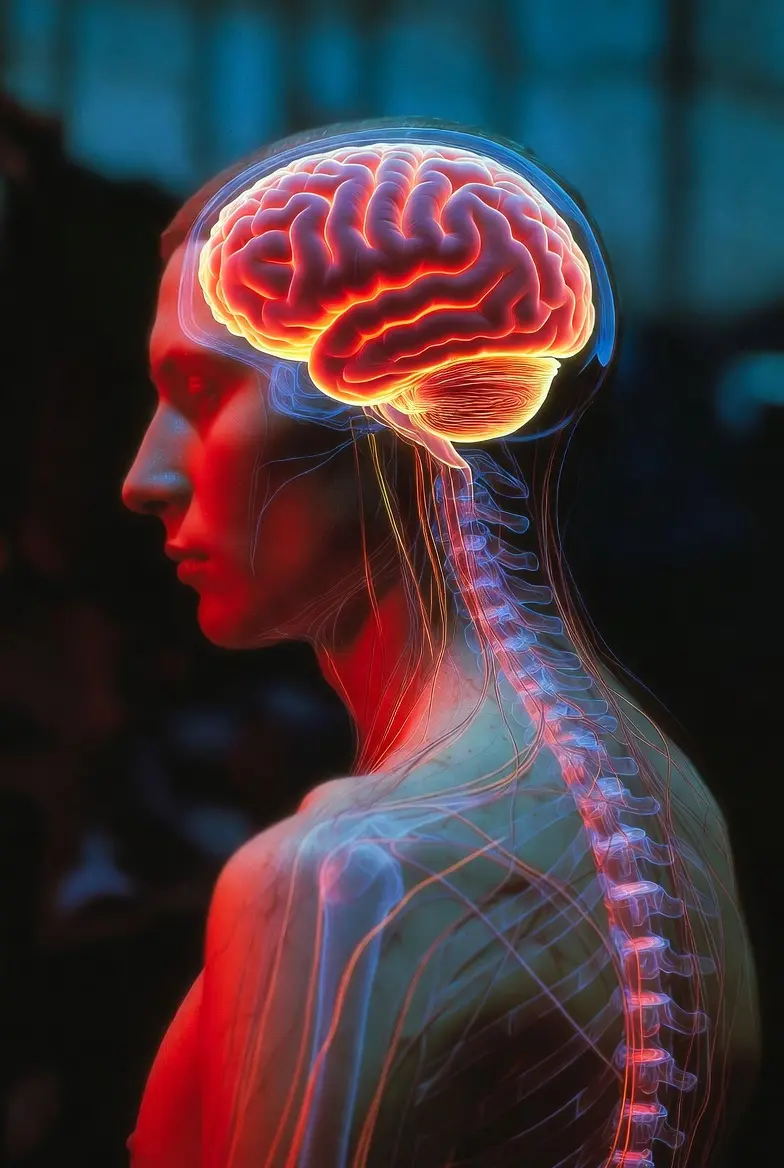
This brings us to the core of the issue: Autism nervous system dysregulation.
In my work with patients, I often explain that what looks like “stubbornness” or “emotional instability” is often a nervous system that is biologically unable to settle. How does autism affect the brain and nervous system? Current research suggests that autistic individuals often have a baseline state of hyperarousal.
The “Sensitive Nervous System”
Do autistic people have a sensitive nervous system? Yes, overwhelmingly so. Studies on vagal tone (a measure of parasympathetic function) show that autistic children and adults often have:
- High Sympathetic Tone: Their resting heart rate and stress hormones are higher than average. They are idling in “fight or flight.”
- Low Vagal Tone: The “brake” (vagus nerve) is weak. Once stressed, it takes them much longer to calm down than their peers.
This dysregulation explains the autism fight or flight response. When the brain cannot filter sensory input (the hum of lights, the smell of perfume), the nervous system perceives the environment as unsafe. The body dumps adrenaline into the bloodstream, leading to a meltdown (fight), elopement (flight), or shutdown (freeze).
The Sympathetic vs Parasympathetic Nervous System in Autism
To manage autism effectively, we must understand the tug-of-war between these two systems.
Sympathetic (Fight or Flight)
The sympathetic nervous system is designed for survival. It dilates pupils, inhibits digestion, and pumps blood to muscles.
In autism, this system is often chronically overactive.
- Manifestation: Anxiety, rapid speech, pacing, aggression (meltdowns), and GI issues (because digestion stops when you are “fighting a tiger”).
- The Trigger: It doesn’t take a tiger. A change in routine or a loud noise can trigger a full survival cascade.
Parasympathetic (Rest and Digest)
The parasympathetic nervous system is responsible for recovery, social engagement, and healing. It is governed largely by the Vagus Nerve.
In autism, this system is often underactive.
- Manifestation: Difficulty sleeping, difficulty digesting food, and trouble reading social cues.
- The Social Engagement System: According to Polyvagal Theory, the parasympathetic system controls the muscles of the face and voice. When we are safe, we can make eye contact and listen. When we are in sympathetic activation, those “social” functions turn off. This explains why an overwhelmed autistic person may go non-verbal or avoid eye contact—their nervous system has prioritized survival over socializing.
Autism and Vagus Nerve Stimulation
Given the evidence of low vagal tone in autism, there is growing interest in autism and vagus nerve stimulation (VNS).
The Vagus Nerve is the longest cranial nerve, running from the brainstem to the gut. It is the primary driver of the parasympathetic response.
Can We “Tone” the Vagus Nerve?
While surgical VNS is used for epilepsy, psychologists and OTs focus on non-invasive stimulation to help autistic clients regulate.
- Deep Breathing: Slow, rhythmic breathing (especially long exhales) physically stimulates the vagus nerve.
- Humming/Chanting: The vibration of the vocal cords stimulates the nerve as it passes through the throat.
- Cold Exposure: Splashing cold water on the face can trigger the “mammalian dive reflex,” forcing a parasympathetic reset.
Research Status: While promising, VNS is not a “cure.” It is a regulation tool. In my practice, I teach clients to use “bottom-up” strategies (calming the body to calm the mind) rather than trying to “think” their way out of a meltdown.
ADHD and Nervous System Dysregulation
Autism rarely travels alone. Many autistic individuals also have ADHD (Attention-Deficit/Hyperactivity Disorder), creating a unique nervous system profile.
ADHD and nervous system dysregulation share a common theme with autism: a struggle to regulate arousal. However, the mechanism differs slightly.
- Autism: Often involves sensory hypersensitivity and a rigid need for predictability to manage anxiety.
- ADHD: Often involves a search for stimulation (dopamine seeking) followed by a sudden crash.
Nervous System Regulation in ADHD: The ADHD nervous system has a “leaky filter.” It struggles to inhibit irrelevant stimuli (distractions). This constant processing leads to rapid fatigue and emotional dysregulation.
- The “HPA Axis”: Chronic stress from trying to focus keeps cortisol levels high.
- Impulsivity: The gap between feeling an emotion and acting on it is shorter. This is often because the prefrontal cortex (the “brakes”) is underactive, while the limbic system (the “gas”) is overactive.
Do Autistic People Have a Sensitive Nervous System? Yes. While ADHD brains seek stimulation, autistic brains often seek safety from it. When both conditions coexist (AuDHD), the nervous system is in a constant tug-of-war: “I need stimulation to focus, but that stimulation hurts.”
Autism Nervous System Regulation — Can It Be Improved?
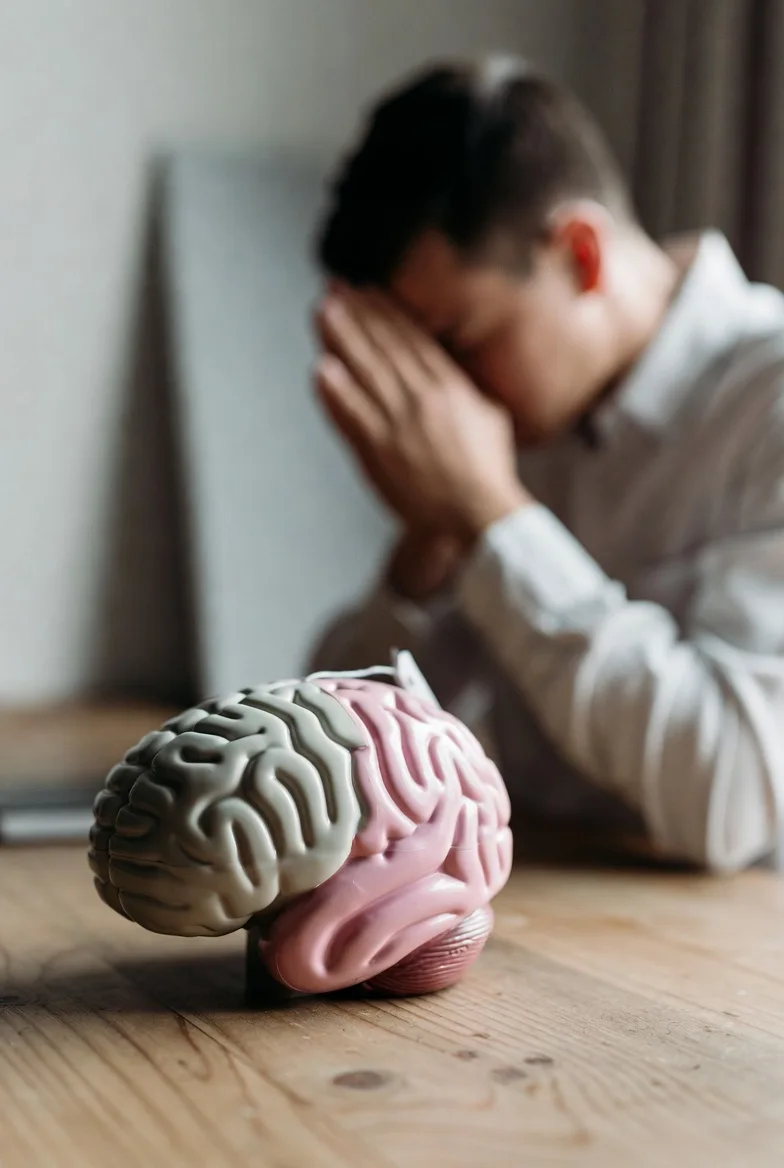
The goal is not to “fix” the autistic brain but to support it. Autism nervous system regulation focuses on widening the “window of tolerance”—the zone where a person can function without shutting down or melting down.
We avoid terms like “restoring the autistic nervous system” because it implies something was broken. Instead, we focus on skill-building and environmental adaptation.
Evidence-Based Regulation Tools:
- Sensory Accommodations:
- Reduce Input: Noise-canceling headphones, dimmed lights, seamless clothing.
- Add Input (Proprioception): Deep pressure therapy (weighted blankets, heavy lifting) calms the sympathetic nervous system.
- Breath Regulation:
- “Physiological Sigh”: Two sharp inhales through the nose followed by a long exhale through the mouth. This offloads carbon dioxide and signals safety.
- Vagal Toning:
- Humming/Singing: Stimulates the vagus nerve via vocal cord vibration.
- Cold Water: Splashing cold water on the face triggers the mammalian dive reflex, slowing the heart rate.
- Sleep Optimization:
- Melatonin: Autistic individuals often produce less melatonin naturally.
- Circadian Rhythm: Consistent wake/sleep times are non-negotiable for nervous system repair.
Why Do Psychologists Study the Brain and Nervous System?
Patients often ask, “Why do psychologists study the brain and the nervous system? Isn’t that for neurologists?”
The answer is simple: Behavior is biology. You cannot separate the mind from the body.
- Behavioral Neuroscience: This field explores how brain structures (like the amygdala) influence emotions (like fear).
- Brain-Behavior Connection: Understanding that a meltdown is a physiological event (nervous system overload) changes how we treat it. We don’t punish a seizure; we shouldn’t punish a meltdown.
- Developmental Psychology: Studying how the nervous system develops helps us create early interventions that support regulation, rather than just compliance.
By understanding the hardware (the nervous system), psychologists can better help with the software (thoughts and behaviors).
What Are the Three Main Symptoms of Autism in Adults?
While every autistic person is unique, the diagnostic criteria center on three core areas that reflect nervous system differences.
What are the three main symptoms of autism in adults?
- Social Communication Differences:
- Difficulty reading non-verbal cues (tone, facial expressions).
- Preference for direct, literal communication.
- Nervous System Link: The social engagement system (ventral vagal) may shut down under stress, making eye contact or conversation physically exhausting.
- Restricted/Repetitive Behaviors:
- Need for routine and predictability.
- Intense, focused interests (“special interests”).
- Nervous System Link: Repetition (stimming) is a self-soothing mechanism to regulate an overwhelmed nervous system.
- Sensory Processing Differences:
- Hypersensitivity (pain from noise/light) or hyposensitivity (seeking deep pressure).
- Nervous System Link: This is the direct result of altered sensory gating in the brain.
What Is the “10-Second Rule” for Autism?
This is a practical tool I teach families and employers.
What is the 10-second rule for autism? It is the practice of waiting 10 seconds after asking a question before expecting an answer.
Why it works: The autistic brain often has a longer “processing speed” for auditory information.
- Hear: The ears receive the sound.
- Process: The brain must decode the words, interpret the meaning, and formulate a response.
- Respond: The motor cortex must send signals to the mouth to speak.
In a dysregulated nervous system, this path is cluttered. Rushing the person (“Did you hear me? Answer me!”) adds more input, often causing a shutdown. Waiting 10 seconds allows the processing loop to close naturally.
Frequently Asked Questions
Is autism a central nervous system disorder?
Yes. Autism is a neurodevelopmental condition that affects the development and function of the Central Nervous System (brain and spinal cord).
How does autism affect the autonomic nervous system?
Autism is often associated with dysregulation of the autonomic nervous system, specifically an overactive sympathetic response (“fight or flight”) and an underactive parasympathetic response (“rest and digest”).
Can nervous system regulation improve autism symptoms?
Yes. While it doesn’t “cure” autism, learning regulation strategies (like deep pressure, breathwork, and sensory diet) can significantly reduce anxiety, meltdowns, and behavioral challenges.
Is autism linked to fight-or-flight activation?
Yes. Many autistic individuals live in a state of chronic low-level “fight or flight” due to sensory and social stressors, making them quicker to react to triggers.
Does ADHD involve nervous system dysregulation?
Yes. ADHD involves deficits in executive function and emotional regulation, often leading to impulsivity and difficulty returning to calm after excitement or stress.
Conclusion: Moving from Behavior to Biology
Understanding autism through the lens of the nervous system is transformative. It shifts the focus from “controlling behavior” to supporting physiology. When we recognize that a meltdown is a nervous system fire, we stop adding fuel (shouting, demands) and start using water (calm, safety, quiet).
By respecting the unique wiring of the autistic nervous system, we can create environments where autistic adults and children don’t just survive—they thrive.
References & High-Quality Sources
Related Posts





Subscribe to Our Newsletter
Get mental health tips, updates, and resources delivered to your inbox.
MORE from Author
Read More In my practice as a clinical psychologist, I often observe that the difference between a patient who crumbles under pressure…
- We all have "up" days and "down" days. Perhaps you feel energized after a promotion or sluggish on a rainy…


 To define bipolar disorder accurately, we must look at it as a chronic mood dysregulation condition. In psychology and medicine,…
 To answer whether bipolar fits the bill, we first have to define what a neurodivergent person actually is. The term…
Are you looking for a Therapist?
Connect with qualified mental health professionals who understand
bipolar disorder, mood changes, and emotional challenges.
Private • Supportive • Confidential