
Quiet BPD: Symptoms, Signs, Relationships, and Treatment Explained

Medically reviewed by Laura Athey Updated Date: April 21, 2026

Many people with quiet BPD appear completely calm on the outside. But inside, they often struggle with intense emotional pain. What is quiet BPD? It is an unofficial but widely recognized subtype of borderline personality disorder.
Individuals direct their emotional turmoil entirely inward. Therefore, friends and family rarely notice the suffering. Consequently, you might feel entirely alone in your struggles.
In my clinical practice, I frequently see highly capable individuals hiding profound emotional exhaustion. A clear, quiet BPD definition helps us understand why it often goes undiagnosed for years.
First of all, we will explore the signs of quiet BPD. Then, we will look at relationships and evidence-based treatments.
What Is Quiet BPD?
Patients often ask me, “Is quiet BPD real?” The short answer is yes. However, you will not find it listed as a separate diagnosis in the Diagnostic and Statistical Manual of Mental Disorders (DSM-5-TR).
Instead, it is a specific presentation of borderline personality disorder. Because patients internalize their symptoms, psychologists sometimes call it “high-functioning BPD.”
People with this condition experience the same intense emotional dysregulation as classic BPD. But rather than lashing out, they lash “in.” For instance, they direct anger, shame, and fear entirely at themselves. As a result, they suffer silently.
The American Psychiatric Association notes that severe emotional instability marks BPD. In quiet BPD, a mask of high achievement or stoicism hides that instability.
In my practice, I often observe how chronic sleep deprivation worsens this internal masking. When a patient lacks restorative sleep, their executive function drops. Consequently, their biological ability to regulate circadian rhythms falters.
This disruption almost always leads to a sudden, private emotional crash.
Quiet BPD vs Typical BPD: What Makes It Different?

When comparing quiet BPD vs. BPD, the main difference lies in where the emotions go. Specifically, it comes down to externalized versus internalized distress.
A typical BPD presentation often involves visible mood swings and outward conflict. In contrast, quiet BPD involves intense self-blame and emotional withdrawal.
Many people use terms like “high-functioning borderline” vs. “low-functioning borderline” to describe this difference. However, I strongly caution against using the word “functioning” as a measure of suffering.
Someone might hold down a demanding job while experiencing agonizing emotional pain. Therefore, “high-functioning” usually just means “high-masking.” They simply hide their pain better.
| Trait | Quiet BPD | Classic BPD |
| Expression of Anger | Directed inward (self-blame, silent guilt) | Directed outward (outbursts, verbal conflict) |
| Fear of Abandonment | Withdrawing, people-pleasing, isolating | Frantic efforts to prevent being left |
| Interpersonal Style | Avoiding conflict, hiding true feelings | Volatile relationships, frequent arguments |
| Visibility | Hidden from friends, family, and coworkers | Readily visible to loved ones and clinicians |
Signs and Symptoms of Quiet BPD
Identifying quiet BPD symptoms can be incredibly difficult for both patients and clinicians. Because the signs remain invisible to observers, mental health professionals commonly misdiagnose it.
First of all, profound emotional suppression serves as a hallmark trait. You might feel a crushing wave of sadness or anger. Yet, you instinctively push it down to avoid burdening others. Consequently, this suppression fuels a harsh inner critic.
Another core symptom is the intense internalization of anger. Instead of yelling at someone who hurt you, you convince yourself it was your fault. Thus, feelings of quiet BPD often manifest as toxic shame.
Furthermore, individuals often experience dissociative states. They mentally disconnect from their feelings just to survive the workday. This neurobiological defense mechanism protects them temporarily but causes long-term harm.
I recently worked with a patient I will call Sarah. She came to therapy seeking help for chronic anxiety. On the surface, she was a highly successful project manager.
However, during our sessions, we uncovered deep patterns of emotional masking. Whenever a friend canceled plans, Sarah did not express frustration to them. Instead, she spiraled into intense self-hatred.
She genuinely believed she was fundamentally unlovable. Sarah was exhibiting classic signs of quiet BPD. By utilizing Dialectical Behavior Therapy (DBT), we targeted her brain’s neuroplasticity.
We literally rewired how her brain responded to perceived rejection. As a result, she finally learned to externalize her feelings safely and build self-compassion.
What Does Quiet BPD Feel Like Internally?
Many people ask me, “What does quiet BPD feel like inside?” My patients often describe it as carrying a heavy, invisible backpack. You smile at work, but you feel utterly exhausted from managing your emotions.
Furthermore, you might feel like you are walking on eggshells with yourself. You constantly monitor your own reactions to avoid an internal crisis. So, what does quiet BPD look like to the person living it?
It feels like being an emotional chameleon. You constantly adapt your personality to fit what others need. Because you fear abandonment, you erase your own needs entirely. Consequently, this leads to a profound loss of identity.
You might look in the mirror and genuinely not know who you are. The National Institute of Mental Health recognizes this chronic emptiness as a core feature of borderline personality disorder. Ultimately, it is a deeply isolating experience.
Quiet BPD Splitting: What It Looks Like
Splitting is a psychological defense mechanism. It causes a person to see things in absolute, black-and-white terms. In typical BPD, splitting often causes explosive arguments. But quiet BPD splitting is an entirely internal earthquake.
You might suddenly switch from idealizing someone to silently resenting them. However, you never tell them about this shift. What does quiet BPD splitting look like in real time?
Imagine your favorite person takes too long to text back. Instantly, your brain decides they hate you. Instead of confronting them, you withdraw completely to protect your feelings.
Therefore, what does a quiet BPD episode look like? It looks like sudden, unexplained silence. You retreat into your shell without warning. Because you believe you are a burden, you isolate yourself.
Consequently, friends might just think you are busy or tired. In reality, you are fighting a massive internal war. You desperately want a connection, but fear keeps you frozen.
Quiet BPD Triggers and Causes
What causes quiet BPD? The exact origins remain highly complex. However, we usually observe a mix of genetics and environment. Childhood trauma plays a massive role.
Specifically, childhood emotional neglect heavily influences how BPD triggers quiet BPD symptoms. Caregivers might have routinely dismissed a child’s feelings. Consequently, the child learned to hide their emotions to survive.
The National Institute of Mental Health highlights significant genetic risks. If a close family member has borderline personality disorder, your risk increases. Brain structure also matters tremendously.
For instance, brain scans often show differences in areas controlling impulsivity. Therefore, biological differences in executive function make emotional regulation physically harder.
Quiet BPD in Relationships: The Hidden Struggles
Managing quiet BPD in relationships is incredibly exhausting. Your romantic partnerships often feel like walking a tightrope. You desperately crave deep connection. Yet, you simultaneously fear intimacy.
Quiet BPD and romantic relationships usually involve a severe fear of abandonment. Because you fear rejection, you constantly hide your true needs. You become a chronic people-pleaser.
Furthermore, many individuals develop a quiet BPD favorite person. This individual becomes the center of your emotional universe. You depend on them entirely for emotional validation.
However, this over-attachment creates immense internal pressure. If your favorite person seems slightly distant, panic immediately sets in. Instead of asking for reassurance, you practice silent emotional withdrawal.
How does quiet BPD affect relationships practically? It creates an invisible, heavy wall. Your partner genuinely thinks everything is fine. Meanwhile, you are silently pulling away.
You might suddenly convince yourself that your partner is better off without you. Therefore, you self-sabotage the connection. You slowly distance yourself until the relationship ultimately shatters.
In my clinical experience, targeted couples therapy helps tremendously. We focus heavily on building safe communication. Partners must learn to read subtle, quiet shifts in emotional energy.
How Is Quiet BPD Diagnosed?
How is BPD diagnosed accurately? A mental health professional must conduct a thorough clinical evaluation. They review your medical history, mood patterns, and daily habits.
The Diagnostic and Statistical Manual of Mental Disorders (DSM-5-TR) lists standard criteria. A skilled clinician looks for internalizing patterns rather than outward, explosive outbursts.
Total honesty during evaluation is absolutely crucial. Because you mask your symptoms naturally, you must deliberately share your hidden pain. Otherwise, doctors might accidentally misdiagnose you with persistent depression.
Treatment Options for Quiet BPD
Effective quiet BPD treatment requires ongoing patience and targeted strategies. You cannot cure a personality disorder overnight. However, you can definitely learn to manage it successfully.
So, how to treat quiet BPD effectively? Dialectical Behavior Therapy (DBT) is the absolute gold standard. DBT specifically targets severe emotional dysregulation. It improves distress tolerance very safely.
DBT relies heavily on brain neuroplasticity. We actively train the brain to pause before reacting. Consequently, you learn to externalize emotions without feeling completely overwhelmed.
Schema therapy is another incredibly powerful tool. It addresses deep, unhealed childhood wounds. You learn to gently challenge the core belief that you are fundamentally flawed.
Sometimes, psychiatrists utilize targeted medication support. The FDA has not approved any specific drug solely for BPD. Yet, doctors prescribe antidepressants or mood stabilizers to manage severe anxiety.
Always consult a healthcare professional before starting any supplements or medications. Only a doctor can evaluate dangerous drug–supplement interactions or specific, risky side effects.
How to Cope With Quiet BPD in Daily Life
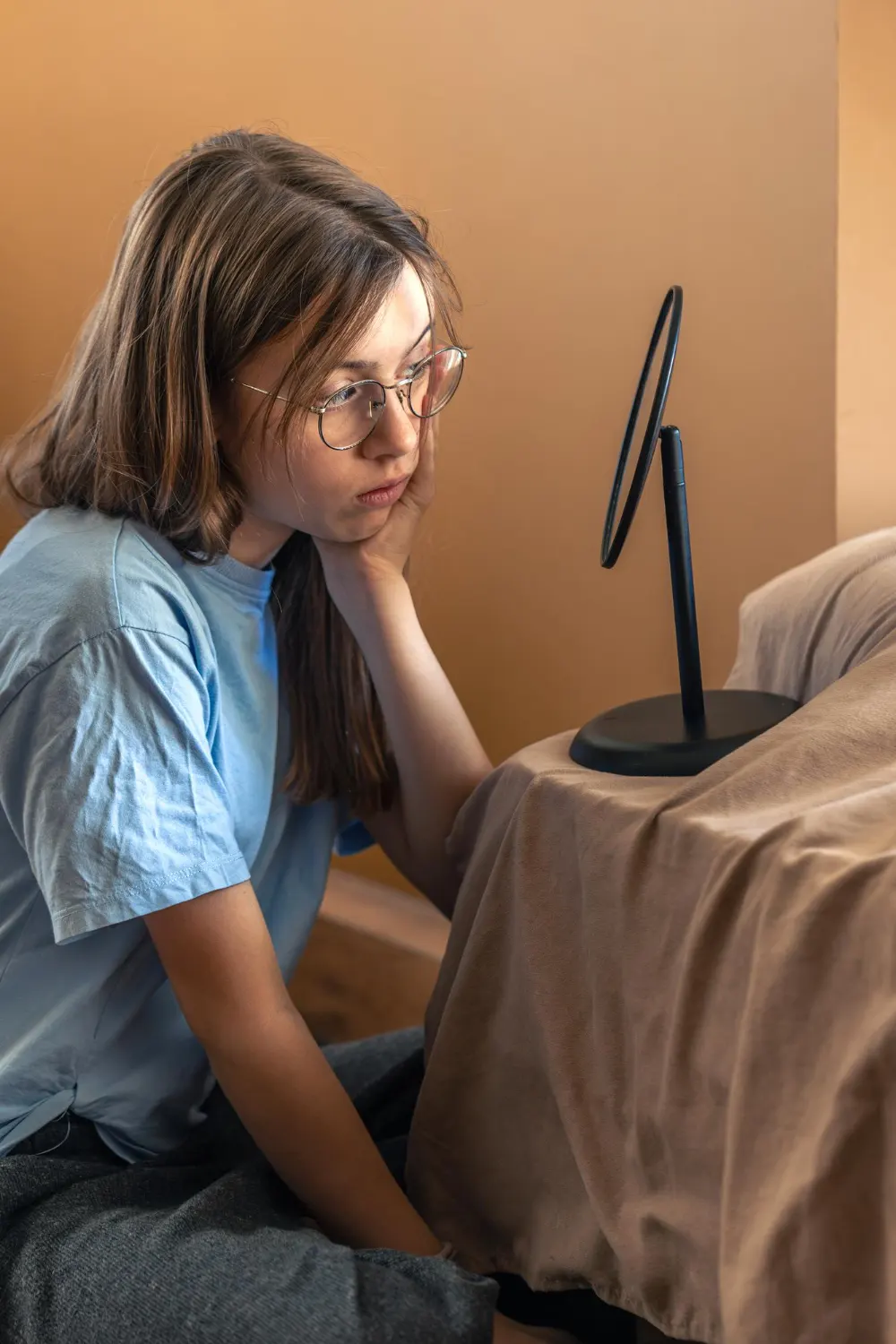
Learning how to cope with quiet BPD daily is vital for recovery. First of all, practice naming your feelings aloud. Daily journaling helps externalize the internal pain safely.
Next, start setting very small boundaries. Try saying “no” to a minor request. It feels completely terrifying initially. However, it builds necessary self-trust over time.
If you want to know how to help someone with quiet BPD, practice extreme patience. Create a safe, non-judgmental space. Reassure them constantly that their heavy feelings are valid.
Quiet BPD in Men: Why It’s Often Missed
We must actively discuss quiet BPD in men. Society routinely expects men to hide their emotions entirely. Consequently, male patients mask their symptoms incredibly deeply.
Doctors frequently misdiagnose these suffering men with major depression or ADHD. Chronic emotional suppression patterns lead to severe burnout. Therefore, many men suffer in complete, dangerous silence.
Frequently Asked Questions
Experiencing Joy With BPD Symptoms?
Yes, you can experience genuine, lasting happiness. Targeted therapy helps you build a life truly worth living.
Empathy Levels in Borderline Patients?
People with this condition often possess extremely high empathy. However, overwhelming anxiety sometimes temporarily blocks their ability to show it.
Distinguishing BPD From General Anxiety?
Anxiety mainly focuses on vague, future worries. In contrast, BPD centers deeply on fractured identity and intense relationship fears.
Long-Term Treatment Success Rates?
Evidence-based treatment definitely works. With consistent, focused therapy, internal symptoms significantly improve over time.
Conclusion
Living with quiet BPD can feel like fighting a lonely, invisible war. Your pain is entirely real, even if others cannot see it. However, you do not have to carry this heavy burden silently forever.
With the right therapeutic support, you can absolutely heal. Please reach out to a licensed mental health professional today to start your recovery journey.
Authoritative References
- Emotion Dysregulation and Internalization as Core Features of BPD
- The Internalizing vs. Externalizing Dimensions of Borderline Personality
- Differentiating Complex PTSD (CPTSD) and Borderline Personality Disorder
- Efficacy of Dialectical Behavior Therapy (DBT) for Borderline Personality Disorder
- Comprehensive Clinical Presentation and Diagnosis of BPD

Related Posts






Subscribe to Our Newsletter
Get mental health tips, updates, and resources delivered to your inbox.
MORE from Author
Read More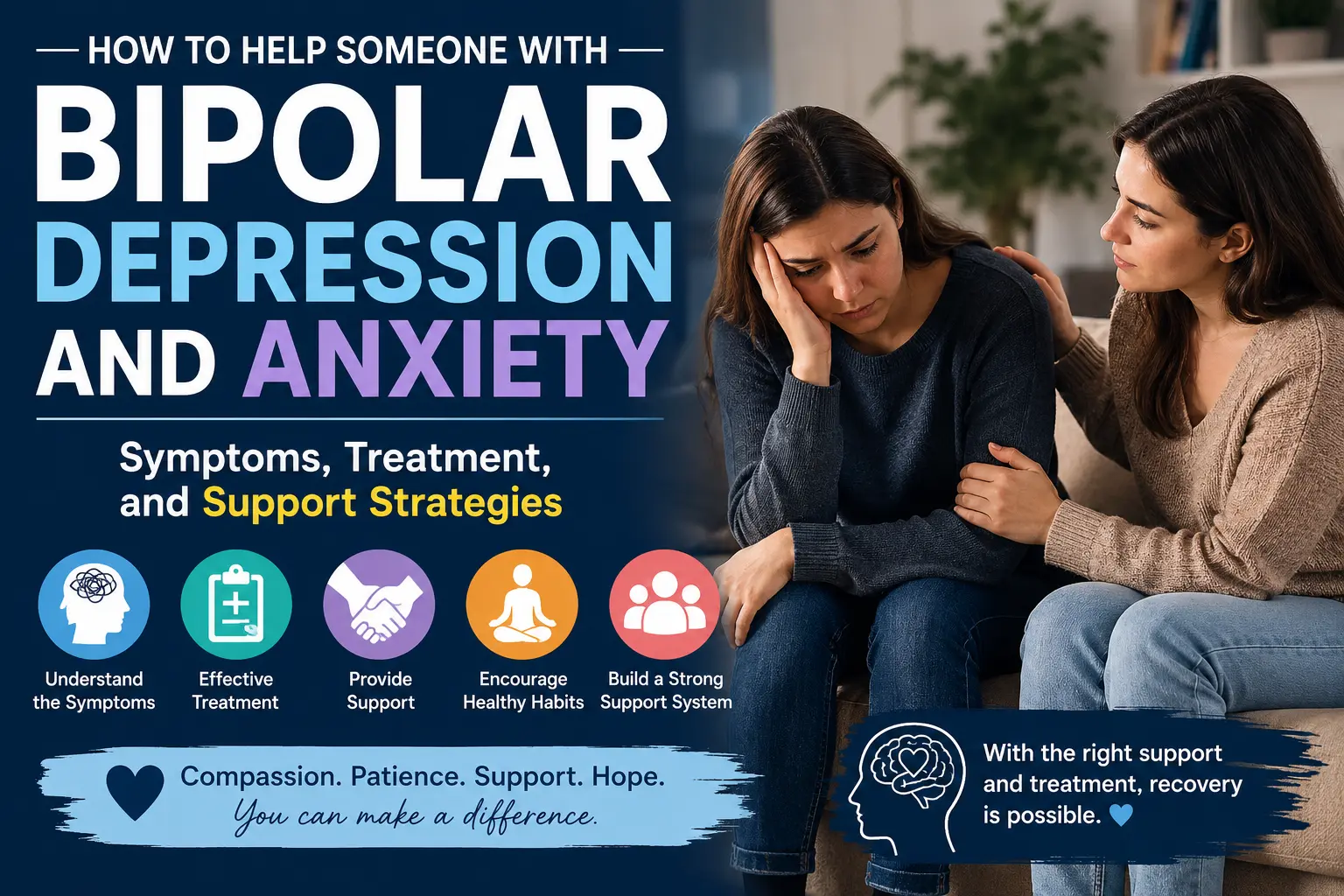 Watching someone you care about struggle with bipolar depression and anxiety can be heartbreaking. You may notice that they withdraw…
 In my practice as a clinical psychologist, I often observe that the difference between a patient who crumbles under pressure…
 We all have "up" days and "down" days. Perhaps you feel energized after a promotion or sluggish on a rainy…
 To define bipolar disorder accurately, we must look at it as a chronic mood dysregulation condition. In psychology and medicine,…
Are you looking for a Therapist?
Connect with qualified mental health professionals who understand
bipolar disorder, mood changes, and emotional challenges.
Private • Supportive • Confidential