
Sensory Sleep Aids: Evidence-Based Solutions for Kids, Adults & Autism (2026 Guide)

Medically reviewed by Laura Athey Updated Date: May 2, 2026

For many of my patients, sleep isn’t just a matter of “closing your eyes and relaxing.” In my clinical practice, I recently worked with a family whose six-year-old son, Leo, would spend four hours every night in a state of high-alert agitation.
His parents had tried every traditional sleep training method, yet Leo remained awake, his nervous system seemingly incapable of “powering down.”
It wasn’t until we performed a sensory audit that we realized the hum of the refrigerator two rooms away and the texture of his cotton pajamas were perceived by his brain as physical threats.
This is the reality of sensory processing and sleep. For neurotypical individuals, the brain easily filters out background stimuli. For those with sensory processing disorder (SPD), autism, or ADHD, the world is often too loud, too bright, or too “itchy” to allow for the natural release of melatonin.
Sensory sleep aids are specifically designed to bridge this gap, using targeted input to calm the nervous system rather than just masking the symptoms of insomnia.
What Is the 10-5-3-2-1 Rule for Sleep?
Before diving into specialized tools, many people encounter the 10-5-3-2-1 rule for sleep. This is a popular framework for sleep hygiene intended to prime the body for rest:
- 10 hours before bed: No more caffeine.
- 5 hours before bed: No more food or alcohol.
- 3 hours before bed: No more work or “productive” tasks.
- 2 hours before bed: No more screens (blue light).
- 1 hour before bed: No more “stressful” activity (including intense exercise).
While this rule is excellent for the average person, I often find it needs adaptation for those with sensory issues and sleep challenges.
For instance, while “3 hours before bed” suggests stopping work, a neurodivergent person might find that a high-intensity “brain dump” or a specific sensory-seeking activity (like a heavy workout) is actually necessary to burn off excess cortisol.
We must look at these rules through a sensory lens: if stopping screens leaves a child in a silent, dark room that triggers auditory hyper-sensitivity, the “rule” might backfire without a sensory substitute.
How Sensory Processing Affects Sleep
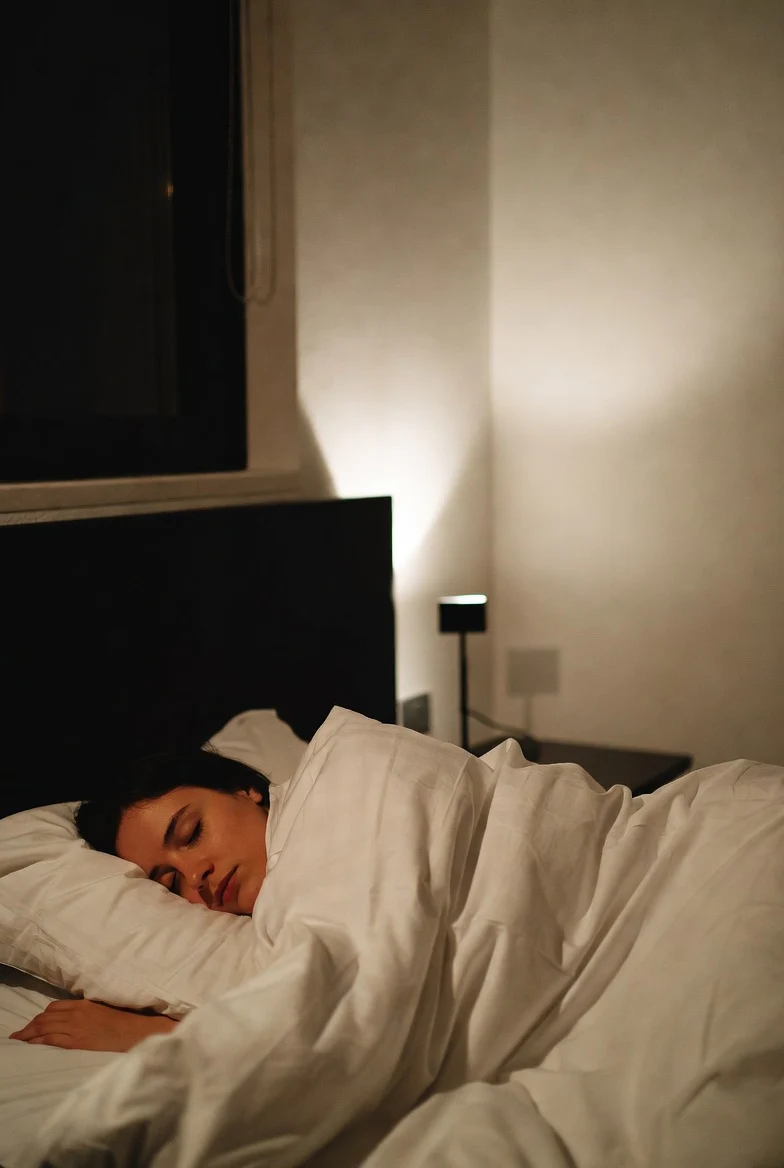
To understand why sensory sleep aids work, we have to understand the neurological “why” behind the wakefulness. Sensory processing disorder and sleep are intimately linked through the autonomic nervous system.
Hyper-sensitivity vs. Hypo-sensitivity
- Hyper-sensitive individuals are “sensory avoiders.” They feel every seam in a sock and hear every tick of a clock. Their brains stay in “fight or flight” mode, keeping cortisol levels high.
- Hypo-sensitive individuals are “sensory seekers.” They might crash into walls or move constantly. They struggle to sleep because their brain isn’t receiving enough “proprioceptive” (body position) input to feel safe and grounded.
When a child or adult has an over-responsive vestibular (balance) or tactile (touch) system, the transition to sleep is interpreted as a loss of control. Sensory sleep aids provide the “safe” input needed to trigger the parasympathetic nervous system—the “rest and digest” mode.
Sensory Sleep Aids for Kids
Finding the best sleep aid for autistic child or a child with ADHD often involves a “trial and error” approach to see which sensory system needs the most support. Here are the most effective gadgets for kids to sleep better.
Deep Pressure Tools
Deep Pressure Stimulation (DPS) is a game-changer for kids who can’t stop moving.
- Weighted Blankets: These provide proprioceptive input that mimics a hug, increasing serotonin and decreasing cortisol. Safety Note: Never use a weighted blanket for children under age 2 or those who cannot remove the blanket themselves.
- Sensory Sleep Sack: Often called a “body sock,” these provide resistance when the child moves, helping them feel where their body is in space.
- Sensory Sleep Pod: This is a compression-based wrap that fits over the mattress, providing a snug, “womb-like” feel without the weight of a heavy blanket.
Visual & Light Regulation
- Red Light Nightlights: Unlike blue or white light, red light does not interfere with melatonin production.
- Blackout Curtains: For children with visual hyper-sensitivity, even a sliver of streetlight can be as stimulating as a spotlight.
Movement & Proprioceptive Regulation
Some gadgets to help kids fall asleep focus on the vestibular system.
- Compression Sheets: These are great for kids who “kick” in their sleep; the lycra fabric provides constant pressure.
- Rocking Chairs or Swings: Using a rhythmic swing for 15 minutes before bed can help regulate the vestibular system.
When to Consider Medication
I am often asked, “is there anything I can give my child to help them sleep?” while also being asked about sleep medication for child with ADHD.
- Melatonin: In autism, the brain often doesn’t produce melatonin on a typical schedule. While it can be a “best sleep aid for autistic child,” it should only be used under the guidance of a pediatrician.
- Safety First: Always exhaust sensory and environmental modifications before moving to pharmaceutical interventions.
Sensory Sleep Aids for Adults
Sleep struggles don’t disappear in adulthood; they often just become more complex to manage. Sensory sleep aids for adults focus on creating a “sensory deprivation” or “sensory soothing” environment.
- Sensory Sleep Mask: Unlike a standard eye mask, these are often weighted or contoured to avoid pressure on the eyeballs while blocking 100% of light.
- Sensory Sleep Pod (Adult Size): Many adults with ADHD find that the compression of a sleep pod helps quiet the “internal buzzing” that keeps them awake.
- White Noise vs. Brown Noise: Adults with autism often prefer “Brown Noise”—a lower-frequency sound that mimics a deep rumble or heavy rain—rather than the higher-pitched “hiss” of standard white noise.
- Cooling Sheets: Tactile sensitivity often manifests as “running hot.” Bamboo or eucalyptus sheets are essential for temperature regulation.
Sensory Sleep Aids for Autism
Autism-specific sleep challenges are unique because they often involve “predictability” as a sensory need.
- Sleep Scripts: Using a consistent “sensory countdown” helps the brain transition.
- Predictable Environments: An autistic person may need their bed to look exactly the same every night.
- Sensory “Nests”: Many autistic adults and children prefer sleeping in a corner or against a wall to reduce the “open space” around them, which can feel dysregulating.
Natural Sleep Aid Foods & Supplements: What Actually Works?
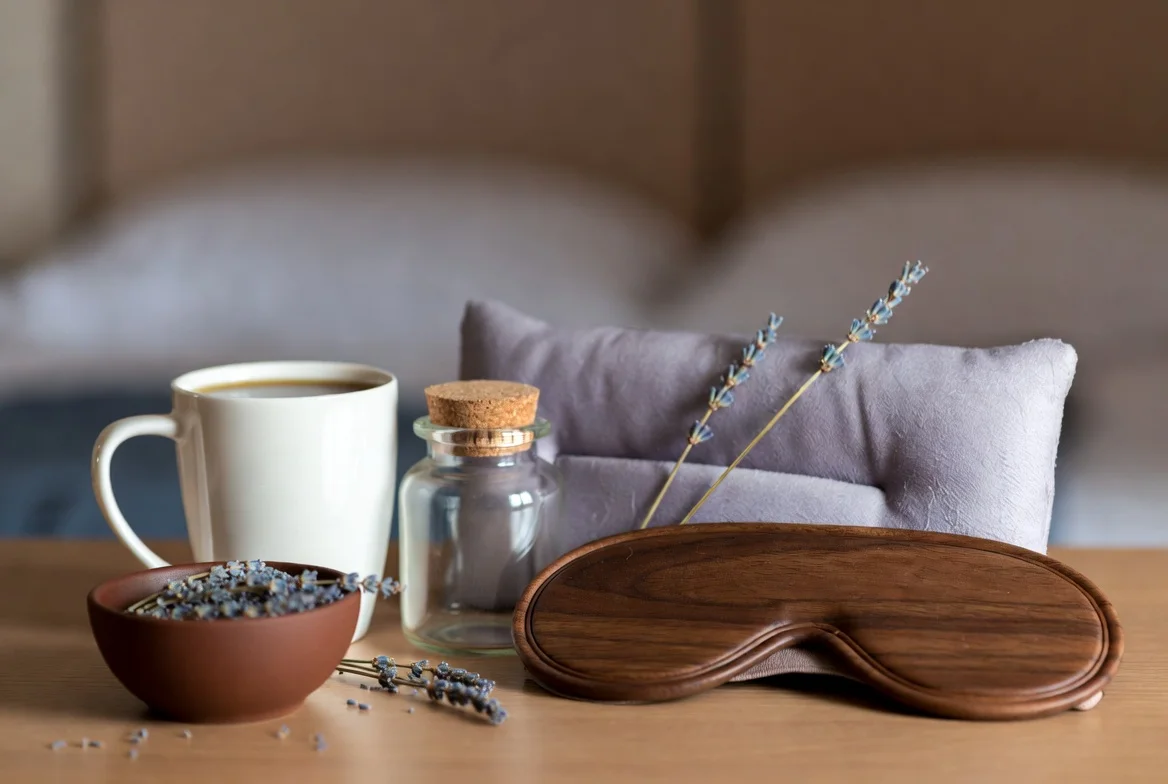
Nutrition plays a massive role in sensory regulation. Certain natural sleep aid foods contain the precursors to neurotransmitters like serotonin.
Evidence-Based Foods
- Kiwi: Research suggests kiwis contain high levels of serotonin and antioxidants that can improve sleep onset.
- Tart Cherries: A natural source of melatonin.
- Bananas: Does a banana sleep aid work? Yes. Bananas are rich in magnesium and potassium (muscle relaxants) and Vitamin B6, which helps produce melatonin.
- Warm Milk: Contains tryptophan and provides a soothing oral-sensory experience.
Foods That May Backfire
- Chocolate: Many people think a chocolate sleep aid is a good idea because it feels “comforting,” but chocolate contains caffeine and theobromine, both of which are stimulants.
- Sugar-heavy drinks: Can cause a spike in adrenaline, leading to “night terrors” or middle-of-the-night waking.
Supplements Reviewed
- Inositol: An inositol sleep aid is often used for its role in cell signaling and its ability to reduce anxiety and OCD-like symptoms, which are common in neurodivergent populations.
- Niacin: Some tout a niacin sleep aid for its calming effects, but be cautious of the “niacin flush”—a prickly, hot skin sensation that can be a sensory nightmare for an autistic person.
- Magnesium: Glycinate is the gold standard for muscle relaxation and nervous system calming.
What Is the Best Sleep Aid for Dementia Patients?
In elderly populations, sensory systems begin to degrade, leading to “sundowning.” When asked, what is the best sleep aid for dementia patients?, I always prioritize non-pharmacological interventions.
- Bright Light Therapy: Using high-intensity light in the morning to reset the circadian rhythm.
- Weighted Lap Pads: Provides the same calming effect as a weighted blanket but is easier to manage during evening restlessness.
- Avoid Anticholinergics: Many over-the-counter sleep aids (like Benadryl) increase confusion and fall risks in dementia patients.
How Can We Recognize and Manage Burnout Related to Sleep Deprivation?
How Can We Recognize and Manage Burnout? When a child doesn’t sleep, the parents don’t sleep. This leads to a state of chronic “Parental Burnout” or “Neurodivergent Burnout.”
- Recognition: Signs include “sensory hair-trigger” (getting angry at small noises), emotional numbness, and cognitive “brownouts.”
- Management: A sensory audit is the first step. If the environment is the enemy, no amount of “willpower” will fix the burnout.
- Action: Delegate sensory-heavy tasks, implement the sensory sleep aids discussed here, and seek a professional who understands that your fatigue is physiological, not just psychological.
Frequently Asked Questions
What are sensory strategies for sleep?
Sensory strategies include using deep pressure (weighted blankets), sound management (brown noise), and light regulation (red lights) to move the body from a “sympathetic” (stressed) state to a “parasympathetic” (relaxed) state.
What is the safest sleep aid for autistic children?
The safest “aid” is an optimized sensory environment and a strict routine. If supplements are needed, low-dose melatonin is common but must be approved by a pediatrician.
Do sensory sleep pods actually work?
Yes, for individuals who seek “compression.” The pods provide constant proprioceptive input which can decrease the “restless leg” feeling and lower heart rates.
Do bananas really help you sleep?
Yes. The magnesium in bananas acts as a natural muscle relaxant, making them an excellent part of a bedtime snack.
Can sleep medication help children with ADHD?
Medication can help, but it often addresses the “racing mind” without fixing the underlying “sensory alertness.” It is best used in conjunction with sensory tools.
Conclusion: Turning Down the World
As Leo’s story showed me, the right sensory sleep aids can transform a household. By switching to seamless pajamas, adding a weighted lap pad for his bedtime story, and using a red-light nightlight, his four-hour “battle” was reduced to a 20-minute transition.
Sleep is a sensory experience. If you or your child are struggling, stop looking at “sleep training” and start looking at “sensory regulation.” When the brain feels safe, sleep follows.
References
- National Autistic Society.
- Sensory Processing Disorder Foundation.
- Sleep Foundation.
- Journal of Clinical Sleep Medicine.

Related Posts



Subscribe to Our Newsletter
Get mental health tips, updates, and resources delivered to your inbox.
MORE from Author
Read More Watching someone you care about struggle with bipolar depression and anxiety can be heartbreaking. You may notice that they withdraw…
 In my practice as a clinical psychologist, I often observe that the difference between a patient who crumbles under pressure…
 We all have "up" days and "down" days. Perhaps you feel energized after a promotion or sluggish on a rainy…
 To define bipolar disorder accurately, we must look at it as a chronic mood dysregulation condition. In psychology and medicine,…
Are you looking for a Therapist?
Connect with qualified mental health professionals who understand
bipolar disorder, mood changes, and emotional challenges.
Private • Supportive • Confidential