
How Long Do Bipolar Mood Swings Last? Episode Duration, Cycles, and Warning Signs Explained

Medically reviewed by Laura Athey Updated Date: May 2, 2026

Many people assume bipolar mood swings happen suddenly and disappear quickly—like a passing rainstorm. In my practice, I often observe patients and their families feeling completely blindsided by these emotional shifts.
However, the reality is that most bipolar episodes follow predictable time patterns. When patients ask me, “How long do bipolar mood swings last? They are usually conflating typical emotional reactions with neurobiological episodes.
Understanding how long mood swings last in bipolar disorder is the first and most crucial step in regaining control. When you know the timeline of your own nervous system, you stop feeling like a victim of random chaos.
Recognizing bipolar disorder and how long mood swings last allows you to predict episodes, identify early warning signs, and seek help long before a crisis occurs. Biology has a rhythm, and learning it can change your life.
What Is a Bipolar Mood Episode?
Before we can track the timeline, we must redefine the vocabulary. The term “mood swings” in pop culture implies a brief, minutes-long reaction to a bad day.
Clinically, mood episodes in bipolar disorder are entirely different. Mood changes in bipolar disorder usually last far longer than typical emotional reactions because they are driven by systemic neurochemical shifts, not just situational stress.
To understand bipolar mood swings, normal versus pathological, we must look at the brain’s baseline. A clinical episode is a sustained period during which your brain’s executive function is hijacked by dysregulated neurotransmitters.
There are three primary types of episodes. Mania is a severe, high-energy state characterized by grandiosity and impulsivity. Hypomania is a milder version of this high-energy state, often initially masquerading as intense productivity.
Conversely, depression is a profound depletion of neurochemicals, resulting in crushing fatigue and hopelessness. These states physically alter the brain’s neuroplasticity, taking significant time to build up, peak, and eventually resolve.
How Long Do Bipolar Mood Swings Last?

When patients first sit on my couch, the most urgent question is always, how long do bipolar mood swings last? To answer this accurately, we must separate the clinical reality from the cultural myth.
People often wonder how long mood swings last for bipolar, expecting the answer to be “a few hours.” In reality, we are talking about days, weeks, or even months of sustained neurological altered states.
If we look at how long mood swings last with bipolar, the ranges vary by episode type. Hypomania typically lasts for several days to a week. Mania can last for weeks if left untreated. Depressive episodes are notoriously the longest, often stretching into months.
A critical psychological concept here is that these are sustained biological states. A mood swing in a bipolar brain is a complete shift in Circadian Rhythms, altering how your body processes energy, sleep, and threats.
Let me share the story of a former patient I will call “Mark.” Mark came to me exhausted, claiming his moods shifted “twenty times a day.” He felt completely broken.
By having Mark track his sleep and energy on a detailed grid, we realized his minute-to-minute irritability wasn’t a mood swing; it was a symptom of a massive, underlying three-week mixed episode.
We utilized Interpersonal and Social Rhythm Therapy (IPSRT) to stabilize his routine. Once we anchored his wake-up times, his underlying weeks-long episode resolved, and the daily “swings” completely vanished.
As a clinical psychologist, I cannot overstate this: your sleep hygiene dictates the length of your episodes. When a patient enters hypomania, their brain actively suppresses the sensation of fatigue.
If they yield to this and stop sleeping, the lack of restorative REM sleep prevents the brain from metabolizing excess dopamine. This single biological failure can instantly turn a three-day hypomanic wave into a destructive, three-week manic fire.
How Long Does a Bipolar Episode Last?
To truly understand your prognosis, we must dive deep into specific timelines. How long a bipolar episode lasts depends heavily on the subtype of the disorder, the presence of medication, and environmental stressors.
When analyzing how long bipolar episodes last, we must look at the natural history of the illness. Untreated, the brain struggles immensely to self-regulate, drawing out the length of the suffering significantly.
Mania Duration
Patients and their terrified loved ones frequently ask, “How long does bipolar mania last? A true manic episode (seen in Bipolar I) is a medical emergency that burns massive amounts of cognitive energy.
If we look at how long a manic episode lasts if untreated, the answer can be devastating, sometimes lasting three to six months. The brain’s regulatory systems simply cannot easily halt the dopamine flood without intervention.
However, how long a manic episode lasts with medication is a much more hopeful timeline. With rapid psychiatric intervention using mood stabilizers or antipsychotics, acute mania can often be stabilized within a few weeks, sometimes days.
Depression Duration
The depressive phase is often the most grueling. When patients ask how long bipolar 2 episodes last, they are usually referring to the crushing depression that dominates this specific diagnosis.
The bipolar depressive episode length is structurally different from mania. It is a state of deep neurochemical hibernation. The brain’s neuroplasticity is compromised, making it incredibly difficult to “snap out of it.”
Typically, the bipolar 2 depressive episode duration outlasts the high periods by a ratio of 3-to-1. A bipolar 2 depression duration can easily drag on for six to eight months if not aggressively treated with targeted therapy and medication.
Understanding how long bipolar depressive episodes last is vital for survival. Knowing that the depression has a biological expiration date helps patients hold onto hope during the darkest months.
| Episode Type | Typical Duration (Untreated) | Typical Duration (Treated) | Clinical Impact |
| Mania | Weeks to several months | Days to a few weeks | Severe functional impairment; high risk of hospitalization. |
| Hypomania | 4 days to a few weeks | Resolves quickly | Mild to moderate disruption; often feels highly productive initially. |
| Depression | Several months to over a year | Weeks to months | Profound exhaustion is the highest risk phase for suicidal ideation. |
How Often Do Bipolar Episodes Occur?
Once patients understand episode length, the next logical fear is frequency. How often do bipolar episodes occur? The truth is that the frequency is highly individualized and deeply dependent on neurobiology and environment.
Some people experience only a few episodes per year, maintaining a stable baseline for long stretches. Others notice mood shifts several times within months, struggling to find a consistent rhythm.
When discussing bipolar cycles in 1 year, we must look at the clinical definition of “rapid cycling.” Rapid cycling occurs when a patient experiences four or more distinct mood episodes within a single twelve-month period.
This rapid cycling places an immense biological strain on the brain’s neuroplasticity, often making the episodes harder to treat. Additionally, many patients experience seasonal patterns, where decreasing winter sunlight reliably triggers profound depressive episodes.
It is vital to clarify that experiencing daily bipolar disorder mood swings is rarely a sign of rapid clinical cycles. More often, it indicates an untreated mixed state, where manic agitation and depressive despair are occurring simultaneously.
Can Bipolar Mood Swings Happen Quickly?
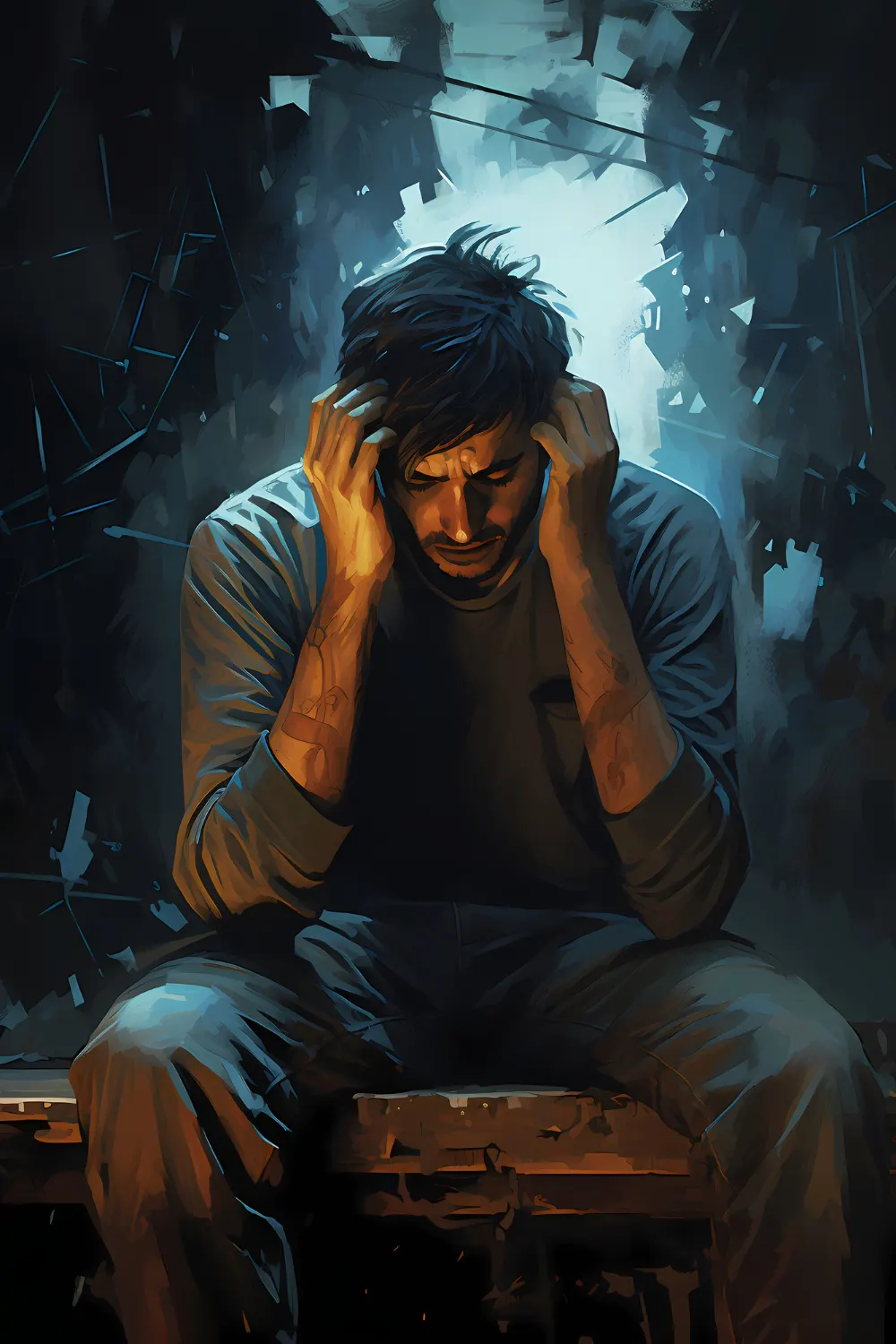
A very common misconception in popular psychology is the idea of instant emotional flipping. Patients frequently ask me, “Can bipolar mood swings happen in minutes?” The clinical reality is that true neurobiological mood shifts are not usually minute-to-minute.
When we look at how quickly bipolar moods can change, we are measuring the buildup of neurotransmitters, which takes time.
If someone is experiencing bipolar disorder mood swings daily, swinging from euphoria to rage within a single afternoon, we are usually looking at bipolar vs emotional dysregulation rather than a new bipolar episode.
During an active bipolar episode, a patient’s emotional reactivity is drastically heightened because their executive function is impaired. They might cry one minute and yell the next, but these are fast reactions happening inside a prolonged manic or depressive episode.
Understanding the profound difference between a fleeting emotional reaction and a sustained biological episode is crucial for accurate tracking and reducing daily anxiety.
What Triggers Changes in Episode Duration?
Episodes do not exist in a vacuum; they interact directly with your environment. Understanding what triggers mood swings in bipolar disorder? gives you the power to actively shorten the duration of an episode once it begins.
Even a few nights of poor sleep can significantly shorten the time between episodes and prolong an active manic phase. Sleep loss continuously floods the brain with dopamine and cortisol, fueling the neurochemical fire.
Severe psychological stress also drastically alters episode duration. Chronic stress exhausts the brain’s regulatory systems, meaning a depressive episode that might have lasted weeks can be dragged out for months.
Medication changes—especially missing doses or abruptly stopping a mood stabilizer—can instantly reignite an episode. The brain relies on that chemical scaffolding to maintain its circadian rhythms.
Finally, substance use, particularly alcohol and stimulants, directly interferes with psychiatric medication and actively sabotages the brain’s ability to heal, significantly lengthening the suffering.
Frequently Asked Questions
Interpreting Daily Emotional Reactivity?
Rapid, minute-by-minute emotional changes are typically not distinct bipolar mood swings. They usually represent heightened emotional dysregulation or an active mixed state, where the brain’s filtering mechanisms are temporarily overwhelmed by stress.
The Impact of Sleep on Episode Length?
Sleep is the primary biological anchor for a bipolar brain. Failing to protect your circadian rhythm directly prolongs manic episodes and drastically shortens the periods of stability between mood cycles.
Treatment Influence on Episode Duration?
Consistent use of mood stabilizers and antipsychotics actively repairs the brain’s chemistry. Medication dramatically shortens the duration of active episodes and acts as a neurological shield against future escalations.
Addressing the Post-Mania Depression?
The profound depression following a manic episode is a biological reality of neurochemical depletion. It requires immense patience, rest, and careful psychiatric monitoring to rebuild the brain’s compromised serotonin and dopamine levels.
The Role of Routine in Long-Term Stability?
A strict daily routine is just as vital as medication. Eating, sleeping, and exercising at the exact same time every day trains your nervous system to expect consistency, significantly reducing the frequency of unexpected mood shifts.
Conclusion
Understanding the timeline of your own mind is one of the most empowering steps you can take in your mental health journey. In my clinical practice, I constantly remind my patients that their biology is not a mystery—it is a system that can be studied, understood, and managed.
By learning the distinct differences between a fleeting emotional reaction and a sustained biological episode, you strip away the fear of the unknown. You learn to recognize the early warning signs, utilize the 48-hour rule, and protect your precious sleep hygiene.
Bipolar disorder is a formidable condition, but it is highly responsive to disciplined, compassionate treatment. Do not let the fear of your next episode paralyze you.
Partner with a psychiatric professional, track your daily biological data, and commit to your routines. With the right clinical framework, you can drastically reduce the duration of your mood swings and reclaim the stable, vibrant life you deserve.
Authoritative References
- The Long-Term Natural History of the Weekly Symptomatic Status of Bipolar I Disorder
- Interpersonal and Social Rhythm Therapy: Managing the Bipolar Diathesis
- Sleep Disturbances in Bipolar Disorder: Diagnostic and Therapeutic Implications
- Rapid Cycling Bipolar Disorder: A Systematic Review
- Staging Systems in Bipolar Disorder: A Clinical and Biological Review

Related Posts






Subscribe to Our Newsletter
Get mental health tips, updates, and resources delivered to your inbox.
MORE from Author
Read More Watching someone you care about struggle with bipolar depression and anxiety can be heartbreaking. You may notice that they withdraw…
 In my practice as a clinical psychologist, I often observe that the difference between a patient who crumbles under pressure…
 We all have "up" days and "down" days. Perhaps you feel energized after a promotion or sluggish on a rainy…
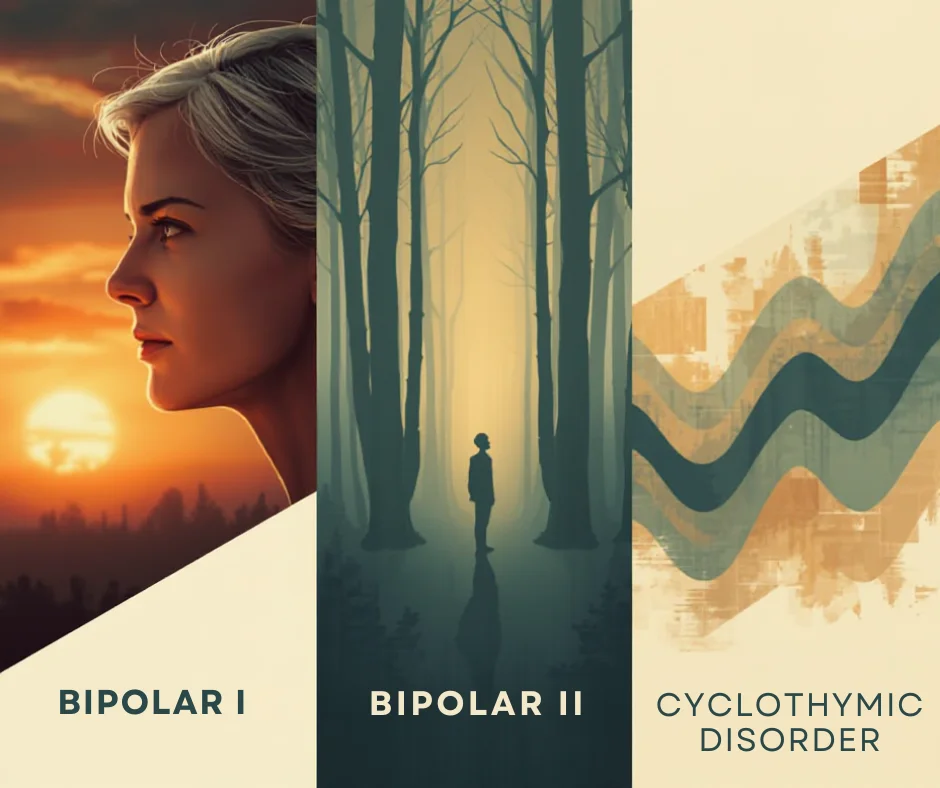 To define bipolar disorder accurately, we must look at it as a chronic mood dysregulation condition. In psychology and medicine,…
Are you looking for a Therapist?
Connect with qualified mental health professionals who understand
bipolar disorder, mood changes, and emotional challenges.
Private • Supportive • Confidential