
What Causes Extreme Fatigue: Causes, Symptoms, and How to Restore Energy

Medically reviewed by Laura Athey Updated Date: March 5, 2026

In my practice, I often observe that patients use the word “tired” to describe a vast spectrum of experiences. However, there is a profound clinical distinction between the sleepiness one feels after a long day and the extreme fatigue that leaves a person feeling as though they are moving through molasses.
Many describe it as waking up already exhausted, a persistent state of depletion where the simplest tasks—showering, answering an email, or preparing a meal—feel like scaling a mountain. What Causes Extreme Fatigue?
Extreme fatigue is not merely a lack of sleep; it is a complex physiological shutdown. As a clinical psychologist, I view fatigue as a “check engine light” for the body. It is often a primary symptom of underlying medical issues, psychological burnout, or systemic dysregulation. Understanding the “why” behind your exhaustion is the first step toward reclaiming your vitality.
Understanding Extreme Fatigue
To address extreme fatigue and tiredness, we must first define what it actually is. While acute tiredness is relieved by a good night’s sleep, extreme or chronic fatigue is persistent, often regardless of rest. It is a state of total exhaustion that impacts your executive function—the cognitive processes that allow you to plan, focus, and multitask.
Fatigue vs. Sleepiness
It is common for patients to say, “I feel tired and weak,” when they actually mean they are fatigued. Sleepiness is the struggle to stay awake, typically resolved by rest. Fatigue, however, is a lack of energy and motivation. It can be physical (my body won’t move), cognitive (I can’t think straight), or emotional (I am too drained to care).
Physiological Mechanisms
At the cellular level, fatigue often traces back to mitochondrial energy production. Your mitochondria are the “power plants” of your cells; when they lack the necessary nutrients or are suppressed by inflammation, energy production drops. This is further complicated by circadian rhythms. Our internal biological clocks regulate everything from hormone release to body temperature. When these rhythms are disrupted—whether by poor sleep hygiene or chronic stress—the body loses its ability to cycle through energy and recovery phases effectively.
Common Medical Causes of Extreme Fatigue

When a patient presents with the symptom of being tired all the time, my first priority is to rule out physiological “short circuits.” What causes extreme fatigue can range from minor nutrient imbalances to serious systemic diseases.
Hematologic and Endocrine Causes
The most common medical culprit, especially in women, is anemia or iron deficiency. Without enough iron, your blood cannot carry sufficient oxygen to your tissues, leading to sudden episodes of extreme fatigue.
Similarly, the endocrine system plays a vital role. The thyroid gland acts as the body’s thermostat and furnace. In cases of hypothyroidism, the furnace is turned down too low, resulting in persistent exhaustion, weight gain, and “brain fog.”
Autoimmune and Viral Illnesses
What autoimmune disease causes extreme fatigue? Almost all of them. Conditions like lupus, rheumatoid arthritis, and multiple sclerosis trigger chronic inflammation. The immune system stays in a state of high alert, consuming vast amounts of cellular energy. Furthermore, post-viral syndromes (such as post-COVID or Epstein-Barr) can leave the nervous system in a state of prolonged “power-save mode.”
Oncologic Causes
It is a heavy topic, but we must address what type of cancer causes extreme fatigue. While fatigue is a common side effect of cancer treatment, it can also be a primary symptom of leukemia or lymphoma. This is often linked to a low white blood count or the body’s metabolic response to the malignancy.
| Category | Potential Medical Cause | Key Associated Symptoms |
| Hematologic | Anemia / Low WBC | Paleness, shortness of breath, cold hands |
| Endocrine | Hypothyroidism | Cold intolerance, thinning hair, dry skin |
| Autoimmune | Lupus / Chronic Fatigue Syndrome | Joint pain, “butterfly” rash, post-exertional malaise |
| Infections | Post-viral syndrome (COVID/EBV) | Lingering “brain fog,” swollen lymph nodes |
Lifestyle, Diet, and Environmental Contributors
Not all fatigue is rooted in a clinical diagnosis; often, it is a result of how we fuel and treat our bodies.
Postprandial Fatigue (The “After-Lunch Slump”)
What causes extreme fatigue after eating? This is often a result of reactive hypoglycemia or blood sugar “spikes and crashes.” When you consume high-carbohydrate meals, your body releases a surge of insulin. If the crash is significant, you may experience extreme mid-afternoon fatigue. In my practice, I’ve seen patients improve their daily energy by 30–40% simply by balancing their macronutrients to stabilize blood sugar.
The “Hidden” Deficiencies
What vitamin deficiency causes extreme fatigue? The “Big Three” are vitamin D, vitamin B12, and magnesium.
- B12 is essential for nerve function and red blood cell production.
- Vitamin D acts more like a hormone than a vitamin, influencing energy levels and mood.
- Magnesium is involved in over 300 biochemical reactions, including the creation of ATP (energy).
Stress and “Tired but Wired”
Chronic stress keeps the body in a state of hyper-arousal. This exhausts the adrenal glands and disrupts sleep-wake cycles. You may feel “tired but wired”—exhausted all day, but unable to fall asleep at night because your cortisol levels are peaking at the wrong time.
I once worked with a patient, “Elena,” who suffered from sudden crashing fatigue every afternoon. She was convinced she had a thyroid issue. After a full medical workup came back normal, we looked at her sleep hygiene. Elena was sleeping for 8 hours, but she was using a high-intensity blue-light tablet in bed until the moment she closed her eyes.
The Clinical Secret: Blue light suppresses melatonin, but it also prevents the brain from entering the deep, restorative stages of REM sleep. Elena was “sleeping,” but her brain wasn’t “recovering.” By instituting a “digital sunset” two hours before bed and using blue-light blocking glasses, her afternoon “crashing” vanished within ten days. Her mitochondria didn’t need a pill; they needed a rhythm.
Symptoms That Often Accompany Extreme Fatigue
Extreme fatigue rarely travels alone. In my clinical observations, it is usually part of a “symptom cluster” that provides clues to the underlying cause.
Physical and Cognitive Clusters
- Extreme fatigue and joint pain: Often points toward autoimmune conditions or chronic inflammation.
- Extreme fatigue and shortness of breath: A hallmark of anemia or potential cardiac/pulmonary issues.
- Extreme fatigue and dizziness: May indicate low blood pressure, dehydration, or inner ear issues.
- Brain Fog: This is the cognitive shadow of fatigue. Patients report memory lapses, difficulty finding words, and a feeling that their thoughts are “buffering.”
Emotional and Sensory Clusters
Fatigue often erodes emotional resilience. You may find yourself becoming irritable or crying over small inconveniences. This isn’t a “mood disorder” in the traditional sense; it is simply that your brain no longer has the energy to regulate your emotions. Some also experience extreme fatigue and sweating or diarrhea, which can point toward autonomic nervous system dysregulation or thyroid overactivity.
Special Populations: Women and the Elderly
Fatigue presents differently across the lifespan. What causes extreme fatigue in women is often tied to the intricate dance of hormones. From the iron loss during menstrual cycles to the profound hormonal shifts of pregnancy and menopause, women’s energy levels are uniquely susceptible to endocrine changes.
In the elderly, we must look at “polypharmacy”—the side effects of taking multiple medications—as well as sarcopenia (muscle loss) and decreased nutrient absorption. For an older adult, sudden fatigue is never “just aging”; it is a sign that the body’s compensatory mechanisms are struggling.
How to Restore Energy and Manage Extreme Fatigue

When we move into the phase of treatment for fatigue, we must pivot from “What is wrong?” to “How do we fix the flow of energy?” In my clinical work, I find that a “somatic-first” approach is often necessary. You cannot think or motivate your way out of cellular depletion; you must provide the body with the physical safety and resources it needs to resume normal operations.
Medical Interventions
The first step is addressing any clinical “leak” in your energy system. This often includes:
- Anemia Management: If iron levels are low, supplementation or dietary changes are non-negotiable.
- Hormonal Balancing: For hypothyroidism or adrenal issues, working with an endocrinologist to stabilize hormone levels can feel like “turning the lights back on.”
- Medication Review: In the elderly or those with chronic conditions, we must ensure that fatigue isn’t a side effect of beta-blockers, statins, or certain antidepressants.
Lifestyle Approaches to Regulation
To restore energy, we must respect the body’s need for rhythm. Neuroplasticity allows us to retrain our nervous system to cycle between exertion and rest properly.
- Circadian Rhythm Regulation: Aside from the “digital sunset” mentioned earlier, try to get 15 minutes of direct sunlight into your eyes before 10:00 AM. This signals your brain to set the “timer” for melatonin production 12–14 hours later.
- Graded Exercise: If you have excessive tiredness and fatigue, do not attempt high-intensity interval training. Instead, use “Movement as Medicine”—short, low-intensity walks or gentle yoga. The goal is to stimulate circulation without triggering post-exertional malaise.
- Strategic Pacing: I often coach patients to use the “Spoon Theory.” Imagine you have ten spoons of energy per day. If a shower takes one spoon and an hour of work takes four, you must plan your day so you don’t run out by noon.
Dietary and Supplement Strategies
Stabilizing your fuel source is the fastest way to combat extreme fatigue after eating lunch.
- The Blood Sugar Anchor: Pair every carbohydrate with a protein or a healthy fat. This slows down glucose absorption and prevents the insulin spike that leads to a crash.
- Targeted Supplementation: Based on blood work, focusing on B12 (for the nervous system), Vitamin D (for cellular health), and Magnesium Glycinate (to support ATP production and sleep) can provide the biochemical support your mitochondria crave.
When to Seek Medical Help
While lifestyle changes are powerful, sudden episodes of extreme fatigue can sometimes be “red flags” for more serious conditions. It is important to distinguish between “burnout” and a medical emergency.
Red Flags for Fatigue
Please consult a healthcare provider immediately if your exhaustion is accompanied by:
- Unexplained Weight Loss: This can be a sign of metabolic or oncologic issues.
- Persistent Low-Grade Fever: This often points toward a chronic infection or autoimmune flare.
- Shortness of Breath or Chest Pain: These are critical indicators of potential cardiac or pulmonary distress.
- Sudden Onset: If you go from high energy to sudden crashing fatigue in a matter of days without a clear cause (like a flu), it warrants a full blood panel.
As a general rule, if your fatigue persists for more than two weeks despite improved sleep and diet, it is time for a professional evaluation. Early diagnosis of autoimmune or hematologic issues makes them far easier to manage.
Frequently Asked Questions
What are the main causes of extreme fatigue?
The most common causes include iron-deficiency anemia, thyroid disorders, chronic stress (burnout), and sleep apnea. However, it can also be linked to post-viral syndromes, autoimmune diseases, or clinical depression.
Can vitamin deficiencies cause extreme fatigue?
Yes. Deficiencies in vitamin B12, vitamin D, magnesium, and iron are primary drivers of physical and cognitive exhaustion. These nutrients are essential for oxygen transport and cellular energy (ATP) production.
Why am I always tired even after sleeping?
This often suggests a “quality” issue rather than a “quantity” issue. Conditions like sleep apnea, restless leg syndrome, or poor circadian rhythm regulation (often due to blue light exposure) can prevent your brain from reaching restorative deep sleep.
What medical conditions cause sudden fatigue in women?
In women, sudden fatigue is frequently tied to hormonal shifts (perimenopause/menopause), iron deficiency due to the menstrual cycle, or autoimmune conditions like Hashimoto’s thyroiditis, which are statistically more prevalent in females.
How can I boost my energy quickly at home?
Stabilize your blood sugar with a protein-heavy snack, hydrate with water containing electrolytes (like a pinch of sea salt and lemon), and step outside for 10 minutes of natural sunlight. Avoid high-caffeine drinks, which can lead to a later crash.
Is extreme fatigue dangerous?
Fatigue itself is a symptom, but it can be dangerous if it impairs your ability to drive or operate machinery. If it is accompanied by “red flag” symptoms like chest pain or fainting, it could indicate an underlying life-threatening condition.
Conclusion
In my practice, I often tell patients that extreme fatigue is a dialogue between your body and your life. It is your system’s way of saying, “I can no longer sustain this pace with these resources.” Whether your exhaustion is rooted in a medical diagnosis like anemia or a psychological state of burnout, the path to recovery is the same: validation, investigation, and slow, rhythmic restoration.
You do not have to live your life “moving through molasses.” By addressing the biological “leaks”—from nutrient deficiencies to disrupted circadian rhythms—and seeking clinical support when red flags appear, you can move from a state of survival back into a state of thriving. Be patient with your body; mitochondrial repair takes time, but with the right interventions, your energy can and will return.
References & Resources
- Mayo Clinic: mayoclinic.org
- National Institutes of Health (NIH): nih.gov
- Endocrine Society: endocrine.org
- Sleep Foundation: sleepfoundation.org

Related Posts






Subscribe to Our Newsletter
Get mental health tips, updates, and resources delivered to your inbox.
MORE from Author
Read More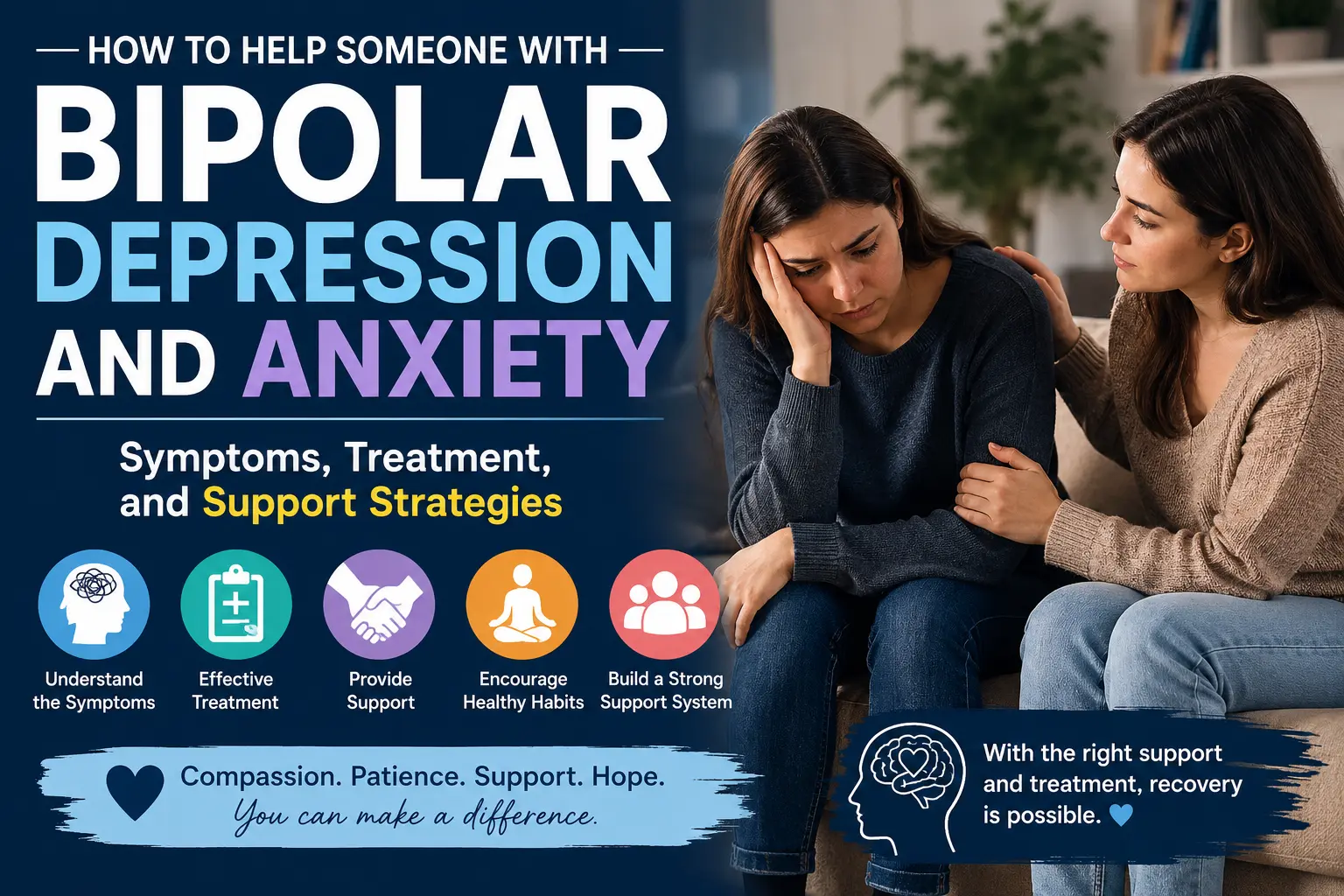 Watching someone you care about struggle with bipolar depression and anxiety can be heartbreaking. You may notice that they withdraw…
 In my practice as a clinical psychologist, I often observe that the difference between a patient who crumbles under pressure…
 We all have "up" days and "down" days. Perhaps you feel energized after a promotion or sluggish on a rainy…
 To define bipolar disorder accurately, we must look at it as a chronic mood dysregulation condition. In psychology and medicine,…
Are you looking for a Therapist?
Connect with qualified mental health professionals who understand
bipolar disorder, mood changes, and emotional challenges.
Private • Supportive • Confidential