
What Is Quetiapine? Uses, Dosage, Side Effects & Safety Explained

Medically reviewed by Laura Athey Updated Date: April 24, 2026

In my practice as a clinical psychologist, I often observe that the moment a patient is handed a prescription for quetiapine, a wave of apprehension follows. They see terms like “antipsychotic” on the pharmacy printout and immediately wonder, “Is my condition that severe?” or “Will this change who I am?” Quetiapine, widely known by the brand name Seroquel, is one of the most versatile medications in modern psychiatry.
While it is classified as an atypical antipsychotic, its role in clinical treatment extends far beyond schizophrenia. Whether it is used to stabilize the highs of mania, lift the heavy shroud of bipolar depression, or serve as an adjunct to help a standard antidepressant work more effectively, quetiapine is a multifaceted tool.
The following guide is designed to demystify this medication, explaining the “why” behind its various dosages and providing a clear, evidence-based look at its impact on the brain and body.
What Is Quetiapine and What Is It Used For?
If you have been prescribed this medication, you may see different names on your bottle. Quetiapine fumarate is the generic name; “fumarate” simply refers to the salt form of the drug that allows your body to absorb it. You may also see two different delivery formats: Quetiapine IR (Immediate Release) and Quetiapine ER (Extended Release).
The difference is significant for your daily experience. The IR version peaks in your bloodstream quickly, often leading to a rapid onset of sleepiness, whereas the ER version releases the medication slowly over 24 hours to provide a steady level of mood stabilization with potentially less acute daytime sedation.
FDA-Approved Medical Uses
Quetiapine is FDA-approved for several primary conditions, each requiring a different strategy:
- Bipolar Disorder: This is perhaps where quetiapine shines most. It is approved for the treatment of acute mania (the “highs”), bipolar depression (the “lows”), and as long-term maintenance therapy to prevent future episodes.
- Schizophrenia: At higher doses, quetiapine helps manage “positive” symptoms like hallucinations and “negative” symptoms like social withdrawal.
- Major Depressive Disorder (MDD): It is frequently used as an “adjunct” or add-on therapy for adults who have not seen full relief from standard SSRIs or SNRIs.
Off-Label Uses
In clinical practice, we often see quetiapine prescribed “off-label” (meaning for uses not specifically FDA-approved) for severe insomnia, generalized anxiety disorder, or PTSD-related nightmares. However, as we will discuss later, using quetiapine as a primary “sleeping pill” remains a subject of careful clinical debate.
In my practice, I often select quetiapine for discussion with a patient’s psychiatrist when that patient struggles with mood instability coupled with profound sleep disruption.
The Nuance: Many mood stabilizers help the “peaks” of mania but do little for the “troughs” of insomnia. Quetiapine’s unique profile allows us to address the biological need for sleep while simultaneously stabilizing the underlying neurochemistry of bipolar disorder.
I’ve observed that when we fix a patient’s circadian rhythm through the sedative properties of quetiapine, their executive function during the day improves significantly because the brain is finally getting the restorative rest it needs to regulate emotions.
What Class of Drug Is Quetiapine?
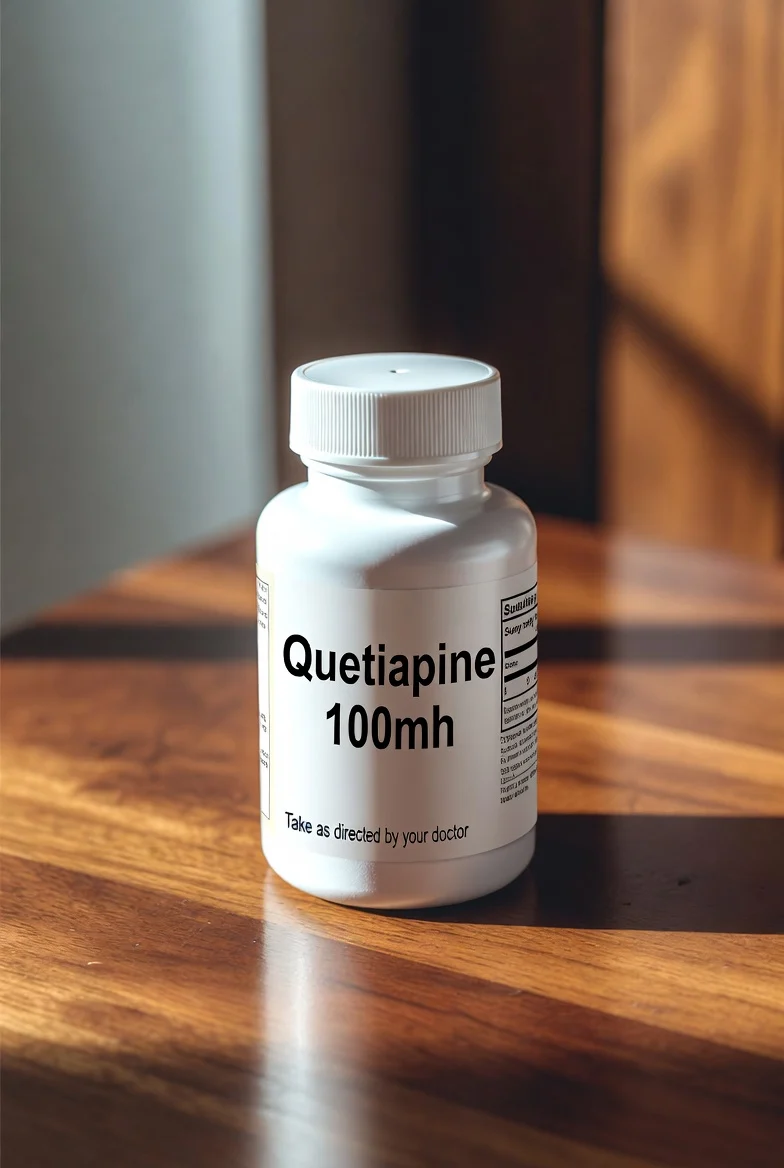
Quetiapine belongs to a class known as second-generation antipsychotics (SGAs), or “atypical” antipsychotics. This distinction is important because atypicals are generally less likely to cause the severe movement disorders (like tremors) associated with older, first-generation medications.
How Quetiapine Works in the Brain
What does quetiapine actually do to a person? To understand this, we have to look at its “receptor profile.” Quetiapine is a “dirty drug” in the best sense of the word—it interacts with multiple neurotransmitter systems.
- Dopamine (D2 Receptors): By modulating dopamine in specific pathways, it calms racing thoughts and reduces the intensity of manic or psychotic symptoms.
- Serotonin (5-HT2A Receptors): Its interaction with serotonin is likely why it is so effective for depression compared to older antipsychotics.
- Histamine (H1 Receptors): This is the “secret” to its sedative effect. Quetiapine binds very strongly to histamine receptors—much like a powerful Benadryl—which explains why even a tiny dose can make a person feel very sleepy.
Common Misconceptions
- Is quetiapine a Xanax? No. Xanax is a benzodiazepine that works on the GABA system. It is potentially addictive and used for acute anxiety. Quetiapine is an antipsychotic; it is not considered addictive and works on dopamine and serotonin.
- Is quetiapine a sleeping pill? While it is highly sedating, it is not classified as a hypnotic (like Ambien). Its primary job is mood regulation, with sleep being a “beneficial side effect” for many.
Quetiapine Dosage Guide (25mg, 50mg, 100mg & More)
Quetiapine is unique because its effect changes drastically depending on the dose. It is one of the few medications that acts like a completely different drug as the milligrams increase. This is why I often see patients confused when they compare their 25mg dose for sleep with a friend’s 600mg dose for bipolar I disorder.
Low Dose (25mg – 50mg)
At this level, quetiapine acts almost exclusively as an antihistamine.
- Primary use: Often used as a starter dose to test for sensitivity, or off-label for severe insomnia.
- What to expect: Significant drowsiness, usually within 30 to 60 minutes. It does very little for “mood” at this level, but can break a cycle of insomnia.
Moderate Dose (100mg – 300mg)
At this range, the medication begins to engage the serotonin receptors more effectively.
- Primary use: Often, the target range for bipolar depression.
- What to expect: A lifting of depressive symptoms and a “smoothing out” of emotional volatility. The sedation usually remains but may become less overwhelming as the body adapts.
High Dose (400mg – 800mg)
This is the range where quetiapine provides its full antipsychotic and anti-manic effects by significantly blocking dopamine receptors.
- Primary use: Acute mania in bipolar I disorder and schizophrenia.
- How often to take: Usually taken once daily (ER) or divided into two doses (IR).
| Dosage Range | Primary Target | Receptor Action |
| 25–50 mg | Sleep / Starter | Mostly Histamine |
| 100–300 mg | Bipolar Depression | Histamine + Serotonin |
| 400–800 mg | Mania / Schizophrenia | Histamine + Serotonin + Dopamine |
Why Start Low?
I often explain to my patients that we “start low and go slow” to protect the brain’s neuroplasticity. We want to find the “Minimum Effective Dose”—the smallest amount of medication that provides relief without causing unwanted side effects like “zombie-like” daytime grogginess or metabolic changes.
Quetiapine for Sleep — What You Should Know
It is almost impossible to discuss quetiapine without discussing sleep. Because Quetiapine 25 mg for sleep is so common, many people assume it is a standard sleep aid.
While its ability to induce sleep is undeniable, most clinical guidelines (including those from the American Academy of Sleep Medicine) suggest it should not be the first choice for simple insomnia. The reason lies in the “cost-benefit” ratio.
While a 25mg dose is effective, it still carries the potential for metabolic side effects—like increased appetite or changes in blood sugar—that a standard sleep aid may not.
However, for a person with bipolar disorder, quetiapine is often a godsend for sleep. It doesn’t just “knock you out”; it stabilizes the underlying neurological “noise” that prevents sleep in the first place.
Quetiapine Side Effects and Warnings
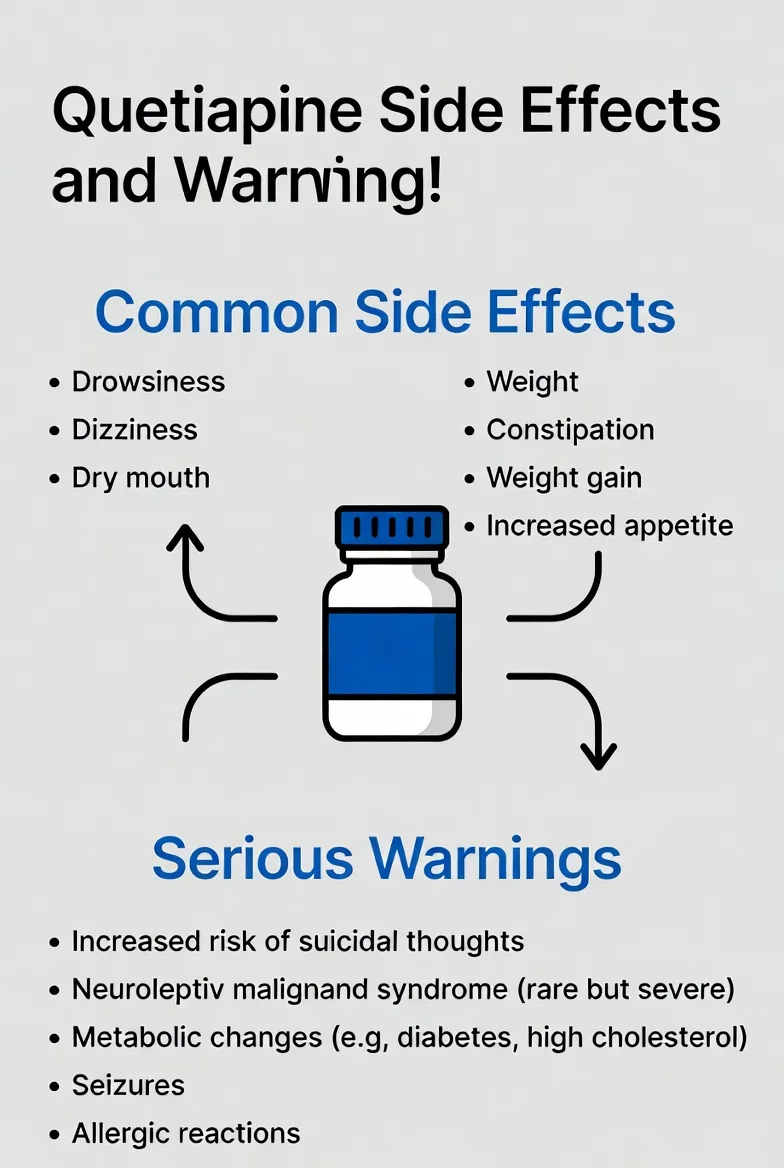
While quetiapine is a transformative medication for many, it is not without its challenges. In my practice, I find that patients are much more likely to stick with their treatment plan when they know exactly what to expect and how to manage the “biological trade-offs” that come with this drug.
Common Side Effects
Most people will experience some level of side effects during the first few weeks as the brain and body adjust.
- Drowsiness and Sedation: As discussed, this is the most common effect. For many, this is a welcome relief at night, but it can lead to “morning grogginess.”
- Weight Gain and Increased Appetite: Quetiapine can significantly increase your craving for carbohydrates and late-night snacking. This is due to its effect on the H1 and 5-HT2C receptors, which govern hunger signals.
- Dry Mouth and Constipation: These are “anticholinergic” effects—the medication can slow down certain bodily secretions and processes.
- Orthostatic Hypotension: This is a fancy term for the dizzy feeling you get when you stand up too quickly. It happens because quetiapine can slightly lower your blood pressure.
Serious Risks and Long-Term Considerations
Is quetiapine a “high-risk” drug? It is considered a medication that requires regular monitoring. We specifically look out for metabolic syndrome, which is a cluster of conditions including increased blood pressure, high blood sugar, and excess body fat around the waist.
Another rare but serious concern is tardive dyskinesia (TD). TD involves involuntary, repetitive body movements, such as grimacing or eye blinking. While the risk is much lower with quetiapine than with older antipsychotics, it is the reason why psychiatrists perform regular “movement checks” during your appointments.
Who Should Exercise Caution?
Not everyone is an ideal candidate for quetiapine. There are specific populations where the risk-benefit ratio must be weighed very carefully:
- Elderly Patients with Dementia: There is an FDA “Black Box Warning” for elderly patients with dementia-related psychosis, as antipsychotics can increase the risk of stroke or heart failure in this specific group.
- Individuals with Diabetes: Because quetiapine can impact blood glucose levels, those with pre-diabetes or diabetes must monitor their sugar levels much more closely.
- Pregnancy and Breastfeeding: In my practice, I always refer pregnant patients to a reproductive psychiatrist. While quetiapine is often continued if the risk of a bipolar relapse is high, it is a decision that requires a nuanced, expert discussion.
Frequently Asked Questions
What is quetiapine used for in adults?
In adults, quetiapine is primarily used to treat schizophrenia, bipolar I and II disorder (including acute mania and depression), and as an add-on treatment for major depressive disorder.
What is quetiapine 25 mg used for?
The 25mg dose is usually a “starting dose” to help the body acclimate to the medication. Off-label, it is frequently prescribed in low doses to help with severe insomnia or acute agitation.
Is quetiapine addictive?
No. Quetiapine is not a controlled substance and does not produce a “high” or cravings. However, you should never stop it abruptly, as this can cause withdrawal symptoms like nausea or “rebound” insomnia.
How long does quetiapine take to work?
For sleep, it works within 30 to 60 minutes. For mood stabilization or antidepressant effects, it typically takes 2 to 6 weeks of consistent use to reach its full therapeutic potential.
Can quetiapine cause weight gain?
Yes, weight gain is a common side effect. It is often manageable through mindful nutrition and regular exercise, but it is a primary reason why doctors monitor your weight and metabolic markers.
Is quetiapine the same as Seroquel?
Yes. Seroquel is the brand name, and quetiapine is the generic name. They contain the same active ingredient.
Conclusion
Quetiapine is a powerful ally in the search for mental stability, particularly for those of us navigating the complexities of bipolar disorder. It is a medication that requires a partnership between you and your provider—one where you are honest about your side effects and your doctor is diligent about your monitoring.
Remember, the goal of any psychiatric medication is not to dull your personality but to provide a stable foundation upon which you can build a meaningful life. When we manage the “biological basics”—like sleep and mood regulation—the work we do in therapy becomes significantly more effective.
If you are starting quetiapine, be patient with the process. It takes time for the brain’s neuroplasticity to adapt to a new chemical environment, but for many, the result is a clarity and calm that was previously out of reach.
References & Resources
- National Institute of Mental Health (NIMH): nimh.nih.gov
- National Alliance on Mental Illness (NAMI): nami.org
- Bipolar Lives: bipolar-lives.com
- American Psychiatric Association: psychiatry.org

Related Posts




Subscribe to Our Newsletter
Get mental health tips, updates, and resources delivered to your inbox.
MORE from Author
Read More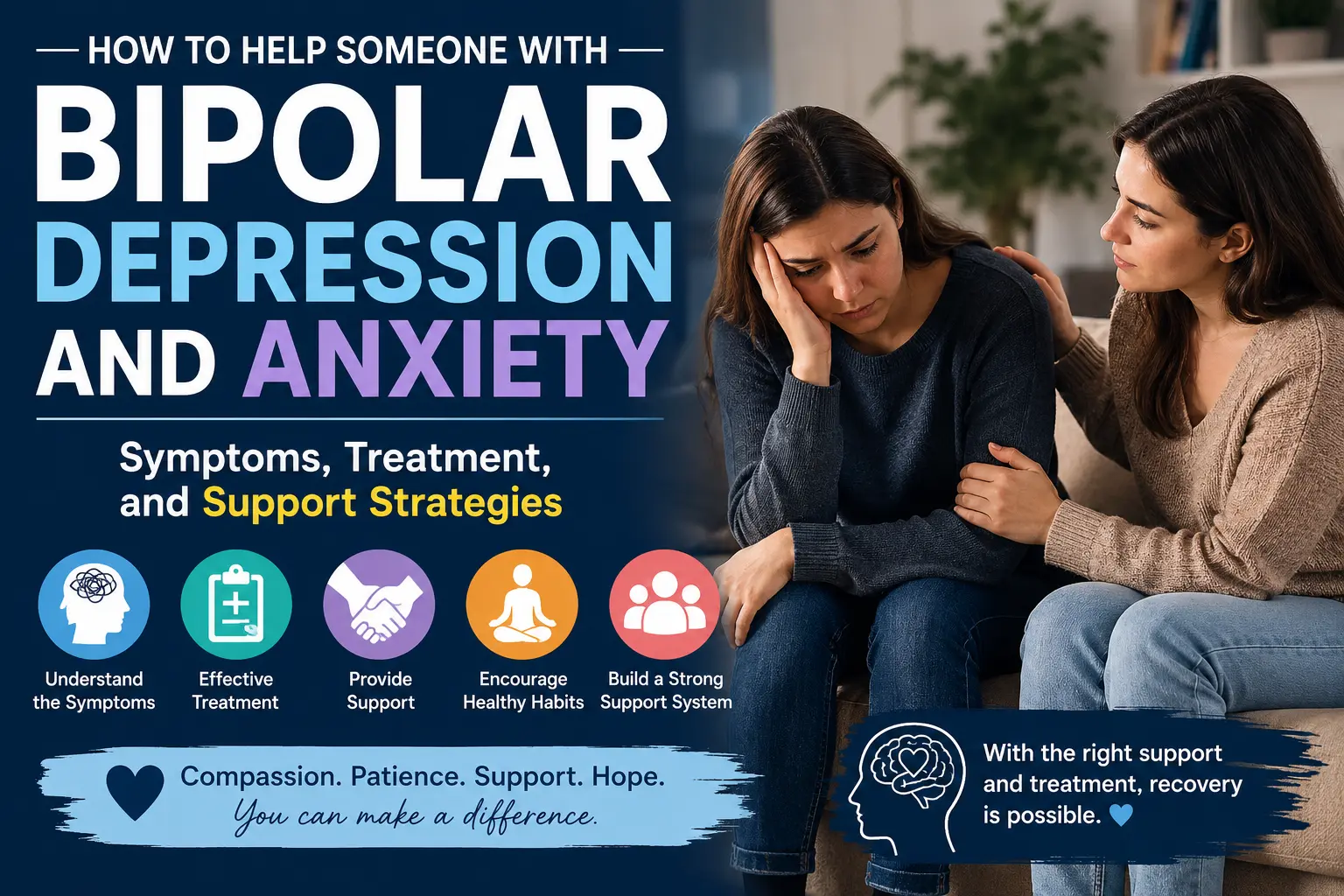 Watching someone you care about struggle with bipolar depression and anxiety can be heartbreaking. You may notice that they withdraw…
 In my practice as a clinical psychologist, I often observe that the difference between a patient who crumbles under pressure…
 We all have "up" days and "down" days. Perhaps you feel energized after a promotion or sluggish on a rainy…
 To define bipolar disorder accurately, we must look at it as a chronic mood dysregulation condition. In psychology and medicine,…
Are you looking for a Therapist?
Connect with qualified mental health professionals who understand
bipolar disorder, mood changes, and emotional challenges.
Private • Supportive • Confidential