
Bipolar 2 Criteria (DSM-5-TR): Symptoms, Diagnosis, and Key Differences from Bipolar 1

Bipolar II disorder is a mood disorder defined in the DSM-5-TR by at least one hypomanic episode and at least one major depressive episode, without any history of full manic episodes. While people often think of bipolar disorder as “extreme highs and lows,” Bipolar II is unique.
It often features longer, more frequent bouts of deep depression. Many patients I see in my clinical practice initially seek help for depression, unaware that their periods of high energy are actually medical symptoms.
Recognizing the specific bipolar 2 criteria is the first step toward getting the right help. Because this condition is often misdiagnosed as standard depression, understanding the nuances of the DSM-5 bipolar 2 criteria is vital for your long-term health and stability.
What Is Bipolar II Disorder?
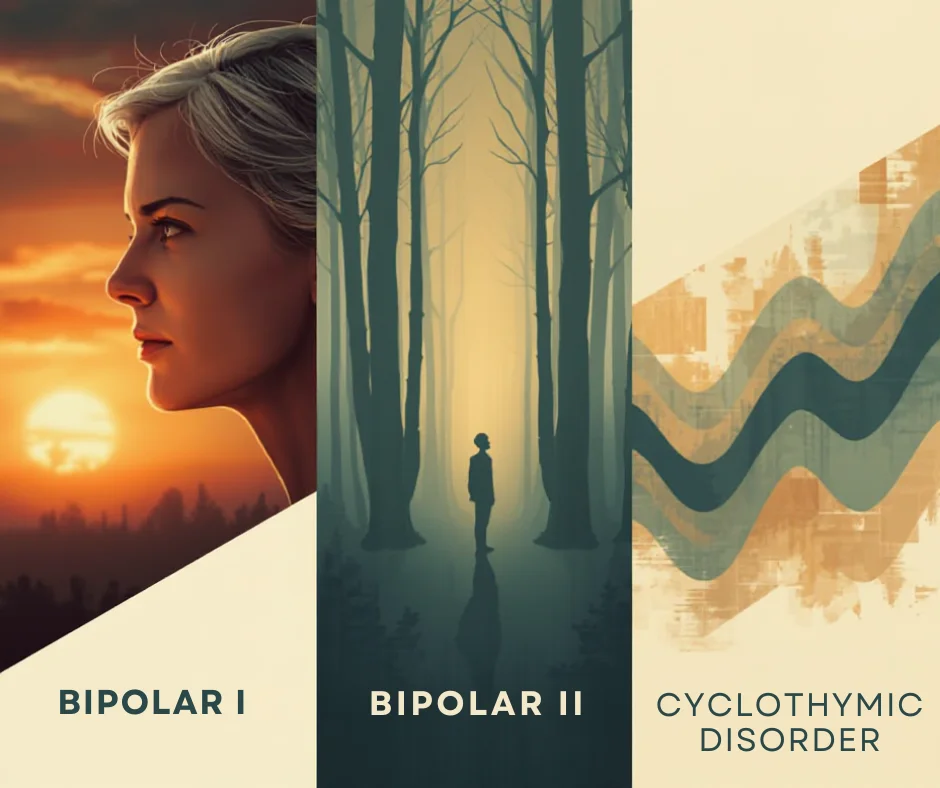
So, what is bipolar II disorder exactly? In the world of psychiatry, we classify it as a member of the bipolar “spectrum.” Unlike Bipolar I, where patients experience intense mania that may require a hospital stay, Bipolar II involves “hypomania.” This is a scaled-back version of mania.
During my years of practice, I’ve found that many patients actually enjoy their hypomanic phases. They feel productive, sharp, and confident. However, these peaks are almost always followed by a “crash” into severe depression. The bipolar ii disorder symptoms focus heavily on this cycle.
While the highs are less extreme than Bipolar I, the depressive episodes in Type 2 can be more frequent and last longer. This creates a heavy burden on daily life.
What Are the DSM-5-TR Criteria for Bipolar 2?
The DSM-5-TR (Diagnostic and Statistical Manual of Mental Disorders, 5th Edition, Text Revision) is our “gold standard.” It provides the specific bipolar 2 criteria dsm that doctors use to make a diagnosis. To be officially diagnosed, a person must meet very specific benchmarks.
Core Diagnostic Requirements
To confirm a bipolar 2 diagnosis criteria match, a clinician looks for these five pillars:
- At least one hypomanic episode lasting 4 days or more.
- At least one major depressive episode lasting 2 weeks or more.
- Zero history of mania. One single manic episode changes the diagnosis to Bipolar I.
- No other cause. Symptoms aren’t better explained by schizophrenia or other psychotic disorders.
- Functional impact. The mood swings cause significant distress or impairment in social or work life.
Hypomania DSM-5 Criteria
Hypomania is the “signature” of Bipolar II. It is a distinct period of abnormally elevated or irritable mood. Use the table below to see the specific hypomania dsm-5 criteria.
| Requirement | DSM-5-TR Details |
| Duration | At least 4 consecutive days, present most of the day. |
| Mood | Elevated, expansive, or unusually irritable. |
| Energy | Abnormally increased activity or energy. |
| Symptom Count | At least 3 (or 4 if the mood is only irritable). |
| Examples | Less sleep needed, racing thoughts, distractibility, risky spending. |
| Impairment | Change in functioning is noticeable, but not severe enough for hospital care. |
Clinical Note: If you experience psychosis (hallucinations or delusions) during a high, it is classified as mania, not hypomania. This would disqualify a Bipolar II diagnosis.
Major Depressive Episode Criteria
The depressive side of the bipolar type 2 dsm criteria is often the most painful part. It requires at least five symptoms during the same 2-week period. At least one symptom must be either a depressed mood or a loss of interest/pleasure (anhedonia). Other symptoms include:
- Significant weight or appetite changes.
- Insomnia or sleeping too much.
- Feeling “sped up” or “slowed down” (psychomotor agitation).
- Fatigue or loss of energy.
- Feelings of worthlessness or excessive guilt.
- Diminished ability to think or concentrate.
- Recurrent thoughts of death.
Bipolar 2 DSM-5 Code & Documentation

When doctors document your health records, we use specific codes for insurance and tracking. The Bipolar 2 DSM-5 code is primarily mapped to the ICD-10 system as F31.81.
In the newer DSM-5-TR, the criteria remained largely the same as the DSM-5. However, the “Text Revision” added more clarity on how to document “mixed features.”
This happens when someone has symptoms of depression and hypomania at the same exact time. If you are looking for a DSM-5 bipolar 2 disorder criteria pdf, please note that these are copyrighted materials. Most reputable clinics will provide you with a summary of these guidelines during your intake.
What Are Three Signs of Bipolar Type 2 Disorder?
Are you wondering if your mood swings are more than just “stress”? While only a doctor can diagnose you, these three signs are common indicators of bipolar 2 symptoms:
- The “Up” That Isn’t Quite Mania: You feel a burst of energy for a few days. You might clean the whole house at 3 AM or start three new business projects. You feel “wired but tired.”
- Crushing Fatigue and Sadness: You have periods where you can’t get out of bed. These episodes feel much heavier than a typical “bad mood.”
- The “Yo-Yo” Pattern: Your friends or family notice that you seem like two different people depending on the week.
If you are asking, “could you have bipolar disorder?“, it is important to track these patterns over months, not just days.
How Is Bipolar 2 Diagnosed?
Getting a bipolar 2 diagnosis is a process of “ruling out” and “ruling in.” There is no blood test for this. Instead, we use a structured clinical interview.
The Diagnostic Process
- Clinical Interview: We talk about your family history. Genetics play a huge role in bipolar type 2 diagnostic criteria.
- Mood History Timeline: I often ask patients to map out their moods over the last year. When did the energy start? When did the “crash” happen?
- Rule-Outs: We must check for thyroid issues, Vitamin D deficiency, or substance use. These can mimic bipolar ii disorder symptoms.
- Screening Tools: We use tools like the Mood Disorder Questionnaire (MDQ) or the HCL-32. These aren’t diagnostic on their own, but they point us in the right direction.
I once interviewed a patient who had been treated for “treatment-resistant depression” for ten years. After looking at her “bursts of productivity” where she didn’t sleep for four days, we realized it was Bipolar II. Once we started a mood stabilizer instead of just an antidepressant, her life changed overnight.
DSM-5 Bipolar 1 vs 2 – What’s the Difference?
Many people ask, “Which one is worse?” In reality, they are just different. The DSM-5 bipolar 1 vs 2 distinction centers on the “highs.”
| Feature | Bipolar I | Bipolar II |
| Mania | Required (at least 7 days) | Never present |
| Hypomania | Common, but not required | Required (at least 4 days) |
| Major Depression | Very common | Required |
| Hospitalization | Frequent during mania | Rare (unless for depression) |
| Psychosis | Possible during mania | Only possible during depression |
While Bipolar I mania is more dangerous in the short term, Bipolar II depression is often more chronic. This makes the criteria for bipolar 1 very different in terms of immediate safety risks.
What Percentage of Bipolar Patients Have Type 2?
Bipolar II is more common than many think. Studies suggest the lifetime prevalence in the US is about 1%. Interestingly, research shows that bipolar disorder psychology varies by gender.
Women are more likely to be diagnosed with Bipolar II than men. They also tend to report more “rapid cycling,” which is having four or more mood episodes in a single year.
Most people see symptoms start in their late teens or early 20s. However, because it looks like depression, the average delay between the first episode and a correct diagnosis is often 8 to 10 years.
Treatment Overview for Bipolar II Disorder
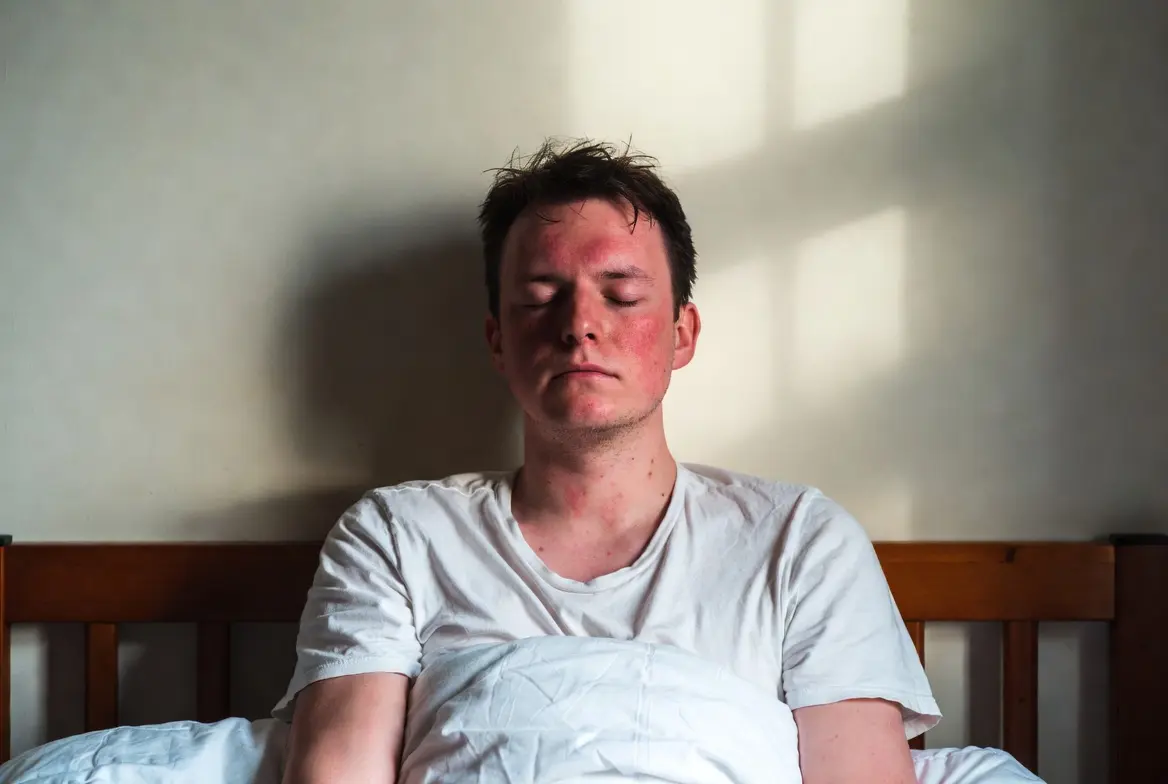
Managing this condition requires a multi-pronged approach. While I cannot prescribe medication over an article, I can outline the standard of care used in a bipolar disorder clinic.
Medication Options
The goal of bipolar disorder medications is to “level the playing field.” We want to stop the highs from going too high and the lows from going too low.
- Mood Stabilizers: Lithium is the classic “gold standard.” Lamotrigine (Lamictal) is often preferred for Bipolar II because it is very effective at preventing the depressive “crash.”
- Atypical Antipsychotics: Meds like Quetiapine or Lurasidone help manage both ends of the spectrum.
- The Antidepressant Warning: Using a standard SSRI (like Prozac) without a mood stabilizer can sometimes “trigger” a hypomanic episode in Bipolar II patients.
Psychotherapy
Therapy for bipolar disorder is just as important as pills.
- CBT (Cognitive Behavioral Therapy): Helps you catch the “thinking errors” that happen during mood shifts.
- IPSRT (Interpersonal and Social Rhythm Therapy): This is vital. It focuses on keeping a strict sleep/wake schedule. Sleep deprivation is the #1 trigger for hypomania.
Higher Level of Care
If someone is having thoughts of self-harm during a depressive dip, bipolar disorder inpatient treatment may be necessary. These bipolar disorder treatment facilities provide a safe space to stabilize medications quickly.
Signs of Bipolar Disorder: When Should You Take a Self-Test?
Self-tests can be a great “check-engine light,” but they are not a mechanic. If you find yourself taking an online “Am I Bipolar?” quiz, use the results as a conversation starter with a doctor.
Watch for these warning signs:
- You feel “too good” in a way that feels unnatural.
- You are making impulsive financial or sexual decisions you later regret.
- Your sleep patterns are completely erratic.
- You feel like your thoughts are moving faster than you can speak.
Tracking your mood via an app (like Daylio or eMoods) for two weeks provides much better data for your clinician than a one-time quiz.
Frequently Asked Questions (FAQ)
What are the criteria for diagnosis of bipolar 2 disorder?
The bipolar 2 criteria include at least one hypomanic episode (4+ days) and at least one major depressive episode (2+ weeks). You must have no history of full mania. The symptoms must cause significant distress in your life and not be caused by substances or other medical issues.
How is bipolar 2 diagnosed?
A licensed mental health professional, such as a psychiatrist or psychologist, performs a clinical interview. They review your mood history, family genetics, and current symptoms. They often use screening tools and may order blood work to rule out physical conditions like thyroid disease.
What is the difference between bipolar 1 and 2?
The main difference is the intensity of the “up” periods. Bipolar I involves full mania, which is severe and may include psychosis or hospitalization. Bipolar II involves hypomania, which is a less severe high. However, Bipolar II often involves more frequent and disabling depressive episodes.
What are performance criteria?
In this context, we must distinguish between “clinical diagnostic criteria” and “workplace performance criteria.” Clinical criteria are the medical rules in the DSM-5-TR used for diagnosis.
Performance criteria usually refer to HR standards at a job. If bipolar symptoms affect your work, you may be eligible for ADA accommodations.
Bipolar Disorder Organizations & Support
You do not have to navigate this alone. There are incredible bipolar disorder resources available for education and community support:
- NAMI (National Alliance on Mental Illness): Provides local support groups and education.
- DBSA (Depression and Bipolar Support Alliance): Offers peer-led support groups specifically for mood disorders.
- SAMHSA: A national helpline (1-800-662-HELP) for finding bipolar disorder counseling and treatment locators.
If you are struggling with the bipolar type 2 dsm criteria symptoms today, please reach out to a professional. Stable, happy lives are possible with the right diagnosis and support. What is the first step you will take today to track your mood?
References:
Related Posts




Subscribe to Our Newsletter
Get mental health tips, updates, and resources delivered to your inbox.
MORE from Author
Read More In my practice as a clinical psychologist, I often observe that the difference between a patient who crumbles under pressure…
- We all have "up" days and "down" days. Perhaps you feel energized after a promotion or sluggish on a rainy…


 To define bipolar disorder accurately, we must look at it as a chronic mood dysregulation condition. In psychology and medicine,…
 To answer whether bipolar fits the bill, we first have to define what a neurodivergent person actually is. The term…
Are you looking for a Therapist?
Connect with qualified mental health professionals who understand
bipolar disorder, mood changes, and emotional challenges.
Private • Supportive • Confidential