
Unmasking Autism: A Complete Guide for Awareness, Diagnosis, Adults, and Families
Navigating the world of neurodiversity can feel like learning a new language while simultaneously trying to build a bridge. Whether you are a parent wondering, “What Color Are Autism Awareness Ribbons?” or an adult finally asking, “What is unmasking autism?” you are likely looking for a sense of belonging and clarity.
In my clinical practice as a psychologist, I’ve had the privilege of walking alongside many individuals as they “unlock the truth” about their own brains. I recall a recent interview with a patient in her late 40s who spent decades feeling like she was “reading from the wrong script.” It wasn’t until we explored the concept of unmasking autism that she finally felt she could breathe.
This guide is designed to be a comprehensive pillar for families and adults. We will cover the essentials of symbolism, the logistics of finding a reliable autism diagnosis, the nuances of adult autism residential programs, and what truly makes a daycare autism friendly.
Finally, we will dive deep into the groundbreaking work of Devon Price and his book, Unmasking Autism, which has sparked a global conversation about authenticity and neurodiversity.
What Color Are Autism Awareness Ribbons?
Symbolism plays a massive role in how we communicate identity and advocacy. Many people ask, “What Color Are Autism Awareness Ribbons?” The answer is more complex than a single shade, as the community’s preferences have evolved alongside our understanding of the spectrum.
The Traditional Blue Ribbon
Historically, the blue ribbon and the “Light It Up Blue” campaign were the primary symbols for autism awareness. This was largely driven by early advocacy groups focusing on pediatric research. While still common, many in the community feel this color focuses too much on “awareness” from an outside perspective rather than “acceptance” from within.
The Puzzle Piece vs. The Infinity Symbol
The puzzle piece is perhaps the most famous—and most controversial—autism awareness symbol. While some families find it represents the complexity of the condition, many autistic adults dislike it, suggesting they are “missing a piece” or are a problem to be solved.
In response, the neurodiversity movement has shifted toward the multicolored infinity symbol. This symbol represents the infinite variations in human wiring. Furthermore, the gold infinity symbol is gaining popularity because the chemical symbol for gold is “Au”—the first two letters of Autism.
Who Can Provide a Reliable Autism Diagnosis?
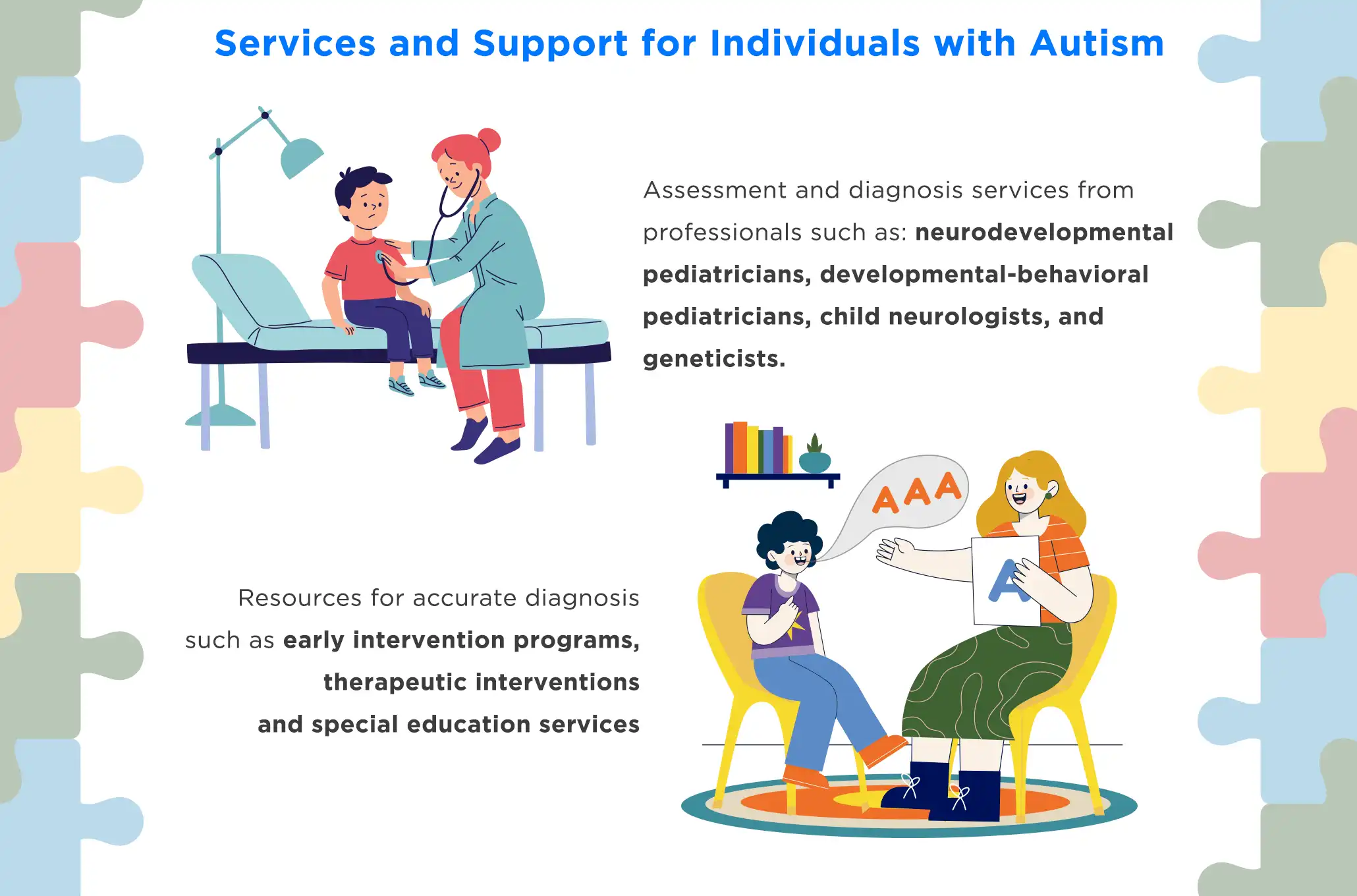
One of the most frequent questions I hear is, “Unlocking the Truth: Who Can Provide a Reliable Autism Diagnosis?” For many, the road to a diagnosis is paved with long waitlists and confusing terminology.
Who Can Diagnose Autism?
A reliable diagnosis must come from a licensed professional who specializes in neurodevelopment. This typically includes:
- Clinical Psychologists: Often use standardized tools like the ADOS-2 or ADI-R.
- Neuropsychologists: Focus on the relationship between brain function and behavior.
- Developmental Pediatricians: The primary source for early childhood diagnosis.
- Psychiatrists: Can provide a diagnosis, especially when co-occurring conditions like anxiety are present.
Can Therapists Diagnose Autism?
It is important to distinguish between screening and diagnosis. Many therapists and social workers are excellent at identifying autistic traits, but they may not be legally or clinically qualified to provide the formal diagnosis required for school accommodations or government support.
Adult Autism Diagnosis
For adults, the process is slightly different. Autism diagnosis for adults often involves a retrospective look at childhood. Because many adults have spent years “masking,” a clinician must be skilled at looking past social performance to see the internal experience of sensory overload and social fatigue.
Are Adult Autism Residential Programs Right for Your Family?
As autistic individuals move into adulthood, families often ask, “Are Adult Autism Residential Programs Right for Your Family?” The goal of these programs is not to “institutionalize,” but to provide a supportive environment that fosters independence.
Types of Residential Programs
- Supported Living: Individuals live in their own apartments but have staff visit for help with bills, cooking, or medical appointments.
- Group Homes: A small number of residents live together with 24/7 staff support.
- Independent Supported Apartments: Integrated housing where help is available “on-call.”
- Therapeutic Communities: Farmsteads or campuses designed specifically for neurodivergent social life.
When to Consider Residential Support
In my experience, families should consider these programs when caregiver burnout becomes high or when the individual expresses a desire for a social community of peers. Safety concerns regarding “wandering” or self-regulation are also valid reasons to explore these options.
What Makes a Daycare Autism Friendly?
Early intervention starts with the environment. What Makes a Daycare Autism Friendly? It isn’t just about having toys; it’s about the “sensory architecture” of the room.
Key Features to Look For:
- Sensory-Aware Environment: This means no flickering fluorescent lights, quiet acoustics, and “calm corners” where a child can go if they feel overwhelmed.
- Staff Training: Is the staff trained in autism-informed care? Do they understand that a meltdown is a sensory crisis, not a “tantrum”?
- Structured Routines: Autism-friendly daycares use visual schedules. Children thrive when they know exactly what comes next.
- Flexible Transitions: A “3-minute warning” before moving from play to lunch can prevent significant distress for an autistic child.
What Is Unmasking Autism?
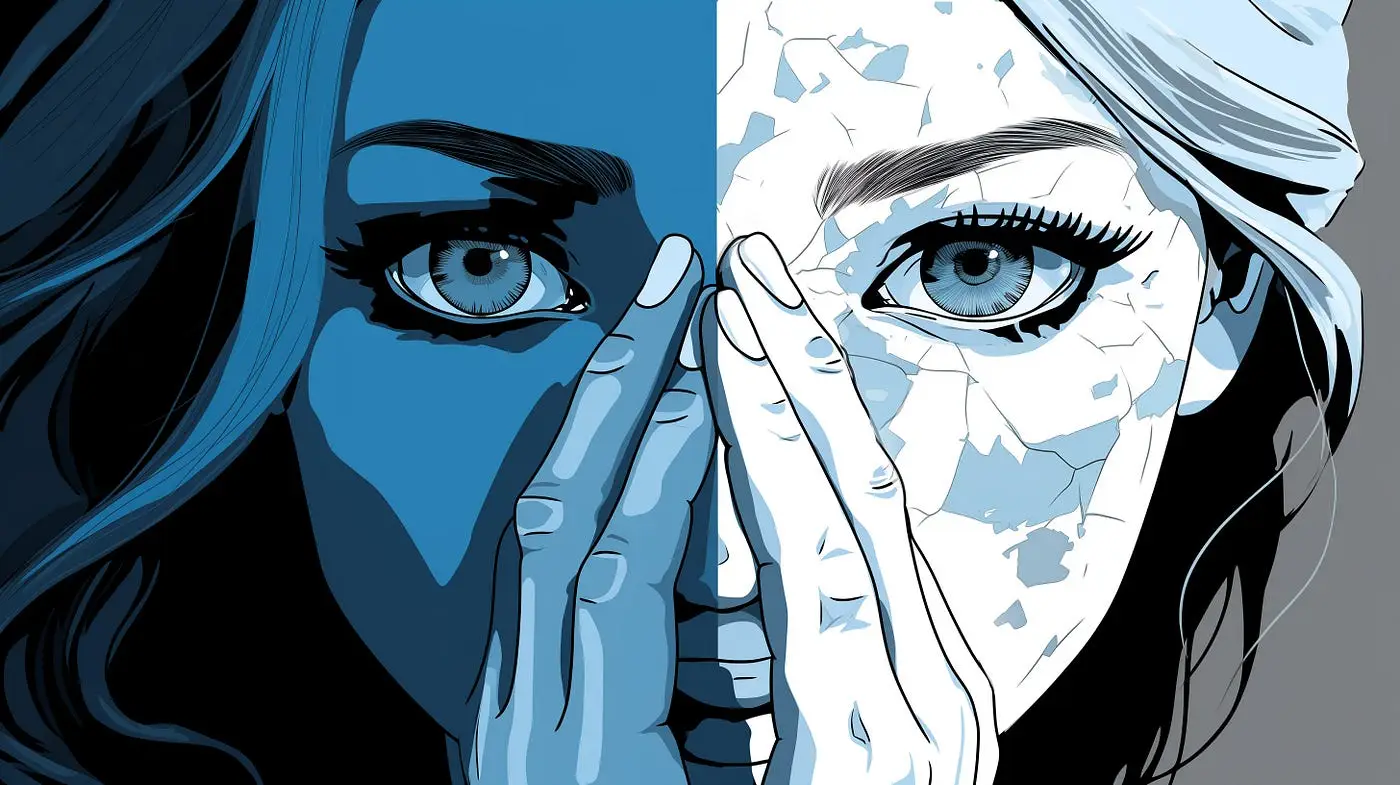
One of the most transformative concepts in modern psychology is unmasking. To understand it, we must first understand its shadow: social masking. In my clinical sessions, I often describe masking as a “social camouflage.”
It is the constant, exhausting effort of mimicking neurotypical body language, forcing eye contact, and suppressing natural movements (stimming) to avoid being judged or ostracized.
What Is Unmasking?
So, what is unmasking autism? It is the process of stripping away that camouflage to live authentically. Unmasking autism’s meaning goes beyond just “being yourself”; it is a radical act of self-preservation. When an autistic person unmasks, they are deciding that their internal comfort is more important than the neurotypical world’s comfort.
What does unmasking autism look like in practice?
- Reducing Social Performance: Not forcing a smile or eye contact when it feels painful.
- Embracing Sensory Safety: Wearing noise-canceling headphones in public or choosing clothing based on texture rather than fashion.
- Setting Boundaries: Saying “no” to overwhelming social events without guilt.
- Authentic Communication: Using direct language instead of trying to navigate subtle social “hints.”
What Are Unmasking Autism Symptoms?
It is important to note that unmasking can initially look like “regression” to outsiders. What is unmasking autism symptoms? You might see a person stimming more frequently or needing more downtime. This isn’t because they are getting “more autistic”—it’s because they are finally stopping the performance that led to burnout.
Masking Mood vs. Masking Neurodivergence
In my work at Bipolar Lives, I often see a crossover between masking autism and “performing” stability in Bipolar Disorder. Much like an autistic person masks to avoid being called “weird,” a person with bipolar disorder might mask their symptoms to avoid being called “unstable.”
During my interview with a patient named Sarah, she described her life as “double-masking.” She was hiding her sensory sensitivities while also hiding the fact that she was in a hypomanic state. The energy required to maintain these two masks led to a catastrophic burnout. Understanding how to unmask—whether it is your neurodivergence or your mood struggles—is the key to a sustainable life.
Frequently Asked Questions
What color represents autism awareness?
While blue was the traditional color, the community is moving toward gold and multicolor infinity symbols to represent neurodiversity and acceptance.
Who can provide a reliable autism diagnosis?
A reliable autism diagnosis is provided by licensed clinical psychologists, neuropsychologists, developmental pediatricians, or psychiatrists.
What is unmasking autism?
It is the process of stopping the “masking” of autistic traits (like stimming or avoiding eye contact) to live more authentically and reduce burnout.
Is there a summary of Devon Price’s book?
Yes, the unmasking autism Devon Price summary focuses on the history of masking, the trauma of camouflaging, and practical steps for neurodivergent people to reclaim their identity.
Can a child unmask?
Children unmask when they feel safe. An autism friendly daycare encourages unmasking by allowing kids to use their natural communication styles and sensory tools.
Conclusion
In conclusion, the journey from awareness to authenticity is a path of radical self-discovery. Whether you are choosing the right adult autism residential programs for a loved one or reading Unmasking Autism by Devon Price to understand your own history, you are moving toward a world of greater acceptance.
As we have seen, unlocking the truth about who can provide a reliable autism diagnosis is the first step, but unmasking is the lifelong work. By fostering autism-friendly daycare environments and embracing the gold infinity symbol, we move past “awareness” and into a future where neurodiversity is celebrated as a fundamental part of the human experience.
References
Related Posts






Subscribe to Our Newsletter
Get mental health tips, updates, and resources delivered to your inbox.
MORE from Author
Read More In my practice as a clinical psychologist, I often observe that the difference between a patient who crumbles under pressure…
- We all have "up" days and "down" days. Perhaps you feel energized after a promotion or sluggish on a rainy…


 To define bipolar disorder accurately, we must look at it as a chronic mood dysregulation condition. In psychology and medicine,…
 To answer whether bipolar fits the bill, we first have to define what a neurodivergent person actually is. The term…
Are you looking for a Therapist?
Connect with qualified mental health professionals who understand
bipolar disorder, mood changes, and emotional challenges.
Private • Supportive • Confidential