
Bipolar Mood Swings Daily Pattern: 5 Signs You Need a Self-Test and What It Really Means

Medically reviewed by Laura Athey Updated Date: April 11, 2026

Many people searching for the signs of bipolar disorder are not experiencing textbook mania. Instead, they are noticing subtle, confusing mood shifts that disrupt their daily lives. Bipolar Mood Swings Daily Pattern.
In my practice as a clinical psychologist, I often observe a deep confusion between depression, severe stress, and the bipolar spectrum. People frequently blame themselves for these emotional fluctuations.
It is crucial to understand that mood disorders exist on a spectrum, rather than as rigid, binary labels. You do not have to experience extreme, cinematic highs to be on the bipolar spectrum.
Recognizing this nuance is the first step toward true healing. By understanding your symptoms, you can seek the right evaluation and regain control of your life.
What Is Depression? Understanding the Mood Side of Bipolar Disorder

When we discuss the bipolar spectrum, we must first deeply understand clinical depression. This is because depressive episodes are often the first recognized phase of bipolar disorder.
Depression is a mood disorder characterized by persistent sadness, severe fatigue, and a profound loss of interest in life. It is not simply feeling sad after a difficult day.
Biologically, depression severely impacts your brain’s neuroplasticity. It weakens the neural pathways connected to motivation and joy, making it physically difficult to experience pleasure.
Simultaneously, neurotransmitters like serotonin and dopamine become dysregulated. This chemical shift slows down your executive function, making simple decisions feel impossibly overwhelming.
Depression is a mood disorder characterized by persistent sadness, loss of interest, and cognitive slowing that may appear alone or as part of bipolar disorder.
In my clinical experience, the risk of misdiagnosis here is exceptionally high. Many individuals with bipolar II disorder first enter therapy seeking help for treatment-resistant depression.
Because they do not report their hypomanic highs as a “problem,” clinicians often treat them solely for unipolar depression. Unfortunately, prescribing standard antidepressants without a mood stabilizer can sometimes trigger a manic switch.
This is why a comprehensive psychological evaluation must look at your entire mood history, not just your current depressive crash. We have to map the whole timeline.
Understanding the “Why” behind your depression removes the shame. Your brain is experiencing a structural and chemical fatigue state, which requires targeted, biological, and psychological support.
Could You Have Bipolar Disorder?
The bipolar spectrum encompasses several distinct diagnoses, including bipolar I, bipolar II, and cyclothymia. The core symptoms always involve a pendulum swing between mood elevation and depressive episodes.
Bipolar I involves full manic episodes that severely impair functioning, sometimes requiring hospitalization. Bipolar II, however, involves hypomania—a milder, highly functional form of mood elevation.
When examining bipolar disorder symptoms in females, we see distinct gender differences. Women typically experience far more frequent depressive cycles than men.
Furthermore, hormonal fluctuations related to menstruation, pregnancy, or the postpartum period deeply impact female mood cycling. Consequently, women face a much higher risk of being misdiagnosed with generalized anxiety or postpartum depression.
I frequently see patients who completely miss their own hypomanic symptoms. Because society rewards high productivity, a patient sleeping only four hours a night while launching a new business is often praised.
However, this disruption in circadian rhythms is a massive clinical red flag. Poor sleep hygiene does not just accompany hypomania; it actively fuels the neurochemical fire, pushing the brain closer to a severe depressive crash.
Mood Swings in Bipolar Disorder vs Normal Emotional Changes
It is entirely normal to experience emotional shifts based on your daily circumstances. However, there is a stark difference between normal emotional changes and clinical mood swings.
Clinical mood swings in bipolar disorder are not just reactions to a bad day. They are autonomous, biological shifts that take over your nervous system.
We differentiate clinical episodes from normal feelings based on three factors: intensity, duration, and functional impairment. If your mood shift causes you to miss work or damage relationships, it is clinical.
Furthermore, these mood states often feature severe emotional dysregulation. Your emotional responses become highly disproportionate to the actual events happening around you.
| Feature | Normal Mood Fluctuation | Bipolar Mood Episode |
| Duration | Hours to a couple of days | Several days to weeks/months |
| Trigger | Clear external event (e.g., job loss) | Often unprovoked/biological |
| Intensity | Manageable, allows daily functioning | Overwhelming, impairs daily life |
| Sleep Impact | Minor disruptions | Severe changes (needs much less/more) |
What Do Bipolar Mood Swings Feel Like?
To truly understand what bipolar mood swings feel like, we must look at real-world examples. The presentation can vary wildly from person to person.
For instance, one person might experience a sudden spike in high energy. This quickly translates into impulsive spending, rapid speech, and a feeling of invincibility, followed weeks later by a devastating depressive crash.
Another person might experience severe irritability rather than euphoria. They might pick fights with loved ones, feel a crawling restlessness in their skin, and eventually collapse from sheer nervous system exhaustion.
It is vital to clarify that “rapid cycling” exists but is not the most common pattern. Clinical mood changes usually last for several days or weeks, not minutes or hours.
Do Bipolar People Have Mood Swings Every Day?
A common misconception is that a bipolar diagnosis means constant, daily emotional switching. People often ask, “Do bipolar people have mood swings every day?”
The clinical answer is generally no. Bipolar disorder is an episodic illness, meaning people often experience long periods of completely stable, balanced mood in between episodes.
When someone experiences daily, rapid mood shifts, it is often something else. We frequently see this level of daily reactivity in borderline personality disorder or severe ADHD.
However, there is a bipolar exception known as a “mixed state.” In a mixed state, a person experiences the high energy of mania and the despair of depression simultaneously, leading to intense, chaotic daily fluctuations.
What Causes Mood Swings?
To understand severe mood swings, we must look at the multifactorial brain-behavior interaction. Biologically, extreme mood swings are driven by dopamine dysregulation and serotonin imbalances.
Psychologically, these chemical shifts are often triggered by chronic stress, unhealed trauma, or severe sleep deprivation. When your brain is exhausted, your emotional resilience collapses.
Furthermore, severe anxiety strongly overlaps with and amplifies emotional instability. Anxiety keeps your nervous system in a constant state of “fight or flight,” accelerating mental fatigue.
In my practice, I often observe that patients cannot separate their anxiety from their mood swings. Treating the underlying anxiety often drastically reduces the frequency of the emotional shifts.
What Causes Bipolar Disorder in the Brain?
Patients frequently ask me what causes bipolar disorder in the brain. The answer is not a single chemical imbalance, but rather a complex neurodevelopmental condition.
First, we must acknowledge genetic predisposition. Bipolar disorder is highly heritable, meaning structural vulnerabilities in the brain are often passed down through family lines.
However, genetics only loads the gun; the environment pulls the trigger. The most significant brain difference lies within the prefrontal-limbic system circuitry.
Your limbic system, particularly the amygdala, acts as the brain’s emotional fire alarm. It senses danger, excitement, and fear, flooding your body with corresponding neurochemicals.
Normally, your prefrontal cortex—the seat of your executive function—acts as the brain’s rational braking system. It evaluates the amygdala’s alarm and decides if a reaction is truly necessary.
How a Person With Bipolar Thinks and Acts Every Day
Understanding how a person with bipolar disorder thinks reveals a highly inconsistent internal world. During manic prodromes, they experience racing thoughts that feel incredibly urgent.
This leads to impulsive decision-making, where consequences are entirely invisible to their executive function. Conversely, during depression, their thoughts are sluggish, dark, and hyper-focused on past failures.
Daily behavior mirrors these cognitive shifts through massive energy fluctuations. You might see a week of incredible, hyper-focused productivity followed by weeks of total withdrawal.
Many patients describe feeling like their brain runs at two completely different speeds depending on the day. They are often just as confused and frustrated by their unpredictable behavior as their loved ones are.
Types of Bipolar Disorder
You may have seen online articles discussing the “7 types of bipolar disorder.” Clinically, this is a misconception that requires immediate correction.
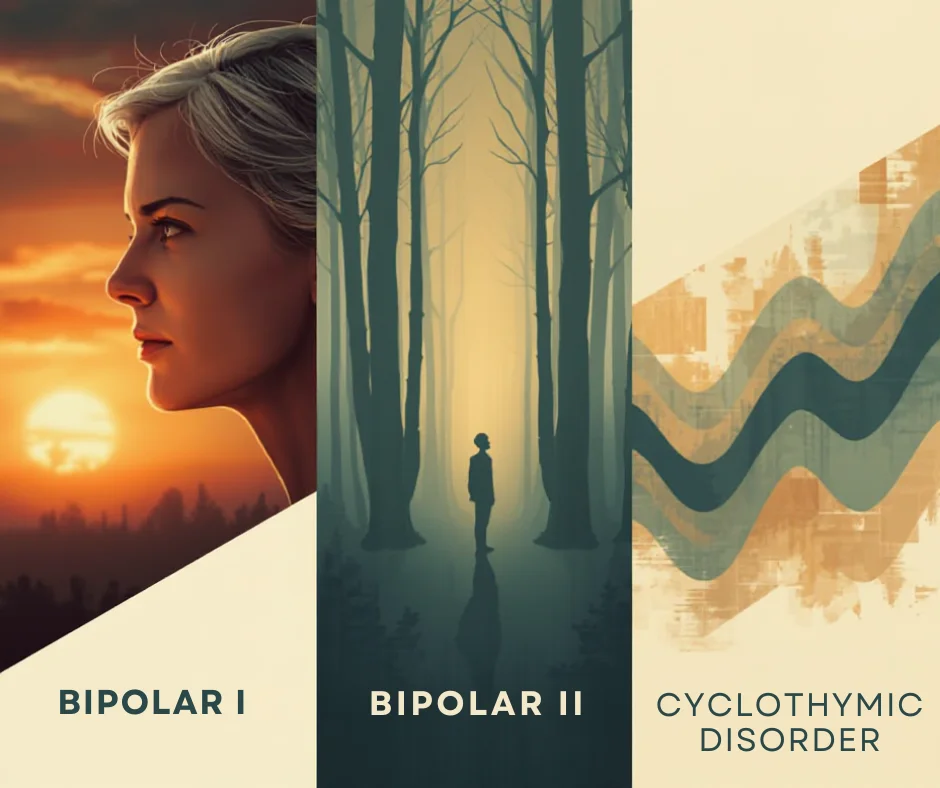
The DSM-5 (the standard diagnostic manual) officially recognizes three primary diagnoses: bipolar I, bipolar II, and cyclothymic disorder.
Bipolar I is defined by severe manic episodes, while bipolar II is defined by hypomania and deep depression. Cyclothymic disorder involves chronic, milder mood fluctuations lasting at least two years.
Instead of “7 types,” clinicians use specifiers to describe how the illness presents. This includes “rapid cycling” (four or more episodes a year) or episodes with “mixed features.”
Bipolar Disorder Self-Test
If you recognize these patterns, you may wonder when you should take a self-test. A self-test is highly useful if you have persistent mood instability or severe sleep irregularity.
It is also a helpful starting point if you have a known family history of mental illness. However, you must remember that online assessments are screening tools, not diagnostic instruments.
A bipolar self-test can help identify risk patterns, but it cannot replace a comprehensive clinical diagnosis by a licensed mental health professional.
Treatment for Bipolar Disorder

The most successful treatment for bipolar disorder relies on a dual approach: biological stabilization and psychological skill-building. Because bipolar disorder is a structural brain condition, medication is usually essential.
Mood stabilizers, such as lithium or lamotrigine, form the absolute foundation of treatment. These medications are uniquely neuroprotective; they actually promote healthy neuroplasticity.
By physically protecting the brain cells from the toxic stress of mood episodes, mood stabilizers raise the floor of your depression and lower the ceiling of your mania.
However, medication alone does not rebuild a life damaged by mood swings. This is where targeted psychotherapy becomes absolutely vital to long-term management.
Cognitive Behavioral Therapy (CBT) helps patients rebuild their executive function by identifying and challenging the distorted thoughts that arise during episodes.
Dialectical Behavior Therapy (DBT) is equally crucial, teaching distress tolerance and emotional regulation skills. DBT helps patients survive the intense emotional urges of an episode without acting destructively.
Beyond therapy and medication, rigid lifestyle regulation is a non-negotiable treatment pillar. This means prioritizing strict sleep hygiene to protect your circadian rhythms.
It also means developing a predictable daily routine and actively managing environmental stress. Long-term management is about creating a quiet, structured life where the brain feels safe enough to maintain its chemical balance.
Frequently Asked Questions
Early Signs of Bipolar Disorder?
The earliest signs are usually physiological, not emotional. Look for sudden changes in sleep needs, unexplained spikes or drops in physical energy, and unusual irritability or restlessness.
Sudden Onset Possibility?
While full episodes can seem to appear overnight, they almost always have a subtle prodromal phase. Family members often notice behavioral shifts weeks before the individual recognizes the mood change.
Bipolar I vs Bipolar II Differences?
Bipolar I features severe, full-blown mania that causes major life disruption and may include psychosis. Bipolar II features hypomania (a milder high) but often involves much more severe, lingering depressive crashes.
Mood Swings as Indicators?
Not all mood swings indicate bipolar disorder; many are caused by stress, ADHD, or borderline personality disorder. Bipolar mood swings are distinct because they last for days or weeks and occur independently of life events.
Curability of Bipolar Disorder?
Bipolar disorder is a chronic, lifelong neurobiological condition, meaning there is no permanent “cure.” However, with strict adherence to medication, therapy, and routine, it is highly treatable and manageable.
Conclusion
Navigating the signs of bipolar disorder can feel overwhelming, but clarity is the first step toward healing. Whether you are dealing with profound depression, confusing hypomanic highs, or chaotic mixed states, understanding the biology of your brain removes the burden of shame.
Bipolar disorder is not a character flaw; it is a complex neurodevelopmental condition that requires targeted, compassionate care. If you scored highly on a self-test or recognize yourself in these descriptions, please take action today.
Reach out to a licensed psychiatrist or psychologist for a comprehensive evaluation, because early intervention truly is the key to a stable, fulfilling life. Bipolar Mood Swings Daily Pattern.
Disclaimer
The content provided in this article is for informational and educational purposes only. It is not intended to be a substitute for professional medical advice, diagnosis, or treatment. Always seek the advice of your physician or other qualified mental health provider with any questions you may have regarding a medical condition.
Authoritative References
- Diagnosis and management of bipolar disorder
- The neurobiology of bipolar disorder: integration of genetics, circuits, and environment
- Sleep and circadian rhythm disruption in bipolar disorder
- Bipolar II disorder: a review of the literature
- Cognitive behavioral therapy for bipolar disorder: A systematic review

Related Posts






Subscribe to Our Newsletter
Get mental health tips, updates, and resources delivered to your inbox.
MORE from Author
Read More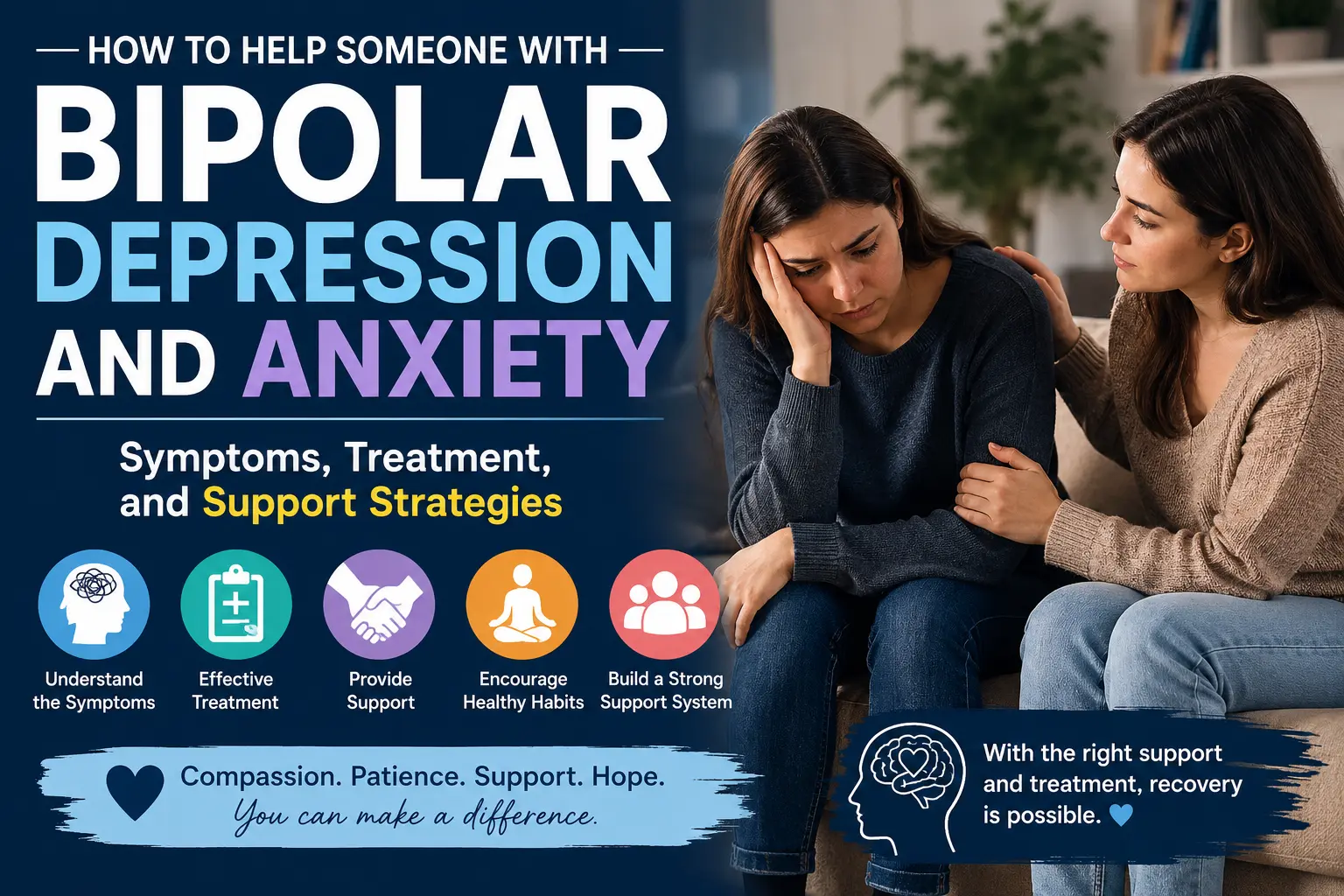 Watching someone you care about struggle with bipolar depression and anxiety can be heartbreaking. You may notice that they withdraw…
 In my practice as a clinical psychologist, I often observe that the difference between a patient who crumbles under pressure…
 We all have "up" days and "down" days. Perhaps you feel energized after a promotion or sluggish on a rainy…
 To define bipolar disorder accurately, we must look at it as a chronic mood dysregulation condition. In psychology and medicine,…
Are you looking for a Therapist?
Connect with qualified mental health professionals who understand
bipolar disorder, mood changes, and emotional challenges.
Private • Supportive • Confidential