
Emotional Dysregulation? ADHD, Autism, Symptoms & How to Regulate Your Emotions
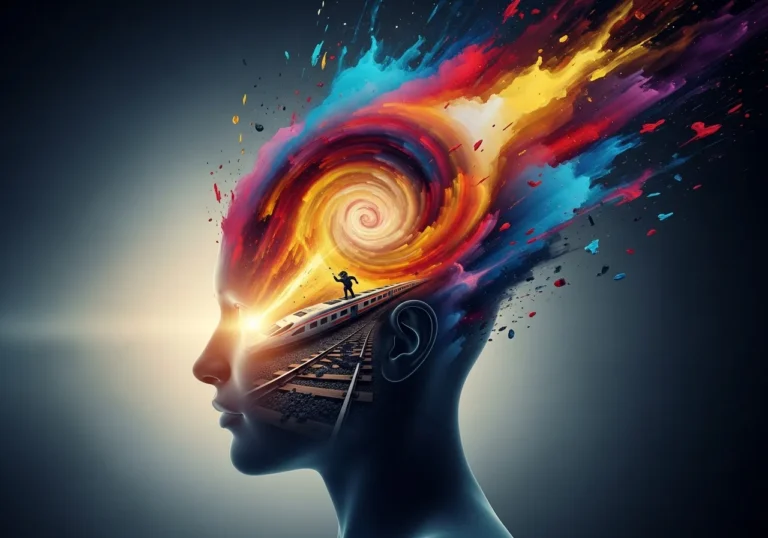
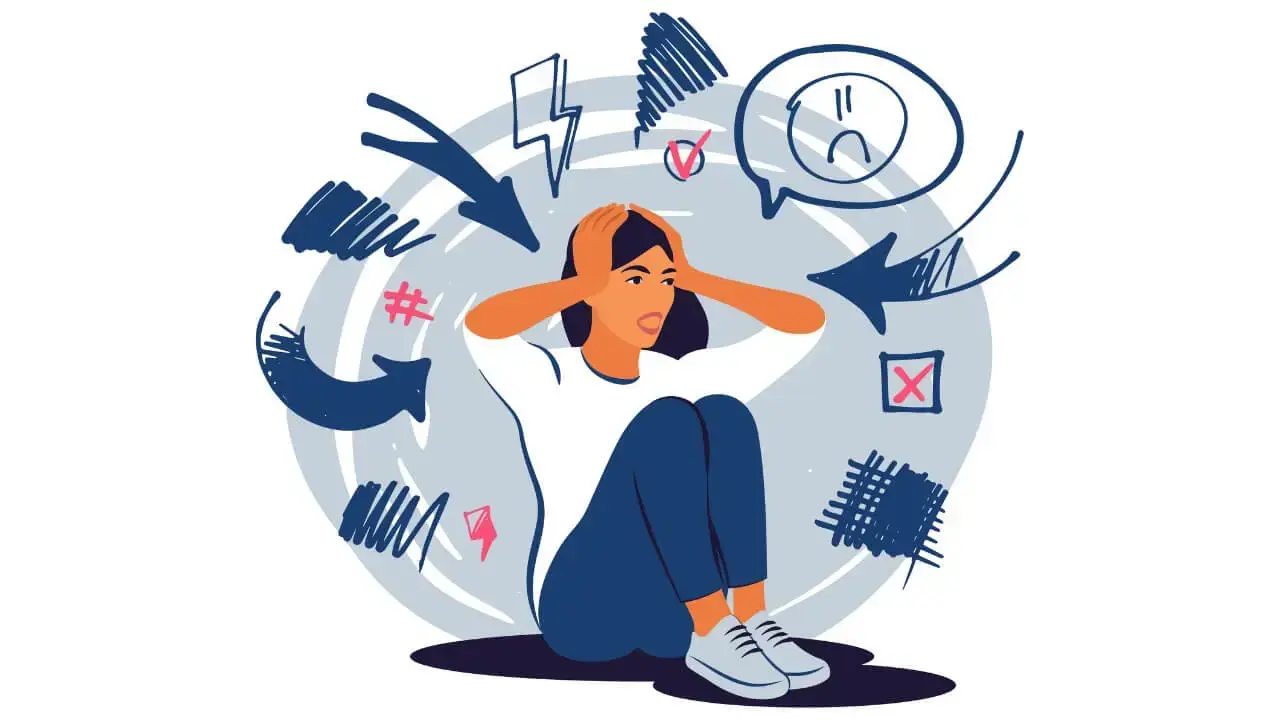
Have you ever felt like your emotions are a high-speed train without a conductor? Perhaps a minor criticism at work sends you into a tailspin of shame, or a small frustration at home erupts into an outburst you later regret. If so, you may be experiencing what we call emotional dysregulation.
Many of my patients come to me asking, “What is emotional dysregulation?” or “Why can’t I just control my feelings like everyone else?” In my practice, I find it helpful to first normalize this: everyone feels “off-balance” sometimes, but for some, the volume of emotion is simply turned up to an unmanageable level.
Understanding what emotional dysregulation means is the first step toward regaining your footing. It is not a character flaw or a sign of weakness. Instead, it is often a physiological response tied to how your brain processes stress and stimuli. Whether you are curious about ADHD emotional dysregulation or seeking a definitive emotional dysregulation guide for a loved one, this article explores the neurobiology of these intense “emotional storms” and how to finally find calm.
What Is Emotional Regulation?
Before we can solve a problem, we must understand the goal. What is emotional regulation? Essentially, it is your brain’s ability to monitor, evaluate, and modify your emotional reactions to accomplish your goals. It is the pause between a “trigger” and an “action.”
Effective regulation doesn’t mean you stop feeling. In fact, trying to suppress feelings often leads to a bigger “explosion” later. Instead, healthy regulation involves emotional flexibility—the ability to feel a big emotion, acknowledge it, and then decide how to respond.
When you learn how to regulate emotions, you are essentially training your prefrontal cortex to remain “online” even when your survival brain wants to take over.
What Does Emotional Dysregulation Look Like?
When patients ask, “What does emotional dysregulation feel like?” I often describe it as “emotional flooding.” The internal experience is one where an emotion—anger, sadness, or even excitement—becomes so large that it drowns out your logic.
Emotional dysregulation examples in daily life include:
- Sudden Anger: Reacting with intense rage to a small inconvenience, like a red light or a lost set of keys.
- The Emotional Hangover: Feeling physically and mentally exhausted for hours or days after a conflict.
- Rejection Sensitivity: Feeling deep, physical pain when you perceive someone is unhappy with you.
- Impulsive Outbursts: Saying things you don’t mean during an argument because you cannot “brake” the impulse.
Common emotional dysregulation symptoms aren’t always loud. For some, it looks like “shutting down” or becoming totally non-verbal when overwhelmed. Whether it manifests as a crying spell or a flash of temper, the common thread is that the reaction is disproportionate to the actual event.
What Causes Emotional Dysregulation?
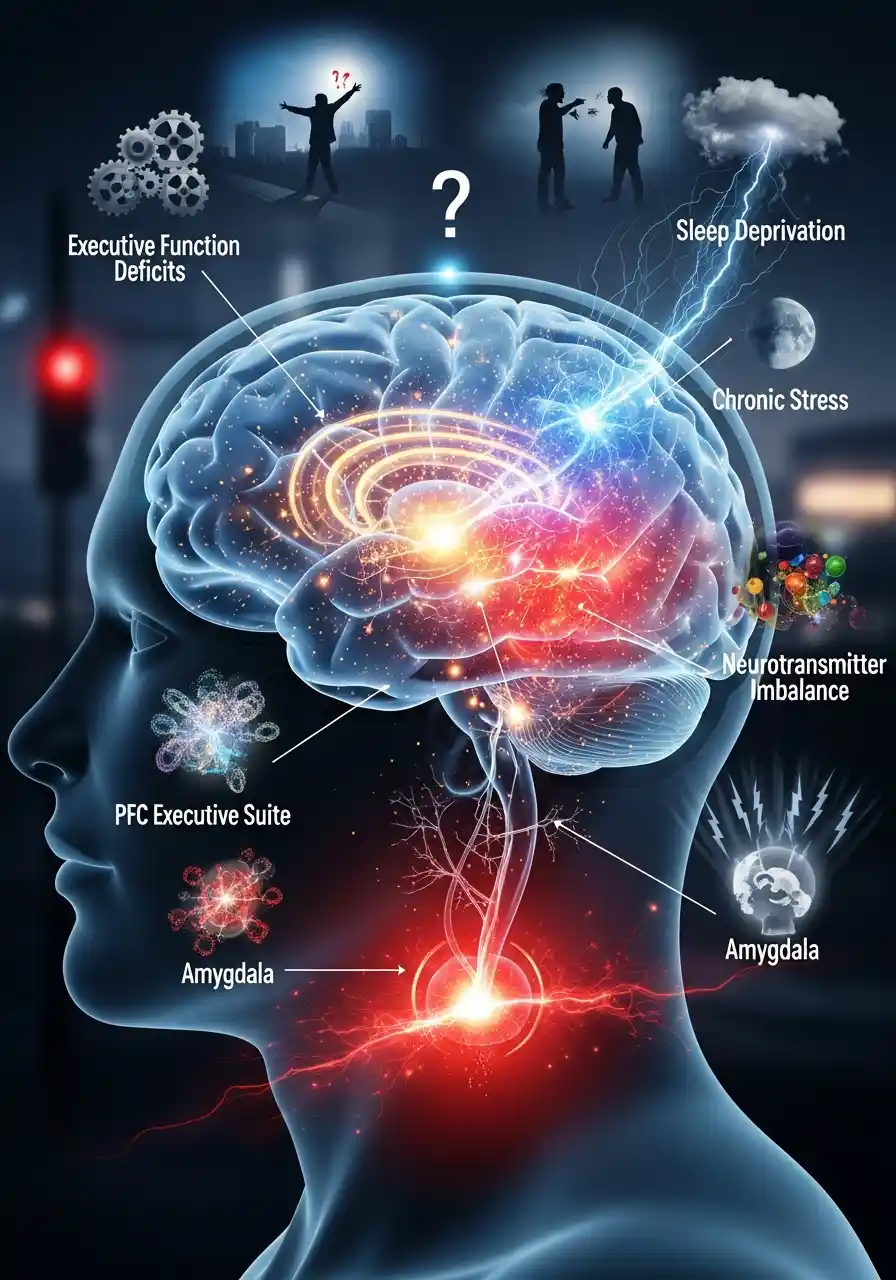
To understand what causes emotional dysregulation, we have to look “under the hood” at the brain’s architecture. This isn’t about willpower; it’s about biology.
The Neurobiology of the “Storm”
In a regulated brain, the prefrontal cortex (PFC)—your “executive suite”—acts as a filter for the amygdala, the “alarm system.” In a dysregulated brain, the connection between these two is often frayed. When the amygdala detects a threat (even a social one), it fires rapidly. If the PFC cannot send a “calm down” signal quickly enough, you experience a full-blown emotional takeover.
Key biological factors include the following:
- Executive Function Deficits: If the brain’s “manager” is busy or weak, it can’t manage the “employees” (emotions).
- Neurotransmitter Imbalance: Fluctuations in dopamine and serotonin can lower your threshold for frustration.
- Chronic Stress and Sleep: Sleep deprivation erodes the PFC’s ability to function, making you significantly more prone to outbursts.
In my practice, I’ve observed a nuance many miss: sleep hygiene is the “floor” of emotional stability. I once worked with a patient whose “anger issues” disappeared almost entirely once we treated his underlying sleep apnea.
When you are chronically tired, your brain loses its executive function “brakes.” You aren’t actually angrier; you are just biologically unable to stop the anger from reaching the surface.
Emotional Dysregulation and ADHD
This is perhaps the most requested topic in my clinic. “Is emotional dysregulation a symptom of ADHD?” While the DSM-5 focuses on inattention and hyperactivity, most adults with ADHD would argue that the emotional component is the most taxing.
Does ADHD cause emotional dysregulation? Technically, ADHD involves a brain that struggles with “inhibition.” Just as it is hard to inhibit the urge to fidget, it is hard to inhibit the “first wave” of an emotion. This is often called emotional impulsivity.
Why ADHD Brains Struggle
In ADHD, the brain’s reward system is wired differently. This leads to:
- Low Frustration Tolerance: A “glitch” in the task feels like a personal catastrophe.
- Rejection Sensitive Dysphoria (RSD): Intense emotional pain related to the perception of being rejected or criticized.
- Flooding: Because the ADHD brain struggles to prioritize information, a small annoyance gets the same “volume” as a major crisis.
ADHD emotional dysregulation in relationships often looks like a “shame cycle.” You might have an outburst, feel immediate, crushing guilt (RSD), and then withdraw to protect yourself, which your partner may misinterpret as coldness. Understanding what emotional dysregulation in ADHD is helps couples realize the “enemy” is the biology, not the person.
Emotional Dysregulation in Autism
While similar to ADHD, autism’s emotional dysregulation often has different roots. For autistic individuals, the world is often “too loud” or “too bright.”
Autism and emotional dysregulation are frequently triggered by:
- Sensory Overload: A scratchy wool sweater or a buzzing light can drain the “regulation tank” before the day even begins.
- Cognitive Rigidity: Sudden changes in routine can feel like the world is ending because the brain struggles to switch gears.
- Meltdown vs. Tantrum: It is vital to distinguish between the two. A tantrum is goal-directed (wanting a toy). A meltdown is a total neurological “system crash” where the person has no control over their behavior.
Emotional Dysregulation in Children
Watching a child struggle is heartbreaking for parents. What causes emotional dysregulation in child development? Usually, it is a mismatch between the child’s neurological maturity and the demands of their environment.
I recall a young patient, “Leo,” who had severe “explosions” over minor things—like getting the blue plate instead of the red one. His parents were exhausted and felt like they were failing. Through our sessions, we realized Leo wasn’t being “defiant.” He had significant sensory processing delays. To him, the red plate was part of his “safety ritual.”
We shifted from punishment to co-regulation. Instead of sending him to his room (which increased his fear and dysregulation), his father started sitting quietly nearby, saying, “I can see this feels very big right now. I’m here.
By staying calm, the father provided the “prefrontal cortex” Leo didn’t yet have. Over time, through this therapeutic intervention, Leo’s brain learned to mimic his father’s calm. This is the power of neuroplasticity in action.
How to help a child with emotional dysregulation:
- Identify Triggers: Is it hunger? Loud noises? Transitions?
- Validate, Don’t Fix: “You are really frustrated right now” is more effective than “It’s just a plate.”
- Teach “The Turtle”: Helping kids learn to pause and “go into their shell” before reacting.
Is Emotional Dysregulation a Disorder?
Many people ask me, “Is emotional dysregulation a disability?” or wonder if there is an official emotional dysregulation disorder. In the clinical world, the answer is a bit nuanced. Emotional dysregulation is a symptom or a “transdiagnostic feature,” meaning it shows up across many different conditions rather than being one specific illness.
However, there are specific diagnoses where this is the primary focus:
- Disruptive Mood Dysregulation Disorder (DMDD): Usually diagnosed in children who have persistent irritability and frequent, severe temper outbursts.
- Borderline Personality Disorder (BPD): This is perhaps the most well-known mood dysregulation disorder, where emotional sensitivity is very high.
- Complex PTSD: Trauma can rewire the nervous system to stay in a state of “high alert,” making regulation difficult.
In the UK, you might hear the term “emotional dysregulation” associated with “emotionally unstable personality disorder” (EUPD). Regardless of the label, if your emotions interfere with your ability to work or maintain relationships, it is considered a functional impairment that deserves professional support.
Emotional Dysregulation Treatment
If you are struggling, please know that your brain is capable of change. How to treat emotional dysregulation involves a three-pronged approach: therapy, lifestyle, and sometimes medication.
a. Gold-Standard Therapy: DBT
Dialectical Behavior Therapy (DBT) is the most effective emotional dysregulation therapy. It was specifically designed to teach four key skills: mindfulness, distress tolerance, emotion regulation, and interpersonal effectiveness. Unlike traditional talk therapy, DBT is a “skills-based” approach.
b. Emotional Dysregulation Medication
While there isn’t a “regulation pill,” we use medications to treat the underlying drivers.
- ADHD Stimulants: By improving executive function, stimulants help the “manager” of the brain stay in control.
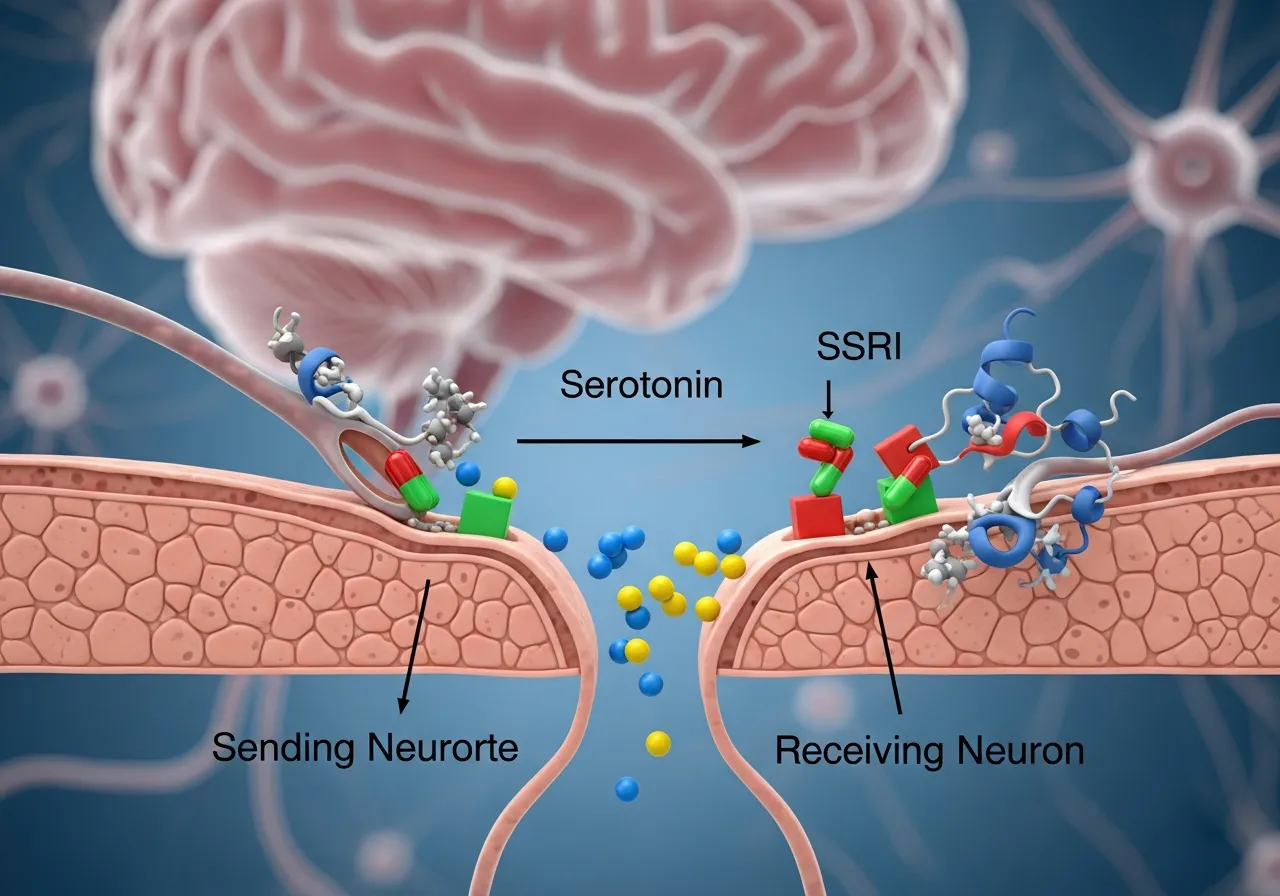
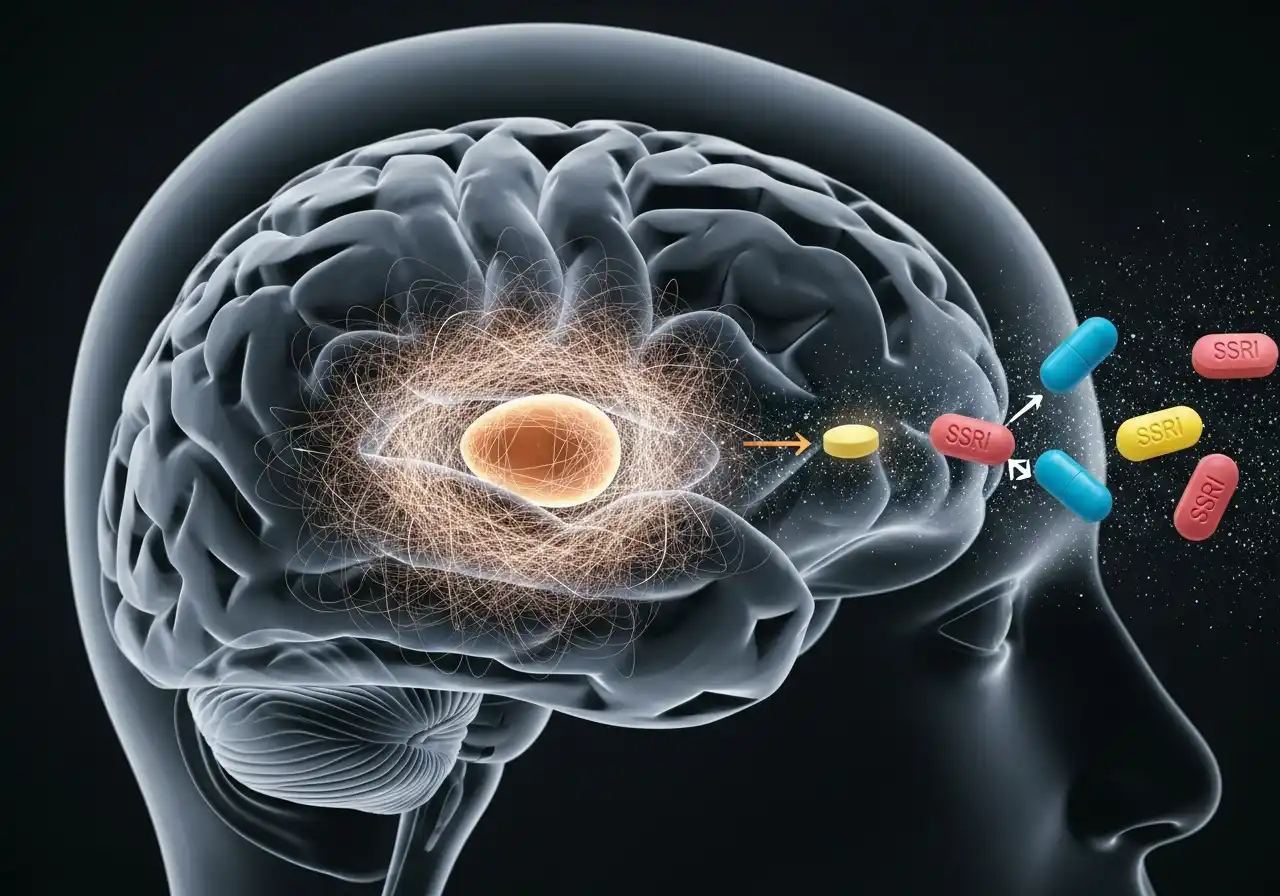
- SSRIs/SNRIs: These can help lower the “baseline” of anxiety so you don’t hit your breaking point as quickly.
- Mood Stabilizers: Sometimes used for severe volatility to “level out” the highs and lows.
c. Comparison of Treatment Approaches
| Approach | Best For | Key Benefit |
| DBT | BPD, Chronic Outbursts | Teaches concrete “in-the-moment” skills |
| CBT | Anxiety & Depression | Challenges the thoughts that lead to big emotions |
| Stimulants | ADHD | Strengthens the brain’s “brakes” |
| Co-Regulation | Children/Families | Uses a calm adult to settle a child’s nervous system |
How to Fix & Manage Emotional Dysregulation
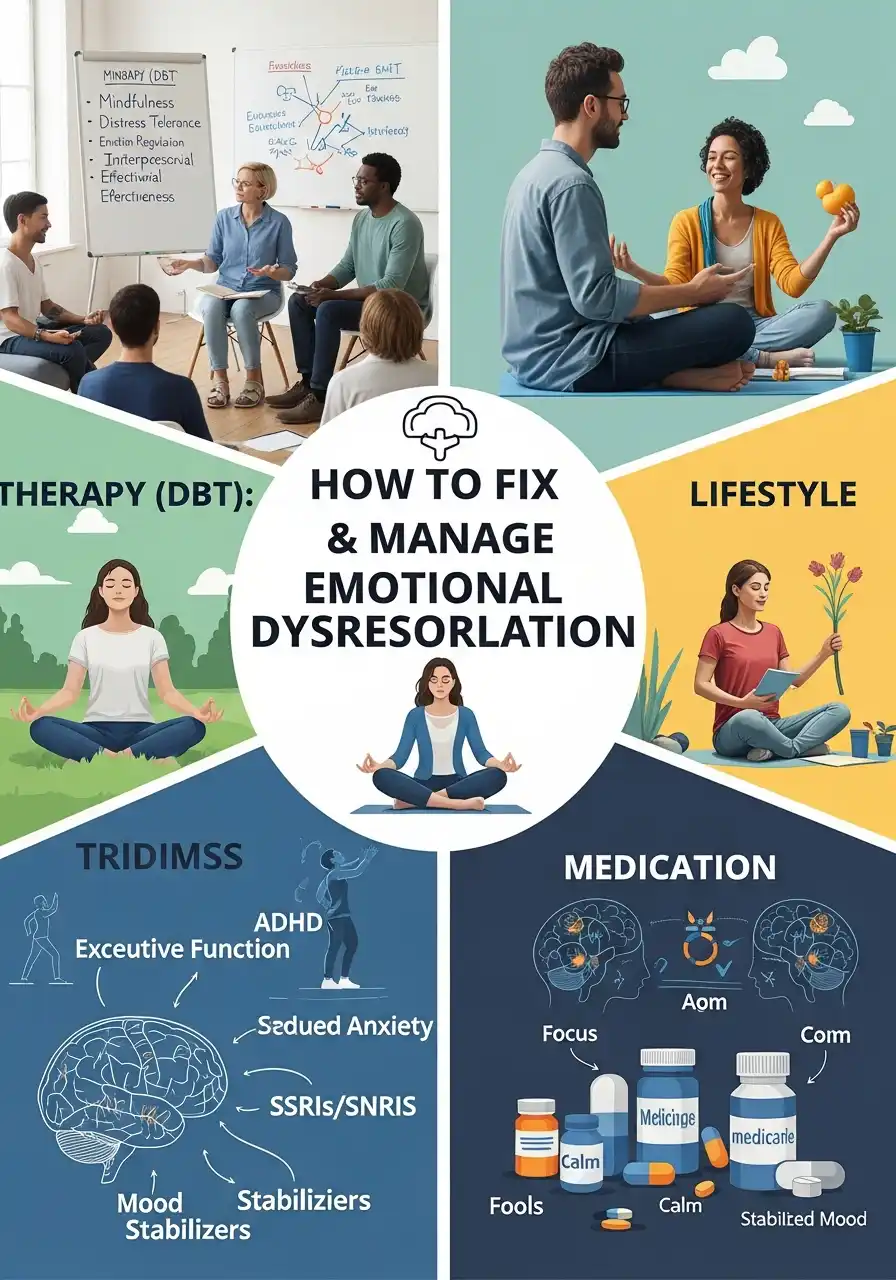
Learning how to fix emotional dysregulation is about building a toolkit before the storm hits. You cannot learn to swim while you are drowning. Practice these steps when you are calm so they become “muscle memory.”
a. The 90-Second Rule
Brain science shows that the chemical surge of an emotion only lasts about 90 seconds. If you can breathe through those 90 seconds without “fueling the fire” with negative thoughts, the wave will begin to recede.
b. Name It to Tame It
When you feel a surge, say out loud: “I am feeling a wave of intense shame right now.” This simple act shifts the activity from your emotional amygdala to your logical prefrontal cortex.
c. The Body-Based Reset
If you are “flooded,” use your body to signal safety to your brain.
- The “Dive Reflex”: Splash ice-cold water on your face. This slows your heart rate immediately.
- Paced Breathing: Inhale for 4 seconds, exhale for 6. The long exhale triggers the vagus nerve to calm you down.
d. How to Handle Emotional Dysregulation in Relationships
Before an argument escalates, establish a “Safe Timeout” rule. If one person feels flooded, they can say “I’m dysregulated” and walk away for 20 minutes. This isn’t “giving the silent treatment”—it’s preventing an explosion.
Emotional Distress vs. Emotional Dysregulation
It is important to understand the emotional dysregulation synonym and related terms. What is emotional distress? This is typically a temporary reaction to a very stressful event (like a breakup or job loss). Most people can still use their coping skills during distress.
In contrast, dysregulation is a breakdown of the system itself. Think of distress as a heavy rainstorm, while dysregulation is a broken levee. Both involve water, but one is a manageable event, while the other is a structural failure.
Frequently Asked Questions
Are online emotional dysregulation tests reliable?
Standardized online versions of the DERS-16 or DERS-SF are quite reliable as screening tools. However, they are not a replacement for a clinical interview. Many “pop-psychology” quizzes found on social media lack scientific validation.
If a free emotional dysregulation test indicates high levels of distress, use those results as a starting point for a conversation with a licensed psychologist.
Can a child outgrow emotional dysregulation?
While the brain naturally gains better control as the prefrontal cortex matures into the mid-20s, children rarely just “outgrow” significant dysregulation without support. Early intervention is vital. By using an emotional dysregulation test child tool early, parents can help their children develop co-regulation skills that strengthen the brain’s “brakes” through neuroplasticity.
How often should I retake a self-test?
In my practice, I recommend retaking an emotional regulation quiz every three months if you are actively working on skills like DBT or CBT. Retaking it too often—such as daily or weekly—usually just reflects normal mood fluctuations rather than long-term growth. Consistent quarterly tracking helps you see the real progress in your executive function.
Can emotional dysregulation tests detect ADHD or autism?
No, these tests cannot diagnose ADHD or autism. They measure a specific symptom—emotional dysregulation—which is common in both neurodivergent and neurotypical individuals. While a high score might suggest the need for further evaluation, a formal diagnosis requires a full neuropsychological battery and a review of your developmental history.
Is there a free PDF version for adults and children?
Yes, there are several reputable emotional regulation test PDF options available online, such as the DERS-36 for adults or the ERC (Emotion Regulation Checklist) for children. These are excellent for those who prefer to track their scores manually or share results directly with a healthcare provider during a session.
Conclusion
Living with an “unruly” brain is exhausting, but you are not broken. Whether your struggles stem from ADHD, autism, or past trauma, you have the power of neuroplasticity on your side.
By practicing these skills and seeking the right emotional dysregulation treatment, you can learn to lead that high-speed train instead of being dragged behind it. You deserve a life that feels stable and peaceful.
References
Related Posts


Subscribe to Our Newsletter
Get mental health tips, updates, and resources delivered to your inbox.
MORE from Author
Read More We all have "up" days and "down" days. Perhaps you feel energized after a promotion or sluggish on a rainy…
 To define bipolar disorder accurately, we must look at it as a chronic mood dysregulation condition. In psychology and medicine,…

 To answer whether bipolar fits the bill, we first have to define what a neurodivergent person actually is. The term…
 Have you ever wondered if your extreme mood swings are more than just a personal struggle? Living with the highs…
Are you looking for a Therapist?
Connect with qualified mental health professionals who understand
bipolar disorder, mood changes, and emotional challenges.
Private • Supportive • Confidential