
Trust vs. Mistrust: Erik Erikson’s First Psychosocial Stage Explained

Medically reviewed by Laura Athey Updated Date: April 4, 2026
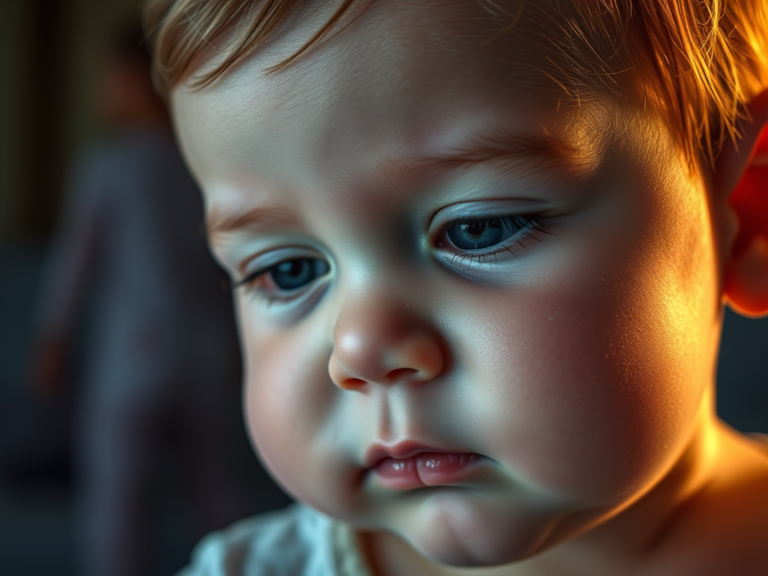
In the first moments of life, a human being is entirely dependent. Every need—warmth, food, comfort, and safety—must be met by an external source. It is during this vulnerable window, roughly from birth to 18 months, that the psychological foundation for the rest of a person’s life is laid. This period represents the first “crisis” in human development: Trust vs. Mistrust.
Erik Erikson’s trust vs mistrust stage is not merely a milestone; it is the lens through which an individual will eventually view the world. If an infant’s needs are met consistently, they develop basic trust, a sense that the world is a predictable and supportive place. If care is inconsistent or neglectful, the infant develops a pervasive sense of mistrust, viewing the world as dangerous, unreliable, and threatening.
Understanding what is Erikson’s trust vs mistrust theory is essential for parents, educators, and mental health professionals alike. This stage sets the trajectory for subsequent psychosocial challenges, from the “terrible twos” of Autonomy vs. Shame and Doubt to the complex search for Identity in adolescence. In this guide, we will break down the trust vs mistrust definition, provide real-world examples of trust vs mistrust, and explore how to resolve this early crisis for a healthier adult life.
What Is Trust vs. Mistrust?
To grasp the magnitude of this stage, we must look at it from both a simple, observational perspective and a rigorous psychological one.
Trust vs. Mistrust: Simple Definition
At its simplest, trust vs mistrust is the conflict between feeling safe in one’s environment and feeling threatened by it. If a baby cries and is fed, they learn to trust. If a baby is cold and is held, they learn the world is responsive. Conversely, if these needs are ignored, the baby learns to expect disappointment.
Trust vs. Mistrust Psychology Definition
In a clinical or AP Psychology definition, trust vs mistrust is the first stage of Erik Erikson’s theory of psychosocial development. It occurs during infancy (0–18 months). The “crisis” involves the infant’s psychological transition toward developing a sense of hope.
- Trust: An emotional state characterized by confidence in the caregiver’s reliability and a sense of “inner goodness.”
- Mistrust: A state of suspicion or anxiety arising from inconsistent, unpredictable, or cold caregiving.
Erik Erikson and the Theory Behind Trust vs. Mistrust
To understand Erikson’s trust vs mistrust, we must understand the man who moved psychology away from purely sexual drives (like Freud) and toward social and cultural influences.
Who Was Erik Erikson?
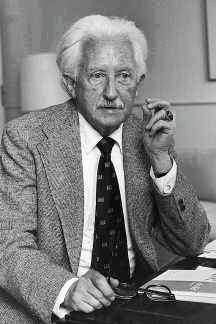
Erik Erikson (1902–1994) was a German-American developmental psychologist and psychoanalyst. Unlike many of his peers who believed personality was “set in stone” by age five, Erikson argued that personality continues to evolve throughout the entire lifespan. He coined the term “identity crisis” and emphasized the role of the social environment in shaping the self.
What Is Erikson’s Trust vs. Mistrust Theory?
Erikson’s trust vs mistrust theory posits that our social interactions are the primary drivers of our growth. During the first 18 months, the primary “social agent” is the caregiver (usually the mother or father).
Erikson believed that the quality of care is more important than the quantity of food or warmth. A caregiver who is emotionally available and attuned to the infant’s cues fosters a “basic trust” that transcends the physical. This theory suggests that the infant is essentially asking: “Is the world a safe place, or is it full of unpredictable events?”
What Are Erikson’s 8 Stages in His Theory?
To see where infancy trust vs mistrust fits, we must look at the full “8 Stages of Man”:
- Trust vs. Mistrust (0–1.5 years): Virtue: Hope.
- Autonomy vs. Shame and Doubt (1.5–3 years): Virtue: Will.
- Initiative vs. Guilt (3–5 years): Virtue: Purpose.
- Industry vs. Inferiority (5–12 years): Virtue: Competence.
- Identity vs. Role Confusion (12–18 years): Virtue: Fidelity.
- Intimacy vs. Isolation (18–40 years): Virtue: Love.
- Generativity vs. Stagnation (40–65 years): Virtue: Care.
- Integrity vs. Despair (65+ years): Virtue: Wisdom.
In my years of clinical practice, I have observed that many adult “personality quirks” are actually echoes of this first stage. We often treat mistrust in adults as a standalone anxiety issue, but it frequently traces back to an insecure attachment in infancy.
If you find yourself constantly waiting for the “other shoe to drop” in your relationships, you may be navigating an unresolved Trust vs. Mistrust crisis. Healing starts with acknowledging that your suspicion was once a survival mechanism—but it doesn’t have to be your future.
The Age Range and Importance of the Infancy Stage
The trust vs mistrust age is generally cited as birth to 18 months. This is often referred to as the “Oral-Sensory Stage.”
Why Is Trust vs. Mistrust Important?
This stage is the “anchor” for all future development. If a child does not develop trust, they will struggle with the next stage: Autonomy. How can a toddler explore their world (Autonomy) if they don’t believe their caregiver will be there to protect them if they fall (Trust)?
Furthermore, basic trust vs mistrust impacts physiological development. High levels of cortisol (the stress hormone) in infants who experience chronic mistrust can actually alter the brain’s architecture, making the individual more prone to anxiety and hyper-vigilance later in life.
Examples of Trust vs. Mistrust in Action
To move from theory to reality, let’s look at trust vs mistrust examples that occur in everyday caregiving.
Positive Examples (Developing Trust)
- Consistent Feeding: An infant cries because they are hungry. Within a reasonable timeframe, the caregiver provides food. The infant learns: “My needs are valid, and they will be met.”
- Emotional Attunement: When a baby smiles, the caregiver smiles back. When the baby is distressed, the caregiver uses a soothing tone. The infant learns: “I am seen, and I am safe.”
- Physical Comfort: A baby is startled by a loud noise and is immediately picked up and cuddled. The infant learns: “The world is loud, but I have a protector.”
Negative Examples (Developing Mistrust)
- Inconsistent Care: A caregiver sometimes responds to a baby’s cries but other times ignores them for long periods. The infant learns: “The world is unpredictable; I cannot count on anyone.”
- Emotional Coldness: The caregiver meets physical needs (feeding, changing) but provides no eye contact, warmth, or verbal engagement. The infant learns: “My existence is a chore; I am not valued.”
- Unreliable Environment: A household with high levels of chaos, loud shouting, or neglectful conditions. The infant learns: “The world is a threatening place where I must be on guard.”
Expected Behaviors in the Trust vs. Mistrust Stage
To identify whether an infant is successfully navigating the trust vs mistrust stage, caregivers and professionals look for specific emotional and behavioral cues. Because infants lack verbal communication, their “language” consists of biological rhythms and social signaling.
Indicators of Developing Trust
- Biological Regularity: An infant who is developing trust often shows more predictable patterns in sleeping and eating. Because they aren’t in a state of constant “survival stress,” their nervous system can settle into a routine.
- Social Smiling: Around two months of age, infants begin to engage in “social smiles.” A child who trusts their environment will frequently use this to bond with caregivers.
- Ease of Feeding and Sleeping: Trusting infants tend to accept food more easily and fall into a deeper sleep, as they do not feel the need to remain hyper-vigilant.
- The “Secure Base” Behavior: As the infant reaches the end of this stage (around 12–18 months), they will begin to explore their surroundings but will frequently “check in” or return to the caregiver for emotional refueling.
Indicators of Developing Mistrust
- Excessive Crying and Irritability: While all babies cry, an infant mired in mistrust may cry inconsolably, as they lack the internal “knowledge” that comfort is coming.
- Sleep Disturbances: Difficulty falling or staying asleep can be a sign of an overactive “threat detection” system.
- Avoidance of Eye Contact: An infant who finds the world overwhelming or caregivers unreliable may “shut down” or look away to protect themselves from overstimulation.
- Failure to Thrive: In extreme cases of neglect or mistrust, infants may show poor weight gain and delayed physical development, even if basic calories are provided, due to the metabolic toll of chronic stress.
Trust vs. Mistrust in Adults

One of the most frequent questions in developmental psychology is: “What happens if we don’t resolve the trust vs mistrust crisis during infancy?” Erikson was clear that while the stage has an “age,” the consequences are lifelong.
Relationship Challenges and Attachment Styles
Trust vs mistrust in adults often manifests as an Insecure Attachment Style. If the foundational trust was never built, an adult may struggle with:
- Fear of Intimacy: Viewing closeness as a trap or a precursor to being hurt.
- Hyper-Independence: A “me against the world” mentality where they refuse to ask for help because they believe others will inevitably fail them.
- Jealousy and Insecurity: Constant “testing” of a partner’s loyalty to confirm the deep-seated belief that people are untrustworthy.
Trust vs. Mistrust in the Workplace
In a professional setting, mistrust vs trust examples are easy to spot.
- The Trusting Professional: Believes in collaboration, delegates tasks easily, and assumes colleagues have good intentions.
- The Mistrusting Professional: Micromanages others, hoards information, and interprets neutral feedback as a personal attack or a sign that their job is in jeopardy.
General Worldview and Social Anxiety
Adults who did not resolve this stage often suffer from a pervasive sense of “existential dread.” They may struggle with social anxiety because every new interaction feels like a potential “rejection” or “threat.” They live in a state of basic mistrust, which acts as a barrier to the community and personal growth.
Why Is Trust vs. Mistrust Important in a Digital Age?
The trust vs mistrust theory was developed in the mid-20th century, but it has never been more relevant than in our current “always-connected” world.
The “Distracted Caregiver” Phenomenon
Modern psychology is currently investigating how “technoference” (interruptions in social interaction due to smartphones) impacts infancy trust vs mistrust. If a caregiver is physically present but emotionally “checked out” due to a screen, the infant may experience the same sense of inconsistency that leads to mistrust.
Virtual Trust in Adulthood
Adults who struggle with trust versus mistrust Erikson traits often find the digital world particularly challenging. The lack of non-verbal cues in texting and social media can trigger the “mistrust reflex,” leading to:
- Digital Ghosting Anxiety: Interpreting a slow reply as a sign of abandonment.
- Social Media Paranoia: Feeling that others are “conspiring” or excluding them based on vague online activity.
Cultural Influences on Trust vs. Mistrust
It is a common misconception that Erikson’s trust vs mistrust looks the same in every corner of the globe. Cultural values significantly dictate what “consistent care” looks like.
Collectivist vs. Individualist Cultures
- Individualist Cultures (e.g., USA, Western Europe): Trust is often built through a primary caregiver (the mother or father). The infant learns to trust a specific “unit.”
- Collectivist Cultures (e.g., Parts of Africa, Asia, Indigenous Communities): Trust is often built through “alloparenting,” where aunts, uncles, and grandparents all share in the care. In these cultures, the infant develops a broader basic trust in the community rather than just one person.
The Impact of Poverty and Systematic Stress
In environments where food and safety are objectively scarce, developing “mistrust” may actually be a healthy, adaptive trait. If the world is truly dangerous, being suspicious is a survival skill. This highlights that mistrust vs trust examples must be viewed through a trauma-informed lens.
Intimacy versus Isolation: The Adult Mirror of Trust
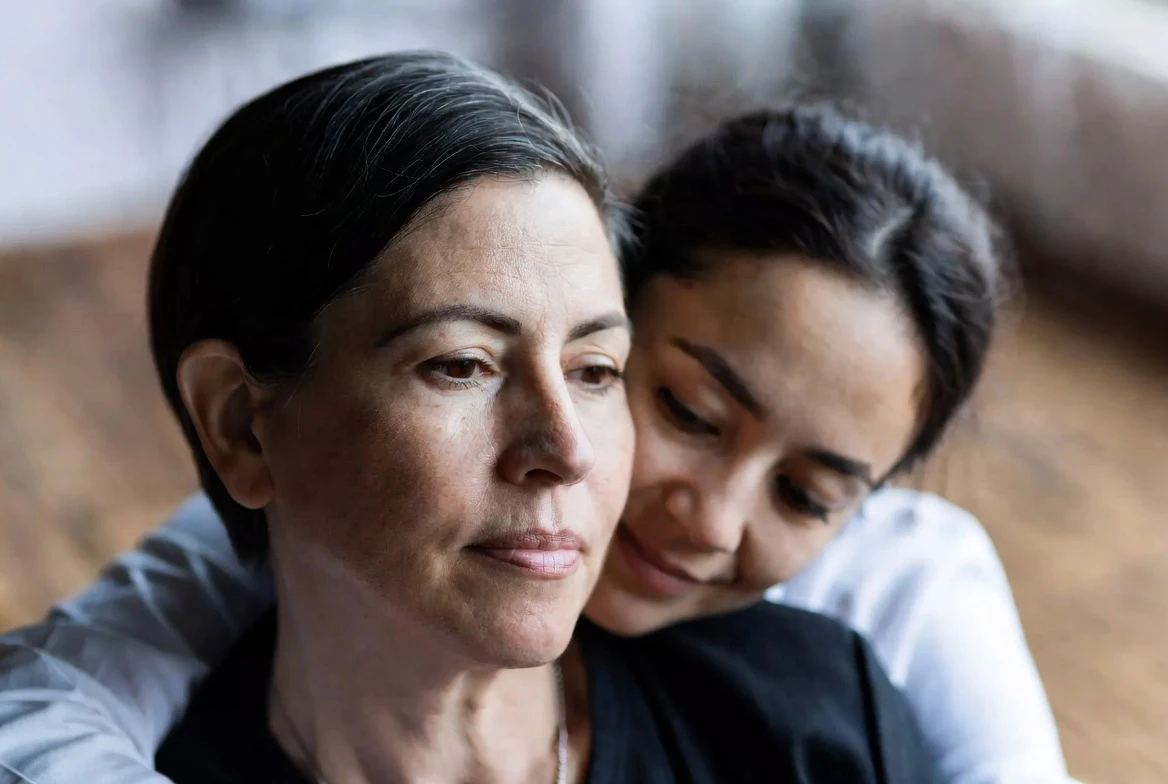
Erikson’s theory is circular. The first stage (Trust vs. Mistrust) is the prerequisite for the sixth stage: Intimacy versus Isolation.
The Link
If you do not trust (Stage 1), you cannot be intimate (Stage 6). Intimacy requires the “lowering of defenses.” If an adult is still stuck in a state of basic mistrust, they will likely choose isolation over intimacy to avoid the perceived “danger” of being known.
When treating trust vs mistrust in adults, clinicians often have to go back and “repair” the Stage 1 foundation before the person can even begin to navigate Stage 6 relationship goals.
The Bipolar Connection: Developmental Echoes and Mood Cycles
While Erikson’s first stage is universal, its resolution plays a unique role in the lives of those with Bipolar Disorder. The “basic trust” formed in infancy serves as the psychological anchor that helps an individual navigate the turbulent mood swings characteristic of the disorder.
When an infant develops mistrust, their nervous system becomes “primed” for instability. For someone predisposed to Bipolar Disorder, this early lack of a “secure base” can make the transition between manic and depressive episodes feel even more life-threatening.
During a depressive crash, the “basic mistrust” from Stage 1 may resurface as profound hopelessness, as the individual lacks the foundational “virtue of hope” to believe the cycle will ever end.
Conversely, high levels of early trust can act as a protective factor, providing the resilience needed to maintain treatment and seek support. Understanding if a patient’s lack of trust is a personality-based “developmental echo” or a temporary symptom of a mood episode is critical for effective clinical intervention.
Trust vs. Mistrust: The Foundation of the 8 Stages
To see the true impact of basic trust vs mistrust, we must observe how it serves as the psychological “DNA” for the seven stages that follow. Erikson’s theory is epigenetic, meaning each stage emerges from and is built upon the previous one.
The Developmental Ripple Effect:
- Stage 2: Autonomy vs. Shame and Doubt (18mo – 3yrs): Without trust, a child is too fearful to explore. They lack the “will” to try walking or potty training because the risk of a “non-responsive” world feels too great.
- Stage 3: Initiative vs. Guilt (3 – 5yrs): A trusting child feels they have a “purpose.” They can initiate play because they trust the social fabric around them.
- Stage 4: Industry vs. Inferiority (5 – 12yrs): Trust in caregivers transfers to trust in teachers and peers, allowing the child to develop “competence.”
- Stage 5: Identity vs. Role Confusion (12 – 18yrs): An adolescent needs a foundation of basic trust to feel “safe enough” to experiment with different identities.
- Stage 6: Intimacy vs. Isolation (18 – 40yrs): This is the direct mirror of Stage 1. Trusting an infant’s caregiver is the prerequisite for trusting a romantic partner.
- Stage 7: Generativity vs. Stagnation (40 – 65yrs): To care for the next generation, one must believe that the world is worth contributing to—a belief rooted in Stage 1 hope.
- Stage 8: Integrity vs. Despair (65+): At the end of life, looking back with “wisdom” requires a core belief that life had a reliable, meaningful structure.
Moving Beyond Mistrust
The ultimate goal of resolving Erikson’s trust vs mistrust is the acquisition of Hope. Erikson defined hope not as “wishful thinking,” but as an enduring belief that our desires can be met despite the natural frustrations and failures of life.
Why Hope Is a Survival Tool
An adult with a strong foundation of hope can handle a breakup, a job loss, or a health crisis without their entire personality “shattering.” They have a “reservoir of trust” that tells them: “Things are bad now, but the world is fundamentally a place where I can find safety again.”
For those who lean toward mistrust, life’s challenges feel like “proof” that the world is out to get them. Developing hope in adulthood is the process of intentionally rebuilding that reservoir.
Frequently Asked Questions
What is the age for trust vs mistrust?
The age range is typically from birth to 18 months. This is the period when an infant is most vulnerable and entirely dependent on caregivers for survival and emotional regulation.
What is a simple definition of trust vs mistrust?
It is the first psychological stage in a human’s life where they decide if the world is a safe, reliable place (Trust) or an unpredictable, dangerous place (Mistrust) based on the care they receive.
What are some examples of trust vs mistrust?
A positive example is a caregiver consistently picking up a crying baby to soothe them. A negative example is a caregiver ignoring a baby’s hunger or distress because they are preoccupied or cold.
How do you resolve trust vs mistrust as an adult?
Resolution involves “earned security” through therapy, reparenting oneself by creating consistent routines, and taking small, managed risks in relationships to gather evidence that some people are trustworthy.
Why is trust vs mistrust important?
It is the foundation of the human personality. Without a sense of basic trust, a person cannot successfully navigate later stages like independence, identity formation, or romantic intimacy.
What is the virtue of the trust vs mistrust stage?
The virtue is Hope. This is the belief that even when things go wrong, there is a possibility for a positive outcome.
Conclusion
Erikson’s trust vs mistrust theory reminds us that we are social creatures from our very first breath. The way we are held, fed, and looked at in the first 18 months of life creates an “internal working model” that we carry into every boardroom, every bedroom, and every social circle for the next 80 years.
While the “mistrust reflex” can be a heavy burden for those who experienced early neglect or trauma, the human brain is remarkably resilient. Through “earned security,” therapeutic work, and conscious choice, we can move from the shadows of mistrust into the light of hope
Authoritative References
1. The Definitive Theory of Psychosocial Development
2. Clinical Breakdown of Erikson’s Stages
3. Attachment and Mood Disorder Comorbidity
4. The Science of Early Childhood Development
5. Developmental Stages and Mental Health

Related Posts





Subscribe to Our Newsletter
Get mental health tips, updates, and resources delivered to your inbox.
MORE from Author
Read More Watching someone you care about struggle with bipolar depression and anxiety can be heartbreaking. You may notice that they withdraw…
 In my practice as a clinical psychologist, I often observe that the difference between a patient who crumbles under pressure…
 We all have "up" days and "down" days. Perhaps you feel energized after a promotion or sluggish on a rainy…
 To define bipolar disorder accurately, we must look at it as a chronic mood dysregulation condition. In psychology and medicine,…
Are you looking for a Therapist?
Connect with qualified mental health professionals who understand
bipolar disorder, mood changes, and emotional challenges.
Private • Supportive • Confidential