
Petulant BPD Treatment: Symptoms, Relationships, and Evidence-Based

Medically reviewed by Laura Athey Updated Date: April 28, 2026

Living with petulant BPD treatment can feel like carrying a heavy, invisible shield. You want to connect with others deeply. Yet, an overwhelming fear of rejection makes you push them away. In my clinical practice, I see this painful paradox every single day.
You might feel constantly misunderstood by those around you. Consequently, minor disagreements trigger intense waves of quiet anger. You retreat into yourself, hoping someone will notice your pain. When they do not, your resentment only grows deeper.
This cycle is exhausting, but it is not your fault. Most importantly, it is highly treatable. Today, we will explore exactly what drives this specific petulant bdp subtype. We will break down the hidden symptoms and the best treatment paths available.
What Is Petulant BPD Treatment?
Many people ask me to explain the petulant BPD treatment . Officially, the DSM-5-TR only recognizes one overarching diagnosis for BPD. It does not list specific subtypes. However, clinical psychologists use subtypes to guide treatment.
Psychologist Theodore Millon first described the petulant BPD treatment. He observed that not all BPD patients explode outward. Instead, some implode. They rely on passive resistance and deep irritability to cope with their emotional pain.
Why does this happen? To understand it, we must look at neurobiology. People with this condition possess a highly reactive amygdala. This is your brain’s fear and threat center. Therefore, your brain interprets minor interpersonal shifts as massive threats to your safety.
Furthermore, you likely experienced early attachment trauma. Perhaps your childhood caregivers were dismissive or emotionally inconsistent. As a result, you learned that expressing your needs directly was unsafe. Your brain adapted by using passive anger to test people’s loyalty.
You push people away to see if they will fight for you. This tests their commitment. Unfortunately, this emotional dysregulation overpowers your prefrontal cortex. This brain region manages logic and executive function. When fear takes over, logic shuts down completely.
In my practice, I constantly monitor a patient’s sleep hygiene. Poor sleep severely impairs executive function. Specifically, it disrupts your circadian rhythms. When you are sleep-deprived, your prefrontal cortex cannot regulate your amygdala. Consequently, your ability to resist a petulant bpd drops to zero.
We cannot successfully treat passive aggression without first fixing your biological sleep cycle.
Petulant Behavior in Adults

Recognizing petulant behavior in adults is critical for healing. Because this behavior is passive, it often goes unnoticed until relationships fracture. It rarely looks like a dramatic, screaming argument.
Instead, it looks like sudden, icy withdrawal. You might cancel plans at the last minute because you felt slighted. Similarly, you might use biting sarcasm to communicate your hurt feelings.
Many adults with petulant BPD treatment traits report feeling deeply misunderstood. They feel their reactions are completely justified. However, others see these reactions as disproportionate or confusing. This disconnect creates massive isolation.
Anonymized Patient Experience:
I worked with a patient named “Mark.” Mark deeply loved his wife. However, if she forgot to ask about his day, his abandonment panic triggered. He would immediately resort to the silent treatment. He wanted her to read his mind and apologize.
We had to map his specific neurobiology. Once Mark understood his brain was defaulting to a childhood survival tactic, he could finally use words instead of silence.
Petulant BPD Symptoms
Identifying specific petulant BPD symptoms helps you separate your identity from the condition. You are not your symptoms. Petulant BPD treatments exist on a spectrum, and you may not experience all of them.
These traits specifically center around interpersonal defense mechanisms. Here is a breakdown of how they manifest:
| Symptom | Real-Life Expression |
| Irritability | Frequent, unpredictable mood shifts driven by perceived slights. |
| Passive Anger | Using avoidance, sarcasm, or silent treatment instead of direct communication. |
| Resentment | Holding onto grudges for long periods and feeling perpetually wronged. |
| Emotional Volatility | Experiencing rapid, intense internal reactions to minor relationship changes. |
While some individuals explode with rage, the petulant subtype simmers. This simmering anger eventually burns out both you and your loved ones.
Do You Have Petulant BPD?
Taking a petulant BPD treatment online is a common starting point. Self-reflection is a brave and necessary first step. Consider these questions to identify your emotional patterns.
First of all, do you feel abandoned easily by minor events? Second, do you instinctively withdraw when you feel upset or overlooked? Finally, do you struggle with lingering resentment toward your family or friends?
If these questions resonate, please know there is hope. However, an online checklist is not a diagnostic tool. BPD requires careful, professional evaluation. Only a licensed clinician can provide a safe and accurate diagnosis.
Petulant BPD and Relationships
Navigating a petulant BPD relationship requires immense patience. Because the core wound is interpersonal, relationships are the main trigger zone. Let us look at how this impacts different bonds.
Romantic Relationships
In romance, the push-pull dynamic dominates. You crave deep intimacy more than anything. Yet, when a partner gets close, your fear of abandonment spikes. Therefore, you create conflict to push them away and test their love.
Marriage and Spousal Conflict
Being a petulant BPD spouse involves repetitive conflict cycles. Emotional miscommunication is constant. Your partner might try to solve a problem logically. Meanwhile, you desperately need emotional validation, leading to mutual frustration.
Parenting With Petulant BPD
Being a petulant BPD treatment father is incredibly stressful. Children are chaotic and unpredictable. This emotional overload frequently triggers your own unhealed childhood wounds. Without treatment, parenting stress can lead to emotional withdrawal from your children.
Petulant BPD and Narcissism
People frequently confuse petulant BPD and narcissism. It is easy to see why these conditions get mixed up. They definitely share some overlapping traits. For instance, both conditions involve an intense, painful sensitivity to criticism.
Furthermore, both individuals might exhibit self-centered behavior during an argument. However, their core psychological motivations are completely different. A person with narcissism primarily seeks admiration and status.
Conversely, someone with petulant BPD treatment seeks love and connection. Therefore, your passive anger stems from deep shame and fear. You act out because you are terrified of losing the person you love.
| Trait | Petulant BPD | Narcissism |
| Core Fear | Abandonment and rejection | Loss of status and admiration |
| Primary Emotion | Deep shame and vulnerability | Entitlement and superiority |
How Is Petulant Borderline Personality Disorder Treated?
When patients ask, “How is petulant borderline personality disorder treated?” I always offer immense hope. This condition is highly responsive to specialized care. How do you treat a petulant BPD effectively? You must use targeted, skills-based therapies.
Standard talk therapy is rarely enough. In fact, unstructured therapy can sometimes make symptoms worse. You need specific frameworks to rewire your brain’s emotional pathways.
Primary Therapy Options
Dialectical Behavior Therapy (DBT) is the absolute gold standard for BPD. It specifically targets severe emotional dysregulation. DBT teaches you concrete distress tolerance skills. Consequently, you learn how to soothe your nervous system physically.
Additionally, Schema Therapy provides incredible results. This therapy digs deep into your childhood attachment trauma. It actively addresses your “abandoned child” mode. Therefore, you stop projecting past traumas onto your current partner.
Finally, Mentalization-Based Therapy (MBT) is highly effective. MBT improves your ability to understand your own mental state. Similarly, it helps you accurately interpret what others are feeling. This drastically reduces the paranoid assumptions that drive passive anger.
Petulant BPD Medication: Petulant BPD Treatment
Navigating petulant BPD medication requires careful clinical strategy. Petulant BPD treatment Currently, the FDA has not approved any medication specifically for BPD. Medication cannot change your personality structure.
However, medications remain incredibly useful tools. They manage the intense mood symptoms that surround the disorder. By lowering your emotional intensity, medication allows you to participate in therapy effectively.
First of all, psychiatrists frequently prescribe mood stabilizers. These medications soften the extreme highs and lows. Consequently, they provide a crucial buffer against sudden irritability and resentment.
Furthermore, SSRI antidepressants can be very helpful. They specifically treat the severe, co-occurring anxiety and depression. When you feel less depressed, your tolerance for interpersonal stress naturally improves.
Finally, low-dose antipsychotics are sometimes used in select cases. They can quickly reduce paranoid thinking and extreme anger. Nevertheless, you must always combine these medications with structured psychotherapy for lasting recovery.
Can a Therapist Help With Petulant BPD?

“Can a therapist help with petulant BPD?” The answer is a resounding yes. Clinical success rates for borderline personality disorder are actually very high.
However, therapy requires a massive commitment. You cannot expect instant results. Rewiring deep emotional patterns takes significant time. Most patients require at least one to three years of consistent treatment.
Therefore, you must find a clinician specialized in personality disorders. Your therapist will hold you accountable while providing deep validation. This balanced approach creates a safe environment for genuine healing.
How to Treat BPD Without Therapy
People often search for how to treat BPD without therapy. I must clarify this carefully. Self-help strategies are excellent supports, but they are not medical substitutes.
You cannot cure complex trauma alone. However, you can use powerful daily practices to manage your symptoms. For example, daily emotional journaling is highly effective. Writing slows down your racing thoughts and engages your logical brain.
Additionally, practicing somatic emotional regulation exercises is vital. Techniques like deep box breathing calm your central nervous system. Finally, joining peer support groups provides immense validation and breaks your isolation.
Frequently Asked Questions
Petulant BPD treatment?
This specific subtype involves extreme emotional instability combined with passive anger. Individuals often use the silent treatment, harbor deep resentment, and display stubbornness to protect themselves from perceived abandonment.
Effective Treatment Approaches?
You treat this condition using a combination of specialized psychotherapy and psychiatric support. Dialectical Behavior Therapy (DBT) is the most effective method. It actively teaches patients how to regulate emotions and communicate needs directly.
Prognosis and Symptom Improvement?
Yes, symptoms can absolutely improve. With structured treatment and consistent practice, individuals can reach clinical remission. Your brain can learn new, healthy ways to process interpersonal stress.
The Role of Psychiatric Medication?
Medication is not strictly required, but it is highly recommended for severe cases. Pills do not cure the core attachment wounds. However, mood stabilizers effectively turn down the volume on your intense emotional pain.
Relationship Survival and Stability?
Relationships can definitely survive and thrive. However, both partners must commit to establishing healthy boundaries. Couples therapy is often necessary to break the toxic cycles of emotional miscommunication.
Conclusion
Navigating the world with petulant BPD treatment is an incredibly painful experience. The constant fear of rejection drives you to push away the exact love you crave. However, understanding this cycle is the most powerful step toward breaking it.
You are not “broken” or unlovable. Your brain simply learned passive defense mechanisms to survive past trauma. By engaging in targeted treatments like DBT, you can learn to drop the silent treatment and communicate directly.
Reach out to a specialized mental health professional today. With the right tools and immense self-compassion, you can build the stable, loving relationships you truly deserve.
Authoritative References
- PubMed—Dialectical Behavior Therapy for Borderline Personality Disorder: A Meta-Analysis Using Mixed-Effects Modeling
- PubMed—Schema Therapy for Borderline Personality Disorder
- PubMed—Childhood Trauma in Borderline Personality Disorder: A Meta-Analysis
- National Institute of Mental Health (NIMH)—Borderline Personality Disorder
- American Psychiatric Association (APA)—Practice Guideline for the Treatment of Patients With Borderline Personality Disorder

Related Posts






Subscribe to Our Newsletter
Get mental health tips, updates, and resources delivered to your inbox.
MORE from Author
Read More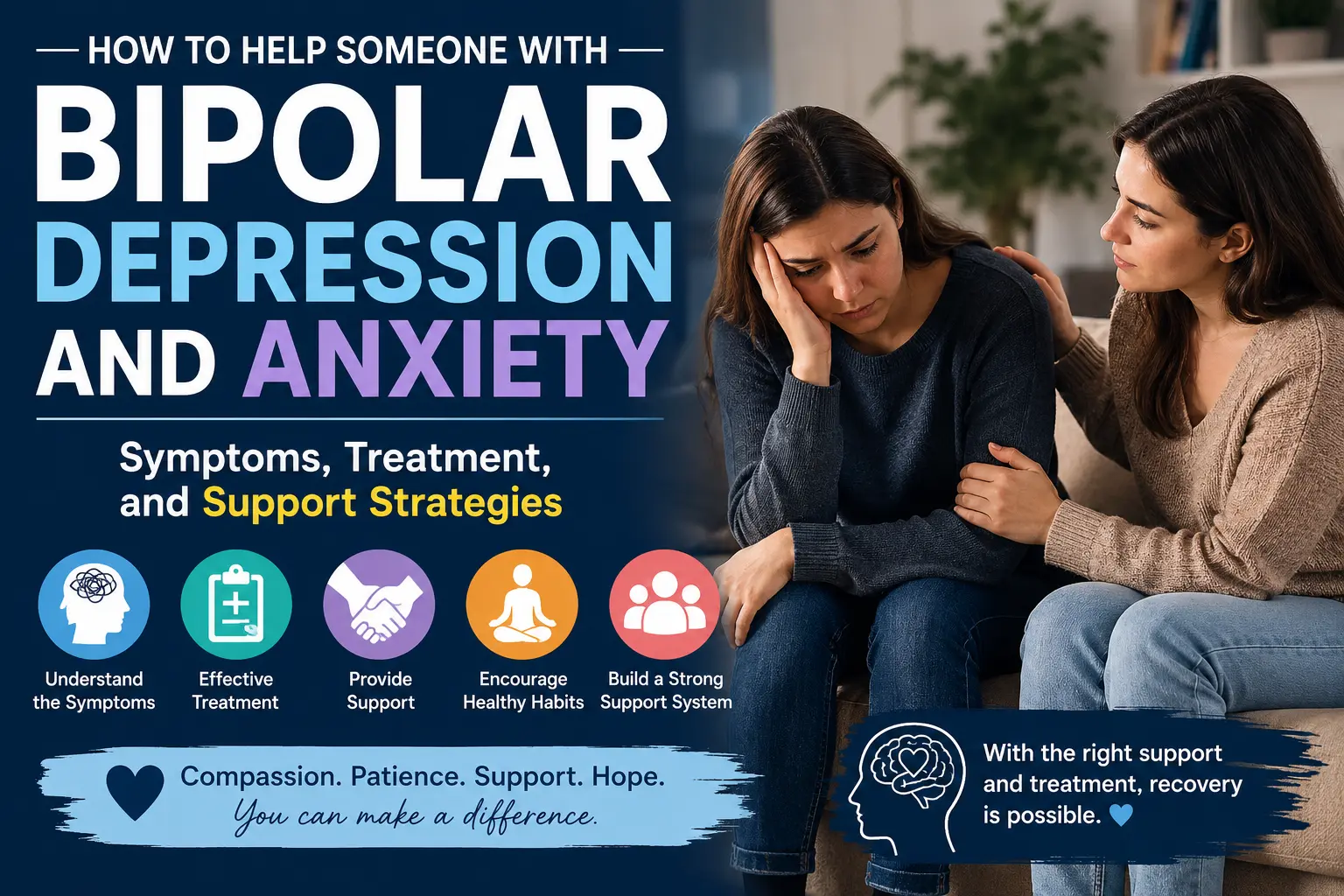 Watching someone you care about struggle with bipolar depression and anxiety can be heartbreaking. You may notice that they withdraw…
 In my practice as a clinical psychologist, I often observe that the difference between a patient who crumbles under pressure…
 We all have "up" days and "down" days. Perhaps you feel energized after a promotion or sluggish on a rainy…
 To define bipolar disorder accurately, we must look at it as a chronic mood dysregulation condition. In psychology and medicine,…
Are you looking for a Therapist?
Connect with qualified mental health professionals who understand
bipolar disorder, mood changes, and emotional challenges.
Private • Supportive • Confidential