
Valproate in Bipolar Disorder: Dosing, Lithium Comparison, Blood Levels, and What Patients Should Know

Medically reviewed by Laura Athey Updated Date: May 5, 2026

When I treat acute mania in bipolar disorder, one of the most common medications I reach for is valproate. However, the introduction of this medication to a patient’s regimen often triggers a wave of valid concern. Patients often ask me: “Is this better than lithium?
Will I have to get blood tests forever? Will it change my personality?”Valproate in Bipolar Disorder
In my practice, I often observe that while patients fear the “heaviness” of mood stabilizers, their greatest anxiety stems from the unknown.
Valproate (often known by brand names like Depakote, Epilim, or Stavzor) is a powerhouse in the psychiatric toolkit, but it is a medication that requires a partnership between the clinician and the patient. It is not a “fire and forget” prescription; it is a clinical commitment to metabolic and neurological monitoring.
This article aims to provide a clear, authoritative, yet warm guide to understanding how valproate functions, how it compares to its famous cousin, lithium, and what the “why” is behind the biology of your treatment.
What Is Valproate (Divalproex Sodium / Valproic Acid)?
To understand what valproate is used for, we first have to clarify the “alphabet soup” of its various names. Whether your bottle says valproic acid, divalproex sodium, or sodium valproate, you are taking a medication that falls under the class of antiepileptics (anticonvulsants).
Originally developed in the mid-20th century to treat epilepsy, researchers noticed a fascinating “side effect”: patients with seizure disorders who also had mood instability were suddenly much calmer and more regulated. This led to its FDA approval for the treatment of acute mania in 1994.
How Does Valproate Work for Bipolar?
While the exact “why” is complex, we primarily view valproate as a “neuro-stabilizer.” It works through two main pathways:
- GABA Enhancement: GABA is the brain’s primary “braking” neurotransmitter. Valproate increases the availability of GABA, effectively helping the brain “slow down” when it starts to race toward mania.
- Glutamate Modulation: It reduces excitatory signaling. If mania is a “glutamate storm,” valproate acts as the lightning rod that grounds the electrical surge.
Valproate in Bipolar Disorder — When Is It Used?
Valproate is a versatile tool, but it is not a “one size fits all” medication. In my clinical experience, it shines in specific “neighborhoods” of the bipolar spectrum.
Acute Mania and Mixed Episodes
Valproate is often a first-line choice for acute mania. It is particularly favored for mixed episodes—those agonizing periods where a patient feels the high energy of mania alongside the hopelessness of depression. Lithium can struggle with mixed states, but valproate often provides a more robust “anchor.”
Rapid Cycling Bipolar Disorder
For patients who experience four or more mood episodes in a year (rapid cycling), valproate has historically shown strong evidence for providing the long-term “floor” needed to stop the constant oscillation.
Bipolar Depression
It is important to be candid: valproate for bipolar depression is generally considered a weaker option. While it provides excellent “top-down” protection against mania, it doesn’t always have the “bottom-up” lifting power seen in medications like lamotrigine or quetiapine.
In my practice, if a patient is primarily struggling with the “basement” of depression, valproate is usually an adjunct, not a monotherapy.
Valproate Dose for Bipolar Disorder
One of the most frequent searches is for the specific valproate dose bipolar patients should expect. Dosing valproate is an art informed by science, often involving a “loading” phase.
The Dosing Framework
Unlike antidepressants, which often start at a standard “baby dose,” valproate is frequently weight-based.
- Initial Dosing: A typical start might be 15–20 mg/kg/day. For a standard adult, this often looks like 500 mg to 750 mg daily, divided into two doses.
- Acute Loading: In hospital settings where we need to stop a dangerous manic episode quickly, we may use a “loading dose” where the patient reaches their therapeutic range within 24–48 hours.
The goal is not just a “number” on the pill bottle, but a concentration in the blood. This brings us to the most critical part of valproate management.
Valproate Blood Levels in Bipolar Disorder
If you are on valproate, your phlebotomist will become your new best friend. Valproate levels in bipolar disorder must be monitored because the medication has a “narrow therapeutic window.” This means there is a thin line between “not enough,” “just right,” and “toxic.”
The Target Range
For most patients, the therapeutic serum level is 50 to 125 mcg/mL.
- The Mania Target: When we are fighting active mania, we often aim for the higher end of that range (80–110 mcg/mL).
- The Maintenance Target: Once a patient is stable, we might “cruise” at the lower end (50–80 mcg/mL) to minimize side effects.
Why the Labs Matter
Beyond the medication level itself, we monitor your “baseline” health:
- Liver Function (LFTs): Valproate is processed by the liver. We need to ensure your “filter” is handling the load.
- Platelets: Valproate can occasionally lower your blood’s ability to clot.
- Ammonia Levels: In rare cases, valproate can interfere with the urea cycle, leading to high ammonia, which causes “brain fog.”
Clinical Insight: The Nuance of the “Trough” Level
As a psychologist, I’ve had many patients call me panicked because their blood test came back “too low” after they took their pill right before the test. To get an accurate reading, your blood must be drawn at a “trough” level—exactly 12 hours after your last dose, before you take your morning pill.
If you take your pill and then go to the lab, we aren’t measuring your steady state; we’re measuring a spike. Consistency in lab timing is the key to preventing unnecessary dose hikes.
Lithium vs. Valproate in Bipolar Disorder
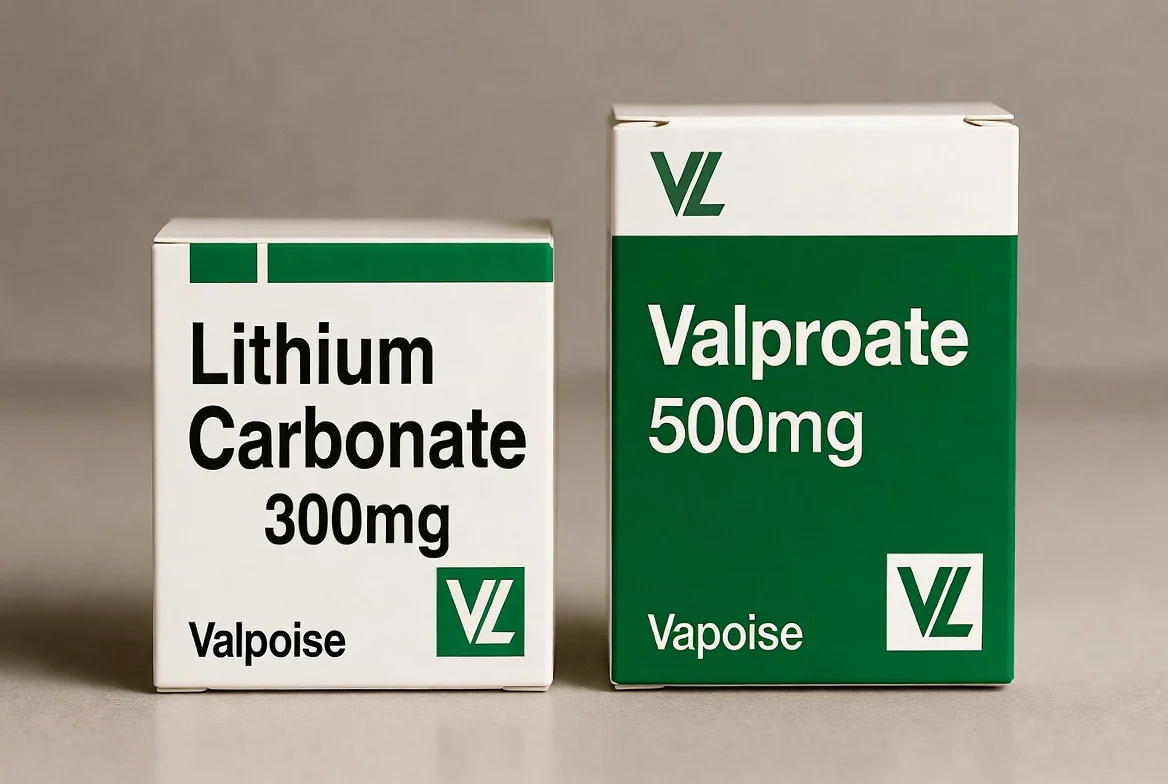
This is the “heavyweight title fight” of bipolar medicine. Is valproate better than lithium for bipolar disorder? The answer is: it depends on your “flavor” of bipolar.
Medication Comparison Table
| Feature | Lithium | Valproate (Depakote) |
| Primary Strength | Classic Mania / Suicide Prevention | Mixed Episodes / Rapid Cycling |
| Speed of Onset | Slower (5–7 days) | Faster (especially with loading) |
| Organ Concern | Kidneys & Thyroid | Liver & Pancreas |
| Depression Benefit | Moderate | Mild |
| Weight Gain | Moderate | Moderate to High |
| Best For | “Euphoric” Mania | “Irritable” or Mixed Mania |
Clinical Nuance: If a patient has a strong family history of responding to lithium, that remains the gold standard. However, if a patient presents with “dysphoric mania” (feeling agitated, angry, and miserable rather than “high”), sodium valproate vs lithium results often lean in favor of valproate.
I once worked with a patient, “Sarah,” a brilliant architect who experienced rapid cycling. She had tried lithium, but it left her feeling “gray” and didn’t stop her mixed episodes. She described feeling like a “vibrating string that was about to snap.”
We transitioned her to divalproex sodium and focused on her Executive Function through a specific therapeutic intervention called Interpersonal and Social Rhythm Therapy (IPSRT). While the valproate provided the biological “floor,” the IPSRT helped her stabilize her Circadian Rhythms.
One nuance Sarah struggled with was the “mental slowing” she felt initially. By adjusting her dose based on her blood levels (keeping her at 70 mcg/mL instead of 100), we found the “sweet spot” where her mania was contained, but her creativity remained intact.
Sarah’s story is a reminder that medication is the foundation, but lifestyle and precise dosing are the architecture of stability.
Valproate Side Effects: What to Watch For
We cannot talk about valproate without a candid discussion of sodium valproate side effects. In my practice, I don’t believe in “scaring” patients, but I do believe in “arming” them with information.
The Common “Adjustment” Effects
During the first few weeks, many patients experience:
- Nausea: Often mitigated by using the Epilim Chrono or Depakote ER (extended-release) versions.
- Tremor: A slight shaking of the hands is common but can be managed by dose adjustments.
- Weight Gain: Valproate can increase appetite and slow metabolism. This is a primary reason for sodium valproate bipolar reviews being mixed on Reddit.
The “Aesthetic” Side Effects
- Hair Thinning: Some patients notice “increased shedding.” This is usually temporary and often responds to zinc and selenium supplements, but it can be distressing.
The Serious (Rare) Risks
- Hepatotoxicity (Liver): Rare in adults, but requires those LFT blood tests we discussed.
- Polycystic Ovary Syndrome (PCOS): There is an increased risk for young women, which requires careful hormonal monitoring.
- Pregnancy: This is the most critical warning. Valproate is highly “teratogenic,” meaning it carries a significant risk of birth defects. For women of childbearing age, we have very serious conversations about birth control and alternative medications.
Epilim Chrono vs. Sodium Valproate: Understanding Formulations
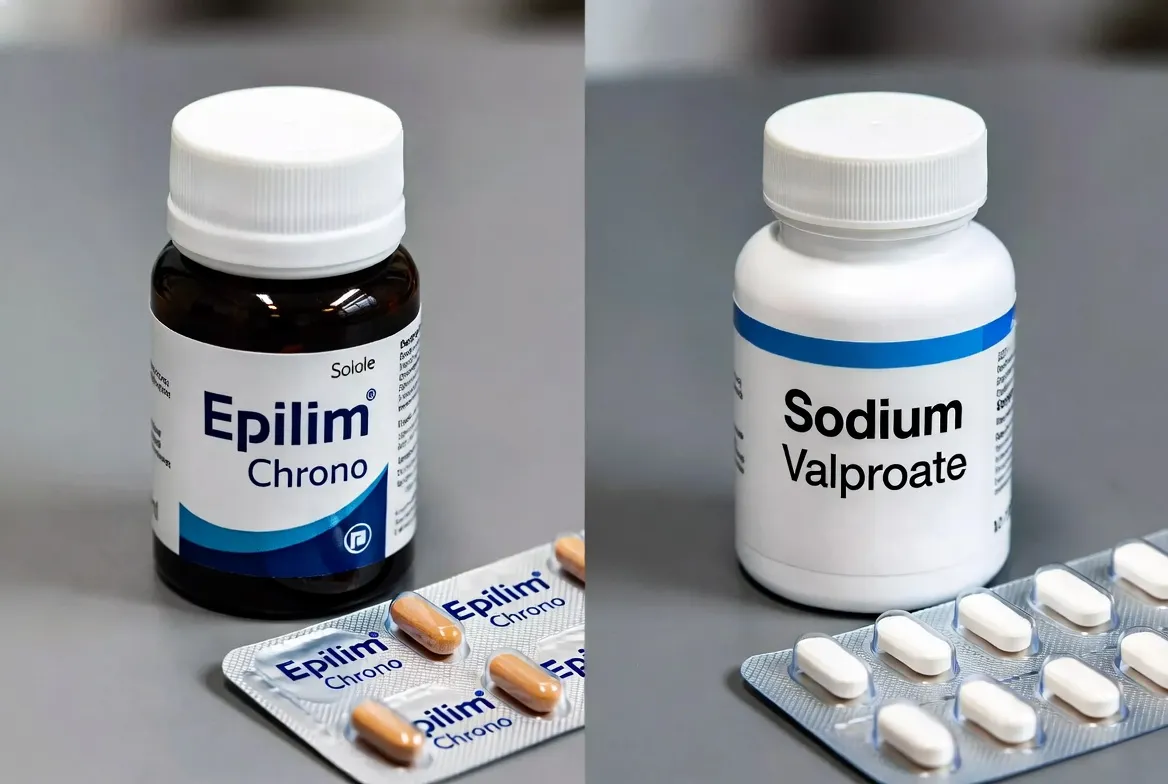
When you look at your prescription, the specific “suffix” after the drug name matters. In my practice, I find that many patients experience unnecessary side effects simply because they are on a formulation that doesn’t match their digestive “rhythm.”
The Benefit of “Chrono” and Extended Release
Traditional sodium valproate is often immediate-release. This means the medication hits your bloodstream quickly, causing a sharp “peak.” This peak is frequently responsible for the nausea and “brain fog” that patients report.
- Epilim Chrono / Depakote ER: These are controlled-release formulations. They flatten the “peaks and valleys” of the medication in your blood.
- Why it matters: By providing a steady stream of the medication, we can often use a lower total daily dose to maintain that 50–125 mcg/mL therapeutic blood level, while significantly reducing the load on your stomach and liver.
Sodium Valproate Bipolar Reviews: Why “Reddit” Can Be Misleading
If you search for sodium valproate in the context of bipolar disorder on online forums like Reddit, you’ll quickly notice a highly polarized landscape. Some users describe it as a “life-saver” that restored stability and control, while others claim it “ruined their motivation” or left them feeling emotionally flat.
These contrasting experiences can be confusing, especially for someone trying to decide whether the medication is right for them. The key is learning how to interpret these reviews with a more clinical lens.
A large portion of negative experiences can often be traced back to individual variability and dosing issues. Valproate is a medication that requires careful titration and monitoring.
If a patient is started on a dose that is too high too quickly, or if blood levels are pushed toward the upper therapeutic range—generally above 125 mcg/mL—they may experience side effects like sedation, cognitive dullness, or that “zombified” feeling people often describe online.
These effects are not necessarily inherent to the medication itself, but rather to how it is being used.
Another major factor is polypharmacy, which is extremely common in bipolar treatment. Many individuals posting on forums are not taking valproate in isolation. Instead, they may be on a combination of medications—such as an antipsychotic, an antidepressant, and valproate simultaneously.
In these situations, it becomes very difficult to pinpoint which drug is responsible for side effects like fatigue, low motivation, or emotional blunting. What gets attributed to valproate may actually be the cumulative effect of multiple medications interacting in complex ways.
There is also a natural bias in online discussions. People who have strong negative or unusually positive experiences are more likely to post, while those with moderate, stable outcomes often remain silent. This can skew perception, making extreme opinions seem more common than they actually are.
In clinical practice, a different pattern often emerges. When valproate is used thoughtfully—either as a targeted monotherapy or as a carefully selected adjunct—the so-called “personality-dulling” effect appears far less frequently than online discussions might suggest.
With proper dosing, regular monitoring, and clear treatment goals, many patients experience improved stability without losing their sense of self.
Ultimately, online reviews can offer insight, but they should not replace individualized medical guidance. The effectiveness and tolerability of valproate depend heavily on how it is prescribed, monitored, and integrated into a broader treatment plan tailored to the individual.
What Medications Should Be Avoided in Bipolar Disorder?
While valproate is a powerful stabilizer, it is often used to “clean up” the mess left by medications that shouldn’t have been there in the first place.
The Danger of Antidepressant Monotherapy
In my practice, I often see patients who were misdiagnosed with “Major Depressive Disorder” and put on an SSRI (like Prozac or Zoloft) without a mood stabilizer. This can trigger mania or rapid cycling.
- The Valproate Role: Valproate acts as the “safety net.” If you must be on an antidepressant, having valproate in your system acts as a biological “brake” to prevent the antidepressant from pushing you into a manic episode.
Corticosteroids and Stimulants
Medications like prednisone (for inflammation) or high-dose stimulants (for ADHD) can be “pro-manic.” If you are taking valproate, your doctor must be extra cautious when adding these substances to your regimen.
Frequently Asked Questions
What is valproate used for?
It is primarily used as a mood stabilizer to treat acute mania, mixed episodes, and rapid-cycling bipolar disorder. It is also an effective treatment for epilepsy.
Is valproate better than lithium?
Neither is universally “better.” Lithium is often superior for classic “euphoric” mania and suicide prevention, while valproate is frequently more effective for “mixed” states and rapid cycling.
What is the therapeutic blood level for valproate?
The standard therapeutic range for bipolar disorder is 50 to 125 mcg/mL. Levels are measured via a “trough” blood draw exactly 12 hours after your last dose.
What is the typical dose of sodium valproate for bipolar?
Dosing is usually weight-based, starting around 15 mg/kg. For most adults, this results in a daily dose between 750 mg and 2,000 mg, depending on blood level results.
Is valproate good for bipolar depression?
It is less effective for acute depression than medications like lamotrigine or quetiapine. It is primarily used to prevent future “crashes” by stabilizing the mood from the top down.
Conclusion
Valproate remains a cornerstone of bipolar disorder treatment for a reason: it is consistently effective, particularly in stabilizing mood and reducing the intensity of manic and mixed episodes.
For individuals who experience rapid shifts or overlapping symptoms of depression and mania, it can provide a level of control that is otherwise difficult to achieve.
While the need for regular blood monitoring and the possibility of side effects such as weight gain are valid concerns, these factors must be weighed against the significant benefit of sustained stability.
The impact of that stability goes far beyond symptom reduction. Bipolar disorder often feels like living on an unpredictable electrical grid—surges of energy followed by sudden crashes.
Valproate helps regulate that system, smoothing out extremes and creating a more reliable baseline. This does not mean emotions disappear or life becomes flat. Rather, it means emotions become more manageable, less overwhelming, and less likely to dictate impulsive or harmful decisions.
Stability, in this context, is not the absence of feeling; it is the presence of choice. When mood swings are less intense, individuals gain the mental clarity needed to pause, reflect, and respond intentionally.
This is where therapy becomes far more effective. Skills learned in counseling—such as emotional regulation, cognitive restructuring, and stress management—require a certain level of consistency to be applied in real life.
With valproate providing that foundation, patients are better equipped to engage with these tools and build routines that support long-term well-being. It creates the space necessary to move from merely surviving mood cycles to actively shaping a more stable and meaningful life.
References:
- American Psychiatric Association (APA) – Practice Guidelines for the Treatment of Patients With Bipolar Disorder
- Journal of Clinical Psychiatry – Valproate vs. Lithium in Bipolar Maintenance
- National Institute of Mental Health (NIMH) – Bipolar Disorder Medications
- The Lancet – Comparative efficacy and tolerability of drug treatments for bipolar disorder

Related Posts




Subscribe to Our Newsletter
Get mental health tips, updates, and resources delivered to your inbox.
MORE from Author
Read More Watching someone you care about struggle with bipolar depression and anxiety can be heartbreaking. You may notice that they withdraw…
 In my practice as a clinical psychologist, I often observe that the difference between a patient who crumbles under pressure…
 We all have "up" days and "down" days. Perhaps you feel energized after a promotion or sluggish on a rainy…
 To define bipolar disorder accurately, we must look at it as a chronic mood dysregulation condition. In psychology and medicine,…
Are you looking for a Therapist?
Connect with qualified mental health professionals who understand
bipolar disorder, mood changes, and emotional challenges.
Private • Supportive • Confidential