
How to Help Someone With Bipolar Depression and Anxiety: Symptoms, Treatment, and Support Strategies

Medically reviewed by Shoumik Alam Updated Date: July 15, 2026
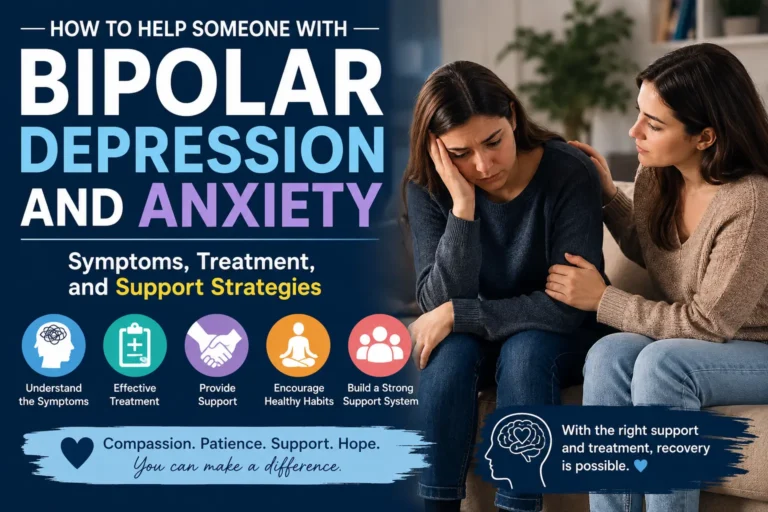

Watching someone you care about struggle with bipolar depression and anxiety can be heartbreaking. You may notice that they withdraw from family and friends, lose interest in activities they once loved, or become overwhelmed by constant worry and fear.
At times, you might feel unsure about what to say or how to help. While you cannot cure bipolar disorder or anxiety on your own, your understanding, patience, and encouragement can make a meaningful difference in their recovery and how to help someone with bipolar depression.
Bipolar disorder is a mental health condition that causes significant changes in mood, energy, and activity levels. During depressive episodes, a person may experience deep sadness, hopelessness, and exhaustion that affect nearly every part of daily life.
Many people with bipolar disorder also experience anxiety disorders, making emotional challenges even more difficult to manage. Research suggests that anxiety commonly occurs alongside bipolar disorder and may increase the risk of severe symptoms and reduced quality of life.
This guide explains how to recognize bipolar depression and anxiety, understand available treatment options, and provide compassionate support while encouraging professional care.
Understanding Bipolar Depression and Anxiety
Bipolar disorder is often misunderstood as simply having frequent mood swings, but it is a complex mental health condition that involves significant changes in mood, energy levels, thinking, and behavior.
People living with bipolar disorder experience episodes of depression as well as periods of elevated mood known as mania or hypomania. These mood episodes are much more intense than ordinary emotional ups and downs and can significantly affect a person’s daily life, relationships, work, and overall well-being.
During a depressive episode, a person may experience persistent sadness, hopelessness, fatigue, loss of interest in activities they once enjoyed, and difficulty concentrating. Even simple daily tasks, such as getting out of bed, preparing meals, or going to work, can feel overwhelming.
Some individuals may also struggle with feelings of guilt, worthlessness, or thoughts of self-harm, making professional treatment essential.
Anxiety frequently occurs alongside bipolar disorder, a condition known as comorbidity. Many people experience excessive worry, constant nervousness, panic attacks, muscle tension, irritability, or racing thoughts that make it difficult to relax.
Anxiety symptoms may appear during depressive episodes, manic episodes, or even between mood episodes, making diagnosis and treatment more challenging. The combination of bipolar depression and anxiety often leads to greater emotional distress and can increase the risk of sleep disturbances, social isolation, and reduced quality of life.
Researchers believe that genetics, brain chemistry, environmental stressors, and traumatic life experiences all contribute to the development of bipolar disorder and anxiety. Although the exact cause remains unclear, these conditions often share similar biological pathways, which explains why they frequently occur together.
Living with both bipolar depression and anxiety can affect nearly every aspect of a person’s life, including relationships, career performance, physical health, financial stability, and emotional resilience.
The unpredictability of mood changes may also create additional stress, causing individuals to worry about future episodes or how their condition may impact loved ones.
Despite these challenges, there is hope. With early diagnosis, evidence-based treatment, healthy lifestyle habits, and a strong support system, many people with bipolar disorder and anxiety successfully manage their symptoms and lead meaningful, productive, and fulfilling lives.
Understanding these conditions is the first step toward offering compassionate support and encouraging recovery.and lead fulfilling lives.
Common Symptoms of Bipolar Depression and Anxiety

Recognizing the symptoms is one of the first steps toward providing meaningful support. Bipolar depression often looks different from ordinary sadness because symptoms tend to last for weeks and significantly interfere with daily functioning.
A person experiencing bipolar depression may lose interest in hobbies, struggle to concentrate, sleep far more or far less than usual, experience changes in appetite, and feel persistent sadness or emptiness. They may also express feelings of guilt, worthlessness, or hopelessness.
In severe cases, thoughts of self-harm or suicide can occur, requiring immediate professional intervention.
Anxiety may appear as excessive worrying, nervousness, irritability, muscle tension, restlessness, panic attacks, or difficulty relaxing. Some people constantly expect something terrible to happen, even when there is little reason for concern.
Not everyone experiences the same symptoms. Some individuals mainly struggle with depression, while others experience intense anxiety that worsens depressive episodes.
Why Anxiety Often Occurs With Bipolar Disorder
Mental health experts believe that bipolar disorder and anxiety share several biological and psychological risk factors. Genetics, brain chemistry, stressful life events, and childhood trauma may all contribute to both conditions.
Anxiety can also develop because living with bipolar disorder is unpredictable. A person may constantly worry about experiencing another depressive or manic episode, losing a job, damaging relationships, or feeling misunderstood by others. These concerns may gradually develop into chronic anxiety if left untreated.
Because anxiety can intensify depressive symptoms, healthcare providers usually treat both conditions together rather than separately.
How to Help Someone With Bipolar Depression and Anxiety
Supporting someone with bipolar depression and anxiety begins with understanding rather than trying to “fix” the problem. Mental illness is not a sign of weakness or lack of motivation. It is a medical condition that requires compassion, patience, and appropriate treatment.
One of the most valuable things you can do is simply listen. Allow your loved one to express their feelings without interrupting, judging, or immediately offering solutions. Sometimes people simply want to know they are being heard.
Instead of saying things like “Just think positively” or “Everyone gets sad sometimes,” acknowledge their emotions by saying, “I’m here for you,” or “That sounds incredibly difficult.” Validation helps people feel less isolated and more willing to accept support.
Encouraging professional treatment is another important step. Offer to help them schedule appointments, drive them to therapy sessions, or remind them to take prescribed medications if they welcome that assistance. Respect their independence while showing that they are not facing their challenges alone.
Patience is essential because recovery rarely happens overnight. Symptoms may improve gradually, and setbacks can occur. Continuing to provide encouragement during difficult periods helps build trust and emotional security.
Effective Treatment Options

Treatment usually combines medication, psychotherapy, and healthy lifestyle habits. Because bipolar disorder is a complex medical condition, medication is often necessary to stabilize mood and reduce the risk of future episodes.
Healthcare providers may prescribe mood stabilizers, certain atypical antipsychotics, or other medications depending on the individual’s symptoms. If anxiety is severe, treatment plans are carefully tailored to avoid medications that could trigger mood instability.
Psychotherapy plays an equally important role. Cognitive Behavioral Therapy (CBT), Interpersonal and Social Rhythm Therapy (IPSRT), and family-focused therapy have all shown benefits for many people living with bipolar disorder. Therapy helps individuals recognize unhealthy thought patterns, improve coping skills, manage stress, and maintain healthier daily routines.
Lifestyle habits also contribute significantly to symptom management. Regular sleep schedules, balanced nutrition, physical activity, stress reduction techniques, and avoiding alcohol or recreational drugs may reduce the frequency and severity of mood episodes.
Everyday Support Strategies
Supporting someone does not always require grand gestures. Small, consistent acts of kindness often have the greatest impact.
Invite them for a short walk, prepare a healthy meal together, or simply spend quiet time with them without expecting conversation. Encourage routines because predictable daily schedules often help stabilize mood. Celebrate small achievements, such as attending therapy, completing household tasks, or getting through a difficult day.
Remember to respect boundaries. Some people need space during depressive episodes while still appreciating regular check-ins. Asking, “Would you like company today, or would you prefer some quiet time?” allows them to express their needs without feeling pressured.
Also take care of yourself. Supporting someone with a serious mental illness can be emotionally demanding. Maintaining your own physical and emotional health allows you to continue offering meaningful support without becoming overwhelmed.
When to Seek Emergency Help
Although most depressive and anxiety symptoms can be managed with professional treatment, there are times when immediate medical attention is necessary.
If your loved one talks about wanting to die, expresses feelings of having no reason to live, begins giving away personal belongings, or says goodbye as though they do not expect to see people again, take these warning signs seriously.
Likewise, if they become unable to care for themselves, experience hallucinations, become extremely agitated or reckless during a manic episode, or attempt self-harm, seek emergency help right away.
If you believe someone is in immediate danger of harming themselves or others, call your local emergency services or take them to the nearest emergency department. Never assume they are “just looking for attention.” Responding quickly could save a life.
What Not to Say to Someone With Bipolar Depression and Anxiety
Even well-intentioned comments can make someone feel misunderstood. Avoid telling them to “snap out of it,” “just calm down,” or “everyone feels this way sometimes.” Statements like these minimize their experience and may discourage them from opening up in the future.
Instead, offer empathy and reassurance. Simple phrases such as “I’m here to support you,” “You don’t have to go through this alone,” or “Thank you for trusting me with how you’re feeling” can provide comfort without sounding dismissive. Remember that listening is often more valuable than trying to solve every problem.
Helping During a Depressive Episode

Depressive episodes can leave a person feeling emotionally and physically drained. Everyday tasks like showering, eating, or replying to messages may feel impossible. Instead of criticizing their lack of motivation, recognize that depression affects both the brain and body.
Offer practical support in ways that respect their independence. You might help prepare meals, accompany them on a short walk, assist with grocery shopping, or simply sit with them while watching a movie.
Gentle encouragement works better than pressure. Rather than saying, “You need to get out of bed,” try, “Would you like to sit outside with me for a few minutes? Fresh air might feel nice.”
Recovery often happens through small steps. Celebrate progress, no matter how minor it seems. Completing a simple task or attending a therapy appointment is a meaningful achievement during a depressive episode.
Helping During an Anxiety Attack
When anxiety becomes overwhelming, your calm presence can help someone feel safer. Encourage them to focus on slow, steady breathing rather than trying to stop the anxiety immediately. Breathing in through the nose for four seconds and exhaling slowly through the mouth can reduce physical symptoms over time.
Speaking softly and reassuringly also helps. Avoid overwhelming them with questions or instructions. Instead, remind them that anxiety attacks, while frightening, are temporary and will pass.
If they find grounding techniques helpful, encourage them to notice five things they can see, four they can touch, three they can hear, two they can smell, and one they can taste. This exercise can help redirect attention away from racing thoughts and back to the present moment.
Long-Term Recovery and Ongoing Support

Managing bipolar depression and anxiety is usually a lifelong process rather than a short-term challenge. However, this does not mean a person cannot enjoy a meaningful and productive life.
With consistent treatment, many individuals successfully build careers, maintain healthy relationships, and achieve personal goals.
Encourage your loved one to stick with their treatment plan, even when they begin feeling better. Stopping medication without medical supervision can increase the risk of relapse.
Maintaining regular sleep schedules, exercising consistently, eating nutritious meals, limiting alcohol, and practicing stress-management techniques can all support long-term stability.
Family members and close friends also play an important role. By learning about bipolar disorder, recognizing early warning signs of mood changes, and maintaining open communication, you can help your loved one seek support before symptoms become severe.
Frequently Asked Questions
Can someone have bipolar disorder and anxiety at the same time?
Yes. Anxiety disorders commonly occur alongside bipolar disorder. Having both conditions may increase symptom severity, but a combination of medication, therapy, and healthy lifestyle habits can effectively manage both.
Should I encourage someone with bipolar depression to “stay positive”?
No. While positivity is valuable, telling someone to “just think positively” may make them feel misunderstood. It’s more helpful to acknowledge their feelings and offer compassionate support.
Can bipolar depression improve without treatment?
Some symptoms may temporarily improve, but bipolar disorder is generally a lifelong medical condition that requires professional care. Early treatment can reduce the frequency and severity of mood episodes and improve overall quality of life.
How can I encourage someone to seek help?
Choose a calm moment to express your concern without judgment. Focus on specific behaviors you’ve noticed, explain that effective treatments are available, and offer to help them find a mental health professional or attend appointments if they would like support.
Conclusion
Helping someone with bipolar depression and anxiety requires patience, understanding, and compassion. While you cannot eliminate their symptoms, your support can make recovery feel less lonely and more manageable.
Listening without judgment, encouraging professional treatment, maintaining realistic expectations, and recognizing warning signs of a mental health crisis are some of the most meaningful ways you can help.
Recovery is rarely a straight path, and setbacks are a normal part of managing a chronic mental health condition. With evidence-based treatment, supportive relationships, and healthy daily routines, many people living with bipolar disorder and anxiety are able to lead fulfilling, productive lives.
Your kindness, empathy, and willingness to learn can have a lasting positive impact on someone you care about.
References

Related Posts





Subscribe to Our Newsletter
Get mental health tips, updates, and resources delivered to your inbox.
MORE from Author
Read More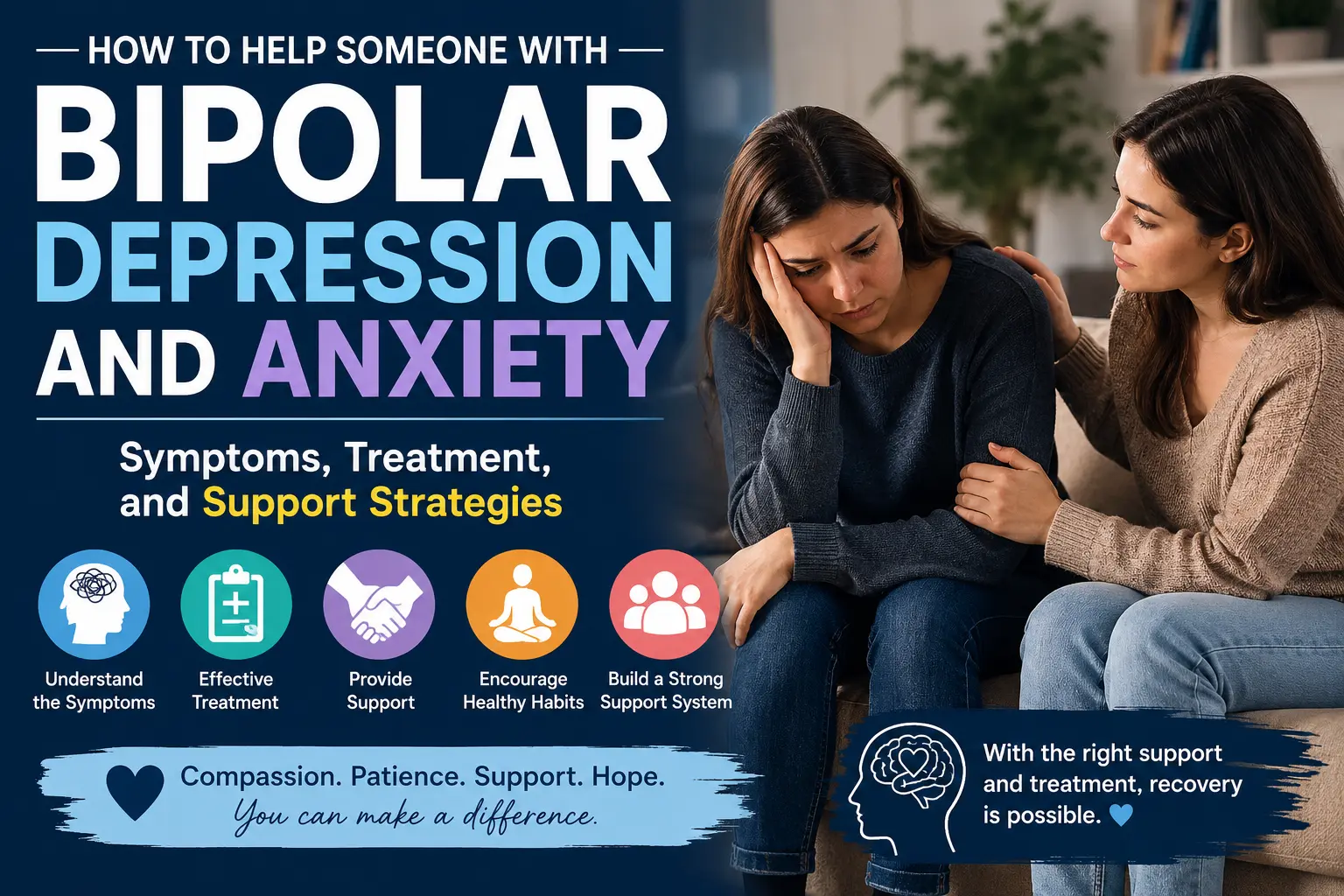 Watching someone you care about struggle with bipolar depression and anxiety can be heartbreaking. You may notice that they withdraw…
 In my practice as a clinical psychologist, I often observe that the difference between a patient who crumbles under pressure…
 We all have "up" days and "down" days. Perhaps you feel energized after a promotion or sluggish on a rainy…
 To define bipolar disorder accurately, we must look at it as a chronic mood dysregulation condition. In psychology and medicine,…
Are you looking for a Therapist?
Connect with qualified mental health professionals who understand
bipolar disorder, mood changes, and emotional challenges.
Private • Supportive • Confidential