
What Is Clinical Depression? Definition, Symptoms, Causes, and Treatment

Medically reviewed by Laura Athey Updated Date: February 26, 2026

In our daily lives, we often use the word “depressed” to describe a bad day, a disappointing week, or the grief that follows a significant loss. However, when mental health professionals use the term, they are usually referring to a specific, diagnosable medical condition. If you have ever wondered, “What is clinical depression?” or found yourself searching for “What is the meaning of clinical depression?“, you are not alone.
There is a significant difference between the temporary low moods that are part of the human experience and the persistent, debilitating state known as clinical depression. Understanding this distinction is the first step toward recovery. Clinical depression—what is it? Simply put, it is a mood disorder that goes beyond sadness, affecting how you feel, think, and handle daily activities like sleeping, eating, or working.
This article aims to strip away the confusion surrounding the term. We will explore the clinical definition, the physical and emotional symptoms, the biological causes, and the evidence-based treatments available today. Whether you are seeking information for yourself or a loved one, it is important to remember that clinical depression is a real, legitimate health condition, and it is highly treatable.
What Is Clinical Depression?
To define clinical depression in plain English: it is a persistent feeling of sadness or a loss of interest in activities once enjoyed, lasting at least two weeks, and accompanied by other symptoms that interfere with your ability to function.
While “depression” is a broad umbrella term, clinical depression refers specifically to Major Depressive Disorder (MDD). This is the formal term used by doctors and psychologists to differentiate a clinical illness from situational sadness.
The Medical Definition (DSM-5 and ICD-11)
The medical community relies on standardized diagnostic manuals like the Diagnostic and Statistical Manual of Mental Disorders (DSM-5) or the International Classification of Diseases (ICD-11). According to these frameworks, what is the definition of clinical depression? It is diagnosed when a person experiences five or more specific symptoms (such as low mood, fatigue, and changes in appetite) for at least two consecutive weeks, representing a change from previous functioning. At least one of the symptoms must be either a depressed mood or a loss of interest/pleasure (anhedonia).
Clinical Depression Definition: A mental health disorder characterized by persistently depressed mood or loss of interest in activities, causing significant impairment in daily life. Also known as Major Depressive Disorder (MDD).
What Is Clinical Depression Classified As?
In the world of medicine, what is clinical depression classified as? It falls under the category of Mood Disorders. This classification groups conditions where the primary feature is a disturbance in emotional state.
The Clinical Diagnosis of Depression
What is the clinical diagnosis of depression based on? It is not a self-description or a temporary feeling. A diagnosis is made by a licensed professional who assesses whether your symptoms meet the rigorous criteria for Major Depressive Disorder. Unlike a broken bone, there is no blood test for depression; instead, clinicians use standardized interviews and assessment scales to determine if what you are experiencing is considered clinical depression.
It is classified as a “unipolar” disorder, meaning the mood stays at one pole (the low end). This distinguishes it from other conditions, such as bipolar disorder, where the mood swings between two poles (highs and lows).
What Is the Difference Between Depression and Clinical Depression?
One of the most frequent points of confusion is what clinical depression is vs depression. While the terms are often used interchangeably in casual conversation, the clinical distinction is vital for treatment.
Side-by-Side Comparison
| Feature | General Depression (Sadness/Grief) | Clinical Depression (MDD) |
| Duration | Usually tied to an event; fades over time. | Lasts at least two weeks, often much longer. |
| Triggers | Often caused by a specific loss or setback. | Can occur without any obvious external cause. |
| Impact on Function | You can usually still go to work/school. | Severely impairs work, hygiene, and social life. |
| Physical Symptoms | Rare, other than perhaps crying or fatigue. | Significant changes in sleep, weight, and energy. |
| Sense of Self | Self-esteem usually remains intact. | Intense feelings of worthlessness or guilt. |
What is the difference between being depressed and being clinically depressed? When you are “depressed” by a situation, your mood might lift when you hang out with friends or watch a movie. When you are “clinically depressed,” that ability to feel pleasure—even momentarily—is often completely gone. It is the difference between a car that is low on gas (general sadness) and a car with a broken engine (clinical depression).
What Is the Difference Between Bipolar Depression and Clinical Depression?
One of the most critical distinctions in psychiatry is the difference between “unipolar” (clinical) depression and “bipolar” depression. While the symptoms of the “low” periods can feel identical, they are fundamentally different conditions with different treatment pathways.
How They Are Related
Both conditions fall under the umbrella of mood disorders. In both cases, the individual suffers from periods of intense sadness, fatigue, and hopelessness that meet the DSM-5 criteria for a major depressive episode. Because the “down” side of bipolar disorder looks exactly like major depressive disorder, many people with bipolar disorder are initially misdiagnosed with clinical depression.
Key Differences
The primary difference lies in the presence of “highs.”
- Clinical Depression (Unipolar): The individual only experiences the “low” pole. There are no periods of mania or hypomania.
- Bipolar Depression: The individual cycles between the “low” pole and a “high” or “irritable” pole known as mania or hypomania. During these highs, they may have racing thoughts, decreased need for sleep, and excessive energy.
Why the distinction matters: If a person with bipolar depression is treated with standard antidepressants alone (the typical treatment for clinical depression), it can occasionally “flip” them into a dangerous manic episode. Therefore, a careful clinical history is required to ensure the correct diagnosis.
What Is Clinical Depression Like?
If you are asking, “What is it like to have clinical depression?“, it is best described as a “weight” or a “fog.” It is not just feeling “blue”; it is an all-encompassing experience that affects the body as much as the mind.
The Daily Reality
For many, what is an example of clinical depression? It might look like waking up and feeling as though your limbs are made of lead. The simplest tasks—brushing your teeth, answering a text, or making toast—feel like climbing a mountain.
Cognitively, it feels like your brain is “slow.” You might find yourself staring at a computer screen for an hour, unable to process a single sentence. Emotionally, it is often a sense of profound “flatness” or numbness rather than active crying. You might feel disconnected from the people you love most, watching your life happen from behind a thick pane of glass. It is a lonely experience, even when surrounded by people, because the disorder convinces you that you are a burden or that hope is an illusion.
What Are the Symptoms of Clinical Depression?
What is clinical depression symptoms comprised of? To provide a clear answer, we categorize them into four areas: emotional, cognitive, physical, and behavioral.
1. Emotional Symptoms
- Persistent Low Mood: Feeling sad, “empty,” or tearful most of the day.
- Anhedonia: Losing interest in hobbies, sex, or social interaction.
2. Cognitive Symptoms
- Difficulty Concentrating: Trouble making decisions or remembering things.
- Negative Self-Talk: Excessive guilt or feelings of worthlessness.
- Suicidal Ideation: Recurrent thoughts of death or self-harm.
3. Physical Symptoms
- Fatigue: Feeling exhausted even after sleeping.
- Sleep Disturbances: Insomnia (can’t sleep) or hypersomnia (sleeping too much).
- Appetite Changes: Significant weight loss or gain.
4. Behavioral Symptoms
- Social Withdrawal: Avoiding friends and family.
- Psychomotor Agitation or Retardation: Moving and speaking noticeably slower than usual, or being unable to sit still.
What are 6 symptoms of clinical depression?
- Persistent sad or empty mood.
- Loss of interest in favorite activities.
- Significant weight or appetite change.
- Insomnia or sleeping too much.
- Loss of energy or daily fatigue.
- Feelings of worthlessness or inappropriate guilt.
Mild, Moderate, Severe, and Acute Clinical Depression

Clinical depression is not “one size fits all.” It exists on a spectrum of severity, which helps doctors determine the best course of action.
- What is mild clinical depression? Symptoms meet the minimum criteria, but you can still function with significant effort. It is often treated with therapy alone.
- What is moderate clinical depression? Symptoms are more intense and start to significantly interfere with your work and social life.
- What is severe clinical depression? Most symptoms are present, and the person may be unable to care for themselves. Risk of self-harm is higher, and a combination of medication and therapy is usually required.
- What is acute clinical depression? This refers to a sudden, intense onset of symptoms (an “episode”) that requires immediate clinical intervention.
In contrast, what is non-clinical depression? This refers to “sub-threshold” symptoms—you might feel low, but you don’t meet the full five criteria required for a medical diagnosis of MDD.
What Causes Clinical Depression?
What is clinical depression caused by? It is rarely the result of a single factor. Instead, it is caused by a complex interplay of biology, psychology, and environment.
Biological Factors
The “chemical imbalance” theory is part of the story, but it’s more complex than just low serotonin. It involves the way nerve cells communicate, brain structure, and genetic predisposition. If a close relative has had MDD, you are more likely to develop it.
Psychological Factors
Certain personality traits, such as low self-esteem or being overly self-critical, can make a person more vulnerable. Early childhood trauma can also “wire” the brain to be more reactive to stress later in life.
Environmental Factors
Continuous exposure to violence, neglect, abuse, or poverty may make some people more vulnerable to depression. Major life events—even “good” ones like a new baby or a promotion—can trigger an episode due to the stress and change involved.
Clinical Depression and Anxiety: How They Overlap
If you are wondering what clinical depression and anxiety are and why they are often mentioned together, it is because they are the “fraternal twins” of mental health. Over 50% of people diagnosed with clinical depression also meet the criteria for an anxiety disorder.
Shared Symptoms
Depression and anxiety often share physical and cognitive traits:
- Irritability: Both can make you feel “on edge” or easily frustrated.
- Sleep Issues: Anxiety makes it hard to fall asleep (racing thoughts); depression makes it hard to stay asleep or causes oversleeping.
- Concentration: Both disorders make it difficult to focus on tasks or make decisions.
When these two conditions co-occur, the symptoms are often more severe and last longer. However, treating one often helps the other, as they both involve similar neural pathways and stress response systems.
What Is Severe Clinical Depression?
While mild depression is difficult, what is severe clinical depression is a state that often requires urgent medical attention. In its severe form, the disorder moves from being a “mood” to a total systemic shutdown.
Distinguishing Features of Severity
- Psychotic Features: In very severe cases, a person may experience hallucinations (hearing voices) or delusions (intense false beliefs), often centered around themes of guilt or ruin.
- Catatonia: The person may become almost entirely non-responsive, unable to speak or move effectively.
- Active Suicidality: While mild depression may involve “wishing I wasn’t here,” severe depression often involves active planning or intent to end one’s life.
If you or someone you know is in this state, it is no longer a matter of “waiting it out.” This is an acute medical crisis that requires immediate intervention from a crisis team or hospital.
What Is the Clinical Depression Test? Screening vs. Diagnosis
If you search for a clinical depression test, you will likely find tools like the PHQ-9 (Patient Health Questionnaire). It is important to understand what these tests can and cannot do.
Screening Tools
The PHQ-9 is a 9-question survey that asks about your symptoms over the last two weeks. It is an excellent “thermometer.” If you score high, it indicates that “fever” (depression) is likely present.
Professional Assessment
A clinical depression test found online is not a diagnosis. A clinician (doctor or psychologist) performs a formal assessment by:
- Ruling out physical causes: Checking thyroid function or vitamin levels.
- Evaluating history: Looking at how long symptoms have lasted and your family history.
- Assessing impact: Determining if the symptoms are causing significant “functional impairment.”
How Is Clinical Depression Treated?
The most hopeful part of the question “What is clinical depression and how is it treated?” is that there are more options today than ever before. Treatment is generally divided into three main pillars.
1. Psychotherapy
“Talk therapy” is highly effective.
- Cognitive Behavioral Therapy (CBT): Focuses on identifying and changing the “negative thought loops” that keep depression alive.
- Interpersonal Therapy (IPT): Focuses on how your relationships and social roles contribute to your mood.
2. Medication
Antidepressants (such as SSRIs or SNRIs) work by helping the brain’s neurotransmitters communicate more effectively. They are not “happy pills”; rather, they help lift the “biological floor” so that therapy and lifestyle changes can start to work.
3. Lifestyle and Support
For mild to moderate cases, lifestyle changes can be surprisingly powerful:
- Physical Activity: Exercise releases endorphins and has been shown in some studies to be as effective as mild antidepressants for some people.
- Sleep Hygiene: Establishing a regular sleep-wake cycle.
- Social Connection: Breaking the isolation that depression thrives on.
The highest success rates are found in combined treatment, using both medication and psychotherapy together.
Clinical Depression in the UK: NHS Definition and Care
If you are looking for information on what clinical depression is, you will find that the NHS (National Health Service) follows the ICD-11 guidelines.
Accessing Care via the NHS
In the UK, the first step is usually seeing a GP (General Practitioner). The NHS categorizes depression into mild, moderate, and severe.
- IAPT (Improving Access to Psychological Therapies): This is the main NHS pathway for accessing CBT and other talking therapies.
- Terminology: While Americans often say “Major Depressive Disorder,” the clinical depression NHS literature often refers to it simply as “clinical depression” or a “depressive episode.”
Clinical Depression vs. Non-Clinical Depression
One of the most important aspects of mental health literacy is understanding what non-clinical depression is non clinical depression. Not every period of low mood qualifies as a medical condition.
Situational Sadness and Adjustment
“Non-clinical” depression often refers to situational sadness or an Adjustment Disorder. This is a normal, healthy response to difficult life events, such as the end of a relationship, the loss of a job, or the death of a loved one. In these cases, the “depression” is a symptom of grief rather than a dysfunction of the brain’s regulatory systems.
The Threshold of Diagnosis
What is considered clinical depression vs. non-clinical comes down to intensity and duration. If you feel sad after a breakup but can still find moments of joy with your family, or if your sadness begins to lift after a few weeks, it is likely non-clinical. If the sadness is “autonomous”—meaning it persists regardless of good news or external comfort—it has likely crossed the threshold into clinical territory.
Clinical Psychology and the Diagnostic Process
If you are exploring clinical psychology, you are looking at the branch of science dedicated to assessing and treating mental illness. Clinical psychologists are the primary experts in diagnosing Major Depressive Disorder through evidence-based frameworks.
How a Diagnosis Is Formed
The diagnostic process is more than a checklist. A psychologist or psychiatrist looks for:
- Pervasiveness: Does the mood last all day, every day?
- Persistence: Has it lasted at least two weeks?
- Physical Change: Is there a visible difference in the person’s energy or movement?
- Cognitive Distortion: Is the person’s perception of reality being filtered through “depressive realism” or hopelessness?
By using these clinical lenses, professionals ensure that treatment is targeted to the specific severity of the patient’s condition.
What to Do When You’re Clinically Depressed

Finding out what to do when you’re clinically depressed can feel overwhelming because the disorder itself saps your motivation. However, recovery is a series of small, manageable steps.
- Acknowledge the Illness: Remind yourself that this is a medical condition, not a character flaw. You aren’t “lazy”; you are ill.
- Seek Professional Consultation: Make an appointment with a GP or a therapist. This is the single most important step.
- Lower the Bar: During a severe episode, your only job might be to eat one meal and take a shower. That is enough.
- Avoid Big Life Decisions: Depression “lies.” It tells you that your job is terrible or that your partner doesn’t love you. Wait until the fog lifts before making major changes.
- Limit Isolation: Even if you don’t feel like talking, sitting in the same room as a trusted friend can help ground you.
Frequently Asked Questions
What is the meaning of clinical depression?
Clinical depression (Major Depressive Disorder) is a significant mental health condition characterized by a persistent low mood and a loss of interest in life that lasts for two weeks or more and interferes with daily functioning.
What are 6 symptoms of clinical depression?
Common symptoms include: (1) Persistent sadness, (2) Loss of interest in hobbies, (3) Fatigue, (4) Changes in appetite or weight, (5) Difficulty concentrating, and (6) Thoughts of worthlessness or guilt.
What is the difference between being depressed and being clinically depressed?
“Depressed” is often used to describe temporary sadness related to a specific event. “Clinically depressed” describes a medical condition where symptoms are more severe, last longer, and occur regardless of external circumstances.
Is clinical depression the same as major depressive disorder?
Yes. Major Depressive Disorder (MDD) is the formal clinical term for what is commonly referred to as clinical depression.
How is bipolar depression different from clinical depression?
Clinical depression involves only “low” moods. Bipolar depression involves cycles between “low” moods and “high” or “manic” moods.
Conclusion
The journey of understanding what clinical depression is often the beginning of the end of the struggle. For many, the word “clinical” can feel cold or scary, but it actually carries a profound sense of hope. When a condition is “clinical,” it means it is understood by science, it has a clear set of symptoms, and—most importantly—it has a proven path to recovery.
Clinical depression is one of the most common health conditions in the world. It does not care about your age, your success, or your strength of character. It is a biological and psychological event that requires professional care, just like any other major illness.
If you recognize yourself in these descriptions, know that the “fog” you are in is not permanent. With the right combination of therapy, medical support, and self-compassion, the brain can heal, and the weight can be lifted. You do not have to navigate this alone.
Authoritative References
1. National Health Service (NHS) –Clinical Depression Overview
2. American Psychiatric Association (APA) –What Is Depression?
3. National Institute of Mental Health (NIMH) –Depression Basics
4. World Health Organization (WHO) –Depressive Disorder Fact Sheet.
5. Mayo Clinic – Major Depressive Disorder Clinical Depression

Related Posts






Subscribe to Our Newsletter
Get mental health tips, updates, and resources delivered to your inbox.
MORE from Author
Read More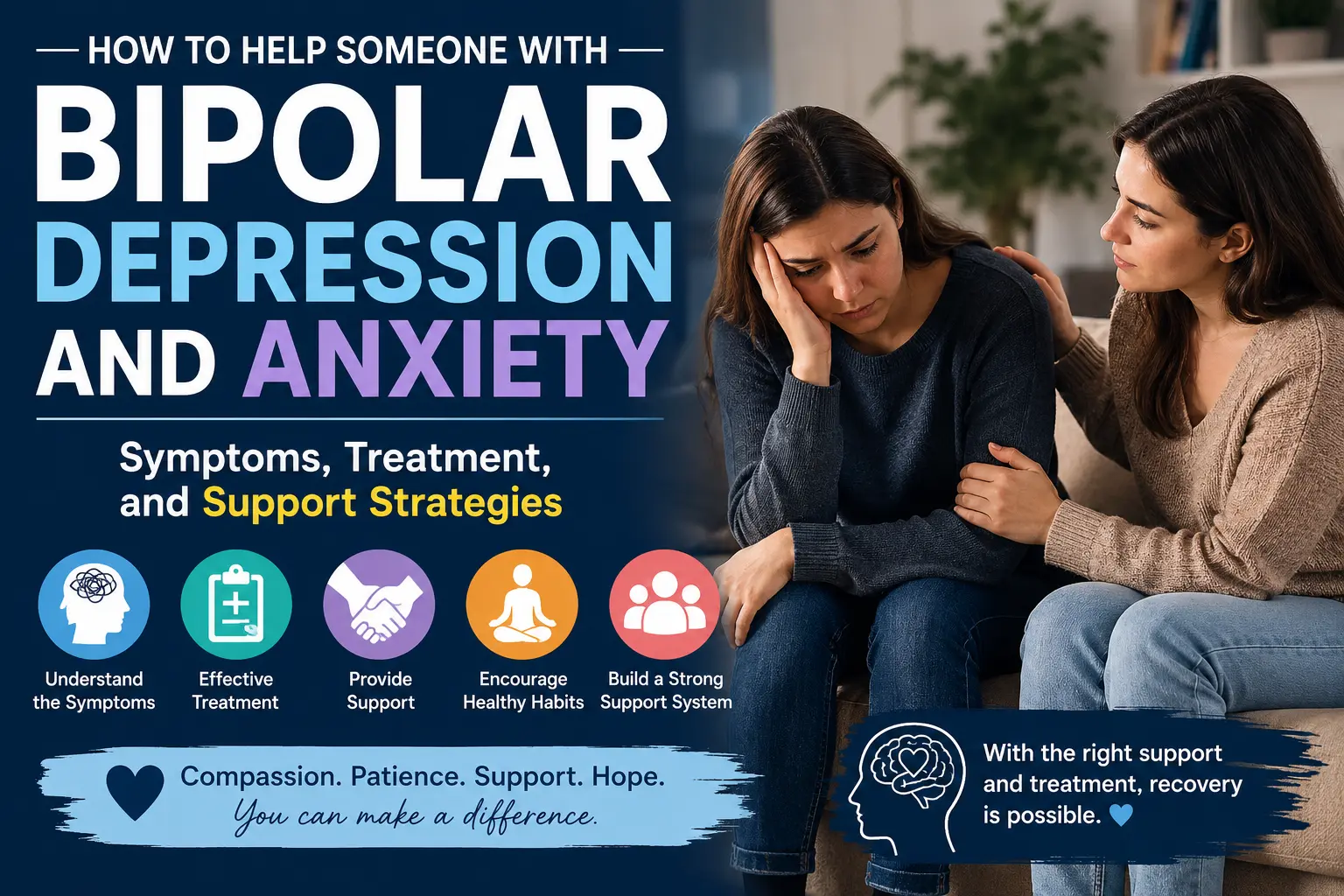 Watching someone you care about struggle with bipolar depression and anxiety can be heartbreaking. You may notice that they withdraw…
 In my practice as a clinical psychologist, I often observe that the difference between a patient who crumbles under pressure…
 We all have "up" days and "down" days. Perhaps you feel energized after a promotion or sluggish on a rainy…
 To define bipolar disorder accurately, we must look at it as a chronic mood dysregulation condition. In psychology and medicine,…
Are you looking for a Therapist?
Connect with qualified mental health professionals who understand
bipolar disorder, mood changes, and emotional challenges.
Private • Supportive • Confidential