
Complex Post-Traumatic Stress Disorder (C-PTSD): Symptoms, Causes, Diagnosis & Treatment

In my practice, I often observe patients who carry a profound sense of “brokenness” that they cannot quite pin to a single event. They might describe a lifelong struggle with explosive emotions, a deep-seated belief that they are fundamentally flawed, or a recurring pattern of volatile relationships. While they often recognize that their childhood or past was “difficult,” they frequently feel that the standard diagnosis of PTSD doesn’t quite capture the totality of their experience.
This is where the framework of Complex Post-Traumatic Stress Disorder (C-PTSD) becomes a vital clinical tool. Unlike standard PTSD, which often stems from a discrete, time-limited event—like a car accident or a natural disaster—C-PTSD is the psychological “blueprint” left behind by prolonged, repeated trauma.
It is the result of living in a state of captivity, whether that captivity is physical, emotional, or situational. Understanding this condition is not just about labeling symptoms; it is about recognizing the heroic, yet taxing, ways the human brain adapts to survive the unsurvivable.
What Is Complex Post-Traumatic Stress Disorder?
Complex Post-Traumatic Stress Disorder (C-PTSD) is a trauma-related condition that develops after prolonged or repeated exposure to interpersonal trauma, often occurring in contexts where escape is difficult or impossible.
While the term complex trauma disorder or chronic post traumatic stress disorder is sometimes used interchangeably in lay circles, C-PTSD is the specific clinical designation that acknowledges the systemic impact of long-term trauma on a person’s entire personality structure.
The complex post-traumatic stress disorder definition extends beyond the fear-based symptoms we associate with a single shock. It encompasses a fundamental shift in how a person regulates their internal world and how they perceive their value in the external world. In my practice, I describe it as a “disorder of the self.” It is what happens when the “emergency response system” of the brain is forced to stay active for years, eventually altering the developmental trajectory of the individual’s Executive Function and emotional baseline.
How Is C-PTSD Different from PTSD?
One of the most frequent questions I encounter is: What is the difference between PTSD and complex PTSD? To understand this, we must look at the “symptom architecture.” Standard PTSD is defined by three core clusters: re-experiencing (flashbacks/nightmares), avoidance, and hyperarousal.
C-PTSD includes these three clusters but adds a secondary “tier” of symptoms known as Disturbances in Self-Organization (DSO). This is why complex post-traumatic stress disorder (cptsd) is often much more pervasive. It doesn’t just change what you remember; it changes who you are.
| Feature | PTSD | Complex PTSD (C-PTSD) |
| Type of Trauma | Often a single, discrete event. | Prolonged, repeated, interpersonal. |
| Core Symptoms | Flashbacks, Avoidance, Startle Response. | All PTSD symptoms + DSO symptoms. |
| Self-Concept | Usually remains intact, though shaken. | Persistent sense of worthlessness/shame. |
| Emotional Life | Periodic spikes of fear or anxiety. | Chronic emotional dysregulation/numbness. |
| Relationships | May be strained by symptoms. | Fundamental difficulty trusting/connecting. |
ICD-10, ICD-11 & DSM-5 Classification
The diagnostic landscape for C-PTSD has historically been a point of contention among major psychiatric bodies. For many years, clinicians relied on complex post traumatic stress disorder icd 10 codes which were non-specific, or the complex post traumatic stress disorder dsm 5 (published by the American Psychiatric Association), which notably excludes C-PTSD as a distinct diagnosis.
However, a major shift occurred with the release of the complex post traumatic stress disorder icd 11. The World Health Organization formally recognized C-PTSD as a separate entity from PTSD. This was a landmark moment for E-E-A-T (Expertise, Authoritativeness, and Trustworthiness) in trauma therapy, as it validated the lived experience of millions.
While many U.S.-based clinicians still use the DSM-5 and may diagnose “PTSD with dissociative features” or “Other Specified Trauma-Related Disorder,” the global move toward the ICD-11 framework has significantly improved the precision of complex post-traumatic stress disorder treatment.
What Causes Complex PTSD?
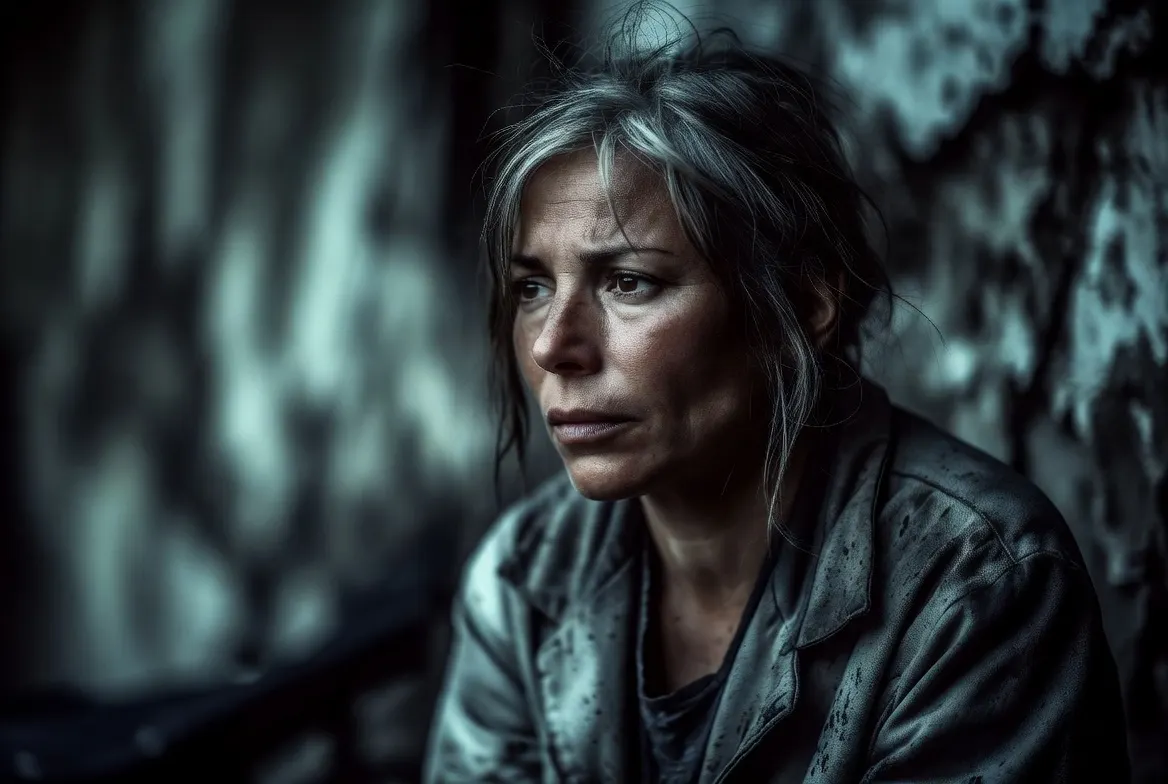
The complex post-traumatic stress disorder almost always involves a betrayal of trust within a relationship of unequal power. Clinically, C-PTSD emerges when trauma occurs in environments where escape is impossible, and the perpetrator is often a caregiver, authority figure, or partner.
In my practice, I see several recurring themes:
- Childhood Abuse and Neglect: Physical, sexual, or emotional maltreatment by a primary caregiver.
- Domestic Captivity: Long-term domestic violence or coercive control.
- Human Trafficking and Exploitation: Prolonged situations of forced labor or sexual slavery.
- War and Displacement: Living in a war zone or refugee camp with no foreseeable end to the danger.
The “Why” behind the biology here is rooted in the Neuroplasticity of a developing brain. If a child grows up in an environment where the person they should turn to for safety is also the source of fear, the brain undergoes a “survival pruning.” It prioritizes the amygdala (fear center) over the prefrontal cortex (logical center). This creates a nervous system that is highly efficient at detecting threats but struggles to feel safe even decades after the threat has passed.
Complex PTSD Symptoms (In Depth)
When we discuss complex post-traumatic stress disorder symptoms, we are looking at a spectrum of experience. The symptoms of complex ptsd are often grouped into the “Core 3” (shared with PTSD) and the “DSO 3” (unique to C-PTSD).
The Core PTSD Clusters
- Re-experiencing: This isn’t just “remembering.” It is a sensory intrusion where the body feels it is happening now.
- Avoidance: A frantic effort to stay away from thoughts, people, or places that trigger the memory.
- Hypervigilance: A constant state of “scanning” for danger, often accompanied by an exaggerated startle response.
The Disturbances in Self-Organization (DSO)
- Affect Dysregulation: This is a hallmark of C-PTSD. Patients often experience “emotional storms”—intense anger, suicidal ideation, or profound numbness—that they cannot easily soothe.
- Negative Self-Concept: This goes deeper than low self-esteem. It is a persistent belief that one is “damaged goods,” “evil,” or fundamentally different from other humans.
- Interpersonal Difficulties: Because the original trauma was relational, future relationships feel inherently dangerous. Patients may oscillate between intense clinging and total withdrawal.
One nuance I’ve observed in my practicing years is the devastating impact of poor sleep hygiene on C-PTSD “flooding.” When a patient’s Circadian Rhythms are disrupted, the brain’s ability to “gate” traumatic memories fails.
A sleep-deprived brain has almost no capacity for Executive Function, meaning a minor trigger can lead to a total emotional collapse. I often tell my patients that we cannot do the “heavy lifting” of trauma processing until we stabilize their sleep. Sleep isn’t just rest; for a trauma survivor, it is the biological prerequisite for emotional safety.
What Happens When Complex PTSD Is Triggered?
What happens when complex PTSD is triggered? Unlike a standard panic attack, a C-PTSD trigger often results in an “emotional flashback.” You may not see a visual image of the trauma, but you feel the same shame, terror, or helplessness you felt as a child.
This state often leads to emotional flooding, where the prefrontal cortex effectively shuts down. The individual may “freeze” (dissociate/check out), “fawn” (try to please the person they perceive as a threat), or “fight.” These responses were life-saving during the original trauma, but they are often socially and professionally damaging in adulthood.
I recall a patient, “Elena” (anonymized), who was a high-level executive. If her boss raised an eyebrow in a meeting, she didn’t just feel nervous; she felt the literal physical sensation of being five years old and hiding under a bed. She would “freeze” during presentations, her mind going completely blank. We had to work on “grounding” her in the present—reminding her body that it was no longer 1992 and she was no longer trapped.
Is Complex PTSD Curable?
Is the question of complex PTSD curable? is one I approach with both clinical honesty and deep optimism. In medicine, “curable” often implies that a condition can be completely eradicated, leaving no trace. In the world of trauma, we prefer the term “functional recovery.”
While we cannot erase the past or the fact that the trauma occurred, we can absolutely change how the brain responds to those memories.
Through the power of Neuroplasticity, the brain can build new, healthy neural pathways that override the old “survival” circuits. Many people with C-PTSD reach a point where they no longer meet the diagnostic criteria.
They still have a history, but that history no longer dictates their physiological state or their self-worth. In my practice, I have seen patients move from total isolation and chronic “flooding” to living vibrant, connected, and emotionally stable lives.
Complex PTSD Treatment (Evidence-Based)
The complex post-traumatic stress disorder treatment landscape has evolved significantly. We now know that C-PTSD requires a “phased” approach.
Jumping straight into trauma processing (like reliving the memories) before a patient has the tools to regulate their nervous system is often the worst thing to do to someone with complex PTSD, as it can lead to re-traumatization.
The Three-Phase Model of Recovery
- Safety and Stabilization: Learning to manage “emotional storms,” improving Executive Function, and establishing physical safety.
- Trauma Processing: Using specific modalities to desensitize the traumatic memories and “digest” the frozen emotions.
- Integration and Connection: Moving back into the world, building healthy relationships, and developing a new, post-traumatic identity.
Commonly Used Modalities
| Modality | Focus |
| Trauma-Focused CBT | Identifying and changing the “trauma-driven” thought patterns. |
| EMDR | Using bilateral stimulation to help the brain process “stuck” memories. |
| Schema Therapy | Addressing the deep-seated “blueprints” of worthlessness and mistrust. |
| IFS (Internal Family Systems) | Working with the different “parts” of the self that developed to survive. |
| Somatic Experiencing | Releasing the “trauma energy” trapped in the body’s nervous system. |
Research published in The Lancet and other leading journals continues to support these phased approaches as the gold standard for long-term recovery.
Complex PTSD Test & Screening
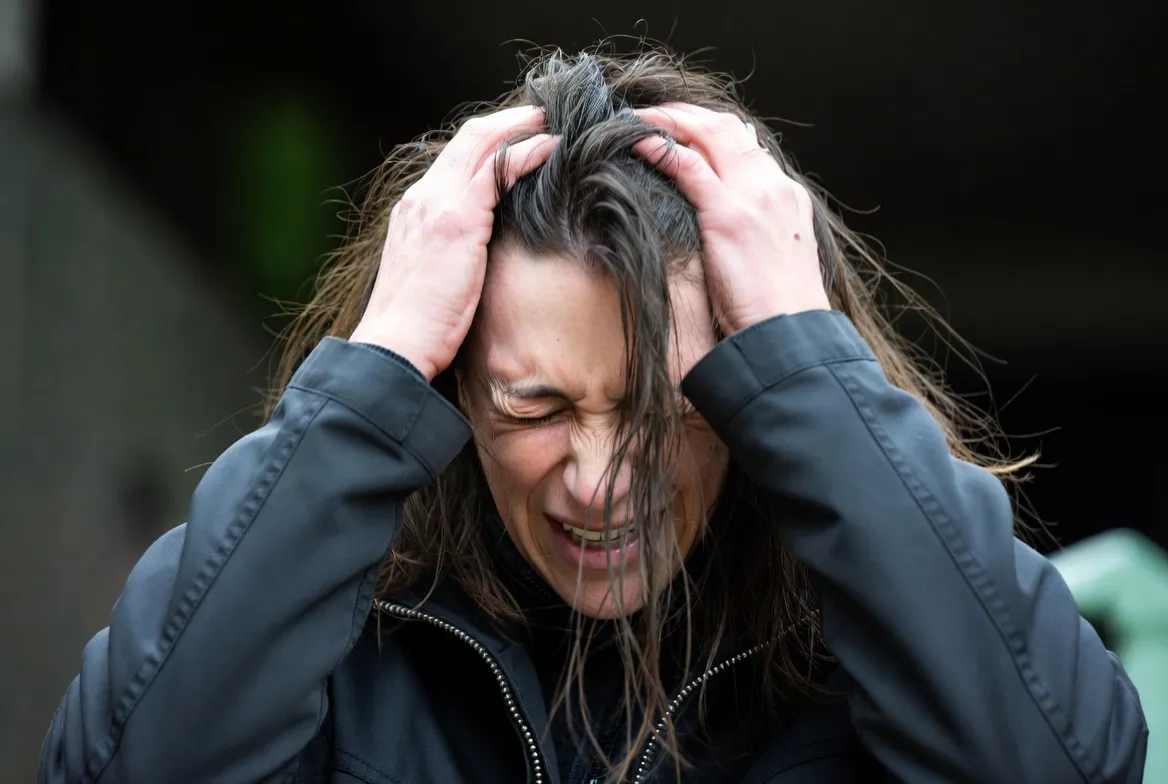
If you are looking for a complex post traumatic stress disorder test, it is important to know that while online screenings exist, they are not diagnostic tools. The most widely used professional tool is the International Trauma Questionnaire (ITQ), which specifically aligns with the ICD-11 criteria.
A professional assessment involves a deep dive into your history and symptom clusters. Because C-PTSD can “mimic” other conditions—such as Bipolar Disorder or Borderline Personality Disorder—it is crucial to see a clinician who is specifically trained in complex trauma disorder. Misdiagnosis can lead to treatments that don’t address the underlying trauma, which can be frustrating and counterproductive for the patient.
Complex PTSD Life Expectancy and Long-term Health
There is often concern regarding the complex PTSD life expectancy. It is important to clarify: C-PTSD itself is not a terminal illness and does not directly shorten life. However, living in a state of chronic “high alert” (toxic stress) can take a toll on the physical body.
Untreated, chronic stress can increase the risk of cardiovascular issues, autoimmune disorders, and chronic pain. This is why complex post-traumatic stress disorder treatments must be holistic.
We aren’t just treating the “mind”; we are treating a nervous system that has been running on “overdrive” for years. When a patient recovers emotionally, their physical health markers often improve significantly as their cortisol levels finally stabilize.
Frequently Asked Questions
Is C-PTSD the same as Borderline Personality Disorder (BPD)?
No, though they share symptoms like emotional dysregulation. The core of C-PTSD is a negative self-concept and trauma-driven fear, whereas BPD often centers on a fear of abandonment and unstable identity. Many people have both, but they are distinct conditions.
Can I have C-PTSD even if I wasn’t physically hit?
Absolutely. Chronic emotional abuse, neglect, and “gaslighting” are forms of prolonged interpersonal trauma that frequently lead to C-PTSD. The brain responds to the threat and the entrapment, not just physical contact.
Why did my symptoms get worse as an adult?
This is common. Often, while we are “in” the trauma, our brain is in survival mode. Once we reach “safety” in adulthood, the brain finally feels it is “safe enough” to let the buried emotions and memories surface for processing.
Is medication helpful for C-PTSD?
Medication can be an excellent “stabilizer” for symptoms like insomnia or extreme anxiety, but it does not “cure” the trauma. It is best used as a tool to help you stay regulated enough to engage in the real work of therapy.
What is the “Fawn” response in C-PTSD?
Fawning is a survival strategy where the survivor tries to please or appease a threat to avoid conflict. In adulthood, this often manifests as “people-pleasing” at the expense of one’s own needs and safety.
Conclusion
Learning about complex post-traumatic stress disorder can be triggering in itself. If you recognize yourself in these descriptions, please know that you are not “broken”—you are a person who has survived an extraordinary amount of stress.
If you are feeling overwhelmed, the first step is always stabilization. You do not need to dive into your past today. Your only job right now is to find a sense of safety in the present. If you are in crisis, please contact a local trauma-informed professional or a crisis hotline.
References:
Related Posts





Subscribe to Our Newsletter
Get mental health tips, updates, and resources delivered to your inbox.
MORE from Author
Read More In my practice as a clinical psychologist, I often observe that the difference between a patient who crumbles under pressure…
- We all have "up" days and "down" days. Perhaps you feel energized after a promotion or sluggish on a rainy…


 To define bipolar disorder accurately, we must look at it as a chronic mood dysregulation condition. In psychology and medicine,…
 To answer whether bipolar fits the bill, we first have to define what a neurodivergent person actually is. The term…
Are you looking for a Therapist?
Connect with qualified mental health professionals who understand
bipolar disorder, mood changes, and emotional challenges.
Private • Supportive • Confidential