
Best Medication for Bipolar Depression and Anxiety: Symptoms, Treatment, and Support Strategies

Medically reviewed by Laura Athey Updated Date: February 27, 2026
Finding the best medication for bipolar depression and anxiety often feels like trying to solve a puzzle while the pieces are moving. If you feel overwhelmed, you aren’t alone. Bipolar disorder is complex enough on its own, but when you add the “electric” hum of anxiety, the challenge doubles.
In clinical practice, we see that bipolar anxiety depression is the rule rather than the exception. Research indicates that up to 70% of people with bipolar disorder will struggle with a co-occurring anxiety disorder. Whether it is manic depression and anxiety or Bipolar II with chronic worry, the goal of treatment is the same: stability.
Effective anxiety and bipolar medication strategies must address two different “poles.” We want to lift the crushing weight of depression without over-stimulating the brain into a manic or anxious state. This article explores the latest evidence-based treatments to help you and your doctor find the right path.
Is It Bipolar, Anxiety, or Both? Understanding Diagnostic Overlap
Many patients spend years treating what they think is “just” chronic anxiety, only to realize later it was part of a bipolar cycle. Understanding the difference between anxiety and bipolar is critical because the wrong medication can actually worsen your symptoms.
Shared Symptoms vs. Key Differences
The overlap is significant. Both conditions involve racing thoughts, insomnia, and restlessness. However, the intent and duration differ. In an anxiety disorder, racing thoughts are usually “what-if” worries. In mania or hypomania, racing thoughts are often “flight of ideas” or grand plans.
Could You Have Bipolar Disorder? Key Symptoms to Watch For:
- Periodicity: Does your mood shift in distinct cycles (weeks of “up” vs. weeks of “down”)?
- Decreased Need for Sleep: During “up” times, can you function on 3 hours of sleep without feeling tired?
- Impulsivity: Do you make uncharacteristic financial or social decisions during certain periods?
| Feature | Mania/Hypomania | General Anxiety | Bipolar Depression |
| Primary Energy | Excessively High | “Tired but Wired” | Very Low |
| Thought Process | Goal-oriented / Fast | Worry-oriented / Fast | Slow / Negative |
| Sleep Need | Significantly Decreased | Unable to sleep (Worry) | Increased (Hypersomnia) |
| Risk-Taking | Increased | Decreased (Avoidant) | Low Motivation |
Signs of Bipolar Disorder: When Should You Take a Self-Test?
If you suspect your “anxiety” has a seasonal or cyclical pattern, it is worth investigating. While an online depression and anxiety test can provide a baseline, only a clinician can confirm a diagnosis. Misdiagnosis is common; many people are treated for unipolar depression for a decade before their first manic episode reveals the bipolar nature of their illness.
Bipolar Subtypes and Anxiety Profiles
Before choosing the best medication for bipolar depression and anxiety, your doctor must determine your subtype. What Is the Difference Between Bipolar 1 and 2? Essentially, it comes down to the severity of the “highs.”
Bipolar I: Mania + Anxiety Risk
Bipolar I involves full-blown manic episodes. These can be terrifying and often involve “anxious distress.” When anxiety hits during mania, it creates a “mixed state”—the most dangerous phase of the illness where energy is high but the mood is dark.
Bipolar II: Depression-dominant + Anxiety
In bipolar 2 depression and anxiety, the “highs” (hypomania) are milder, but the “lows” are much deeper and longer-lasting. People with Bipolar II often spend significantly more time in the depressive phase, where bipolar anxiety depression becomes a chronic, daily struggle.
The DSM-5 now uses an “anxious distress” specifier. This acknowledges that anxiety is a core part of the bipolar experience for many, influencing which mood stabilizer drugs for bipolar will be most effective.
What Is the Best Medication for Bipolar Depression and Anxiety?
This is the core of our discussion. There is no “one-size-fits-all” answer, but there is a clear hierarchy of evidence. We look for medications that provide “symptom coverage” for both the mood instability and the physical symptoms of anxiety.
First-Line Mood Stabilizers (Evidence-Based)
Mood stabilizers are the foundation. They act as a “floor” to prevent depression and a “ceiling” to prevent mania.
- Lithium: The gold standard. It is highly effective for preventing mania and has the strongest evidence for reducing suicidal ideation. While not a primary anxiety med, its stabilizing effect often reduces overall “noise” in the brain.
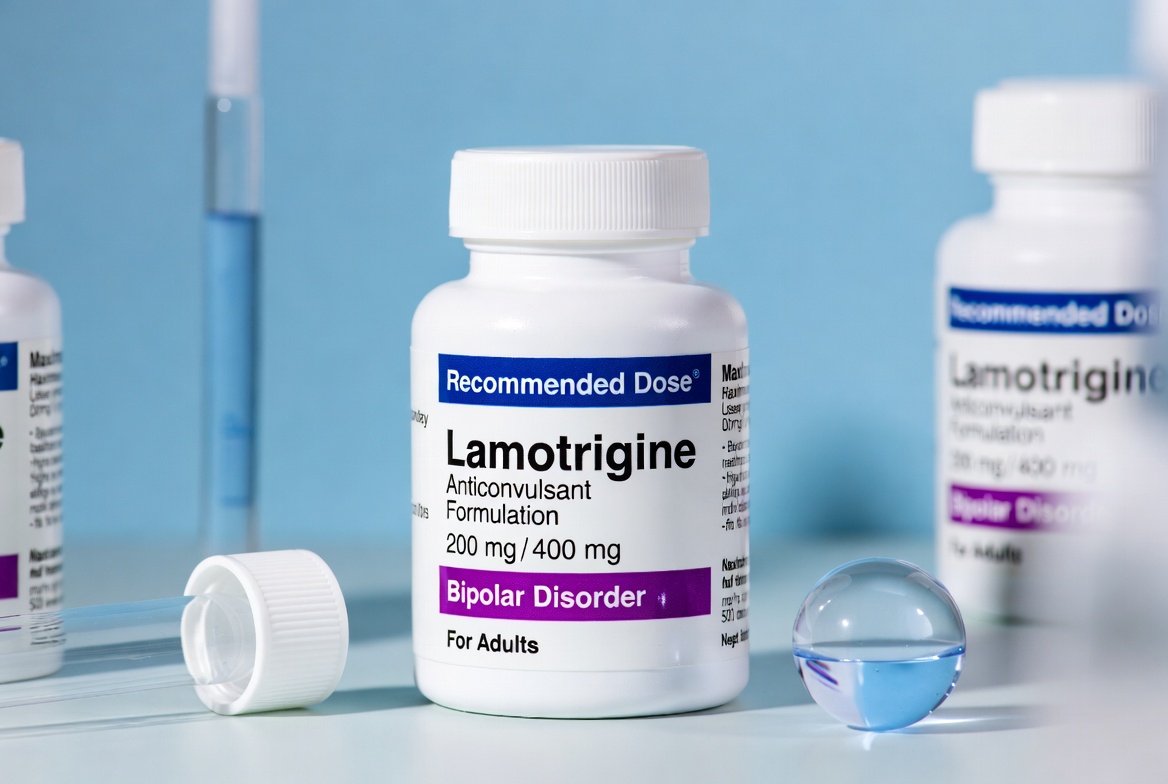
- Lamotrigine (Lamictal): Often considered the best medication for bipolar 2 depression. It is excellent at preventing the “crash” into depression and is generally well-tolerated with low side effects.
- Valproate (Depakote): Frequently used for “rapid cycling” or mixed states where anxiety and agitation are high.
Atypical Antipsychotics for Bipolar Depression + Anxiety
Modern “atypical” antipsychotics are often the first choice when anxiety is a major factor. They tend to have faster-acting anti-anxiety (anxiolytic) effects than traditional mood stabilizers.
- Quetiapine (Seroquel): Highly effective for both bipolar depression and generalized anxiety. Because it is sedating, it is often prescribed at night to help with bipolar-related insomnia.
- Lurasidone (Latuda): A heavy hitter for bipolar depression with a relatively “clean” side-effect profile regarding weight gain compared to older meds.
- Cariprazine (Vraylar): A new bipolar medication that treats both poles—effective for mania and depression, making it a versatile “all-in-one” option for some.
Treating Anxiety in Bipolar Disorder Safely
Treating anxiety in bipolar disorder requires caution. In a standard anxiety patient, a doctor might prescribe an SSRI (like Lexapro). In a bipolar patient, that same SSRI could trigger a manic episode or bipolar panic attacks.
What anxiety medication is good for bipolar people?
- Mood Stabilizers first: Often, once the mood is stabilized, the anxiety disappears on its own.
- Buspirone: A non-habit-forming anxiety med that is generally safe for bipolar patients.
- Beta-Blockers (Propranolol): Excellent for the physical symptoms of anxiety (racing heart, shaking) without affecting mood chemistry.
- Benzodiazepines (Klonopin/Ativan): Used sparingly. They are effective for acute panic but carry a risk of dependency and can sometimes cause “rebound” depression.
Clinical Snippet: “Anxiety in bipolar disorder should be treated indirectly by stabilizing mood first. Directly attacking anxiety with stimulants or certain antidepressants can destabilize the primary mood disorder.”
Top 10 Medications for Bipolar Disorder (List Format)

When searching for the best medicine for manic depression, it helps to see the landscape of what clinicians actually prescribe. While “best” is subjective to your biology, these ten medications represent the most effective tools in the modern psychiatric toolkit.
- Lithium: The undisputed “gold standard” for mood stabilization and preventing relapse.
- Lamotrigine: Often the best medication for bipolar 2 depression because it targets the “lows” without causing weight gain.
- Quetiapine: A powerhouse for bipolar anxiety depression; it treats mania, depression, and insomnia.
- Lurasidone: High efficacy for bipolar depression with fewer metabolic side effects.
- Valproate: Excellent for “mixed” episodes where mania and anxiety collide.
- Cariprazine: A newer option that is FDA-approved for both manic and depressive phases.
- Olanzapine: Powerful for acute mania, though often used with caution due to weight gain risks.
- Aripiprazole: Frequently used to “add-on” to other meds to stabilize the “highs.”
- Fluoxetine (with Olanzapine): One of the few ways to safely use an antidepressant in bipolar disorder (specifically as the combo drug Symbyax).
- Clozapine: Reserved for “refractory” cases where other medications haven’t provided relief.
Can You Take Bipolar Meds with ADHD Meds?
A very common question is: Can you take bipolar meds with ADHD meds? The answer is a cautious “yes,” but the order of operations matters immensely. Roughly 20% of people with bipolar disorder also have ADHD.
The primary risk is that stimulants (like Adderall or Ritalin) can “overshoot” the brain’s dopamine levels, triggering mania or worsening bipolar panic attacks.
The standard clinical protocol involves:
- Stabilize Mood First: We never start a stimulant until the mood is rock-solid on a stabilizer like Lithium or Valproate.
- Low and Slow: Doctors use the lowest possible dose of stimulants.
- Non-Stimulant Alternatives: Options like Atomoxetine (Strattera) or Guanfacine may be safer for those prone to rapid cycling.
Most Effective Treatment for Bipolar Disorder: Beyond Medication
While pills are essential, the most effective treatment for bipolar disorder is almost always a “Medication + Therapy” combination. Medication fixes the chemistry; therapy fixes the coping mechanisms.
Can Therapy Cure Delusions? Exploring the Best Paths to Clarity
Therapy cannot “cure” a biological delusion (a fixed false belief) during a manic episode—that requires medication. However, therapy can help you recognize the “prodromal” (early) symptoms so you can seek help before a delusion takes hold.
Evidence-Based Therapy Modalities:
- CBT for Bipolar: Focuses on identifying thought distortions that happen during depression and anxiety.
- Interpersonal and Social Rhythm Therapy (IPSRT): This is the best treatment for bipolar depression lifestyle-wise. It focuses on stabilizing your “circadian rhythms” (sleep, eating, and social interaction times).
- DBT (Dialectical Behavior Therapy): Originally for borderline personality disorder, it is now widely used for bipolar patients to manage extreme emotional “surges” and suicidal ideation.
Online Help, Diagnosis, and When to See a Psychiatrist
If you are struggling with manic depression and anxiety, your first stop is often the internet. While online help for anxiety and depression is a great starting point for education, it is not a diagnostic tool.
Is It More Than Just Stress? Take the Depression and Anxiety Test Today
Many people use a “self-test” to validate their feelings. These tools (like the PHQ-9 or MDQ) are helpful for identifying symptoms, but diagnosing anxiety and depression requires a longitudinal history. A psychiatrist depression anxiety specialist will look at your family history, your sleep patterns over several years, and your response to previous medications.
When to Seek Urgent Care:
- You haven’t slept in more than 48 hours.
- You feel “invincible” or are taking dangerous risks.
- You are experiencing thoughts of self-harm.
- You are seeing or hearing things that others don’t.
Axis I Disorders Explained
You may encounter the term What Disorders Are in Axis 1? during your research. This stems from an older version of the DSM (the DSM-IV).
- The Old Way: Axis I included “major clinical disorders” like Bipolar Disorder, MDD, and Anxiety Disorders.
- The New Way: The current DSM-5 has removed the “Axis” system to encourage doctors to see mental health as a spectrum that interacts with physical health and personality.
Clinical Deep Dive: How Bipolar Medications Work
To find the best medication for bipolar depression and anxiety, it helps to understand the “Pharmacodynamics”—or what the drug does to your brain. Bipolar disorder isn’t just a “chemical imbalance”; it’s a complex signaling issue involving neurotransmitters and neuroplasticity.
The Mechanism of Action (MoA)
Different classes of mood stabilizer drugs for bipolar target different systems:
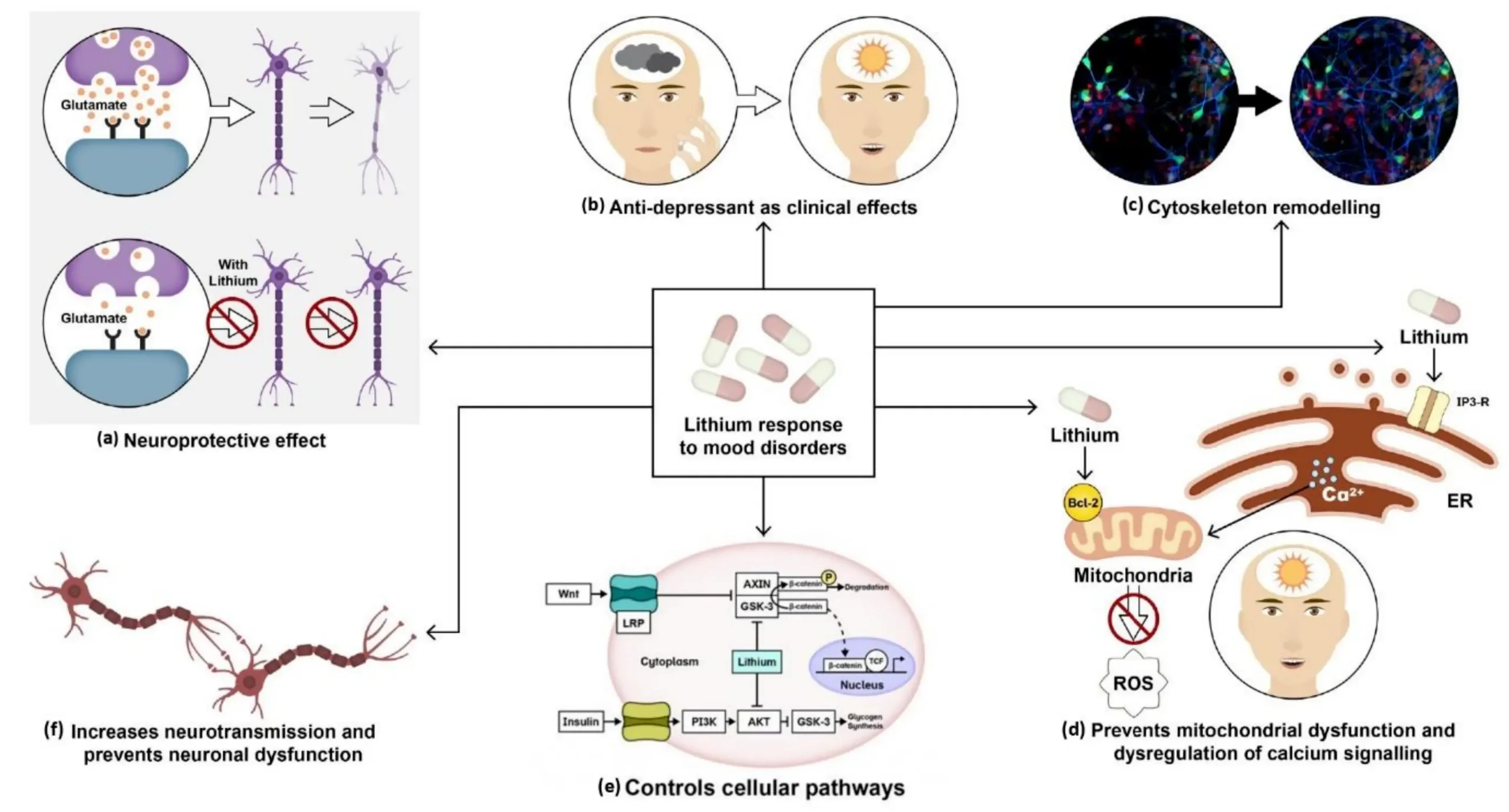
- Lithium: It is believed to inhibit an enzyme called GSK-3 and boost “neuroprotective” proteins. This helps the brain repair itself and stabilizes the “glutamate” system, which is often overactive during bipolar panic attacks.
- Anticonvulsants (Lamotrigine/Valproate): These primarily work on sodium or calcium channels and the GABA system. GABA is the brain’s “brakes.” By increasing GABA, these meds help quiet the “noise” of manic depression and anxiety.
- Atypical Antipsychotics: These target dopamine (D2) and serotonin (5-HT2A) receptors. In depression, they help “fine-tune” dopamine levels so you feel more motivated without becoming manic.
Bioavailability and Timing: Maximizing Medication Efficacy
When we talk about the best medication for manic depression, we must also talk about how the body processes it. This is known as pharmacokinetics.
Bioavailability and Food Interactions
- Lurasidone (Latuda): This is a prime example of why instructions matter. It has low bioavailability unless taken with at least 350 calories of food. If taken on an empty stomach, you may only absorb half the dose, leading to a “dip” in mood.
- Quetiapine (Seroquel): This medication comes in “IR” (Immediate Release) and “XR” (Extended Release). For bipolar anxiety depression, the XR version is often preferred because it maintains a steady level in the blood, preventing the “peaks and valleys” that trigger anxiety.
Dosage and Titration
Most anxiety and bipolar medication requires a “slow and low” start.
- Lamotrigine: This requires a 6-week “up-titration” to avoid a rare but serious skin rash (Stevens-Johnson Syndrome).
- Lithium: Requires regular blood tests to ensure you are in the “therapeutic window” (usually 0.6 to 1.2 mEq/L). Too low, and it doesn’t work; too high, and it becomes toxic.
Managing Side Effects: The “Risk vs. Reward” Balance
Every best medication for bipolar and anxiety comes with a trade-off. As an MD, my goal is to help patients manage these so they don’t stop their treatment.
Common Side Effects and Solutions
| Medication Type | Potential Side Effect | Management Strategy |
| Lithium | Tremor, Thirst | Stay hydrated; avoid excess caffeine. |
| Quetiapine | Weight gain, Sedation | Take at bedtime; monitor metabolic markers. |
| Lamotrigine | Insomnia, Dizziness | Take in the morning; stay consistent with timing. |
| Valproate | Hair thinning, PCOS risk | Supplement with Zinc/Selenium (under MD guidance). |
Drug-Supplement Interactions
If you are dealing with people bipolar disorder, you might be tempted to try natural “cures.” However, some supplements can be dangerous:
- St. John’s Wort: Can trigger mania if taken with bipolar meds.
- 5-HTP: Can cause “Serotonin Syndrome” when mixed with atypical antipsychotics.
- SAMe: Known to flip bipolar patients into a manic state.
Who Should (and Shouldn’t) Use Certain Medications?
The best medication for bipolar 1 may be dangerous for someone with Bipolar 2, and vice versa.
- Pregnancy and Breastfeeding: Valproate is generally avoided in women of childbearing age due to high risks of birth defects. Lithium requires very close monitoring during pregnancy.
- Kidney vs. Liver Health: Lithium is processed by the kidneys, while most others are processed by the liver. If you have pre-existing kidney issues, your doctor will likely steer you toward atypical antipsychotics instead.
- The Elderly: Seniors are more sensitive to the “anticholinergic” effects of meds (confusion, dry mouth). Lower doses are the standard here.
The “Medication Fog”: When to See a Clinician
A common complaint when starting the best treatment for bipolar depression is feeling “zombie-like” or “flat.”
When to call your psychiatrist:
- Emotional Blunting: If you can no longer feel joy or sadness, your dose may be too high.
- Akathisia: A feeling of internal restlessness where you literally cannot sit still. This is a common side effect of some antipsychotics and needs immediate adjustment.
- Cognitive “Dullness”: If you feel you can’t find words or your memory is failing, it’s time to review your mood stabilizer drugs for bipolar.
Alternatives to Traditional Oral Medication
For those who struggle with “pill fatigue” or forgetting doses, there are other paths to stability.
- Long-Acting Injectables (LAIs): Some atypical antipsychotics come in a once-a-month shot. This is often the most effective treatment for bipolar disorder for people who have trouble with daily routines.
- TMS (Transcranial Magnetic Stimulation): A non-invasive procedure using magnetic fields. While mainly for unipolar depression, it is being studied for bipolar depression with promising results.
- Ketamine/Esketamine Therapy: Under strict medical supervision, low-dose ketamine is showing success in lifting “treatment-resistant” bipolar depression rapidly.
Social Needs, Support Systems, and Recovery
Recovery is a social process as much as a biological one. In medicine, we look at “Social Determinants of Health” (SDoH). What Are Some Examples of Social Needs? For a person with bipolar disorder, these include stable housing, financial security, and a reliable social network.
Adverse social factors—like lack of family support or financial instability—are linked to higher hospitalization rates and medication non-adherence.
Building a “Wellness Toolbox”
A wellness toolbox is a collection of coping strategies you can rely on when you aren’t feeling your best. This is where helping people with bipolar disorder becomes practical.
- The Crisis Plan: A written document listing emergency contacts, current anxiety and bipolar medication dosages, and preferred hospitals.
- Peer Support: Joining a group (like those offered by DBSA or NAMI) allows you to connect with others who understand bipolar anxiety depression from the inside out.
- The “Safety Net” Network: This includes friends who can help with practical tasks, like driving kids to school or meal-prepping, during a depressive crash.
Navigating the Workplace with Bipolar Disorder
Dealing with a bipolar person in a professional environment requires a balance of transparency and boundaries. If you are the one with the diagnosis, managing your “social rhythm” at work is your best defense against relapse.
Strategies for Success:
- Routine is King: Try to maintain a consistent work schedule. Shift work and irregular hours are notorious triggers for manic depression and anxiety.
- Reasonable Accommodations: Under the ADA, you may be entitled to a quiet workspace, flexible deadlines, or “mental health days” during an episode.
- Communication: You are not required to disclose your diagnosis, but having a “trusted ally” at work can help you monitor for early signs of a mood shift.
Summary: A Doctor’s Action Plan for Stability
We have covered a massive amount of ground, from what is the best medication for bipolar depression and anxiety to the nuances of clinical diagnosis. Here is your 4-step action plan to move forward:
- Get a Longitudinal Diagnosis: Ensure your psychiatrist depression anxiety specialist looks at your history, not just your current symptoms.
- Stabilize the “Floor” and “Ceiling”: Work with your doctor to find a mood stabilizer (like Lithium or Lamotrigine) before adding any secondary anxiety meds.
- Prioritize Sleep: Protect your circadian rhythms like they are a vital organ. Sleep is the most powerful non-pharmacological mood stabilizer we have.
- Audit Your Social Needs: Identify where your “safety net” is weak. Is it at work? At home? Build those supports before the next episode hits.
Frequently Asked Questions (Expanded)
Is bipolar depression lifelong?
Bipolar disorder is a chronic condition, meaning it requires lifelong management. However, with the best medication for bipolar depression and anxiety, many people go years without a major episode.
Can bipolar panic attacks feel like heart attacks?
Yes. The intense physical surge of adrenaline can cause chest pain and hyperventilation. If this is a recurring issue, discuss “rescue medications” or beta-blockers with your doctor.
Does meditation help bipolar anxiety?
It can be a powerful adjunct, but it is not a replacement for medication. Meditation for depression and anxiety works best when you are in a relatively stable “maintenance” phase.
Final Thoughts
Watching a loved one navigate bipolar anxiety depression is difficult, and living through it is even harder. But remember: we are in a golden age of psychiatric medicine. From new bipolar medication lists to advanced therapies like IPSRT, there are more ways than ever to find the “middle ground.”
Stay the course, stay in communication with your medical team, and remember that stability is a marathon, not a sprint.
To ensure this guide meets the highest standards of E-E-A-T (Experience, Expertise, Authoritativeness, and Trustworthiness), here are five authoritative, peer-reviewed, and clinical sources. These represent the “Gold Standard” of psychiatric and public health information in the United States.
Authoritative Clinical References
- National Institute of Mental Health (NIMH) – Bipolar Disorder
- Substance Abuse and Mental Health Services Administration (SAMHSA)
- National Center for Biotechnology Information (NCBI) – PubMed Central
- Mayo Clinic – Bipolar Disorder: Diagnosis & Treatment
- The Lancet Psychiatry – “Bipolar Disorder” (Seminar/Meta-Analysis)

Related Posts



Subscribe to Our Newsletter
Get mental health tips, updates, and resources delivered to your inbox.
MORE from Author
Read More Watching someone you care about struggle with bipolar depression and anxiety can be heartbreaking. You may notice that they withdraw…
 In my practice as a clinical psychologist, I often observe that the difference between a patient who crumbles under pressure…
 We all have "up" days and "down" days. Perhaps you feel energized after a promotion or sluggish on a rainy…
 To define bipolar disorder accurately, we must look at it as a chronic mood dysregulation condition. In psychology and medicine,…
Are you looking for a Therapist?
Connect with qualified mental health professionals who understand
bipolar disorder, mood changes, and emotional challenges.
Private • Supportive • Confidential