
Hypoarousal: Symptoms, Causes, and How to Get Out of the Shutdown Response

Medically reviewed by Laura Athey Updated Date: April 3, 2026

Do you ever feel completely numb, even when you know you should be reacting to something? Perhaps you feel like you are moving through molasses while the rest of the world speeds by. Many people mistake this heavy, foggy state for simple laziness. However, the reality is often more complex. You might be experiencing hypoarousal, a biological “emergency brake” pulled by your nervous system.
But what is hypoarousal in the context of your daily health? It is a state of decreased physiological activity often triggered by overwhelming stress. Understanding the hypoarousal meaning is the first step toward regaining your energy. This guide will help you bridge the gap between feeling stuck and feeling alive. We will explore how to move from a state of “collapse” back into your natural flow.
Hypoarousal Definition & Meaning
To understand your body, we must first look at the clinical hypoarousal definition. In psychology, this term refers to the lower end of the arousal spectrum. It is the opposite of the “fight or flight” response. The hypoarousal meaning (pronounced hy-po-uh-rou-zuhl) involves a sharp drop in your physical and emotional energy. While hyperarousal feels like an engine revving too high, hypoarousal feels like the engine has stalled.
What Does Hypoarousal Mean in Plain Language?
When you ask, what does hypoarousal mean for your life, think of it as a “disconnection.” Your brain decides that the environment is too stressful to handle. To protect you, it dulls your senses and slows your heart rate. This is not a choice you make. It is a survival strategy. It is very different from a lack of motivation. While a lazy person might choose not to act, a person in a hypoaroused state feels like they physically cannot act.
In my clinical practice, I often see patients who carry immense shame for their “shutdown” states. They feel they are failing at life. I remind them that hypoarousal is actually a brilliant protective mechanism. Your body is trying to save you from a perceived threat by making you “disappear.” The goal of therapy is not to shame the shutdown, but to build a sense of safety that makes the shutdown unnecessary.
What Is Hypoarousal in the Nervous System?
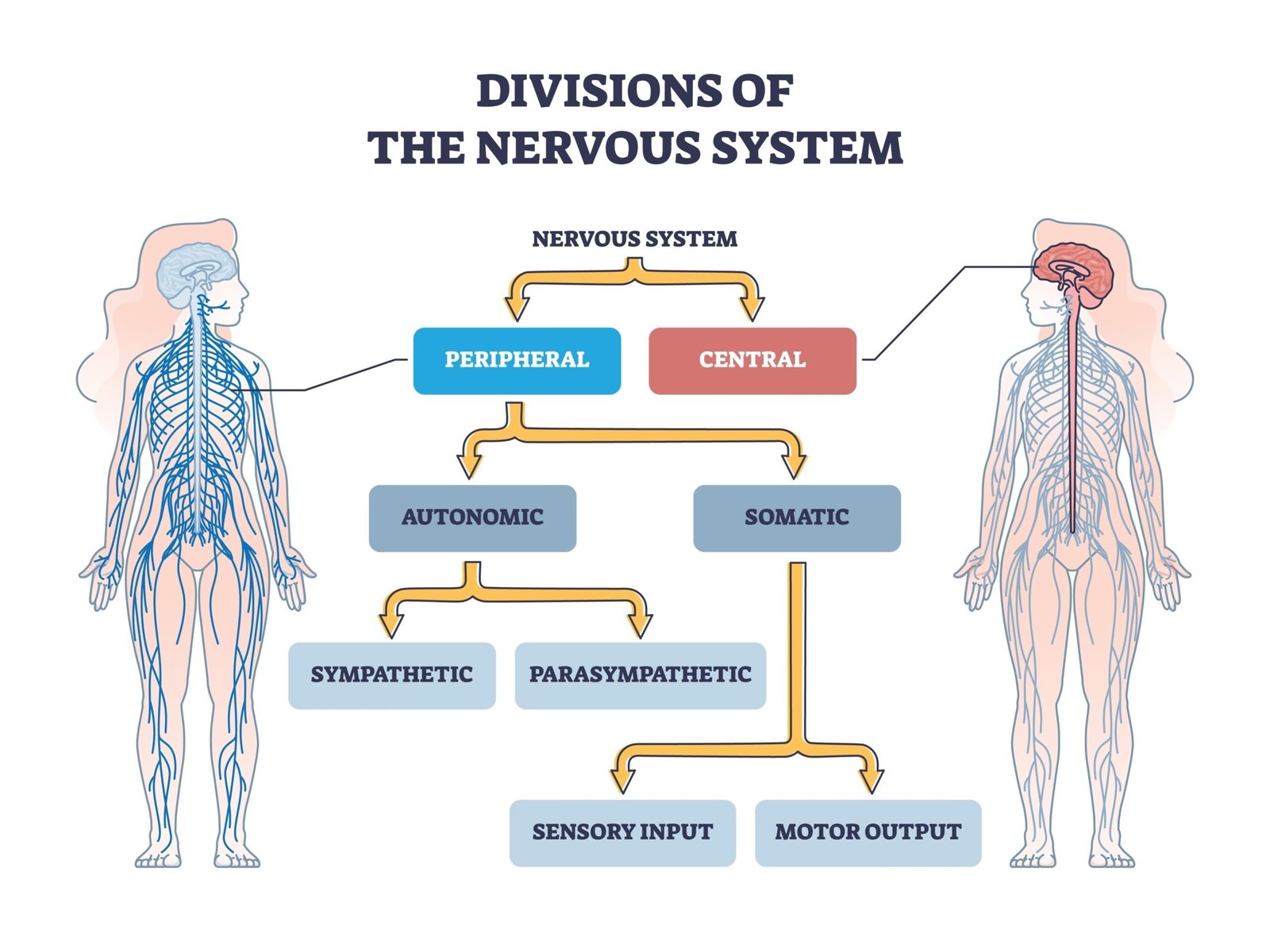
To truly grasp hypoarousal nervous system functions, we must look at the Autonomic Nervous System (ANS). This system manages your involuntary actions. It has two main branches. Most people know the sympathetic branch for stress. However, nervous system hypoarousal is primarily managed by the parasympathetic branch. Specifically, it involves the “Dorsal Vagal” pathway of the vagus nerve.
Is Hypoarousal Sympathetic or Parasympathetic?
So, is hypoarousal sympathetic or parasympathetic? It is a common misconception that all stress is sympathetic. Hypoarousal is a parasympathetic response. It is often called the “freeze” or “faint” response. When the sympathetic system fails to resolve a threat through fighting or running, the dorsal vagal system takes over.
This results in autonomic hypoarousal, where your body conserves energy by shutting down non-essential functions. Your heart rate slows, and your blood pressure drops.
What Does Hypoarousal Feel Like?
If you are currently “stuck,” you might wonder, what does hypoarousal feel like? Most people describe it as a profound sense of emptiness. You may feel like you are watching your life from behind a thick pane of glass. This is known as dissociation. In a hypoarousal state, your emotions feel flat or inaccessible. Even if something good happens, you might struggle to feel joy.
Physical Sensations of Shutdown
What happens if you have hypoarousal physically? Your limbs might feel incredibly heavy, as if you are wearing a lead suit. You may experience significant brain fog, making it hard to form simple sentences. Some people report feeling cold or having a reduced sensitivity to physical pain. This is the body’s way of “numbing out” to survive a situation it perceives as unbearable. It is a biological shield against overwhelm.
Hypoarousal Symptoms
Recognizing hypoarousal symptoms is vital for recovery. These symptoms can be broken down into three main categories: physical, emotional, and cognitive. Because these signs are subtle, they are often missed by traditional medical screenings. However, they are very real to the person experiencing them.
Physical and Emotional Red Flags
Common physical symptoms include low energy, a slowed heart rate, and cold hands or feet. You might find yourself staring into space for long periods. On an emotional level, the primary signs are hopelessness and disconnection. You may feel a deep sense of shame for not being “productive.” These hypoarousal causes a loop where you feel bad for being stuck, which then keeps you stuck even longer.
Cognitive and Task Symptoms
Cognitively, you may struggle with slowed thinking and poor memory. “Task paralysis” is very common here. This happens when you have a list of things to do but feel physically unable to start even one. It is not a matter of willpower. Your brain has essentially “offline” the parts responsible for planning and action. Understanding that these are hypoarousal symptoms can help reduce the self-criticism that often accompanies the state.
| Category | Common Symptoms |
| Physical | Heavy limbs, low heart rate, coldness, shallow breath |
| Emotional | Flatness, numbness, shame, feeling “dead” inside |
| Cognitive | Brain fog, memory gaps, inability to focus, task paralysis |
| Social | Withdrawal, avoiding eye contact, soft or monotone voice |
Hyperarousal vs Hypoarousal
To find balance, you must understand the two extremes of the nervous system. Hyperarousal vs hypoarousal represents the difference between “too much” and “too little.” In a state of hyperarousal and hypoarousal cycling, your body is constantly over-correcting. Imagine a car. Hyperarousal is red-lining the engine until it smokes. Hypoarousal is the engine stalling out in the middle of the road. Both are signs that the “driver”—your nervous system—is struggling to stay in control.
The Window of Tolerance Model
The hyperarousal hypoarousal window of tolerance is a concept developed by Dr. Dan Siegel. It describes the “middle zone” where you can handle emotions effectively. When you are inside this window, you feel grounded and flexible. You can process stress without shutting down or blowing up. However, when a stressor is too great, you get pushed “out.” You either go “up” into the fight-or-flight of hyperarousal, hypoarousal, or “down” into the collapse of the shutdown state.
Emotional and Physical Contrasts
The physical differences in hypoarousal vs hyperarousal are stark. In hyperarousal, your heart races and your muscles tense. In hypoarousal, your heart slows, and your muscles go limp. Emotionally, hyperarousal feels like rage or terror. Conversely, hypoarousal feels like “nothingness” or being “checked out.” Understanding these hypoarousal and hyperarousal contrasts helps you identify which tool to use. You wouldn’t use a calming tea for a shutdown state; you would use something to gently wake the body up.
What Is Hyperarousal?
While we are focusing on the shutdown, it is vital to know the hyperarousal meaning. This is the state of high activation. The hyperarousal symptoms include racing thoughts, sweating, and extreme irritability. It is the body’s way of saying, “I must fight, or I must run.” Many people fluctuate between these two states daily. They might be anxious all morning and then crash into a deep, numb fatigue by the afternoon.
The Insomnia and Anxiety Link
There is a strong hyperarousal insomnia connection. When your system is stuck “on,” you cannot fall into the deep sleep required for healing. Unlike simple tiredness, this feels like being “wired but tired.” While there are many hyperarousal synonyms—like hypervigilance or agitation—they all point to a system that doesn’t feel safe enough to rest. We even see hyperarousal in children, which often looks like ADHD or “acting out,” but it is actually a survival response.
Difference Between Hyperarousal and Hypervigilance
It is easy to confuse these terms, but there is a clear difference between hyperarousal and hypervigilance. Hyperarousal is your internal biological state. It is the “feeling” of the racing heart and tense muscles. Hypervigilance, on the other hand, is a behavior. It is the act of constantly scanning the room for exits or watching people’s facial expressions for signs of anger. One is what your body is doing; the other is what your mind is searching for.
Trauma, PTSD & Hypoarousal
The link between trauma, hyperarousal, and hypoarousal is foundational to modern psychology. When someone experiences a traumatic event, their nervous system “records” that moment. If the trauma was one where the person could not fight back or escape—such as childhood abuse—the brain often defaults to the “freeze” response. This leads to hypoarousal ptsd. The body learns that shutting down is the only way to survive the pain.
Chronic Shutdown and Cycling
For many survivors, chronic hypoarousal becomes a way of life. They may feel “stuck” in this state for years. Some people experience a “trauma cycle” where they bounce between both extremes. They may have a flashback that triggers hyperarousal, followed by an immediate “crash” into a week of hypoarousal. Healing involves teaching the body that it is no longer in that traumatic moment. You must convince your biology that it is finally safe to come back online.
What Causes Hypoarousal?

When we look at what causes hypoarousal, we see that it is usually the result of “overwhelm.” The nervous system has a limit on how much stress it can process at once. When that limit is reached, the system “trips the breaker.” Hypoarousal causes include not just acute trauma, but also chronic stress. If you have been under high pressure at work for years, your body may eventually simply give up and enter a shutdown state to save itself.
Overlap with Burnout and Depression
There is a significant overlap with burnout. In burnout, the “adrenal” system is exhausted. This leads to the same heavy limbs and brain fog found in the shutdown response. Similarly, many medical conditions can trigger these states. However, the most common hypoarousal causes are rooted in the brain’s attempt to manage emotions that feel too big to handle. It is a protective wall built out of numbness.
Hypoarousal & ADHD
Many people are surprised by the hypoarousal ADHD connection. While we often think of ADHD as “hyperactivity,” many adults experience the opposite. This is often called “Inattentive ADHD.” It involves understimulation. When the ADHD brain is not getting enough dopamine, it can slip into a state of task paralysis. This looks exactly like the shutdown response. You want to move, but the “signal” from your brain to your muscles feels broken.
Emotional Shutdown in ADHD
Furthermore, people with ADHD often experience “rejection sensitive dysphoria.” When they feel judged or rejected, their nervous system may “collapse” into a hypoarousal ADHD state. This is an emotional shutdown to avoid the pain of perceived failure. Understanding this helps you see that you are not “lazy.” Your brain is simply trying to navigate a world that feels over-stimulating or under-supportive.
Hyperarousal vs. Hypoarousal
| Feature | Hyperarousal | Hypoarousal |
|---|---|---|
| Nervous System | Sympathetic (Fight/Flight) | Parasympathetic (Dorsal Vagal) |
| Heart Rate | Increased / Racing | Decreased / Slow |
| Muscle Tone | Tense / Rigid | Limp / Heavy |
| Primary Emotion | Panic, Rage, Terror | Numbness, Shame, Flatness |
| Mental State | Racing thoughts | Brain fog, Dissociation |
Is Hypoarousal the Same as Depression?
A very common question in my clinic is: Is hypoarousal the same as depression? On the surface, they look like identical twins. Both involve low energy, withdrawal, and a loss of interest in hobbies. However, they are different in their “origin story.” Depression is often viewed as a mood disorder involving neurotransmitters like serotonin. Conversely, hypoarousal is a state of the nervous system. You can be “clinically depressed” without being in a shutdown state, and you can be in a shutdown state without having a major depressive disorder.
When to Seek a Diagnosis
The key difference is often the “why.” If your numbness started after a specific period of overwhelm or trauma, it is likely a nervous system response. If the feelings are chronic and unrelated to stress levels, it may be depression. Often, the two coexist. Knowing if you are in a hypoarousal state helps because the treatment is different. While depression might respond to talk therapy, a shutdown state requires “moving the body” to signal safety to the brain.
How to Get Out of Hypoarousal
If you feel stuck, you likely want to know how to get out of hypoarousal immediately. The most important rule is: be gentle. If you try to do too much too fast, your brain will see the “effort” as a threat and push you deeper into shutdown. You must use “low-and-slow” activation. To understand how to come out of hypoarousal, think of waking up a sleeping foot. You don’t run a marathon on it; you wiggle the toes first.
Sensory Stimulation Strategies
So, how to deal with hypoarousal using your senses? Use “sharp” sensory inputs. A strong scent like peppermint or citrus can “pierce” through the fog. Listen to music with a clear, upbeat rhythm. This provides an external “beat” for your nervous system to follow. Many people ask how to cure hypoarousal, but it is more about “rescuing” your system. Try touching different textures, like a soft blanket and then a rough stone. These signals tell your brain you are back in the physical world.
Movement and Social Co-regulation
Gentle movement is the best answer for what to do about hypoarousal. You don’t need a gym. Simply swaying from side to side or gently tapping your arms (called “Butterfly Tapping”) can help. If you have a trusted friend, ask for co-regulation. Just sitting near a calm person—without even talking—can help your “Dorsal Vagal” system shift back toward social engagement. This is the fastest way to signal that the “emergency” is over.
Hypoarousal Coping Skills
Building a list of hypoarousal coping skills ensures you are never without a map. One of my favorite “quick starts” is the cold water splash. Splashing cold water on your face or wrists provides a “jolt” that can reset the vagus nerve. This is a primary tool for dealing with hypoarousal because it is fast and biological. It bypasses the thinking brain and talks directly to your heart rate.
Orientation and Micro-Goals
Another skill is “Naming Objects.” Look around and name three blue things, then three red things. This is called orientation. It stops the “internal” shutdown and forces “external” awareness. When you are stuck, set “micro-goals.” Instead of “cleaning the house,” make the goal “standing up.” Achieving a tiny goal gives your brain a small hit of dopamine. This dopamine acts as the fuel needed to move toward the next step of recovery.
Hypoarousal Medication & Professional Treatment
In some cases, hypoarousal medication can be a helpful bridge. While there is no “shutdown pill,” certain medications can help. For example, some people find that low-dose stimulants or specific antidepressants help “lift” the heavy fog. This creates enough energy to actually perform the exercises. However, medication should always be paired with trauma-informed care.
The Role of Somatic Therapy
Professional treatment often involves Somatic Experiencing (SE). This therapy focuses on the “thaw” process. A therapist helps you safely feel the sensations in your body without becoming overwhelmed. They help you “discharge” the stored survival energy. This is often more effective than talk therapy alone for those in chronic shutdown. It treats the body as the primary site of healing, which is where the hypoarousal lives.
Chronic Hypoarousal & Long-Term Recovery
Living with chronic hypoarousal is exhausting. It feels like you are living life in “power-save mode.” To heal, you must focus on nervous system retraining. This means doing your exercises even when you feel “fine.” You are building the “capacity” of your system to handle stress. When you are stuck in hypoarousal, the walls of your “Window of Tolerance” have become very narrow. Daily practice slowly pushes those walls back out.
Avoiding the Shame Cycle
The biggest obstacle to long-term recovery is shame. When you are in a shutdown, you might tell yourself you are “useless.” This thought is a stressor! It tells your brain the environment is still dangerous, which keeps the shutdown active. To heal, you must adopt a stance of “radical curiosity.” Instead of “Why am I so lazy?” try “Oh, look, my body is trying to protect me again. What does it need to feel safe?” This shift in tone changes your internal chemistry.
Depression vs. Hypoarousal
| Feature | Clinical Depression | Hypoarousal (Nervous System) |
| Primary Cause | Neurochemical / Life events | Biological survival / Overwhelm |
| Main Feeling | Sadness / Worthlessness | Numbness / Physical heaviness |
| Response to “Push” | May feel slightly better | Often pushes deeper into shutdown |
| Best Intervention | Therapy / Meds / Routine | Sensory input / Gentle movement |
| Physical Sign | Changes in appetite | Slowed heart rate / Coldness |
Hypoarousal in Children
It is a common mistake to view a quiet child as a “good” child. However, hyperarousal in children (the acting out) often gets all the attention, while the shutdown goes unnoticed. In a classroom, a child in a hypoaroused state may simply look like they are daydreaming. They might be mislabeled as “lazy” or “unmotivated.” In reality, their nervous system has checked out because the environment feels too loud, too fast, or too scary.
Support Strategies for Kids
To help a child, focus on “connection before correction.” If they are in a shutdown, they cannot process verbal instructions. Their “thinking brain” is offline. Instead, use soft tones and a gentle touch if they find it comforting. Activities like blowing bubbles or “wall pushes” can help bring them back into their bodies. These small acts of co-regulation help the child expand their window of tolerance over time.
Hypoarousal Reddit & Lived Experience
If you search for hypoarousal Reddit threads, you will find thousands of people sharing the same story. A common theme is the “Sunday Night Shutdown,” where the dread of the work week triggers a biological collapse. These online communities provide vital validation. They show that you are not alone in your “heaviness.”
Validation vs. Misinformation
While these forums are great for support, be careful with “hacks.” Many users suggest high-intensity stimulants or “pushing through” the fatigue. As we have discussed, pushing too hard can backfire. The most successful “lived experience” stories involve a slow, compassionate return to movement. Use these spaces for connection, but always stick to the biological principles of safety and gentle activation.
Frequently Asked Questions
What does hypoarousal feel like?
It feels like being “half-alive.” You may experience numb emotions, heavy limbs, brain fog, and a sense of being disconnected from your surroundings.
What happens if you have hypoarousal?
Your body enters a “power-save” mode. Your heart rate slows, your digestion may stall, and your brain reduces its processing power to conserve energy for survival.
What causes hypoarousal?
It is caused by an “overload” of the nervous system. This often stems from trauma, chronic stress, or burnout. It is the body’s last-resort defense mechanism.
Is hypoarousal sympathetic or parasympathetic?
It is primarily a parasympathetic response, specifically involving the dorsal vagal branch of the vagus nerve.
Is hypoarousal the same as depression?
No. While they share symptoms like low energy, hypoarousal is a biological nervous system state of “collapse,” whereas depression is a broader mood disorder.
How to get out of hypoarousal?
Use gentle sensory inputs. Splash cold water on your face, listen to rhythmic music, or engage in “micro-movements” like wiggling your toes or stretching.
What is the difference between hyperarousal and hypoarousal?
Hyperarousal is “too much” energy (anxiety, rage, racing heart). Hypoarousal is “too little” energy (numbness, fatigue, slowed heart).
Conclusion
Healing from a state of shutdown is not about “fixing” a broken part of yourself. It is about building a relationship with your body’s safety signals. Remember that hypoarousal is a protective shield. It served you when life felt like too much to handle. Now, you can slowly thank that shield and set it aside.
Regulation is a gradual process. Some days you will feel “online” and vibrant. Other days, you might slip back into the fog. This is normal. Healing is not a straight line; it is a capacity-building journey. By using sensory tools and practicing self-compassion, you can move back into your window of tolerance. You deserve to feel present in your own life. One breath, one stretch, and one “glimmer” of safety at a time, you are coming home.
Authoritative References
1. The Polyvagal Theory (Foundational Science)
2. The Window of Tolerance (Clinical Framework)
3. Dissociation and Hypoarousal in PTSD
4. Somatic Experiencing and Nervous System Regulation
5. ADHD and Arousal Regulation

Related Posts


Subscribe to Our Newsletter
Get mental health tips, updates, and resources delivered to your inbox.
MORE from Author
Read More Watching someone you care about struggle with bipolar depression and anxiety can be heartbreaking. You may notice that they withdraw…
 In my practice as a clinical psychologist, I often observe that the difference between a patient who crumbles under pressure…
 We all have "up" days and "down" days. Perhaps you feel energized after a promotion or sluggish on a rainy…
 To define bipolar disorder accurately, we must look at it as a chronic mood dysregulation condition. In psychology and medicine,…
Are you looking for a Therapist?
Connect with qualified mental health professionals who understand
bipolar disorder, mood changes, and emotional challenges.
Private • Supportive • Confidential