
Unrefined Carbs: What They Are, Food List, Health Benefits & Refined vs Unrefined Explained

Medically reviewed by Laura Athey Updated Date: April 24, 2026
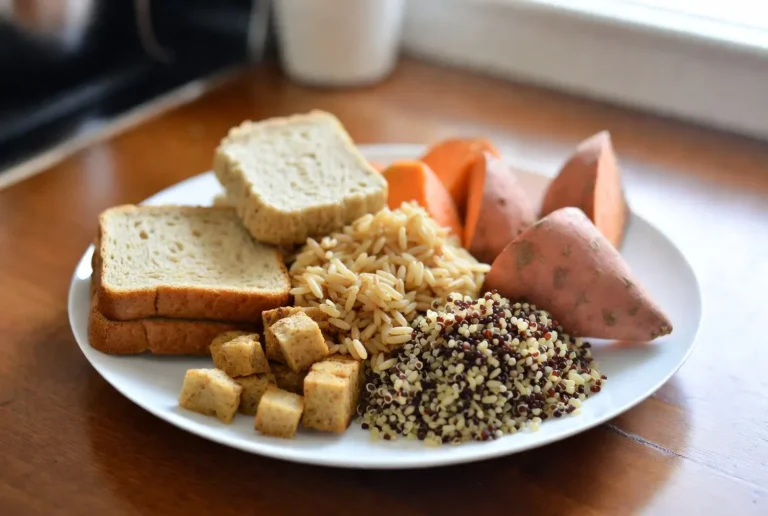
For years, carbohydrates have been the ultimate nutritional scapegoats. Diet culture labeled them the enemy, leading millions to adopt highly restrictive, anxiety-provoking eating patterns. Then, the pendulum swung back, and “whole grains” made a triumphant return to dietary guidelines.
In my practice as a clinical psychologist specializing in mood disorders, I often observe how this nutritional whiplash deeply affects my patients.
Many come to my office exhausted, restricting their diets out of fear, or trapped in a cycle of bingeing and guilt. The truth is, not all carbohydrates behave the same way in your body—or your brain.
When we discuss mental health and physical vitality, the difference between refined and unrefined carbs matters exponentially more than total carbohydrate elimination.
Your brain is a highly energy-demanding organ, relying almost exclusively on glucose to fuel everything from emotional regulation to complex problem-solving.
By understanding what unrefined carbs are, we can shift the conversation away from fear and restriction, focusing instead on how high-quality fuel can stabilize your mood, support your metabolism, and protect your cognitive health.
What Are Unrefined Carbs?
When patients ask me for the exact unrefined carbs definition, I explain it through the lens of biological integrity. Unrefined carbohydrates are whole, minimally processed plant foods that retain their natural architectural structure—specifically their fiber, vitamins, minerals, and phytochemicals.
To understand the profound “why” behind their health benefits, we must look at how the human digestive system interacts with intact cellular structures.
A whole grain, for example, consists of three layers: the fibrous outer bran (packed with B vitamins and trace minerals), the nutrient-dense germ (containing healthy fats and antioxidants), and the starchy endosperm (the energy center).
Because an unrefined carbohydrate remains whole, your digestive enzymes have to work hard to physically break down the cellular walls of the plant fiber. This creates a slow, steady, and controlled release of glucose into your bloodstream.
From a psychological perspective, this slow release is critical. The prefrontal cortex—the area of your brain responsible for Executive Function, impulse control, and emotional regulation—requires a stable, continuous supply of glucose to operate efficiently.
When your brain is steadily fueled by complex, unrefined carbs, you have the cognitive bandwidth to manage stress, engage in therapy, and make rational decisions.
A Clinical Perspective: Fueling the Brain for Therapy
I recently worked with a patient, “Sarah,” who presented with severe midday panic attacks and profound brain fog that were completely derailing her career. During our intake, I discovered her diet consisted almost entirely of highly processed snack foods and sugary coffees.
She was experiencing severe blood sugar spikes followed by reactive hypoglycemia (a rapid crash). When blood sugar plummets, the brain perceives a survival threat and triggers the release of adrenaline and cortisol to force the liver to produce glucose. This chemical flood physically mimics a panic attack.
Our therapeutic intervention didn’t just involve cognitive restructuring; it involved psychoeducation on the gut-brain axis. By replacing her processed snacks with unrefined carb foods like steel-cut oats, lentils, and whole fruits, Sarah provided her brain with a steady metabolic fuel source.
This biological stabilization allowed her Executive Function to come back online, significantly reducing her physiological anxiety and allowing us to utilize the principles of Neuroplasticity in our cognitive behavioral therapy (CBT) work.
Refined vs Unrefined Carbs
The difference between unrefined and refined carbohydrates lies entirely in processing. When we look at refined vs unrefined carbs, we are comparing foods that have been biologically altered against those that remain in their natural state.
Refined carbs have been mechanically stripped of their bran and germ, leaving only the starchy endosperm. Manufacturers do this to extend shelf life and create a softer texture (think white bread or standard pasta).
However, without the fiber to slow digestion, the starch converts to sugar almost instantly in the stomach. This causes a rapid, massive spike in blood glucose, prompting the pancreas to overproduce insulin, leading to the inevitable energy crash and mood instability described above.
Unrefined carbs vs refined carbs fundamentally alter your metabolic and psychological landscape. The intact fiber in unrefined options feeds the beneficial bacteria in your gut microbiome, which produce neurotransmitters like serotonin.
Comparison of Carbohydrate Quality
| Feature | Refined Carbs | Unrefined Carbs |
| Processing Level | Highly processed; stripped of natural fiber and nutrients. | Whole or minimally processed; natural structure intact. |
| Fiber Content | Very low to none. | High in soluble and insoluble fiber. |
| Blood Sugar Impact | Rapid spike followed by a sharp crash (reactive hypoglycemia). | Slow, steady release of glucose into the bloodstream. |
| Psychological Impact | Increases risk of mood swings, irritability, and brain fog. | Supports sustained focus, emotional regulation, and steady energy. |
| Satiety (Fullness) | Low; often leads to overeating and cravings. | High: promotes long-lasting fullness. |
Unrefined Carbs List
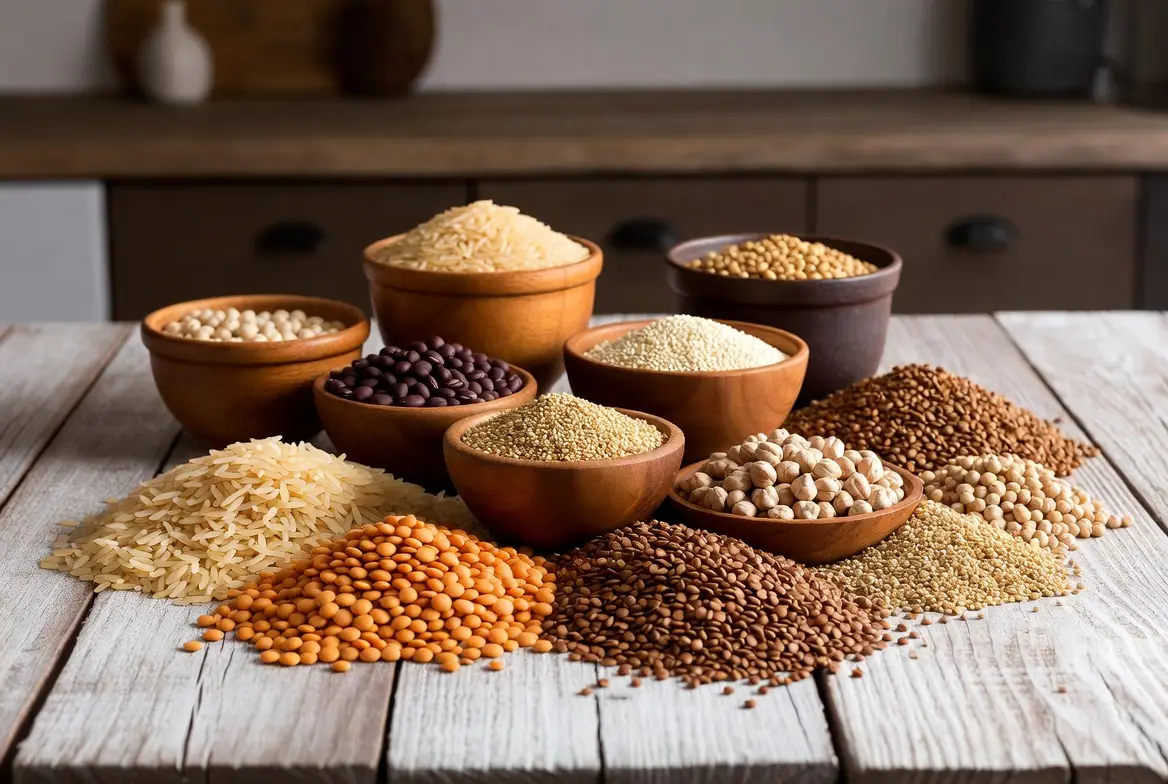
Understanding the science is only helpful if we can apply it to our daily lives. If you are looking for a comprehensive list of unrefined carbs, it is helpful to categorize them by food type. Remember, the goal is to look for foods that look as close to their original plant form as possible.
Here are excellent examples of unrefined carbs:
Whole Grains
When selecting grains, ensure the label specifically says “100% whole.”
- Steel-cut or rolled oats (avoid highly sweetened instant packets)
- Quinoa (technically a seed, but functions as a complex grain)
- Brown rice, wild rice, and black rice
- Barley and farro
- True unrefined carbs, bread (such as dense, sprouted grain breads like Ezekiel bread, where the whole grain kernel is visible)
Legumes (Beans and Pulses)
Legumes are a powerhouse of complex, unrefined carbs and plant-based protein, providing incredible satiety.
- Lentils (green, red, brown)
- Chickpeas (garbanzo beans)
- Black beans, kidney beans, and pinto beans
- Edamame (whole soybeans)
Starchy and Non-Starchy Vegetables
Patients often ask me: Are potatoes refined carbs? The answer is no. A whole potato, especially with the skin on, is a nutrient-dense, unrefined food. It only becomes refined when processed into instant flakes or deep-fried chips.
- Sweet potatoes and yams
- Whole potatoes (Russet, red, gold)
- Corn on the cob
- Winter squash (butternut, acorn, pumpkin)
- All non-starchy vegetables (broccoli, leafy greens, peppers, which contain trace amounts of fibrous carbs)
Fruits
Fruit and unrefined carbs are packaged with water, fiber, and antioxidants, completely changing how the body processes their natural sugars compared to a glass of processed juice.
- Berries (raspberries, blueberries, blackberries)
- Apples and pears (eaten with the skin)
- Bananas
- Citrus fruits (oranges, grapefruits)
By incorporating these foods, you provide your brain and body with the steady, reliable fuel required for optimal mental and physical health.
What Are the Best Unrefined Carbs?
When patients ask me, “What is the healthiest carb?” I always guide them away from looking for a single “superfood” and instead focus on a matrix of three factors: fiber density, glycemic load, and nutrient density.
The best unrefined carbs are those that provide maximum nutritional value while requiring your digestive system to work slowly and steadily.
In my practice, I frequently recommend the following powerhouses for optimal mental and metabolic health:
- Oats (Steel-Cut or Rolled): Oats contain a specific type of soluble fiber called beta-glucan. This fiber forms a thick gel in the gut, drastically slowing down digestion and providing a prolonged, stable release of glucose. This is incredibly beneficial for maintaining steady Executive Function throughout the morning.
- Lentils and Chickpeas: Legumes are arguably the most underutilized complex, unrefined carbs in the modern diet. They offer an exceptional ratio of fiber to plant-based protein. This combination practically eliminates blood sugar spikes, making it an ideal staple for anyone struggling with mood swings or reactive hypoglycemia.
- Quinoa: Quinoa is unique because it is a complete protein, meaning it contains all nine essential amino acids alongside its complex carbohydrates. These amino acids are the direct building blocks for neurotransmitters like serotonin and dopamine, which are essential for emotional regulation.
- Sweet Potatoes: Rich in beta-carotene (which the body converts to vitamin A) and complex starches, sweet potatoes are highly satiating and support a healthy inflammatory response in the body and brain.
- Berries: Blackberries, raspberries, and blueberries are packed with antioxidants and fiber. They have a very low glycemic load, meaning they satisfy a sweet craving without triggering the neurochemical rollercoaster associated with refined sugars.
Are Unrefined Carbs Good for You?

The short answer is a resounding yes. If you are wondering, “Are unrefined carbs good for you?”, the clinical and nutritional science is overwhelmingly positive.
Beyond simply providing energy, unrefined carbs are essential for a thriving gut microbiome. The intricate network of bacteria in your digestive tract relies entirely on the intact fiber found in these foods.
When you consume a diverse array of plant fibers, your gut bacteria ferment them into short-chain fatty acids (SCFAs).
These SCFAs cross the blood-brain barrier and play a vital role in reducing neuroinflammation, which is increasingly recognized as a root cause of treatment-resistant depression and anxiety.
Furthermore, these carbohydrates are profoundly beneficial for cardiovascular health and weight management.
However, nuance is required. Patients often ask me, “What’s the worst carb for belly fat?” The answer is the combination of highly refined sugar and ultra-processed, fat-laden carbohydrates (like commercial pastries or fast-food buns).
These foods hijack the brain’s reward center, overriding our natural satiety signals. Unrefined carbohydrates, conversely, signal to the brain that the body is adequately nourished, though total caloric intake and overall diet quality must still be balanced.
Are Everyday Carbs Harming Your Diet?
Diet culture frequently utilizes clickbait to demonize all carbohydrates, leading people to wonder if their everyday meals are secretly sabotaging their health. We need to reframe this fear.
Refined carbs—when overconsumed—can indeed lead to weight gain because they fail to trigger the physical stretch receptors in your stomach or the hormonal satiety signals in your brain. You can eat a massive bowl of white pasta and feel hungry two hours later because your insulin levels have crashed.
However, unrefined carbs actively support fat loss and metabolic health when portion-controlled. The dense fiber content in a cup of black beans or a bowl of steel-cut oats takes up significant physical space in the digestive tract.
This fullness reduces the cognitive load of constant food-seeking and cravings, freeing up yourExecutive Function to focus on your day rather than your next snack.
Unrefined Carbs Breakfast Ideas
Starting your day with a rapid blood sugar spike is a recipe for midday anxiety and fatigue. An unrefined carb breakfast sets a stable metabolic tone for the entire day. Here are practical, brain-supporting examples:
- Oatmeal Power Bowl: Half a cup of rolled oats cooked in water or unsweetened almond milk, topped with a handful of fresh berries, a tablespoon of chia seeds, and a sprinkle of cinnamon.
- Savory Toast: One slice of dense, sprouted whole grain toast topped with half a mashed avocado, a poached egg, and a pinch of sea salt.
- Greek Yogurt Parfait: Plain, unsweetened Greek yogurt layered with sliced apples, walnuts, and a tablespoon of flaxseed.
- Quinoa Breakfast Bowl: Warm quinoa mixed with a dash of vanilla extract, sliced almonds, and a quarter cup of pomegranate seeds.
What Is an Unrefined Carbs Diet?
An “unrefined carbs diet” is not a branded, restrictive fad diet. It is simply a quality-focused approach to eating that prioritizes whole foods over processed ones. It does not mean adopting a strict low-carb lifestyle; rather, it means upgrading the type of carbohydrates you consume.
To implement this practically:
- Base your carbohydrate intake primarily on whole grains, tubers, and legumes.
- Aim to include a serving of beans or lentils in your daily meals.
- Swap out ultra-processed snack foods (like pretzels or crackers) for whole fruits or vegetables with hummus.
- Always pair your unrefined carbs with a high-quality protein and a healthy fat to further slow digestion and maximize nutrient absorption.
How Many Carbs in a Teaspoon of Unrefined Sugar?
It is important to briefly clarify a common misconception regarding “raw” or “unrefined” sugars (such as coconut sugar, turbinado sugar, or raw honey). While these products are slightly less processed than standard white table sugar, they are still fundamentally simple sugars.
There are approximately 4 grams of carbohydrates in a single teaspoon of unrefined sugar. Metabolically, your body processes a teaspoon of coconut sugar almost identically to a teaspoon of white sugar.
While unrefined sugars may contain microscopic trace minerals, they do not possess the intact fiber necessary to slow down glucose absorption. They should still be consumed mindfully and in moderation.
Frequently Asked Questions
What are unrefined carbs?
Unrefined carbohydrates are minimally processed plant foods that retain their natural structure, including their original fiber, vitamins, and minerals. Examples include whole grains, beans, lentils, whole fruits, and starchy vegetables.
What is the difference between refined and unrefined carbs?
Refined carbs have been mechanically stripped of their fiber and nutrients (like white flour), leading to rapid blood sugar spikes. Unrefined carbs remain whole and intact, leading to slow, steady digestion and sustained energy.
Are potatoes refined carbs?
No. A whole potato (especially when eaten with the skin) is an unrefined, nutrient-dense complex carbohydrate. They only become refined when processed into items like potato chips or instant mashed potato flakes.
What is the healthiest carb?
While there is no single “healthiest” carb, the best options are those highest in fiber and lowest in processing. Steel-cut oats, lentils, quinoa, and berries are among the most nutritionally beneficial choices for metabolic and brain health.
Are unrefined carbs good for weight loss?
Yes. Because they are rich in fiber, unrefined carbs take longer to digest, keeping you physically full and satisfied. This helps prevent the blood sugar crashes that trigger intense cravings and overeating.
Conclusion
In my clinical practice, the most profound breakthroughs often occur when patients stop fighting their bodies through restrictive dieting and begin intentionally nourishing their brains.
Carbohydrates are not the enemy—they are the absolute preferred fuel source for your cognitive and emotional centers. The critical distinction between refined vs. unrefined carbs is ultimately about the quality of the energy you are providing your system.
By choosing minimally processed, unrefined carbs like steel-cut oats, hearty legumes, and fibrous vegetables, you are doing much more than managing your physical health.
You are actively stabilizing your blood sugar, which prevents the physiological adrenaline spikes and mood crashes that so often mimic or exacerbate severe anxiety disorders.
When your brain is steadily and reliably fueled, your Executive Function remains sharp. This stability gives you the necessary cognitive bandwidth and emotional resilience required to engage in the hard, rewarding work of Neuroplasticity—literally rewiring your brain for a healthier, more balanced life.
Ultimately, incorporating more unrefined carbs into your diet is not about rigid perfection or punishing restriction. It is a profound act of self-care. By prioritizing whole, intact foods, you are building a strong, stable biological foundation that allows both your mind and body to truly thrive.
References:
- American Psychological Association (APA)
- World Health Organization (WHO)
- American Diabetes Association (ADA)
- Harvard T.H. Chan School of Public Health – The Nutrition Source

Related Posts






Subscribe to Our Newsletter
Get mental health tips, updates, and resources delivered to your inbox.
MORE from Author
Read More Watching someone you care about struggle with bipolar depression and anxiety can be heartbreaking. You may notice that they withdraw…
 In my practice as a clinical psychologist, I often observe that the difference between a patient who crumbles under pressure…
 We all have "up" days and "down" days. Perhaps you feel energized after a promotion or sluggish on a rainy…
 To define bipolar disorder accurately, we must look at it as a chronic mood dysregulation condition. In psychology and medicine,…
Are you looking for a Therapist?
Connect with qualified mental health professionals who understand
bipolar disorder, mood changes, and emotional challenges.
Private • Supportive • Confidential