
What Is Sertraline Used For? A Complete Medical Guide

Medically reviewed by Laura Athey Updated Date: May 6, 2026
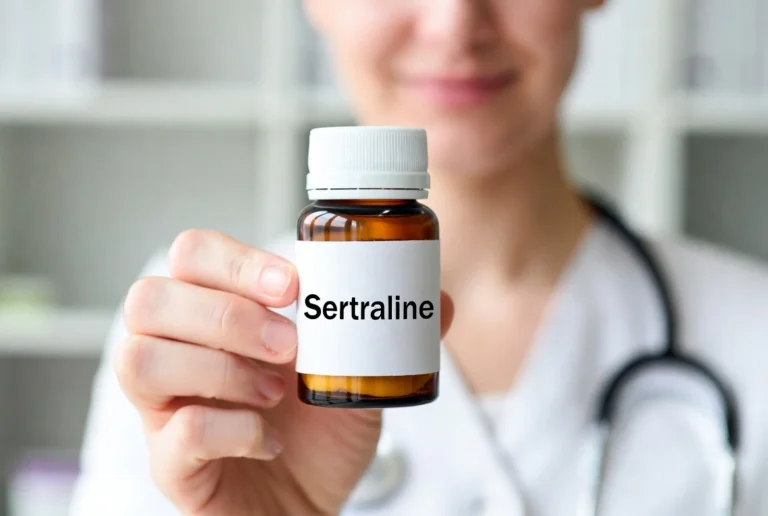
When patients arrive at my clinic with a new prescription in hand, they often feel a mix of hope and apprehension. Sertraline is one of the most widely prescribed medications for mental health conditions.
Millions of people take this medication to manage depression, severe anxiety disorders, and other psychological conditions that disrupt their daily lives.
Despite its common use, the details of psychiatric medication can be confusing. People commonly ask questions like, “What is sertraline used for in adults?” What is sertraline used for, specifically?
What is sertraline used for at 50 mg versus 100 mg? What does Zoloft do? And, because mental health struggles often disrupt rest, is sertraline used for sleep?
Sertraline is a selective serotonin reuptake inhibitor (SSRI) that works to regulate serotonin levels in the brain. By improving serotonin activity, the medication can help stabilize mood, significantly reduce anxiety, and improve overall emotional regulation.
In this comprehensive guide, we will cover exactly what sertraline treats, decode the dosage levels, explore its specific mental health uses, discuss side effects and safety, and explain the biology of how this medication actually works in your brain.
What Is Sertraline?
Before we can discuss what symptoms the medication relieves, we need to answer the fundamental question: what is the drug sertraline used for, and what is it exactly?
Sertraline is a prescription antidepressant belonging to the SSRI class of medications. When patients ask me what sertraline medication is used for, I often find it helpful to mention its most famous brand name: Zoloft.
What does Zoloft do? Zoloft and generic sertraline do the exact same thing. The generic version contains the exact same active ingredient, follows the same strict FDA manufacturing standards, and provides the identical therapeutic benefits as the brand-name medication.
The only difference is the name on the bottle and the cost at the pharmacy. Whether you are taking Zoloft or generic sertraline, you are receiving a highly targeted medication designed to restore chemical balance to your nervous system.
What Is Sertraline Used For in Mental Health?
In the realm of psychology and psychiatry, sertraline is considered a cornerstone treatment. So, what is sertraline used for in mental health settings?
Unlike a painkiller that masks a symptom, sertraline is used to correct an underlying biological imbalance. These conditions all involve a dysregulation of serotonin and an overactive stress-response system. What is sertraline used to treat specifically? It is FDA-approved for:
- Major Depressive Disorder (MDD): It helps lift the heavy, persistent lack of motivation and deep sadness associated with clinical depression.
- Generalized Anxiety Disorder (GAD): It reduces the chronic, physical tension and constant worrying that exhausts the nervous system.
- Panic Disorder: It physically raises the threshold required for your brain to trigger a sudden, terrifying panic attack.
- Social Anxiety Disorder: It calms the severe, paralyzing fear of judgment during social interactions.
- Post-Traumatic Stress Disorder (PTSD): It helps regulate the hyperarousal (being constantly “on guard”) and emotional numbing that follow severe trauma.
- Obsessive-Compulsive Disorder (OCD): At higher doses, it significantly reduces the volume and intensity of intrusive thoughts and the urge to perform compulsions.
What Is Sertraline Used For in Adults?

While psychiatric medications are sometimes used in pediatrics, sertraline is most frequently utilized in adult populations. What is sertraline used for in adults specifically?
Adults face complex, compounding stressors—careers, parenting, financial pressures, and relationship dynamics. When the adult nervous system is pushed past its limit, it often breaks down into clinical depression, debilitating anxiety disorders, sudden panic attacks, or trauma-related disorders.
Sertraline is prescribed to adults to rebuild their emotional resilience. It is important to note that treatment plans vary widely based on symptom severity.
An adult suffering from mild postpartum depression will require a vastly different treatment approach and dosage than an adult dealing with decades of severe, untreated OCD.
Sertraline for Anxiety
As a clinical psychologist, the majority of my patients are battling some form of severe anxiety. They frequently ask me: What is sertraline used for anxiety, and is sertraline good for anxiety?
The answer is a resounding yes. In fact, many psychiatrists prefer Zoloft for anxiety over older medications because it is highly effective and generally well-tolerated.
Anxiety is not just “being nervous.” It is a biological state of constant hyperarousal. When you have an anxiety disorder, your brain’s fear center (the amygdala) is constantly firing, telling your body you are in physical danger even when you are safe.
This leads to excessive worry, physical panic attacks, and social withdrawal.
Sertraline works directly on the brain’s fear circuits. By increasing serotonin, the medication acts as a biological “brake pedal” for the amygdala. Over several weeks, it physically calms the overactive stress response, allowing the logical part of your brain (the prefrontal cortex) to regain control.
You still experience normal emotions, but the paralyzing, irrational fear is significantly reduced.
How Sertraline Works in the Brain
To truly understand your treatment, you must understand the biology. Patients often ask, How does sertraline work?
Your brain cells (neurons) communicate with each other using chemical messengers called neurotransmitters. Serotonin is a crucial neurotransmitter responsible for mood regulation, feelings of safety, and emotional resilience.
In a healthy brain, a neuron releases serotonin into the tiny gap between cells (the synapse), sends its stabilizing message, and is then quickly reabsorbed by the first neuron. This reabsorption is called “reuptake.”
In brains struggling with depression or anxiety, this serotonin signaling is weak or inefficient. Sertraline works by physically blocking the reuptake pump. By blocking the reuptake, sertraline traps the serotonin in the synaptic gap, forcing it to stay active and continue sending its calming message.
I constantly monitor my patients’ circadian rhythms when they start sertraline. While the medication is working to increase serotonin, poor sleep hygiene actively fights against it by spiking cortisol (the stress hormone).
Because SSRIs can cause temporary insomnia during the first week of treatment, I teach my patients aggressive sleep hygiene protocols.
If a patient is doom-scrolling on their phone at 1 AM while adjusting to sertraline, their cortisol levels remain too high for the new serotonin to effectively calm their amygdala. Regulating sleep is essential for the medication to work.
Sertraline Dosage Guide
Determining the correct dosage requires careful collaboration between the patient and the prescriber. Understanding the standard sertraline dosage helps demystify the process.
Doctors almost never start a patient on a high dose. Instead, they use gradual dose increases to allow the nervous system to adjust slowly, which minimizes temporary side effects like nausea or headaches. What is the maximum dose of sertraline for adults? The absolute ceiling is 200 mg per day.
| Dose Amount | Typical Clinical Use |
| 25 mg | The starting dose. Used to gently introduce the SSRI to the body. |
| 50 mg | The common, standard treatment dose for depression and general anxiety. |
| 100 mg | A moderate dose is often required for more entrenched panic or PTSD. |
| 200 mg | The maximum safe dose is frequently necessary for severe OCD. |
What Are Sertraline 25 mg, 50 mg, and 100 mg Used For?
Patients frequently feel anxious when their doctor adjusts their prescription. They look at the new bottle and ask, what is sertraline 25 mg used for compared to higher doses?
The progression typically looks like this:
- 25 mg: What is sertraline 25 mg used for? This is strictly an adjustment dose. Your doctor prescribes 25 mg for the first one to two weeks simply to let your digestive tract and brain adapt to the presence of the medication without overwhelming your system.
- 50 mg: Once your body has adapted, your doctor will likely increase the dose. What is sertraline 50 mg used for? This is the standard therapeutic dose. For many patients with major depression or generalized anxiety, 50 mg provides excellent, long-term symptom relief.
- 100 mg and above: If you are still experiencing severe symptoms after several weeks, your doctor may increase the dose further. What is sertraline 100 mg used for? Higher doses are generally required for specific conditions that need a more robust serotonin response, such as severe panic disorder, complex PTSD, or OCD.
I recall working with a young professional (let’s call him Mark) who suffered from debilitating social anxiety. His psychiatrist started him on 25 mg of sertraline. After two weeks, Mark reported feeling less nauseous but still experienced intense fear before meetings.
We increased the dose to 50 mg. After four weeks at 50 mg, Mark noticed a significant shift. His executive function improved; he was able to use the cognitive behavioral techniques we practiced in therapy because his baseline physical panic had finally quieted down. The 50 mg dose was his “sweet spot.”
Is Sertraline Used for Sleep?
Because profound exhaustion and insomnia are hallmark symptoms of severe mental health struggles, patients are desperate for rest. When they receive their prescription, they often ask, “What is sertraline used for sleep?, and “Is sertraline a sleeping pill?”
I want to be unequivocally clear with my patients: sertraline is absolutely not a sleeping pill. It is not a sedative, nor is it a hypnotic medication like Ambien, and it does not depress the central nervous system like a benzodiazepine (Xanax or Valium).
Taking sertraline will not suddenly force your brain into an unconscious state.
In fact, because it increases serotonin—a neurotransmitter heavily involved in wakefulness—sertraline can actually cause temporary insomnia during the first few weeks of treatment.
However, if your inability to sleep is driven by a racing mind, chronic worry, or physical panic attacks, sertraline will indirectly become the best sleep aid you have ever used.
Once the medication successfully regulates your amygdala and removes the biological root of your anxiety, your nervous system will naturally power down at night.
You finally sleep deeply, not because the pill knocked you out, but because your brain finally feels safe enough to rest.
Can Sertraline Be Used for Bipolar Disorder or ADHD?
Psychiatric misdiagnosis can be dangerous, which is why a thorough clinical evaluation is essential before starting any medication. Patients frequently come to me having read varied information online, asking, “What is sertraline used for, bipolar disorder, or what is sertraline used for ADHD?”
The clinical guidance here is strict. Sertraline is generally contraindicated (not recommended) as a standalone treatment for bipolar disorder. Bipolar disorder is characterized by cyclical swings between deep depression and mania (periods of dangerous, hyperactive euphoria and impulsivity).
If a patient with undiagnosed bipolar disorder takes an SSRI like sertraline to treat their depressive phase, the sudden surge of serotonin can violently trigger a manic episode.
This is known in psychiatry as a “manic switch.” If sertraline is used in a bipolar patient, it must be carefully co-prescribed alongside a robust mood stabilizer (like lithium or Lamictal) to prevent this dangerous upward swing.
Regarding Attention-Deficit/Hyperactivity Disorder (ADHD), sertraline is not a primary treatment.
ADHD is fundamentally a neurodevelopmental disorder rooted in the dysregulation of dopamine and norepinephrine in the prefrontal cortex—the chemicals responsible for focus, motivation, and impulse control.
Sertraline targets serotonin, not dopamine. Therefore, sertraline will not cure your inattention or executive dysfunction.
However, because adults with severe ADHD often develop crippling secondary anxiety from years of struggling, I frequently see psychiatrists prescribe sertraline alongside a traditional ADHD stimulant to treat the comorbid anxiety.
Frequently Asked Questions
Primary Clinical Applications
What is sertraline most commonly used for?
Sertraline is most commonly prescribed as a first-line treatment to manage major depressive disorder and generalized anxiety disorder, effectively stabilizing mood and reducing chronic worry.
Sleep and Sedation
Is sertraline a sleeping pill?
No. Sertraline is a non-sedating antidepressant. While it is not a sleep aid, successfully treating your underlying anxiety and depression often naturally cures the insomnia caused by those conditions.
Anticipated Side Effects
What is the main side effect of sertraline?
During the initial adjustment phase, mild nausea, headaches, and sleep disturbances (either fatigue or insomnia) are the most prominent physical side effects, though sexual dysfunction can be a longer-term issue for some patients.
Efficacy for Panic and Worry
Is sertraline good for anxiety?
Yes, it is considered highly effective. By blocking serotonin reuptake, it physically calms the overactive fear centers in the brain, making it a gold standard treatment for panic disorder, social anxiety, and generalized anxiety.
Conclusion
Sertraline remains one of the most vital, widely utilized, and effective tools in modern psychiatric care. By answering the fundamental question—what is sertraline used for—we remove the stigma and mystery surrounding mental health treatment.
It is a powerful SSRI that treats a broad spectrum of conditions, from major clinical depression to complex anxiety disorders, by increasing essential serotonin levels in the brain.
Whether your prescriber starts you on a gentle 25 mg dose or targets a more severe presentation with 50 mg or 100 mg, patience is your greatest asset. Healing brain chemistry is a structural process that requires several weeks for the medication to build up and neuroplasticity to occur.
While temporary side effects like mild nausea or sleep shifts are common, they are usually a brief bridge to long-term emotional stability.
If you are exhausted by the daily weight of mood or anxiety symptoms, sertraline—when taken under strict medical supervision and combined with therapy—can help you safely reclaim the quality of your life.
Authoritative & References
- U.S. Food and Drug Administration (FDA)
- National Institute of Mental Health (NIMH)
- National Center for Biotechnology Information (NCBI) / StatPearls
- American Psychiatric Association (APA)

Related Posts




Subscribe to Our Newsletter
Get mental health tips, updates, and resources delivered to your inbox.
MORE from Author
Read More Watching someone you care about struggle with bipolar depression and anxiety can be heartbreaking. You may notice that they withdraw…
 In my practice as a clinical psychologist, I often observe that the difference between a patient who crumbles under pressure…
 We all have "up" days and "down" days. Perhaps you feel energized after a promotion or sluggish on a rainy…
 To define bipolar disorder accurately, we must look at it as a chronic mood dysregulation condition. In psychology and medicine,…
Are you looking for a Therapist?
Connect with qualified mental health professionals who understand
bipolar disorder, mood changes, and emotional challenges.
Private • Supportive • Confidential