
Why Do I Feel Emotionally Unstable All The Time: Recognizing the Signs and Reclaiming Balance

Medically reviewed by Laura Athey Updated Date: April 9, 2026

In my practice, I often hear a hauntingly consistent question: “Why am I always so emotionally unstable?”
Patients describe a life that feels like navigating a rowboat in a hurricane—one moment they are tethered to calm waters, and the next, a single stray comment or a minor scheduling change sends them spiraling into a vortex of rage or despair. Why Do I Feel Emotionally Unstable All The Time?
This state of being is clinically referred to as emotional dysregulation. It is not a character flaw or a lack of willpower; it is a physiological struggle to manage emotional responses in a way that is proportional to the situation
. While everyone experiences “moodiness,” true emotional instability involves a persistent difficulty in returning to a functional baseline.
Whether you are identifying as an emotionally unstable woman struggling with relationship “flooding” or a man experiencing sudden, sharp irritability, understanding the mechanics of your nervous system is the first step toward neuroplasticity—the brain’s ability to forge new, more stable neural pathways.
In this guide, we will explore the warning signs, the biological “why,” and the evidence-based strategies to move from volatility to peace.
How to Identify Emotional Instability

Recognizing what are the signs of being emotionally unstable requires an honest look at your behavioral patterns over time. In my clinical work, I observe that instability rarely looks like one single emotion; it is the velocity and unpredictability of the shifts that serve as the primary red flag.
12 Warning Signs of Emotional Instability
- Rapid Mood Cycling: Moving from euphoria to deep sadness within hours.
- Hyper-Reactivity: A “zero to sixty” escalation over minor inconveniences.
- Relationship Volatility: Frequent “breakup-to-makeup” cycles or intense fear of abandonment.
- Impulsive Coping: Using spending, substance use, or binge eating to “numb” a feeling.
- Difficulty Calming Down: Taking hours to “shake off” an argument.
- Unclear Self-Image: Feeling like a different person depending on your current mood.
- Chronic Emptiness: A persistent feeling of “hollowness” when not in a high-emotion state.
- Paranoia Under Stress: Temporarily losing trust in loved ones during a conflict.
- Social Withdrawal: “Ghosting” friends because you feel emotionally “raw.”
- Physical Manifestations: Tension headaches, chest tightness, or digestive issues during emotional spikes.
- Catastrophic Thinking: Believing a small mistake means your entire life is ruined.
- Inconsistent Performance: Being highly productive one day and unable to get out of bed the next.
Causes and Contributing Factors
To answer the question, “Why am I emotionally unstable?” we must look beneath the surface at the complex interplay of biology and psychology. This is the core of emotional dysregulation.
The Amygdala-Prefrontal Gap
The primary driver of instability is a breakdown in communication between two key areas of the brain: the amygdala and the prefrontal cortex.
The amygdala is your brain’s “smoke detector.” Its job is to sense danger and trigger the fight-or-flight response. In a regulated brain, the prefrontal cortex—the seat of executive function—receives the alarm, evaluates the threat, and sends a signal to “stand down” if the danger isn’t real (like a rude email).
In individuals with chronic instability, this “braking system” is weakened. The amygdala is hyper-reactive (often due to genetics or past trauma), and the prefrontal cortex is “offline” or underactive.
This means the emotional surge hits with full force, and there is no cognitive filter to modulate the response. This is why you might feel like you are “watching yourself” act out, but are unable to stop.
Mentally Unstable vs. Emotionally Unstable: The Difference
It is clinically vital to distinguish between these two terms. Emotional instability refers specifically to the modulation of mood and affect. Why Do I Feel Emotionally Unstable All The Time?
Mental instability is a broader, often more severe term that may include a loss of contact with reality, cognitive disorganization, or an inability to care for one’s basic needs. While emotional instability can be a component of mental illness (like bipolar disorder or BPD), they are not synonymous.
| Feature | Emotionally Unstable | Mentally Unstable |
| Primary Issue | Mood regulation and reactivity. | Cognitive clarity and reality testing. |
| Core Symptom | Intense “feelings” that pass. | Persistent delusions or disorganized thought. |
| Treatment Focus | DBT, CBT, and regulation skills. | Antipsychotics, stabilization, and safety. |
The Role of Trauma and Attachment
Neuroplasticity teaches us that our early environments sculpt our nervous systems. If you grew up in an environment where your emotions were ignored, punished, or met with volatility, your brain likely didn’t learn how to “self-soothe.”
Your nervous system became “tuned” to a high-alert setting to ensure survival. As an adult, this translates to being “emotionally thin-skinned,” where even neutral social cues are interpreted as threats.
A nuance that many patients overlook is the relationship between circadian rhythms and emotional “brakes.” I once worked with a patient, “Sarah,” who struggled with explosive outbursts every Tuesday and Thursday.
We discovered that on those days, she was staying up late to finish projects, cutting her sleep to five hours. REM sleep is the period when the brain “re-processes” emotional data and strengthens the connection between the prefrontal cortex and the amygdala.
By skipping sleep, Sarah was effectively “cutting the brake lines” on her car. For her, the “fix” wasn’t just therapy—it was biological stabilization. When your brain is exhausted, it defaults to its most primitive, reactive state. You cannot regulate a brain that is biologically depleted.
Understanding Emotional Vulnerability
Many people confuse instability with emotional vulnerability, but they are fundamentally different. Vulnerability is the willingness to be seen, even when there is no guarantee of the outcome. It is a strength. Instability, conversely, is a state of being defenselessly exposed to your own emotions.
Healthy vs. Unhealthy Patterns
True vulnerability requires a regulated nervous system. If you are “vulnerable” while dysregulated, it often looks like “trauma dumping” or oversharing, which can actually damage relationships.
Healthy vulnerability looks like saying, “I feel anxious when you’re late because it triggers my fear of being forgotten.” Unhealthy instability looks like “You’re related because you don’t care about me, so I’m leaving!”
In my practice, we work on understanding emotional vulnerability as a tool for connection. When you learn to regulate your “spikes,” you gain the safety required to be truly vulnerable with others.
How Do You Fix Emotional Instability?
The most frequent question I receive from those exhausted by their own volatility is, “How do I actually fix this?” The answer is not found in “suppressing” emotions—which usually leads to a later, more explosive outburst—but in building a more robust executive function to manage the emotional surge.
Pathological demand avoidance or simple emotional flooding can be managed by retraining the brain’s “braking system.”
Non-Medication Approaches
In my practice, I prioritize skills-based therapy that leverages Neuroplasticity. By consistently practicing new ways of responding, we can physically thicken the neural pathways in the prefrontal cortex.
- Dialectical Behavior Therapy (DBT): This is the gold standard for emotional dysregulation. It focuses on “distress tolerance”—learning to sit with a painful feeling without acting on it—and “emotional regulation” skills.
- Cognitive Behavioral Therapy (CBT): We work to identify the “cognitive distortions” that fuel instability. If your thought is “They haven’t texted back because they hate me,” Your instability will spike. CBT helps you reframe this to “They are likely busy.”
- Mindfulness and Grounding: Using the “5-4-3-2-1” technique or deep diaphragmatic breathing to signal the parasympathetic nervous system to “stand down.”
Medications for Emotional Stability
While therapy provides the “how-to,” medication can provide the “floor” for your stability. I often coordinate with psychiatrists to determine if a patient’s biological “baseline” is too high for therapy to take hold.
| Medication Category | Common Usage | Role in Stability |
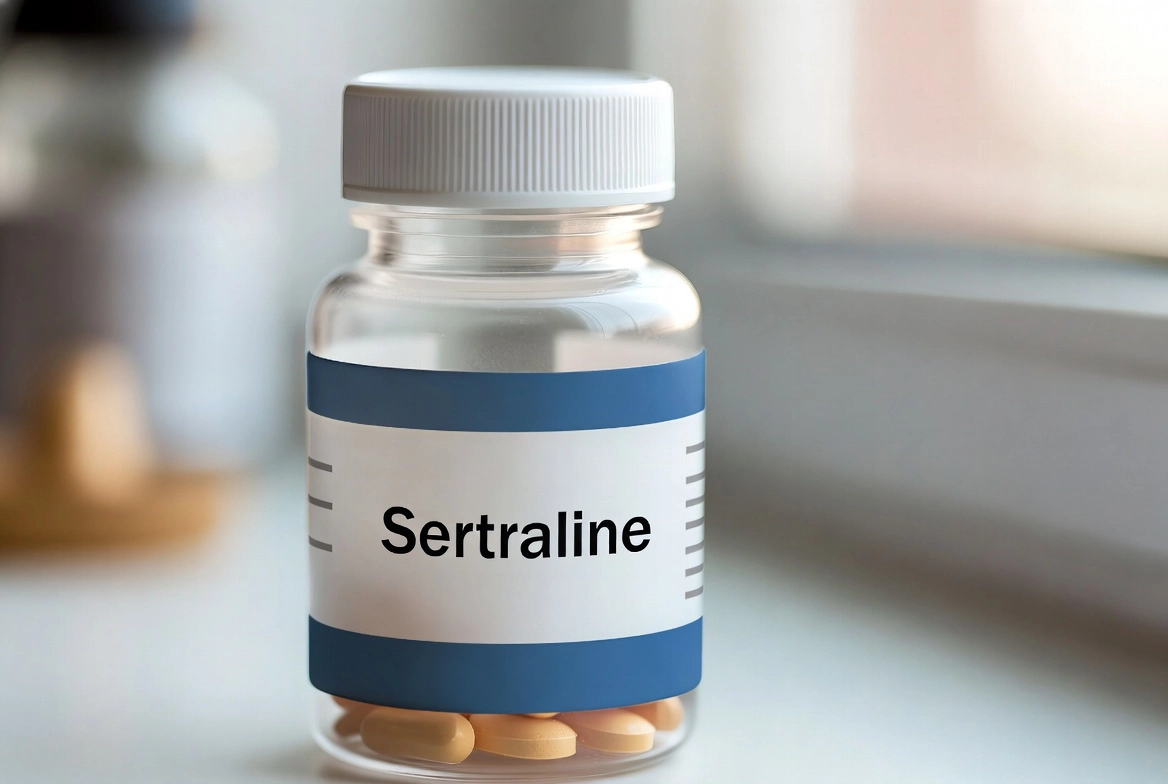
| SSRIs/SNRIs | Anxiety/Depression | Helps smooth out the “spikes” of irritability and sadness. |
| Mood Stabilizers | Bipolar Disorder/BPD | Prevents the extreme “peaks and valleys” of mood cycling. |
| ADHD Stimulants | ADHD | Strengthens focus and impulse control, reducing “reactive” outbursts. |
| Alpha-Agonists | Rejection Sensitivity | Specifically targets the physical “jolt” of emotional pain. |
Special Considerations & Comorbidities

It is essential to remember that emotional instability does not exist in a vacuum. It is often a symptom of an underlying neurodivergent profile or a mood disorder.
For an emotionally unstable woman in a relationship, the instability may be exacerbated by hormonal shifts (PMDD) or undiagnosed ADHD, where the struggle with “boredom” or “rejection” triggers an intense emotional response.
Similarly, instability is a hallmark of bipolar II disorder, where the shifts are more cyclical and less “reactive” to daily events. A professional evaluation is the only way to ensure you are treating the root cause rather than just the symptom.
Frequently Asked Questions
What are the signs of emotional instability?
The primary signs include rapid mood swings, extreme overreactions to minor issues, impulsive decision-making, and a persistent “on-edge” feeling in relationships. If you feel “zero to sixty” in seconds, you are likely experiencing instability.
How do you fix emotional instability?
Fixing instability involves a three-pronged approach: skills (like DBT), biology (improving sleep and possibly medication), and self-awareness (identifying triggers before they explode).
What is emotional vulnerability?
Vulnerability is the strength to be open and honest about your feelings in a regulated way. Instability is being “controlled” by your feelings. One leads to connection; the other leads to conflict.
Mentally unstable vs. emotionally unstable – what’s the difference?
Emotional instability refers specifically to mood swings and reactivity. Mental instability is broader and may involve a loss of reality, disorganized thinking, or an inability to function in daily life.
Conclusion
In my years of practice, I have seen that emotional instability is often a cry for help from an exhausted nervous system. You are not “broken” or “crazy”; you are likely operating with a “smoke detector” that is too sensitive and a “braking system” that needs maintenance.
By identifying the signs of being emotionally unstable, understanding the role of emotional vulnerability, and implementing evidence-based treatment options, you can move from a life of “reaction” to a life of “response.”
You have the power of neuroplasticity on your side. With the right tools and professional support, you can rebuild your inner stability and reclaim the peace you deserve.
Authoritative Reference
- National Institute of Mental Health (NIMH)
- American Psychological Association (APA)
- The PDA Society (UK)
- Mayo Clinic – Angina Overview

Related Posts





Subscribe to Our Newsletter
Get mental health tips, updates, and resources delivered to your inbox.
MORE from Author
Read More Watching someone you care about struggle with bipolar depression and anxiety can be heartbreaking. You may notice that they withdraw…
 In my practice as a clinical psychologist, I often observe that the difference between a patient who crumbles under pressure…
 We all have "up" days and "down" days. Perhaps you feel energized after a promotion or sluggish on a rainy…
 To define bipolar disorder accurately, we must look at it as a chronic mood dysregulation condition. In psychology and medicine,…
Are you looking for a Therapist?
Connect with qualified mental health professionals who understand
bipolar disorder, mood changes, and emotional challenges.
Private • Supportive • Confidential