
Borderline Personality Disorder in Teens: A Comprehensive Guide for Parents and Caregivers

Medically reviewed by Laura Athey Updated Date: February 22, 2026
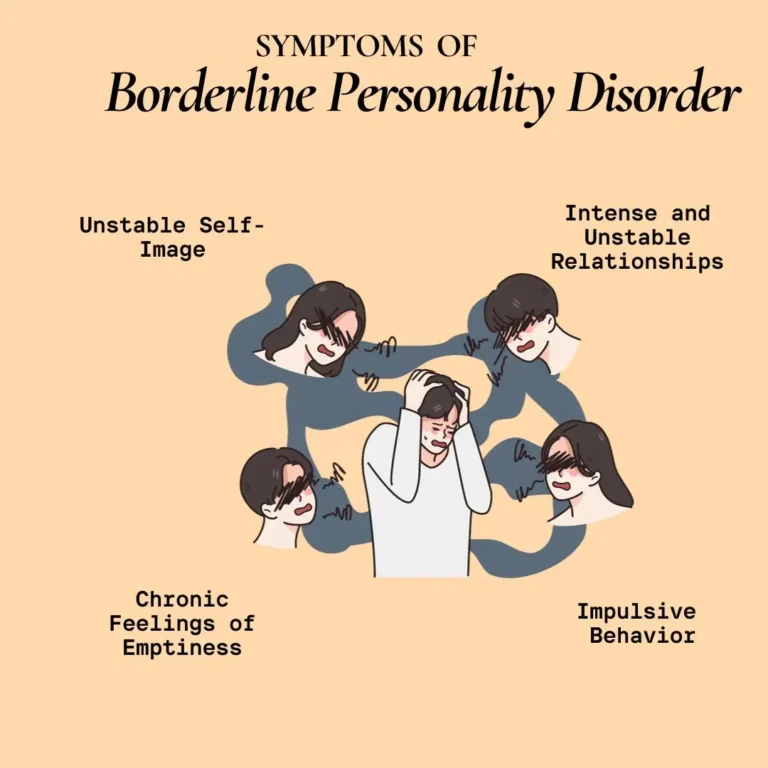
The landscape of adolescent mental health has shifted dramatically over the last decade. For years, clinicians were hesitant to apply certain labels to young people, believing that personality is too fluid during the formative years to warrant a permanent diagnosis. However, contemporary research has fundamentally changed this perspective, particularly regarding borderline personality disorder in teens.
Today, experts recognize that BPD is not just an “adult” disorder that appears overnight on an 18th birthday. Rather, it is a developmental path that often begins to surface during puberty. Early recognition and an accurate adolescent diagnosis are now seen as critical interventions that can alter the trajectory of a young person’s life. While the term “borderline” can be frightening for parents, understanding the nuances of borderline personality disorder in teenage girls and boys is the first step toward effective treatment and long-term recovery. This guide explores the symptoms, the diagnostic process, and the specialized treatments designed to help teenagers reclaim their emotional stability.
What Is Borderline Personality Disorder?
Borderline Personality Disorder is a condition characterized by pervasive instability in moods, self-image, and interpersonal relationships. In the context of borderline personality disorder in teens, this instability is often magnified by the natural turbulence of the adolescent brain.
Emotional Regulation vs. Personality Development
During the teenage years, the prefrontal cortex—the area of the brain responsible for impulse control and logical reasoning—is still under construction. Meanwhile, the amygdala, which processes emotions, is highly active. For a teen with in teens, this biological gap is even wider. Their “emotional thermostat” is broken; they feel emotions more intensely than their peers and take much longer to return to a calm state after a setback.
The area of the brain responsible for impulse control and logical reasoning is still under construction. Meanwhile, the amygdala, which processes emotions, is highly active. For a teen with in teens, this biological gap is even wider. Their “emotional thermostat” is broken; they feel emotions more intensely than their peers and take much longer to return to a calm state after a setback.
BPD in adolescence is best understood as a disorder of the emotional regulation system. It is not a character flaw or a phase of “typical teenage rebellion.” It is a persistent pattern of emotional hyper-reactivity that interferes with a teen’s ability to function at school, at home, and in social circles.
Can Teenagers Really Have BPD? Age-Specific Diagnosis
One of the most frequent questions from parents is: Can a 17-year-old have BPD? Or even more concerningly, can BPD in 12-year-olds be a valid diagnosis? According to the DSM-5 (the manual used by mental health professionals), the answer is a definitive yes.
The Evolution of Adolescent Diagnosis
Historically, clinicians avoided diagnosing BPD in adolescents because they didn’t want to “stigmatize” a child with a personality disorder label. However, we now know that withholding a diagnosis often prevents teens from accessing the specific type of therapy—such as Dialectical Behavior Therapy (DBT)—that actually works.
- Minimum Age Considerations: While most diagnoses occur in the mid-to-late teens, symptoms can be identified in children as young as 11 or 12.
- Persistence is Key: To meet the criteria for an adolescent diagnosis, the traits must be pervasive, persistent (lasting at least one year), and not better explained by another disorder like ADHD or Bipolar Disorder.
- Temporary Traits vs. Personality: Clinicians look for a “constellation” of symptoms. While many teens are moody, a teen with BPD experiences mood shifts that are life-altering and often accompanied by a profound fear of abandonment or self-harming behaviors.
Signs and Symptoms of Borderline Personality Disorder in Teens
Identifying signs of borderline personality disorder in teens requires looking at three distinct areas: emotional, behavioral, and cognitive functioning. Because these symptoms often overlap with “normal” teenage angst, it is the intensity and duration that matter most.
Emotional Symptoms
The core of borderline personality disorder in teensis emotional volatility.
- Intense Mood Swings: A teen may go from euphoric to suicidal within hours, often triggered by a seemingly small interpersonal event.
- Fear of Abandonment: This is often the “engine” of BPD. A teen may become frantic if a friend doesn’t text back, perceiving it as a total rejection.
- Chronic Emptiness: Many describe a physical sensation of being “hollow” or “numb.”
Behavioral Symptoms
Behavioral signs of BPD in teens are often what bring families into the therapist’s office.
- Impulsivity: This can manifest as reckless driving, substance use, or binge eating.
- Self-Harm and Suicidality: This is a major red flag. For many teens, self-harm is used as an “emotional regulator” to quiet the intense internal pain.
- Unstable Relationships: A pattern of “love-hate” relationships where friends are idealized one day and devalued the next.
Cognitive Symptoms
- Identity Confusion: The teen may frequently change their appearance, sexual orientation, or career goals because they have no “core” sense of self.
- Black-and-White Thinking: Also known as “splitting,” this is the tendency to see people and situations as either “all good” or “all bad.”
Symptoms of BPD in Teenage Girls
While BPD affects all genders, borderline personality disorder in teenage girls is diagnosed at significantly higher rates. This may be due to a combination of biological vulnerabilities and the unique social pressures girls face during puberty.
Internalized vs. Externalized Symptoms
In many cases, symptoms of BPD in teenage girls’ presentations are “internalized.” While a boy might express his BPD through outward aggression or conduct issues, a girl is more likely to turn that pain inward.
- Self-Image and Social Media: Girls with BPD traits are hypersensitive to social ranking. The curated world of social media can be devastating, fueling a “quiet BPD” where the girl feels she must mask her internal chaos to fit in.
- Peer Relationship Obsession: For borderline personality disorder in teen girls, a best friendship isn’t just a social bond; it is their entire source of identity. If that friendship falters, the teen’s entire world collapses.
- Co-occurring Eating Disorders: There is a high overlap between BPD symptoms in females and disordered eating, as food becomes another way to exert control over unmanageable emotions.
How Does BPD Present in Teen Girls? Real-Life Examples

To understand how BPD presents in teen girls, it helps to look at the patterns that emerge in daily life. It is rarely a single “meltdown”; it is a lifestyle of crisis.
- School Behavior: A 15-year-old might be an honors student, but suddenly begins failing because she is too emotionally exhausted to study. She may skip school because she “can’t face” a friend who ignored her in the hallway.
- Friendship Instability: You may notice your daughter has a “new best friend” every three months. The previous friend is often described as “evil” or “toxic” after a minor disagreement.
- Family Conflict: At home, the teen may be extremely high-conflict, “testing” her parents’ love by pushing them away, only to become terrified and clingy moments later. This is the “I hate you, don’t leave me” dynamic that characterizes the disorder.
Borderline Personality Traits in Teens vs. Normal Teen Behavior
Distinguishing between borderline traits in teens and the standard “angst” of puberty is perhaps the greatest challenge for parents. Adolescence is naturally marked by moodiness, impulsivity, and identity exploration, leading many to wonder how to tell if a child has BPD.
The difference lies in the Three I’s: Intensity, Inconsistency, and Impairment.
- Intensity: While a typical teen might be upset for an hour after a breakup, a teen with BPD traits may experience “affective storms” that last days and include threats of suicide or total emotional collapse.
- Inconsistency: Normal development involves testing boundaries. In BPD, the “tests” are extreme. The teen’s self-image and values may flip entirely from one week to the next—changing their name, their clothing style, and their core beliefs overnight.
- Impairment: This is the most critical marker. If the teen’s behavior is preventing them from attending school, maintaining a single long-term friendship, or staying safe, it has moved beyond “normal” into clinical territory.
Diagnosing Borderline Personality Disorder in Adolescents
Diagnosing borderline personality disorder in adolescents is a comprehensive process that requires multiple points of data. There is no simple blood test or a 10-minute BPD teenager test that can provide a definitive answer.
The Diagnostic Process
A clinical psychologist or psychiatrist will typically use a combination of tools:
- Clinical Interviews: Separate interviews with the teen and the parents to observe the “push-pull” dynamics of the family unit.
- Standardized Assessments: Tools like the MACI (Millon Adolescent Clinical Inventory) or specialized teenage personality disorder tests that measure personality patterns and clinical syndromes.
- History Mapping: Looking for a history of emotional sensitivity, childhood trauma, or “invalidating environments” where the teen felt their emotions were not safe to express.
It is also vital to rule out differential diagnoses. Many BPD symptoms look like ADHD (impulsivity), Bipolar Disorder (mood swings), or Depression. A true BPD diagnosis recognizes that the core issue is interpersonal and attachment-based, rather than purely biochemical.
Is It My Fault? Understanding Causes and Risk Factors
When a parent hears the diagnosis, the first emotion is often a crushing sense of guilt. Many ask: Is it my fault my daughter has borderline personality disorder?
The answer, backed by decades of research, is a resounding no. BPD is not caused by “bad parenting.” It is the result of a “Biosocial” interaction:
- The Biological Vulnerability: Some children are born with a “thin emotional skin.” Their nervous system is simply more reactive than others.
- The Environment: This biological vulnerability meets an environment that is “invalidating.” This doesn’t necessarily mean the environment was abusive. It could mean the teen’s intense emotions were met with “You’re overreacting” or “Just calm down,” teaching the teen that their internal “compass” is broken.
BPD is often a “perfect storm” of temperament and circumstances. Understanding this removes the blame and allows the family to focus on the solution: treatment.
Treatment for Borderline Personality Disorder in Teens
The most important thing for a parent to know is that treatment for borderline personality disorder in teens is highly successful. Adolescents actually have a better chance of “remission” than adults because their brains are still plastic and capable of learning new regulation skills.
Dialectical Behavior Therapy for Adolescents (DBT-A)
DBT-A is the gold standard for borderline personality disorder treatment for teens. It is a specialized form of therapy that focuses on teaching the teen (and the family) five specific skill modules:
- Mindfulness: Learning to be in the moment without judging the emotion.
- Distress Tolerance: How to get through a crisis (like a breakup) without self-harming.
- Emotion Regulation: Learning to turn down the “volume” on intense feelings.
- Interpersonal Effectiveness: How to ask for what you need without “exploding” or “imploding.”
- Walking the Middle Path: A teen-specific module that helps parents and teens find common ground.
The Role of Medication
While there is no “BPD pill,” doctors may use medications to treat specific symptoms. Antidepressants can help with co-occurring depression, and mood stabilizers may take the “edge” off the highest peaks of rage or impulsivity. However, medication is always a secondary support to therapy.
How to Deal With a Teenager With Borderline Personality Disorder

Learning how to deal with a teenager with borderline personality disorder requires a radical shift in parenting style. Traditional “tough love” or authoritarian parenting often backfires, as it feels like an “invalidation” of the teen’s pain.
Strategies for the Home
- Validation First: This does not mean you agree with their behavior. It means you acknowledge their feeling. “I can see that you are incredibly angry right now because you feel ignored. I understand why that hurts.” Validation often “de-activates” the teen’s nervous system before it can boil over into a crisis.
- Clear Boundaries with Empathy: You can be firm about rules while being soft about emotions. “I love you, and I can see you are hurting, but I will not allow you to speak to me that way. We can talk again in 20 minutes when we are both calm.”
- Safety Planning: When the teen is calm, create a “Crisis Plan.” What should the teen do when the urge to self-harm hits? Having a written plan (and removing “tools” of self-harm from the home) is essential for how to parent a teenager with borderline personality disorder.
Living With BPD as a Teen: Social Life, School, and Identity
For a young person, borderline personality disorder in teens isn’t just a clinical diagnosis; it is a lens through which they experience their entire social world. Because adolescence is the primary period for identity formation, BPD can make this process feel like trying to build a house on shifting sand.
Peer Rejection and the Digital World
In the age of social media, the “fear of abandonment” is triggered 24/7. A teen may experience intense distress if they see their friends hanging out in a photo they weren’t invited to. This often leads to a pattern of “preemptive rejection,” where the teen with BPD deletes their social media accounts or “ghosts” their friends to avoid the pain of being left first.
Academic Struggles
While many teens with BPD are intellectually gifted, their grades often fluctuate wildly based on their emotional state. This is known as “mood-dependent functioning.” If they have a fight with a parent in the morning, their emotional “bandwidth” is so consumed by the crisis that they cannot focus on a math test. Seeking school accommodations (like a 504 plan or IEP) is a vital step in dealing with a teenager with borderline personality disorder at the academic level.
Recent Research & Articles on BPD in Teens (2023–Present)
The medical community’s understanding of adolescent personality is evolving rapidly. Borderline personality disorder articles 2023 and 2024 highlight a massive shift toward early intervention.
- Growing Acceptance of Early Diagnosis: Research now confirms that BPD traits are as stable in adolescence as they are in adulthood, debunking the myth that it is just “a phase.”
- The Success of Early DBT: New longitudinal studies show that teens who receive DBT-A (Adolescent version) have significantly lower rates of hospitalization and self-harm in their 20s compared to those who wait until adulthood for treatment.
- Neuroplasticity: Recent neuroimaging shows that because the adolescent brain is still developing, the “skills” learned in therapy can actually help reshape the brain’s emotional pathways more effectively than in older patients.
Frequently Asked Questions
Can a 17-year-old have BPD?
Yes. The DSM-5 allows for the diagnosis of BPD in anyone under 18 if the symptoms have been persistent for at least one year and are not part of a different developmental stage or medical condition.
What does BPD look like in a 15-year-old?
At 15, BPD often looks like “extreme” adolescence. This includes intense, hours-long crying spells, a “love-hate” relationship with a best friend or romantic partner, frequent changes in identity (clothing, names, interests), and dangerous impulsivity or self-harm.
How to tell if a child has BPD?
Look for the “Three I’s”: Intensity of emotion that seems out of proportion to the event, Inconsistency in their sense of self, and Impairment in their ability to maintain friendships or stay in school.
Is BPD permanent if diagnosed in teens?
No. BPD is no longer considered a “life sentence.” In fact, with early intervention, many teens reach “remission,” meaning they no longer meet the diagnostic criteria as they move into adulthood.
Can teens outgrow BPD traits?
Some teens with “sub-threshold” traits may naturally develop better regulation skills as their brain matures. However, for those with a full clinical presentation, “outgrowing” it is unlikely without the specialized tools provided by therapies like DBT.
Conclusion
A diagnosis of borderline personality disorder in teens is a heavy burden for any family to carry. It is natural to feel fear, grief, and even anger. However, the modern clinical consensus is one of overwhelming hope. We are no longer in an era where we “wait and see” while a young person suffers.
By identifying signs of borderline personality disorder in teens early, you are giving your child the greatest gift possible: the chance to learn how to navigate their intense emotions before those emotions dictate their future. Early intervention works. DBT works. And most importantly, your support as a parent—informed by validation and healthy boundaries—is the most powerful tool in your teen’s recovery kit.
Recovery is not about making the teen “less sensitive”; it is about helping them turn that sensitivity into a strength. With the right help, a teenager with BPD can grow into an adult who is deeply empathetic, creative, and emotionally resilient.
Authoritative References
- National Institute of Mental Health (NIMH) – BPD in Adolescents
- Child Mind Institute – BPD in Teenagers
- McLean Hospital – Adolescent DBT Programs
- American Academy of Child & Adolescent Psychiatry (AACAP)
- National Education Alliance for Borderline Personality Disorder (NEA.BPD)

Related Posts




Subscribe to Our Newsletter
Get mental health tips, updates, and resources delivered to your inbox.
MORE from Author
Read More In my practice as a clinical psychologist, I often observe that the difference between a patient who crumbles under pressure…
 We all have "up" days and "down" days. Perhaps you feel energized after a promotion or sluggish on a rainy…
 To define bipolar disorder accurately, we must look at it as a chronic mood dysregulation condition. In psychology and medicine,…
 To answer whether bipolar fits the bill, we first have to define what a neurodivergent person actually is. The term…
Are you looking for a Therapist?
Connect with qualified mental health professionals who understand
bipolar disorder, mood changes, and emotional challenges.
Private • Supportive • Confidential