
How Long Do Bipolar Episodes Last?

Living with or supporting someone with bipolar disorder often feels like navigating a vast, unpredictable ocean. One moment, the waters are calm, and the next, a storm of mania or a fog of depression settles in. Naturally, the most frequent question patients and families ask is: how long do bipolar episodes last?
The search for an answer is usually driven by a need for a finish line. When you are in the depths of a depressive episode or the chaotic whirlwind of mania, knowing how long the experience might persist is a vital part of coping. However, because bipolar disorder is a highly individualized neurological condition, the answer isn’t a single number. On platforms like Reddit, users often share vastly different timelines—some describing manic bursts that last a few days and others detailing depressive “slumps” that persist for over a year.
The goal of this guide is to break down the clinical averages, the DSM-5 criteria, and the real-world variables that influence how long these mood states persist. Understanding these timelines is the first step toward regaining a sense of control over the disorder.
What Is a Bipolar Episode?
Before diving into durations, we must define what actually constitutes a “mood episode.” In clinical terms, a mood episode is a distinct period of time during which a person’s emotional state and behavior are markedly different from their usual, stable self.
It is important to distinguish between bipolar symptoms (like occasional irritability or sadness) and a formal episode. A bipolar episode represents a sustained shift in the “baseline.”
Mood Episodes vs. Mood Swings
Everyone has mood swings. A “normal” mood swing is usually reactive—you feel sad because of a loss or happy because of a promotion. A bipolar episode, however, is often “endogenous,” meaning it is driven by internal brain chemistry and circadian rhythms.
It persists regardless of external circumstances. To be classified as an episode, the mood must be accompanied by changes in energy, sleep patterns, and thought processes that meet specific time thresholds.
The Four Stages of Bipolar Episodes
A common misconception is that bipolar disorder is simply “up” or “down.” In reality, most episodes follow a predictable trajectory consisting of four distinct stages.
1. The Prodromal Phase
This is the “early warning” stage. It consists of subtle shifts in behavior before the full episode hits. For mania, this might be a slight decrease in the need for sleep or increased talkativeness. For depression, it may be a subtle withdrawal from social activities.
2. The Acute Episode
This is the peak of the illness. Whether it is full-blown mania or deep depression, this is the stage where bipolar disorder symptoms are most visible and functional impairment is at its highest.
3. The Crash or Recovery Phase
As the acute symptoms subside, the brain enters a period of exhaustion. Following mania, this is often called the “bipolar crash,” where the individual feels physically and emotionally drained.
4. The Stable (Euthymic) Phase
This is the goal of treatment. The euthymic phase is a period of stability where the person functions at their baseline. This phase can last for weeks, months, or even years, especially with consistent medication adherence.
How Long Do Bipolar Episodes Usually Last?
While every individual’s “internal clock” is different, clinical research provides us with general ranges that help set expectations. Generally, how long bipolar episodes last depends on the type of episode and whether the person is receiving treatment.
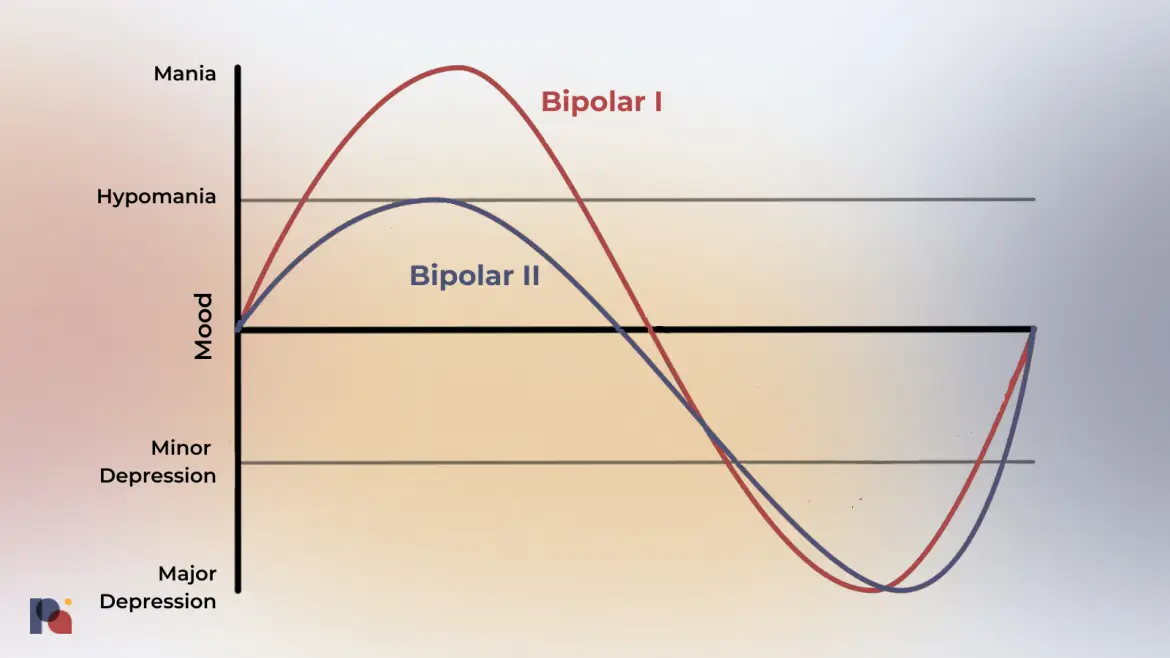
- Manic Episodes: Typically last from a few weeks to several months. Under DSM-5 criteria, a manic episode must last at least seven days to be diagnosed, unless hospitalization is required sooner.
- Hypomanic Episodes: Found in Bipolar II, these are shorter and less severe, usually lasting at least four days.
- Depressive Episodes: These are notoriously longer-lasting than mania, often persisting for six to twelve months if left untreated.
- Treated Episodes: With modern medication and therapy, the duration of these episodes can be significantly shortened, often resolving within a few weeks of beginning an effective treatment regimen.
How Long Do Manic Episodes Last in Bipolar Disorder?
Mania is characterized by high energy, grandiosity, and a decreased need for sleep. When people ask how long manic episodes last, they are often concerned about the potential for damage to relationships, finances, or health.
Clinical vs. Real-World Duration
According to the DSM-5, a manic episode must last at least one week. However, in the real world, an untreated manic episode often lasts much longer—frequently between three to six months.
Factors Influencing Mania Length
- Treatment Intervention: Antipsychotics or mood stabilizers can often “break” a manic episode within days or weeks of starting the correct dose.
- Sleep: Sleep is the most powerful regulator of mania. If an individual can be supported in getting consistent sleep, the mania often resolves faster.
- Substance Use: Stimulants or alcohol can “fuel” the fire of mania, causing it to persist far longer than it would naturally.
How Long Do Depressive Episodes Last in Bipolar Disorder?
If mania is the fire, depression is the long, cold winter. How long do bipolar depressive episodes last? Unfortunately, the answer is usually “longer than mania.”
On average, an untreated depressive episode in bipolar disorder lasts between six months and a year. Even with treatment, depression can be “sticky,” taking longer to lift than the high-energy state of mania.
Reasons behind the Bipolar Persistence
Bipolar depression is often characterized by “lethargy” and “psychomotor retardation,” where the body feels physically heavy. Because the brain’s reward systems are severely underactive during this phase, it takes time for neurochemistry to return to a state of balance.
The risk of how long bipolar depression episodes last, becoming a chronic issue,e is higher if there is a lack of social support or if the individual is experiencing high levels of environmental stress.
Bipolar I: How Long Do Episodes Last?
In Bipolar I Disorder, the defining feature is the presence of full-blown mania. Because Bipolar I mania is so intense, it often results in a “harder” and faster cycle.
Mania and Hospitalization
Because Bipolar I manic episodes often involve psychosis (delusions or hallucinations) or severe risk-taking, they are frequently interrupted by medical intervention. A hospital stay can shorten an episode that might have lasted six months down to two or three weeks.
Depressive Duration in Bipolar I
While Bipolar I is famous for its mania, the depressive episodes are equally severe. In Bipolar I, the “crash” following a manic episode can lead to a depression that persists for several months as the brain attempts to recover from the neurochemical “overload” of the manic state.
Bipolar II: How Long Do Episodes Last?
Bipolar II is often misunderstood because it lacks the “theatrical” severity of full-blown mania. Instead, individuals experience hypomania—a high-energy state that feels like a “super-productive” version of oneself. However, the duration of episodes in Bipolar II tells a very different story.
Hypomania vs. Mania Duration
While a manic episode in Bipolar I must last at least a week, a hypomanic episode only needs to last four days to meet clinical criteria. Because hypomania can feel pleasant and doesn’t involve a break from reality, it often goes untreated, potentially lasting for several weeks before shifting.
The Dominance of Depression
In Bipolar II, the depressive phases are significantly longer and more frequent than the “highs.” Research indicates that individuals with Bipolar II may spend up to 40 times more time in depression than in hypomania. These depressive episodes are often “chronic,” lasting for months and returning shortly after a brief period of stability. This is why Bipolar II is so frequently misdiagnosed as Major Depressive Disorder (MDD).
Bipolar Episodes Without Treatment: How Long Can They Last?
When people ask, “How long does a manic episode last if untreated?” they are often dealing with a loved one who refuses help. Without medical intervention, the brain is essentially left to run a biological marathon until it collapses from exhaustion.
The Risk of Neuroprogression
Untreated episodes tend to last longer over time. If a first manic episode lasts two months, the third or fourth might last six. This is due to neuroprogression, where repeated cycles of high-intensity mood states cause “wear and tear” on the brain’s regulatory centers. Without treatment, the brain loses its ability to “snap back” to a stable state, leading to episodes that merge into one another.
Realistic Untreated Timelines
- Untreated Mania: Can persist for 3 to 9 months.
- Untreated Depression: Can persist for 6 to 12 months or longer.
- Rapid Cycling: In some untreated cases, the brain begins to cycle rapidly, with episodes lasting only a few days but occurring dozens of times a year.
Longest Manic Episode: Can Mania Last for Months or Years?
The concept of the longest manic episode is a rare but documented phenomenon. While most mania eventually “burns out” into a crash, there are cases of “chronic mania” where symptoms persist for a year or more.
Typically, these cases involve a lack of sleep and high environmental stimulation. Chronic mania is extremely dangerous for the body; the constant high levels of cortisol and adrenaline can lead to cardiovascular strain and significant cognitive impairment. In modern medicine, these ultra-long episodes are rare because the physical toll usually results in a medical emergency or hospitalization long before the year mark is reached.
Bipolar Depression vs. Major Depression: Episode Length Differences
It is a common myth that all depression is the same. However, bipolar depression differs from unipolar (major) depression in both its nature and its duration.
- Recurrence: Bipolar depression tends to recur more frequently than major depression.
- Mixed Features: Bipolar episodes often include “mixed features”—the energy of mania combined with the low mood of depression. This “agitated depression” can feel more intense and may take longer to resolve because it is harder to stabilize with standard antidepressants.
- Duration: While major depression can often be resolved with a single course of therapy or medication, bipolar depression is part of a lifelong cycle, requiring a different class of drugs (mood stabilizers) to truly shorten the episode.
What Does a Bipolar Crash Feel Like? (Post-Episode Phase)
Once the high energy of mania or hypomania subsides, the individual enters the “crash.” This is not just a return to normal; it is a profound physiological and emotional state.
Emotional and Physical Exhaustion
What does a bipolar crash feel like? Most describe it as a “sudden heavy veil.” You move from feeling invincible to being unable to lift your arms or get out of bed. The brain’s dopamine receptors, which were flooded during mania, effectively “shut down” to protect themselves, leading to a state of total emotional numbness.
The Recovery Timeline
The crash can last from a few days to several weeks. During this time, the individual may feel intense shame or guilt over their actions during mania, which can further lengthen the subsequent depressive phase.
How to Spot a Manic Episode Early
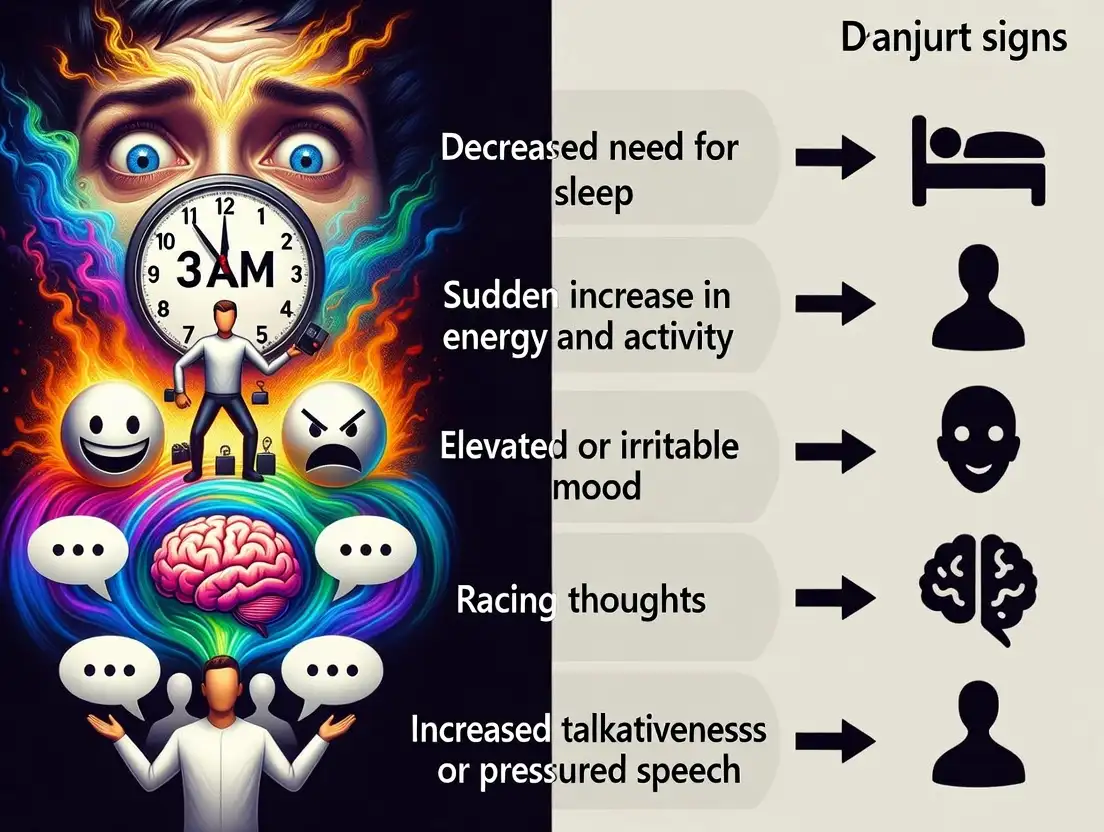
Shortening an episode is all about timing. If you can spot a manic episode early, you can intervene before the brain loses its regulatory control.
Behavioral Warning Signs:
- Decreased Need for Sleep: This is the “gold standard” warning sign. If someone is sleeping 3 hours a night and feels “great,” an episode is likely starting.
- Rapid Speech: Often called “pressured speech,” where the person talks so fast that others can’t interject.
- Increased Spending: Making large, impulsive purchases that are out of character.
Internal Cues:
- The “Buzz”: A feeling of electric energy in the chest or limbs.
- Over-Connectivity: Finding “deep meaning” in coincidences or seeing patterns that aren’t there.
How a Person With Bipolar Thinks During an Episode
To understand duration, you must understand the cognitive state. How a person with bipolar disorder thinks changes physically based on the episode.
- Manic Thought acceleration: The brain is making connections at a rate the person cannot filter. This leads to “flight of ideas,” where they jump from one topic to another. They often lose “insight,” meaning they truly believe they are not sick.
- Depressive Cognitive Slowing: In depression, the brain’s processing speed drops. Decisions feel impossible, and the person may experience “brain fog,” where they can’t remember simple words or follow a conversation.
This change in thinking is why willpower is ineffective. You cannot “think” your way out of a state where the “thinking tool” (the brain) is currently malfunctioning.
Can You Snap Out of a Bipolar Episode? (Myth vs. Reality)
One of the most damaging misconceptions about bipolar disorder is the idea that a person can simply “snap out of it” through willpower, positive thinking, or “pulling themselves together.” When friends or family ask how to snap out of a bipolar episode, they are often coming from a place of love, but they are misunderstanding the biology of the condition.
Why Willpower Fails
A bipolar episode is a neurochemical event, much like a seizure or a migraine. You cannot “will” your neurotransmitters to stop flooding your synapses. During mania, the prefrontal cortex (the brain’s CEO) is essentially offline, making rational self-correction physically impossible. In depression, the brain’s reward centers are so underactive that the “feel-good” chemicals required for motivation are simply not available.
What Actually Shortens an Episode
While you can’t snap out of it, you can intervene.
- Emergency Medication Shifts: A psychiatrist can often prescribe a “rescue” medication (like an increased dose of an antipsychotic or a sedative) to force sleep and reset the brain’s rhythm.
- Sensory Reduction: In mania, “dark therapy” (staying in a pitch-black room for 10–14 hours) has shown promising results in resetting the circadian clock.
- Hospitalization: Removing the environmental triggers and ensuring 24/7 medical supervision is often the fastest way to conclude a dangerous episode.
Why Bipolar Episodes Vary So Much in Length
If you look at clinical studies, the ranges for how long bipolar episodes last are huge. This variability is driven by specific biological and environmental “accelerants.”
The “Kindling” Effect
As mentioned previously, the more episodes a person has, the more “sensitized” the brain becomes. This can cause episodes to become longer and the stable periods between them to become shorter.
Environmental Triggers
- Stressful Life Events: A breakup or job loss can act as an anchor, keeping a person in a depressive state much longer than they would be in a vacuum.
- The Role of Light: Seasonal changes significantly impact episode length. “Seasonal mania” often occurs in the spring with increased sunlight, while “seasonal depression” hits in the winter.
- Medication Adherence: The most common reason an episode persists or returns quickly is “sub-therapeutic” dosing—when a person takes their meds inconsistently, allowing the “biological embers” of the episode to keep burning.
Reddit & Real-Life Experiences: Why Timelines Seem So Different
On platforms like Reddit, you will find users who say their manic episodes last only 48 hours and others who claim to have been manic for a year. Why the discrepancy?
Anecdotal Variation
Often, what people describe online are “mixed features” or “ultra-rapid cycling.” When someone says their episode lasted a year, they are often experiencing a series of back-to-back episodes with very little “stable” time in between. This is known as “cycling” rather than a single continuous episode.
Furthermore, “subjective time” changes during episodes. In mania, a week can feel like a day because the brain is moving so fast. In depression, an afternoon can feel like a month. This is why clinical tracking (using mood charts) is more reliable than memory when determining duration.
When Episode Duration Is a Red Flag
Not all episodes are created equal. Sometimes, the duration of a bipolar episode indicates that the current treatment plan is failing.
Signs of a “Red Flag” Episode:
- Increased Frequency: If episodes are happening more often (e.g., three times a year instead of once every two years), this is a sign of neuroprogression.
- Loss of “Euthymia”: If you no longer have periods where you feel “normal” or stable between the highs and lows, you may be moving into a chronic state.
- Resistance to Rescue Meds: If a previously effective “rescue” medication fails to stop a manic climb within a week, it’s time for a major clinical reassessment.
Treatment and Episode Length: What Actually Helps Shorten Episodes
The good news is that modern psychiatry has made significant strides in shortening the duration of bipolar episodes.
The Power of Mood Stabilizers
Drugs like Lithium or Lamotrigine act as a “floor and a ceiling.” They don’t just prevent episodes; they provide the brain with the chemical architecture needed to return to baseline faster. Studies show that patients on consistent mood stabilizers have episodes that are 30–50% shorter than those who are untreated.
Lifestyle Rhythm Stabilization
Interpersonal and Social Rhythm Therapy (IPSRT) is a specific type of therapy designed to shorten episodes by regulating the body’s clock.
- The “Anchor” Method: Waking up, eating, and exercising at the exact same time every day provides the brain with the “temporal anchors” it needs to stop a mood swing from becoming a month-long episode.
Frequently Asked Questions
How long does a manic episode last?
Clinical mania lasts at least 7 days but can persist for 3 to 6 months if left untreated. With medication, it can often be resolved in 2 to 4 weeks.
How long does bipolar depression last?
Depressive episodes are typically longer than mania, often lasting 6 to 12 months untreated. With treatment, this can be shortened to several weeks or a few months.
Can a bipolar episode last only one day?
While “ultra-ultra-rapid cycling” is discussed in some literature, clinical bipolar episodes must meet minimum time requirements (4 days for hypomania, 7 for mania) to be formally diagnosed. Shorter shifts are often referred to as “mood lability.”
Does bipolar medication shorten episodes?
Yes. Mood stabilizers and antipsychotics are specifically designed to reduce the intensity and the duration of active episodes, as well as prevent future ones.
Conclusion
Understanding how long bipolar episodes last is more than a clinical exercise; it is a vital tool for emotional survival. When you are in the midst of an episode, the distortion of time is one of the illness’s most challenging symptoms. Mania can make a week feel like an hour, while depression can make a single afternoon feel like an eternity.
However, as the data shows, these states are temporary. Whether an episode lasts for four days or four months, it has a beginning, a middle, and an end.
Authoritative References
- National Institute of Mental Health (NIMH): Bipolar Disorder Episode Criteria
- American Psychiatric Association: DSM-5-TR Diagnostic Standards
- Journal of Clinical Psychiatry: Long-term Outcomes and Episode Duration in Bipolar I and II
- The Lancet: Neuroprogression and the Kindling Effect in Affective Disorders
- Mayo Clinic: Bipolar Disorder: Symptoms, Length, and Treatment

Related Posts



Subscribe to Our Newsletter
Get mental health tips, updates, and resources delivered to your inbox.
MORE from Author
Read More In my practice as a clinical psychologist, I often observe that the difference between a patient who crumbles under pressure…
- We all have "up" days and "down" days. Perhaps you feel energized after a promotion or sluggish on a rainy…

 To define bipolar disorder accurately, we must look at it as a chronic mood dysregulation condition. In psychology and medicine,…
 To answer whether bipolar fits the bill, we first have to define what a neurodivergent person actually is. The term…
Are you looking for a Therapist?
Connect with qualified mental health professionals who understand
bipolar disorder, mood changes, and emotional challenges.
Private • Supportive • Confidential