
DBT Distraction Skills: How to Use ACCEPTS and Distress Tolerance to Survive Emotional Overload

Medically reviewed by Laura Athey Updated Date: February 23, 2026
Ever felt like your emotions were a runaway train? For many of my patients navigating the highs of mania or the heavy fog of bipolar depression, that “train” moves fast. When the intensity hits a 10 out of 10, logic usually leaves the building. You might feel a desperate urge to send a regrettable text, spend money you don’t have, or even hurt yourself just to feel something different.
This is where DBT distraction skills come in. These aren’t just “hobbies” to pass the time; they are clinical tools designed to keep you safe when your brain feels like it’s under siege. In my practice, I’ve seen these techniques act as a vital bridge between a crisis and a state of calm.
What Is Distress Tolerance in DBT?
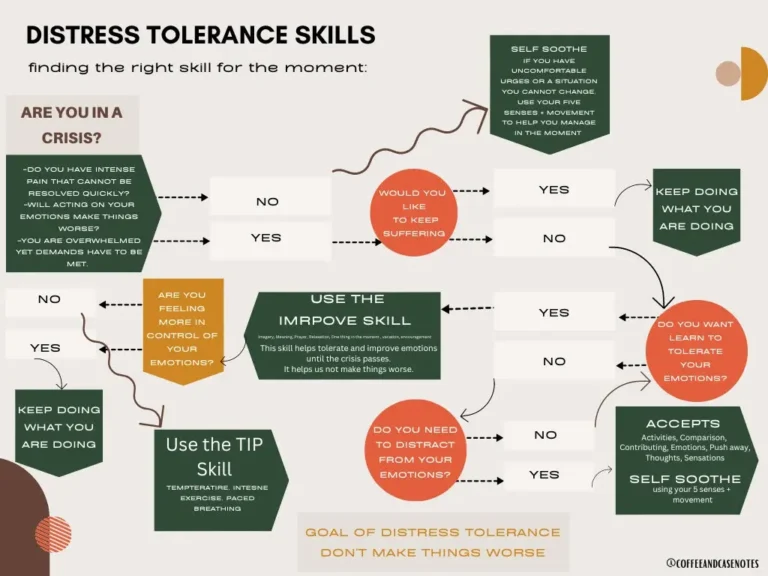
Distress tolerance in Dialectical Behavior Therapy (DBT) refers to skills that help individuals tolerate intense emotional pain without making the situation worse through impulsive or harmful behaviors. Developed by Dr. Marsha Linehan, these skills are the cornerstone of the “Crisis Survival” module.
In the world of mood disorders, we often talk about the “Window of Tolerance.” When you stay inside this window, you can process stress effectively. However, during bipolar emotional spikes, you get pushed “hyper-aroused” (mania/anxiety) or “hypo-aroused” (depressive shutdown). Distress tolerance isn’t about fixing the underlying problem—that comes later. It is about staying still while the storm passes. It is the psychological equivalent of a fire blanket; it won’t rebuild the house, but it stops the flames from spreading.
What Is a Distraction DBT Skill?
A distraction DBT skill is a short-term coping technique used to shift attention away from overwhelming emotional distress until the intensity decreases. I often hear patients worry that distraction is just “avoidance.” There is a critical clinical distinction here.
Avoidance is trying to ignore a problem forever. Distraction, in a DBT context, is a conscious choice to put a painful emotion on a shelf for thirty minutes because you are currently too overwhelmed to handle it safely. By using DBT distraction ideas, you are preventing Executive Function—the part of your brain that handles planning and impulse control—from being completely hijacked by the emotional centers of the brain.
Can Distraction Be Used as a Distress Tolerance Technique?
Absolutely. In fact, it is one of the most effective ways to lower your physiological “temperature.” When you are in a crisis, your sympathetic nervous system is screaming. Your heart rate is up, and your cortisol levels are spiking.
By engaging in a distraction dbt skill, you are literally forcing your brain to reallocate resources. The brain has a limited amount of attentional energy. If you are focused on a complex puzzle or a fast-paced game, you are pulling “fuel” away from the amygdala (the brain’s alarm system) and moving it toward the prefrontal cortex. This redirection reduces the “noise” of the emotional crisis, allowing your nervous system to reset naturally.
The Gold Standard of Distraction
The core of this module is the ACCEPTS acronym. I use this daily in my clinical work because it covers the various ways a human brain can pivot away from pain.
| Letter | Skill | Real-Life Bipolar Example |
| A | Activities | When mania makes your mind race, clean a single drawer or play a video game. |
| C | Contributing | If stuck in a “shame spiral,” text a friend a genuine compliment or volunteer. |
| C | Comparisons | Look back at a past depressive episode you survived to gain perspective on the current one. |
| E | Emotions | Feeling intense sadness? Watch a stand-up comedy special to induce a different state. |
| P | Pushing Away | Visualize putting your racing thoughts into a locked box until your therapy session. |
| T | Thoughts | If the “dark thoughts” are loud, count backward from 100 by 7s or read a book. |
| S | Sensations | Hold an ice cube in your hand or take a very hot or cold shower. |
In my practice, I often observe that patients fail with distraction because they pick the wrong “energy” for their mood. If you are in a manic state with high agitation, “Activities” like knitting won’t work—your hands are moving too fast. You need a high-intensity distraction like a vigorous workout or a fast-paced video game.
Conversely, if you are in a deep depressive crash, “Intense Exercise” might feel impossible. In those moments, “Sensations” (like a weighted blanket) or “Emotions” (a familiar movie) are much more effective. Matching the distraction to your current energy level is the secret to making these skills stick.
A Case From My Clinical Practice: “Marcus” and the Spending Urge

I once worked with a patient named Marcus who lived with Bipolar I. During his hypomanic phases, Marcus would feel a “magnetic pull” toward online shopping. He described it as a physical itch in his fingers. One Tuesday, he felt the urge to buy a $3,000 mountain bike he didn’t need and couldn’t afford.
In the past, he would have “avoided” the feeling by trying to ignore it, which only made the urge stronger. Instead, we turned to the DBT ACCEPTS skills.
- Activities: He started a high-intensity game of Tetris.
- Thoughts: He began naming every player on his favorite basketball team in alphabetical order.
- Sensations: He splashed ice-cold water on his face.
By the time he finished these three steps, the “itch” had dropped from a 9 to a 4. He was still tempted, but he was no longer “hijacked.” He used that 4-out-of-10 moment to call his sister (Interpersonal Effectiveness) and stay safe. Marcus didn’t “cure” his bipolar disorder that day, but he survived a crisis without financial ruin. That is the power of these skills.
DBT Distraction Skills List: 40+ Ideas for Your Toolkit
When you are in a crisis, you cannot think of what to do. You need a dbt distraction skills list ready to go. I recommend printing this or saving a DBT Distraction Skills PDF on your phone.
Low-Energy Options (For Depressive States)
- Watching a “comfort” TV show (Emotions)
- Petting a dog or cat (Sensations)
- Sorting a small pile of coins (Thoughts)
- Listening to a specific “calm” playlist (Sensations)
- Looking at old photos of happy memories (Comparisons)
High-Energy Options (For Manic or Anxious States)
- Sprints or heavy lifting (Activities)
- Cleaning a kitchen floor with a toothbrush (Activities/Sensations)
- Singing loudly along to music (Emotions)
- Playing a fast-paced strategy game (Thoughts)
- Tearing up old magazines or newspapers (Sensations)
Social Distraction Options
- Calling a crisis line just to talk (Contributing)
- Going to a coffee shop just to be “around” people without talking (Activities)
- Helping a neighbor with a small task (Contributing)
DBT List of Pleasurable Activities
While crisis skills are for emergencies, the DBT list of pleasurable activities is for “maintenance.” This is based on the concept of Behavioral Activation. In bipolar treatment, we know that doing small, pleasant things every day builds a “buffer” against depression.
If your life is 100% stress and 0% pleasure, you will have no resilience when a crisis hits. I encourage my patients to pick one item from a DBT list of pleasurable activities pdf every single day, regardless of how they feel. This isn’t about “feeling happy”—it’s about training your brain to recognize that pleasure is still possible.
How to Improve Your DBT Distraction Skills
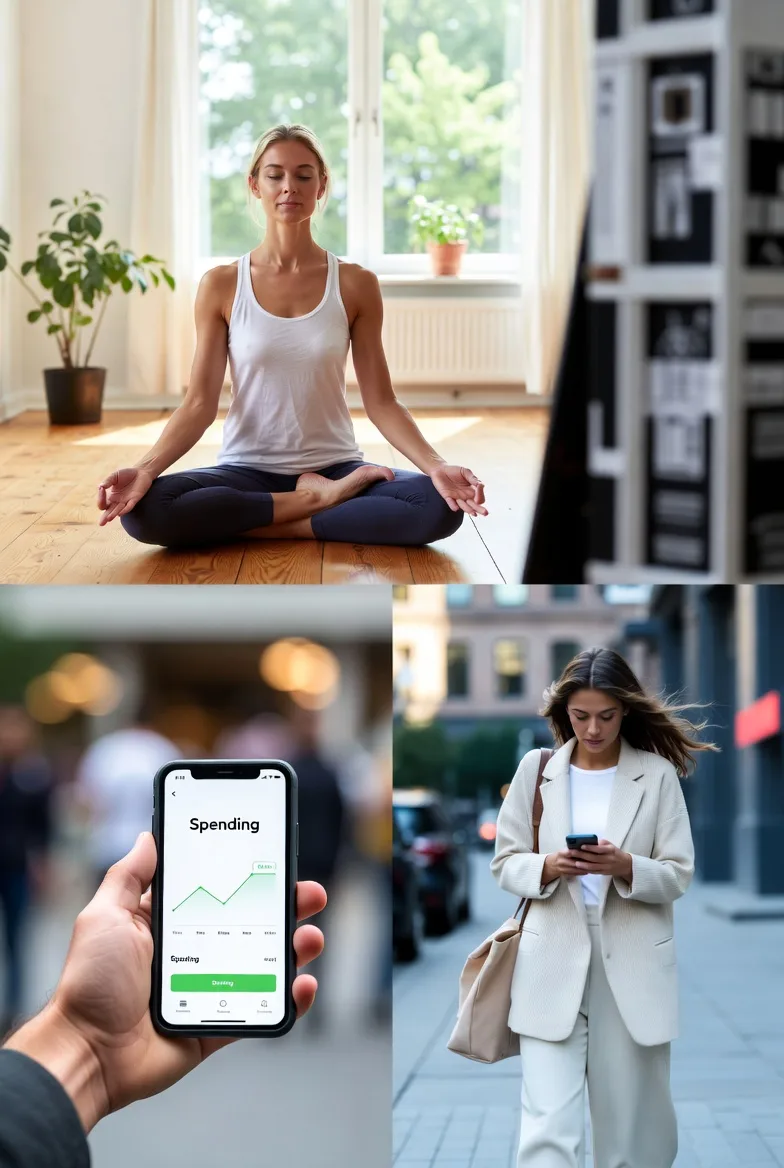
Simply knowing the acronym isn’t enough; you have to train your brain to reach for these tools when the “smoke” starts to rise. In my clinical sessions, I often use the analogy of a fire drill. You don’t learn how to use a fire extinguisher while the curtains are ablaze; you practice when things are calm. This is how we build neuroplasticity, the brain’s ability to create new pathways for responding to stress.
To improve your dbt distraction skills training, start by “habit stacking.” Choose a skill like Paced Breathing or a “Thought” distraction and pair it with a daily activity, like brushing your teeth. This makes the skill feel natural.
Furthermore, I recommend keeping a distraction dbt skills worksheet in your bag or on your fridge. When you are highly emotional, your Executive Function—the part of the brain that manages decision-making—is offline. Having a visual cue eliminates the need to “think,” allowing you to simply “do.”
Common mistakes I see involve patients waiting too long to start. If your distress is at a 10, distraction might feel impossible. Try to catch the urge when it’s at a 5 or 6. Also, remember that “distraction” doesn’t mean you are ignoring the problem forever. You are simply putting it in a “mental parking lot” until you have the capacity to drive it.
What Are the 4 (or 5) DBT Skills?
If you are new to this journey, it helps to see the big picture. DBT is a comprehensive system built on four primary modules:
- Mindfulness: Being present in the “here and now” without judgment.
- Distress Tolerance: Surviving a crisis without making it worse (this includes ACCEPTS).
- Emotion Regulation: Learning how to change the emotions that you want to change.
- Interpersonal Effectiveness: Getting what you need from others while maintaining self-respect and relationships.
Some clinicians also include a fifth module called Walking the Middle Path, which focuses on finding the balance between extremes—a vital skill for those navigating the polarities of Bipolar I and II.
Frequently Asked Questions
How do I use distraction without avoiding my problems?
The key is the “24-Hour Rule.” Use distraction to get through the acute crisis. Once your emotional “temperature” has dropped back to a baseline level, you must return to the problem using Emotion Regulation or Interpersonal Effectiveness skills to solve it.
What is the best distraction for bipolar mania?
High-energy distractions are best. Try “Intense Exercise” or “Activities” that require heavy focus, like a fast-paced video game or a complex creative project. The goal is to match the high energy of the mania with an equally high-energy (but safe) activity.
Can I use ACCEPTS for social anxiety?
Yes. “Contributing” is a fantastic tool for social anxiety. By focusing on how you can help someone else in the room (e.g., “I’ll help the host clear these plates”), you shift the focus away from your internal anxiety and toward an external task.
Why do DBT distraction skills feel like they aren’t working?
Usually, this happens because the chosen skill doesn’t match the level of distress. If you are at a 10/10, “watching a movie” won’t work. You need a “Sensation” skill, like an ice bath or “Intense Exercise,” to force a biological reset first.
Conclusion
Using DBT distraction skills is a proven way to reduce self-harm and hospitalization in individuals with mood disorders. Research from the Journal of Clinical Psychiatry indicates that consistent use of distress tolerance tools significantly improves the quality of life for those with Bipolar Disorder.
However, as a psychologist, I must emphasize that these tools are part of a larger clinical picture. They are not a replacement for medication, regular therapy, or emergency services. If you feel that you cannot keep yourself safe despite using these skills, please reach out for professional help immediately.
Managing a mood disorder is a marathon, not a sprint. By building your toolkit with dbt distraction ideas and practicing the ACCEPTS model, you are taking an active, heroic role in your own recovery. You are proving that while you may have a storm in your head, you are the captain of your ship.
References:
- National Institute of Mental Health (NIMH) – Psychotherapies
- Psychology Today – Dialectical Behavior Therapy
- National Alliance on Mental Illness (NAMI) – DBT
- Linehan Institute – Resources and Research
- SAMHSA – Mental Health Technology Transfer Center

Related Posts





Subscribe to Our Newsletter
Get mental health tips, updates, and resources delivered to your inbox.
MORE from Author
Read More Watching someone you care about struggle with bipolar depression and anxiety can be heartbreaking. You may notice that they withdraw…
 In my practice as a clinical psychologist, I often observe that the difference between a patient who crumbles under pressure…
 We all have "up" days and "down" days. Perhaps you feel energized after a promotion or sluggish on a rainy…
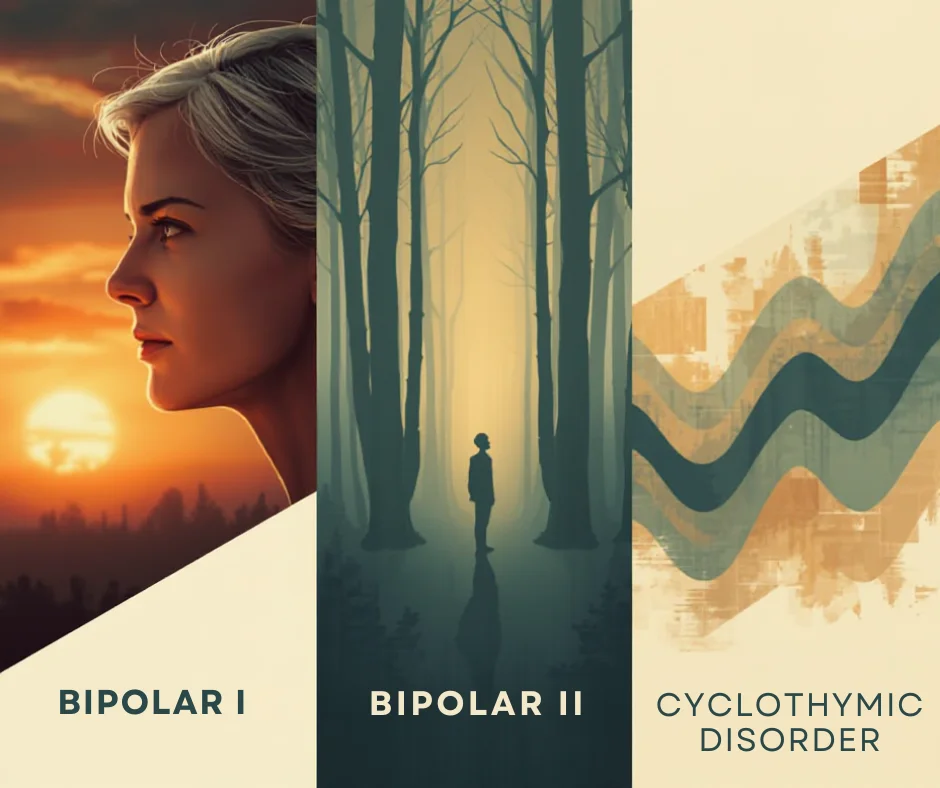 To define bipolar disorder accurately, we must look at it as a chronic mood dysregulation condition. In psychology and medicine,…
Are you looking for a Therapist?
Connect with qualified mental health professionals who understand
bipolar disorder, mood changes, and emotional challenges.
Private • Supportive • Confidential