
Sensory Regulation: What It Is, Why It Matters, and Practical Strategies for Autism & ADHD

Medically reviewed by Laura Athey Updated Date: April 14, 2026
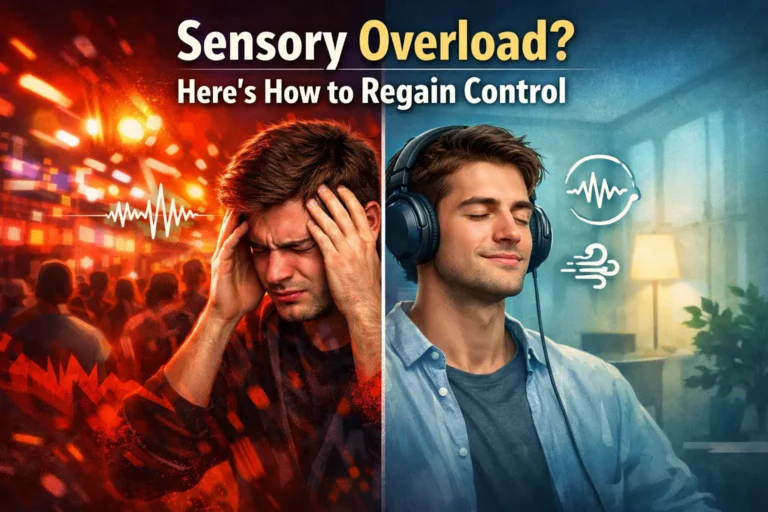
This guide explores the neurological and psychological aspects of sensory processing. It is for educational purposes and does not replace professional Occupational Therapy or psychological evaluation.
In my clinical practice, I often see patients—both children and adults—who are labeled as “anxious,” “explosive,” or “distracted.” Parents describe children who melt down over the seam of a sock, or adults describe coming home from work feeling physically battered by the fluorescent lights of their office.
What these individuals are often struggling with is not a behavior problem, but a sensory regulation challenge. Their nervous system is receiving input from the world—sights, sounds, textures, movement—and struggling to organize it into a feeling of safety.
Understanding sensory regulation is the key to unlocking emotional stability. It shifts the conversation from “What is wrong with you?” to “What does your body need right now?” In this guide, we will unpack the science of sensory processing, how it intersects with Autism and ADHD, and how to build a “sensory diet” that fosters calm and focus.
What Is Sensory Regulation?
To understand what sensory regulation is, we must look at the brain-body connection. Sensory regulation meaning: It is the neurological process by which the brain receives information from the senses (eyes, ears, skin, muscles, inner ear), organizes it, and produces an adaptive response.
Think of your brain as a volume mixer. A regulated brain can turn down the volume of the buzzing refrigerator while turning up the volume of the person talking to you.
- Regulated: You feel alert but calm. You can focus.
- Dysregulated: The “mixer” is broken. Background noise becomes painful (over-responsive), or you feel numb and sleepy (under-responsive).
What is the meaning of sensory regulation in mental health? It is the foundation of emotional regulation. You cannot talk yourself out of a panic attack if your body feels physically unsafe due to sensory overload. As I often tell my patients, “We must regulate the body before we can reason with the mind.”
Sensory Regulation vs Sensory Modulation
In clinical settings, you might hear the terms sensory regulation vs modulation used interchangeably, but there is a distinct difference.
- Sensory Modulation: This is the neurological process. It is the brain’s ability to filter out irrelevant information. It happens automatically. If you stop hearing the hum of your computer fan after 5 minutes, your brain has successfully modulated the sound.
- Sensory Regulation: This is the behavioral and physiological outcome. It includes the actions we take to maintain balance. If the computer fan is annoying you, and you put on noise-canceling headphones to focus, that is an act of self-regulation.
Why it matters: A child might have poor modulation (they hear everything at once), which leads to poor regulation (they throw a toy because they are overwhelmed).
What Is Sensory Regulation Disorder?
Is sensory regulation disorder a real diagnosis? Technically, no. It is not listed in the DSM-5 as a standalone condition. However, it is widely recognized by Occupational Therapists and psychologists as a component of Sensory Processing Disorder (SPD).
Signs of Dysregulation:
- Meltdowns: An involuntary “fight or flight” response to sensory overload. This is different from a tantrum; the person has lost control.
- Avoidance: Refusing to wear jeans, eat certain textures (mushy foods), or enter loud rooms (school cafeterias).
- Sensory Seeking: Constantly crashing into furniture, touching everything, or making loud noises. This is the body’s attempt to “wake up” the nervous system.
In my practice, I frequently see this misdiagnosed as anxiety. A patient isn’t anxious about the party; they are anxious about the sensory assault of the party.
Sensory Regulation and Felt Safety
One of the most profound concepts in modern psychology is the link between sensory regulation and felt safety. Based on the Polyvagal Theory (Dr. Stephen Porges), our nervous system is constantly scanning for danger. This is called neuroception.
- Regulated State (Ventral Vagal): The body feels safe. Heart rate is steady, breath is deep. We can socialize, learn, and play.
- Dysregulated State (Sympathetic/Dorsal): If sensory input is too intense (a loud siren) or too chaotic, the brain perceives a threat. It shifts into Fight/Flight (aggression/anxiety) or Freeze (shutdown).
Why safety precedes learning: You cannot teach a dysregulated child math, and you cannot have a rational argument with a dysregulated partner. Their brain is in survival mode. Interventions must focus on restoring felt safety—often through sensory tools like deep pressure or rhythmic movement—before cognitive processing can come back online.
Sensory Regulation in Autism
Sensory regulation autism challenges are a core diagnostic criterion for Autism Spectrum Disorder (ASD). The autistic brain often has a “hyper-connected” or “hypo-connected” sensory processing system.
- Hypersensitivity (Over-responsive): A gentle touch can feel like a burn. Fluorescent lights can flicker like strobe lights. This leads to rapid overstimulation and meltdowns.
- Hyposensitivity (Under-responsive): The person may not feel pain, cold, or hunger cues. They may spin, rock, or flap their hands (stimming) to generate the sensory input their brain craves.
- Predictability: Autistic individuals often use routines to regulate. Knowing exactly what will happen next reduces the “sensory load” of the unknown.
Clinical Insight: Many of my autistic patients describe “masking” their sensory pain all day at school or work, only to collapse in exhaustion the moment they get home. This is why the “after-school restraint collapse” is so common.
ADHD Sensory Regulation
While similar, ADHD sensory regulation has a different flavor. The ADHD nervous system is driven by a need for dopamine and stimulation.
- Under-stimulation (The Boredom Trap): An ADHD brain that is under-stimulated feels painful/agitated. This leads to sensory seeking—fidgeting, talking excessively, or picking at skin—to keep the brain awake.
- Overstimulation (The Crash): Conversely, because of poor “gating” (filtering), people with ADHD often take in too much information at once. They may become suddenly irritable or enraged when asked to do one more thing (like answer a question) while the TV is on.
- Emotional Reactivity: In ADHD, sensory dysregulation feeds directly into emotional impulsivity. A sensory annoyance (an itchy tag) can trigger an immediate emotional explosion.
Types of Sensory Regulation

To help a person regulate, we must identify which sense is dysregulated. We have 8 sensory systems, not just 5.
Vestibular Sensory Regulation (Movement)
- What it is: The sense of balance and movement, located in the inner ear. It tells us where our head is in space.
- Dysfunction: Fear of feet leaving the ground (gravitational insecurity) OR constant need to spin and swing.
- Regulation Tool: Rhythmic swinging (calming) or spinning (alerting).
Proprioceptive Sensory Regulation (Body Position)
- What it is: Input from muscles and joints. It tells us where our body parts are.
- Dysfunction: Clumsiness, bumping into walls, using too much force (breaking pencils).
- Regulation Tool: “Heavy work”—pushing, pulling, lifting, or deep pressure squeezes. This is universally calming.
Tactile (Touch)
- Dysfunction: Hatred of tags/seams (tactile defensiveness) or constant need to touch soft/rough textures.
Visual
- Dysfunction: Overwhelmed by clutter or bright lights.
- Regulation Tool: Dimming lights, decluttering visual space.
Auditory
- Dysfunction: Distracted by background hums or terrified of sudden loud noises.
Interoception (Internal State)
- What it is: Feeling hunger, thirst, needing the bathroom, or heart rate.
- Dysfunction: “Hangry” without realizing it; toileting accidents because the urge isn’t felt.
Sensory Regulation Strategies
Once we identify the sensory need, we can apply specific sensory regulation strategies. These are not “one size fits all”—what calms one person may irritate another. We generally categorize strategies into three buckets: Environmental, Movement, and Deep Pressure.
Environmental Strategies
- Lighting: Fluorescent lights flicker at a rate the nervous system detects, causing stress. Switch to warm LED lamps or use “cozy shades” to diffuse harsh light.
- Noise Reduction: Use noise-canceling headphones during high-stress times (commutes, school assemblies). Create a “quiet corner” with sound-dampening panels or pillows.
- Visual De-cluttering: For easily overwhelmed brains, seeing a messy desk is like hearing screaming. Keep spaces minimalist and use closed storage.
Movement-Based Strategies (Vestibular)
- Linear Movement: Rocking in a chair or swinging back and forth is universally calming (think of rocking a baby).
- Rotary Movement: Spinning is alerting. Use with caution—it can cause overstimulation quickly.
- Inversion: Hanging upside down (off a couch or on monkey bars) regulates the vestibular system rapidly.
Deep Pressure Strategies (Proprioceptive)
- Heavy Work: Carrying groceries, pushing a laundry basket, or “wall push-ups.” This input to the joints releases calming neurotransmitters (serotonin/dopamine).
- Compression: Tight clothing (like Under Armour or compression vests) provides constant boundary feedback, helping the body feel “held together.”
Cognitive Regulation Tools
- Visual Schedules: Reduces anxiety by making the abstract (“get ready”) concrete (pictures of: brush teeth -> shoes -> backpack).
- Breathing Exercises: The “4-7-8” breath (inhale 4, hold 7, exhale 8) mechanically slows the heart rate.
Sensory Regulation Activities for Kids
Sensory regulation activities for kids should look like play. The goal is to engage the senses to help the child find their “just right” state.
Preschool (Ages 3-5)
- Obstacle Courses: “Crawl under the table (proprioception), jump over the pillow (vestibular), and balance on the tape line.”
- Sensory Bins: Rice, beans, or water play. Finding hidden toys in textures builds tactile tolerance.
- Animal Walks: “Stomp like a bear” (heavy work) or “slither like a snake” (core engagement).
School-Age (Ages 6-12)
- “Burrito” Roll: Roll the child tightly in a blanket (deep pressure) and pretend to put toppings on them.
- Chewing/Crunching: Crunchy snacks (carrots, pretzels) or chewing gum provide oral proprioception that helps focus during homework.
- Heavy Lifting: Have them help carry the milk jug, push the vacuum, or wipe down tables.
Sensory Regulation Activities for Adults

Sensory regulation adults often neglect their own needs, viewing them as “childish.” However, a regulated nervous system makes you a better partner, parent, and employee.
- Structured Exercise: Weightlifting, yoga, or Pilates provides intense proprioceptive input. Swimming provides full-body hydrostatic pressure (calming).
- Deep Pressure Tools: Using a weighted lap pad while working at a desk can reduce anxiety and improve focus.
- Workplace Adaptations: If you have an office, turn off overhead lights. If open-plan, use noise-canceling earbuds with brown noise (which masks speech better than white noise).
- Quiet Reset Routines: A 10-minute transition ritual between work and home—sitting in the car in silence, a hot shower, or changing into “soft clothes” immediately.
Sensory Regulation Occupational Therapy
If sensory issues impact daily life (school refusal, inability to eat, meltdowns), sensory regulation occupational therapy is the frontline treatment.
What an OT Does:
- Assessment: Uses tools like the Sensory Profile 2 to map out your specific sensory needs (e.g., “You are auditory avoidant but vestibular seeking”).
- Sensory Diet Creation: A personalized schedule of sensory activities designed to keep the nervous system regulated throughout the day.
- Sensory Integration Therapy (ASI): Clinic-based play therapy using suspended equipment (swings, ziplines) to rewire how the brain processes input.
- School Collaboration: Helping teachers implement “movement breaks” or quiet corners in the IEP (Individualized Education Program).
Examples of Sensory Regulation in Daily Life
What is an example of sensory regulation? You likely do it without realizing it.
- The Adult: Chewing on a pen cap during a stressful meeting (Oral Motor regulation).
- The Child: Hiding under a heavy pile of coats at a party (Visual avoidance + Deep Pressure seeking).
- The Student: Rocking back on the hind legs of a chair (Vestibular seeking to stay alert).
- The Parent: Taking a deep breath and counting to ten (Breathwork regulation).
Frequently Asked Questions
What is sensory regulation?
Sensory regulation is the ability to adjust your energy level and emotions to match the situation by processing sensory input effectively. It allows you to feel safe, focused, and calm.
What is sensory regulation in autism?
In autism, sensory regulation involves managing the intense over-responsiveness (pain from noise/light) or under-responsiveness (need for movement/pressure) that is characteristic of the autistic brain.
What are the different types of sensory regulation?
The main types correspond to the sensory systems: Vestibular (balance/movement), Proprioceptive (body position/pressure), Tactile (touch), Visual, Auditory, Olfactory (smell), Gustatory (taste), and Interoceptive (internal feelings).
What are sensory regulation strategies?
Strategies include environmental changes (dim lights), movement activities (swinging, jumping), deep pressure tools (weighted blankets), and oral motor tasks (chewing gum).
What is an example of sensory regulation?
Wearing noise-canceling headphones in a busy grocery store to prevent anxiety is a classic example of using a tool for sensory regulation.
Is sensory regulation disorder a diagnosis?
No, “Sensory Regulation Disorder” is not a DSM-5 diagnosis. It falls under “Sensory Processing Disorder” (SPD), which is widely treated by OTs but often diagnosed as part of Autism or ADHD by physicians.
Can adults benefit from sensory regulation activities?
Absolutely. Adults often have undiagnosed sensory needs. Strategies like heavy weightlifting, yoga, or using fidget tools can significantly reduce anxiety and workplace burnout.
What does occupational therapy do for sensory regulation?
OTs assess your sensory profile and create a “sensory diet”—a personalized plan of activities and accommodations to help rewire the brain’s response to stimuli and improve daily functioning.
Conclusion
Sensory regulation is not just for children, and it is not just “bad behavior.” It is the biological foundation of how we experience the world. Whether you are navigating Autism, ADHD, or just a high-stress life, respecting your sensory needs is a profound act of self-care.
By moving from judgment (“Stop fidgeting!”) to curiosity (“Does your body need to move to focus?”), We create environments where brains can thrive. Start small—a weighted blanket, a quiet corner, a movement break—and watch how the nervous system responds with a sigh of relief.
References:
- STAR Institute (Sensory Processing Disorders)
- Child Mind Institute
- Understood.org
- American Occupational Therapy Association (AOTA)
- ADDitude Magazine (Medical Review Board)

Related Posts






Subscribe to Our Newsletter
Get mental health tips, updates, and resources delivered to your inbox.
MORE from Author
Read More Watching someone you care about struggle with bipolar depression and anxiety can be heartbreaking. You may notice that they withdraw…
 In my practice as a clinical psychologist, I often observe that the difference between a patient who crumbles under pressure…
 We all have "up" days and "down" days. Perhaps you feel energized after a promotion or sluggish on a rainy…
 To define bipolar disorder accurately, we must look at it as a chronic mood dysregulation condition. In psychology and medicine,…
Are you looking for a Therapist?
Connect with qualified mental health professionals who understand
bipolar disorder, mood changes, and emotional challenges.
Private • Supportive • Confidential