
Spoon Theory: Managing Energy with Chronic Illness, ADHD, and Autism

The Spoon Theory is a vital clinical metaphor used to explain the limited energy reserves of those with invisible disabilities. While a healthy person starts their day with an unlimited supply of “spoons,” individuals with chronic illness, ADHD, or Autism begin with a fixed, often small, number.
In chronic illness, spoons represent physical stamina; every movement costs a unit due to systemic inflammation or pain. For those with ADHD, spoons symbolize executive function. The mental effort required to initiate a mundane task can drain several spoons at once. In Autism, spoons represent sensory and social capacity. Navigating a loud, bright world or “masking” in social settings depletes the drawer rapidly.
By grouping these conditions, we acknowledge that energy isn’t just physical—it’s cognitive and sensory. Understanding your spoon count allows for better pacing, reduced shame, and a lower risk of total burnout.
In my years of clinical practice at Reflection Psychological Services, I have found that the most profound healing often comes from finding the right “map” for our internal storms. Whether I am working with a child navigating ADHD or an adult managing the complexities of Bipolar Disorder, the struggle is often the same: a gap between what we want to do and what our energy allows us to do.
What Is Spoon Theory?
Have you ever woken up feeling like your “battery” was already at ten percent? For millions of people living with invisible disabilities, this isn’t just a bad morning—it is a daily reality. This is where spoon theory becomes a vital lifeline. Originally created to explain the burden of chronic illness, the spoon theory is a metaphor used to describe the limited amount of mental and physical energy a person has for daily tasks.
While most healthy people have a seemingly infinite supply of energy, “Spoonies”—a term used by the community—must budget every movement. Every shower, meal, or work email “costs” a spoon. Once you run out of spoons, you cannot simply push through. Your body or mind effectively shuts down.
What started as a kitchen-table conversation has grown into a global movement. Today, people use the spoon theory to describe experiences with depression, anxiety, and neurodivergence, like ADHD and autism. It provides a common language for those who look “fine” on the outside but are struggling internally. By the end of this guide, you will understand what the spoon theory is and how to use it to reclaim your life, set boundaries, and foster self-compassion.
Where Did Spoon Theory Come From?
You might wonder, where did the spoon theory come from? It didn’t start in a medical journal or a clinical study. Instead, it began in a diner. The credit for who created the spoon theory goes to Christine Miserandino, an award-winning writer and patient advocate.
In 2003, while grabbing a bite with a close friend, Miserandino was asked what having Lupus actually felt like. Her friend had seen her take pills and get sick, but she didn’t truly understand the limitations. Christine Miserandino’s spoon theory was born in that moment of frustration and a need for clarity.
Looking around the table for a visual aid, she grabbed every spoon she could find from nearby tables. She handed them to her friend and said, “Here, you have Lupus.” As her friend described her normal daily routine, Miserandino took a spoon away for every task. By the end of the “day,” her friend was devastated to see she had no spoons left for dinner or fun. This powerful spoon theory origin story gave a voice to the millions suffering in silence.
The Original Spoon Theory Story

The spoon theory original story is a deeply emotional piece of writing. In her essay, Miserandino describes the “price” of being sick. She explains that people with spoon theory lupus, or other conditions, never have the luxury of being spontaneous.
The story highlights a specific moment when her friend realized she couldn’t even wash her hair because she had used her last spoon on a different task. This is the reality of the chronic illness spoon theory. It isn’t just about being tired; it is about the constant, exhausting mental math of survival.
Many patients keep the spoon theory pdf or a copy of the essay to show their doctors and families. The story resonates because it validates the grief of losing your former, high-energy self. It teaches the observer that “looking healthy” is not the same as “being healthy.” The emotional impact of the original story helped the metaphor go viral, eventually becoming the primary way we discuss energy depletion in modern medicine and social media.
Why Spoons?
It is a common question: why spoons in the spoon theory? Why not toothpicks, coins, or batteries? The answer is as simple as it is brilliant. When Christine was in that diner, the spoons were simply what was available. They were tangible, cold, and heavy in the hand.
So, why is it called the spoon theory specifically? Because spoons are a “unit of measurement” that everyone understands. They are mundane. By using an everyday object to describe a complex medical struggle, Miserandino made the invisible visible.
Spoon theory: why spoons work because they are a physical weight. When you hold 12 spoons, your hands are full. As they are taken away, you feel the lightness—the loss—of your capability.
Metaphors are powerful tools in healthcare. They bridge the gap between a patient’s subjective experience and a caregiver’s understanding. Using a kitchen utensil makes the conversation less clinical and more human. It turns a scary medical diagnosis into a manageable visual game, which helps lower the barrier to communication.
How Does Spoon Theory Work?
Understanding how the spoon theory works requires a shift in how you view a “to-do” list. For most, a list is about time management. For a Spoonie, it is about energy management.
To learn how to use the spoon theory, you must first identify your “cost per task.” This isn’t the same for everyone. For someone with POTS (Postural Orthostatic Tachycardia Syndrome), standing in line at the grocery store might cost 4 spoons, while for someone with depression, it might be the act of brushing teeth that feels the heaviest.
Here is the breakdown of how to explain the spoon theory to others:
- The Budget: You start with a set number of spoons (often 12).
- The Expenditure: Every physical or mental effort removes a spoon.
- The Deficit: If you overreach, you hit a “spoon debt.” This usually results in a “crash” where you might be bedbound the next day.
- The Recovery: Spoons are mostly replenished by high-quality sleep, but for many, you never wake up with a “full drawer.”
The goal of using the spoon theory is to finish your day with at least one spoon left. This “safety spoon” ensures you can handle emergencies, like a child crying or a sudden phone call, without total collapse.
How Many Spoons Do I Have?
One of the most frequent searches is the spoon theory how many spoons should I start with? While there is no medical “test” for this, the community often references a baseline. So, what are the 12 spoons of energy? In the original story, 12 was the arbitrary number used to show that life is short on resources. However, in reality, the spoon theory how many spoons do I have is a number that changes daily. Some days you might wake up with 15 spoons (a “good” day). Other days, due to weather, stress, or a flare-up, you might wake up with only 3.
Factors that influence your count include:
- Sleep Quality: Did you get REM sleep?
- Nutrition: Did you fuel your body?
- Stress: Are you in a “fight or flight” state?
- Weather: Many chronic pain patients lose spoons in cold or humid weather.
Don’t get caught up in the literal number. The point of the spoon theory is the limitation, not the specific count.
How to Get More Spoons
Is it possible to “hack” the system? People often ask the spoon theory how to get more spoons. While you can’t magically cure a chronic condition with a metaphor, you can optimize your “spoon usage” through pacing.
To master how to use the spoon theory, follow these clinical strategies:
- Pacing: Break big tasks into tiny pieces. Don’t clean the whole kitchen; just wash three plates.
- Outsourcing: If you have the means, use grocery delivery. This saves the 3 spoons you would spend walking the aisles.
- Resting Before You Are Tired: This is the golden rule of energy management.
- Environmental Tweaks: Use a shower chair or a stool while cooking. This reduces the “physical cost” of the task.
Learning how to use the spoon theory effectively means being ruthless with your “no.” Every time you say “no” to an event that doesn’t serve you, you are “saving” a spoon for something that does.
How to Apply Spoon Theory to Daily Life
Many people ask, how can I apply the spoon theory to my life? The transition from understanding the metaphor to living it takes practice. It starts with a “morning audit.” Before you even step out of bed, check your internal gauge. Are you starting with a full set of spoons, or did you wake up in a deficit?
To effectively learn how to use the spoon theory, you should categorize your daily chores by “spoon cost.” For instance, a high-stakes work meeting might cost 4 spoons. Conversely, watching a movie might actually “recharge” half a spoon for some.
Practical examples of how to use the spoon theory include:
- The Workplace: If you have a big presentation, you might choose to order takeout for dinner. This ensures you don’t run out of energy before the workday ends.
- Social Life: Inform your friends that you are “low on spoons.” This simple phrase sets an expectation that you might need to leave early or skip the after-party.
- Parenting: Use the metaphor to teach children about boundaries. “Mommy is out of spoons right now” is an easy way for kids to understand why you need a quiet moment.
By being intentional, you stop reacting to exhaustion and start predicting it. This proactive approach is the secret to avoiding the “boom and bust” cycle common in chronic care.
Spoon Theory and Chronic Illness
When we look at spoon theory and chronic illness, we see the primary reason this tool exists. Conditions like Lupus, Fibromyalgia, and Multiple Sclerosis are often fluctuating. One day, you are functional; the next, you are paralyzed by pain.
For those using spoon theory for chronic illness, the metaphor validates the “invisible” nature of their pain. In the chronic illness spoon theory, we often discuss “systemic inflammation” as the great spoon-thief. When your immune system is attacking your own tissues, it uses up massive amounts of ATP (adenosine triphosphate), the body’s cellular fuel.
Common conditions where the spoon theory of chronic pain is applied:
- Fibromyalgia: Where sensory processing issues make every task feel “heavier.”
- Rheumatoid Arthritis: Where joint stiffness increases the “spoon cost” of movement.
- Ehlers-Danlos Syndrome (EDS): Where joint instability requires more muscular energy just to stand.
In these cases, the theory acts as a bridge between the patient and the clinician. It allows a doctor to understand that “fatigue” isn’t just being tired—it is a literal inability to perform basic biological functions due to lack of resources.
Spoon Theory and Mental Health
In recent years, the spoon theory mental health connection has gained massive traction. But how can the spoon theory be applied to mental health? Unlike physical illness, mental health struggles like Major Depressive Disorder or Generalized Anxiety Disorder drain “cognitive spoons.”
When you are in a depressive episode, the simple act of “existing” costs more. Brushing your hair isn’t just a 1-spoon task; it might cost 5 spoons because of the intense mental fog and lack of motivation. Anxiety is also a high-cost state. Being in a state of hyper-vigilance or “fight or flight” burns through your daily budget before lunchtime.
Mental Health Applications of the theory help reduce the shame associated with “laziness.” It reframes the struggle as a resource issue. If you only have 2 spoons and you use them both to survive a panic attack, you have none left for the laundry. That isn’t a moral failure; it is a biological reality. Using this language helps patients communicate with therapists and loved ones about their current capacity without needing to explain the dark details of their symptoms every time.
Spoon Theory and ADHD
If you’ve heard of the spoon theory adhd connection, you know it centers on executive dysfunction. While a person with chronic pain might lose spoons to physical movement, a person with ADHD loses them to “transitions” and “task initiation.”
What is the Spoon Theory of ADHD? It is the understanding that “doing the thing” costs more for an ADHD brain. Making a phone call isn’t just dialing numbers. It is finding the number, remembering why you are calling, and overcoming the mental “wall of awful” to start.
Key aspects of adhd spoon theory include:
- Decision Fatigue: Making small choices (like what to eat) can drain 3 spoons by 9:00 AM.
- Hyperfocus: Sometimes, an ADHD person finds a “hidden stash” of spoons for a special interest, only to crash twice as hard later.
- Sensory Processing: Loud offices or bright lights act like a “leak” in the spoon drawer, slowly draining energy all day.
Recognizing these “hidden costs” allows neurodivergent individuals to set up systems—like meal prepping or using noise-canceling headphones—to protect their limited resources.
Spoon Theory and Autism
For the autistic community, the spoon theory of autism is often used alongside “Sensory Processing Disorder.” Many people wonder, what is the spoon theory of autism specifically? It often relates to the “cost of masking.”
“Masking” is the process of suppressing autistic traits to fit into a neurotypical world. This is incredibly draining. For an autistic person, an hour of social interaction might cost 8 spoons, whereas a neurotypical person might actually gain energy from the same event.
In the autism spoon theory, we also look at sensory overload. A grocery store isn’t just a place to buy food; it is a barrage of fluorescent lights, humming refrigerators, and crowded aisles. Each of these sensory inputs takes a “micro-spoon.” By the time the person reaches the checkout line, they may be approaching a “meltdown” or “shutdown” because they have zero spoons left to process the environment. Using this metaphor helps caregivers understand why an autistic individual might need hours of “darkroom time” after a school day or a party.
Benefits of Using Spoon Theory

What are the benefits of using the spoon theory? Beyond just having a clever name for being tired, it offers profound psychological advantages. First, it fosters self-compassion. When you view your energy as a physical object, you stop blaming your character for your lack of productivity.
Other key benefits include:
- Improved Communication: It gives you a shorthand. Saying “I’m low on spoons” is faster and less draining than explaining a complex symptom flare.
- Boundary Setting: It provides a logical reason to say no. It shifts the focus from “I don’t want to” to “I don’t have the capacity.”
- Reduced Shame: It validates that your experience is real. It reminds you that you are playing the game of life on “hard mode.”
- Better Planning: By tracking your spoons, you can predict when you will need extra rest, which prevents the cycle of total burnout.
For many, the biggest benefit is the community. Identifying as a “Spoonie” instantly connects you to millions of others who understand exactly what it’s like to choose between a shower and a meal.
Criticisms of the Spoon Theory
While widely loved, there are valid criticisms of the spoon theory. As a medical professional, I believe it is important to look at the full picture. Some argue that the metaphor is an oversimplification. Human biology is more complex than a handful of utensils.
Another critique is that it can feel limiting. Some patients worry that focusing too much on their “spoon count” might lead to “fear-avoidant behavior,” where they stop trying activities because they fear the energy cost.
Finally, there are cultural limitations. The metaphor assumes access to a specific type of kitchen culture. This has led to the creation of alternatives, such as:
- The Battery Theory: A more modern take that resonates with the digital generation.
- The Matchstick Theory: Used to describe the “burnout” specifically associated with neurodivergence.
- The Stress Bucket: A psychological model focusing on emotional capacity.
Understanding these critiques doesn’t make the spoon theory less valuable. Instead, it allows patients to adapt the metaphor to fit their specific needs and lifestyles.
Frequently Asked Questions
What is the Spoon Theory in simple terms?
The spoon theory is a metaphor used to explain the limited energy of people with chronic illness or disability. Each “spoon” represents a unit of energy. Once the spoons are gone, the person must rest, or they will crash.
How does the Spoon Theory work?
Users start their day with a set number of spoons. Every task—like showering, driving, or working—costs a certain number of spoons. The goal is to manage these “units” to avoid running out before the day ends.
What is the Spoon Theory of ADHD?
In ADHD, the theory focuses on executive dysfunction. Simple tasks like starting a project or making a phone call cost more “spoons” due to the intense mental effort required for initiation and focus.
What are the 12 spoons of energy?
The “12 spoons” is a symbolic number from the original story by Christine Miserandino. It represents a typical daily budget for a person with a chronic condition, though the actual number varies by person and day.
Who created the Spoon Theory?
The theory was created by Christine Miserandino in 2003. She used spoons at a diner to explain the reality of living with Lupus to a close friend.
How can I apply the spoon theory to my life?
Start by identifying your “high-cost” tasks. Use your spoons for your top priorities first. Communicate your “spoon status” to friends and family to help them understand your needs and boundaries.
Conclusion
In the final analysis, spoon theory is more than just a viral trend. It is a vital tool for medical advocacy and personal empowerment. Whether you are dealing with chronic illness, spoon theory, or navigating the complexities of spoon theory adhd, this metaphor gives you a seat at the table.
It reminds us that everyone’s “full” looks different. By using this language, we foster a world that is more empathetic to invisible struggles. If you find yourself struggling to keep up, remember: you are not lazy. You are simply working with a different set of tools.
If your fatigue feels unmanageable or your “spoon count” has dropped suddenly, please consult a healthcare professional. There may be underlying medical issues that require a formal diagnosis and treatment plan.
Authoritative References
1. But You Don’t Look Sick: The Spoon Theory
2. National Institutes of Health (NIH): Lupus and Chronic Fatigue
3. Centers for Disease Control and Prevention (CDC): ME/CFS Management (Pacing)
4. Cleveland Clinic: Understanding ADHD and Executive Dysfunction
5. American Psychological Association (APA): The Impact of Chronic Illness on Mental Health
Related Posts




Subscribe to Our Newsletter
Get mental health tips, updates, and resources delivered to your inbox.
MORE from Author
Read More ADHD and depression often occur together, and each makes the other harder to live with. Adults with ADHD are almost…
 We all have "up" days and "down" days. Perhaps you feel energized after a promotion or sluggish on a rainy…
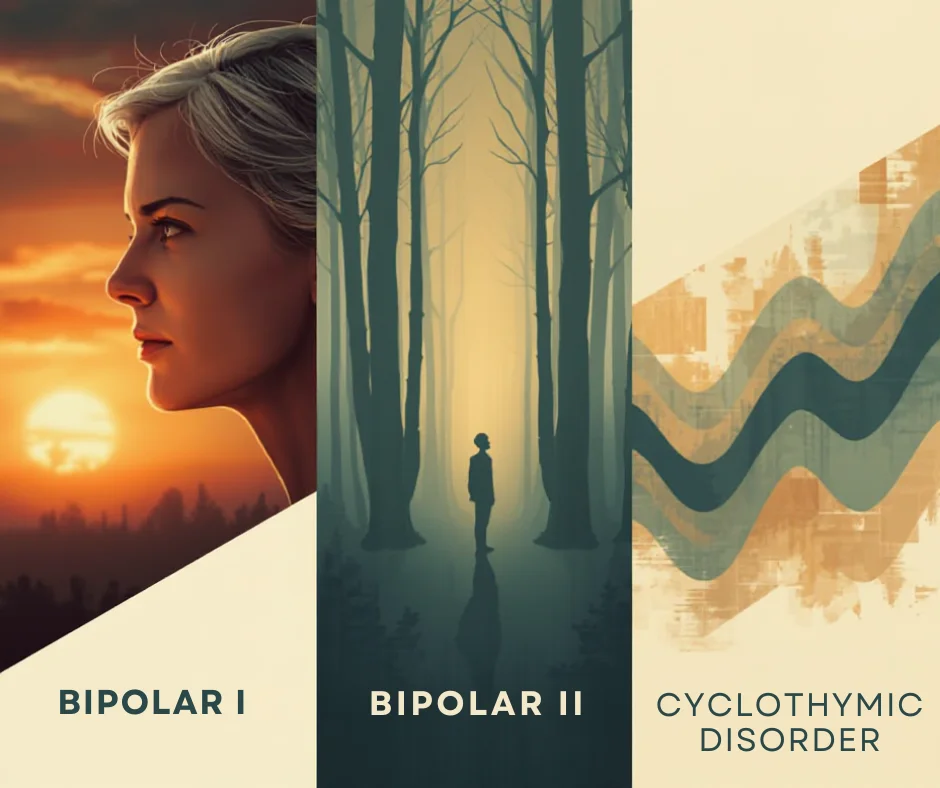 To define bipolar disorder accurately, we must look at it as a chronic mood dysregulation condition. In psychology and medicine,…
Are you looking for a Therapist?
Connect with qualified mental health professionals who understand
bipolar disorder, mood changes, and emotional challenges.
Private • Supportive • Confidential