
Proprioceptive Input: Activities, Examples, and Why It Is So Powerful

Medically reviewed by Laura Athey Updated Date: April 4, 2026
Have you ever noticed a child who constantly crashes into the sofa, or perhaps an adult who finds profound peace only after a heavy session at the gym? These behaviors are often more than just high energy; they are a biological quest for proprioceptive input.
But what is proprioceptive input, and why does it have such a transformative effect on the human nervous system? Simply put, it is the sensory information that tells our brain where our body is in space.
What is proprioceptive sensory input for the average person? It is the “grounding” force that helps us feel secure and regulated. This guide explores the definition, the calming science behind deep pressure, and a wealth of activities for kids, toddlers, and adults.
Whether you are navigating ADHD, autism, or just looking for a better bedtime routine, understanding this sense is a game-changer.
What Is Proprioceptive Input?
To master sensory regulation, we must start with a clear proprioceptive input definition. Proprioception is often called the “sixth sense.” While our eyes tell us what we see, our proprioceptive system tells us how our muscles and joints are moving.
The proprioceptive input meaning refers to the specific sensations of deep pressure, stretching, and contraction that occur within our musculoskeletal system.
What Is Proprioceptive Sensory Input?
When people ask what is proprioceptive input? In a clinical sense, they are referring to the “heavy work” that provides feedback to the brain. This differs from general movement (like walking) because it specifically requires resistance or weight-bearing.
What is proprioceptive sensory input? It is the feeling of a firm hug, the pull of a resistance band, or the weight of a heavy grocery bag. It is the “input” that tells the brain: “You are here, and you are safe.”
In my clinical experience, proprioception is the “Swiss Army Knife” of sensory regulation. I often see patients—both children and adults—who appear “disorganized” or “flighty.” Frequently, they aren’t lacking focus; they are lacking a sense of physical grounding.
By introducing proprioceptive “heavy work” into their daily rhythm, we can essentially anchor their nervous system, allowing the prefrontal cortex to come back online for learning and emotional control.
How Does Proprioceptive Input Work?
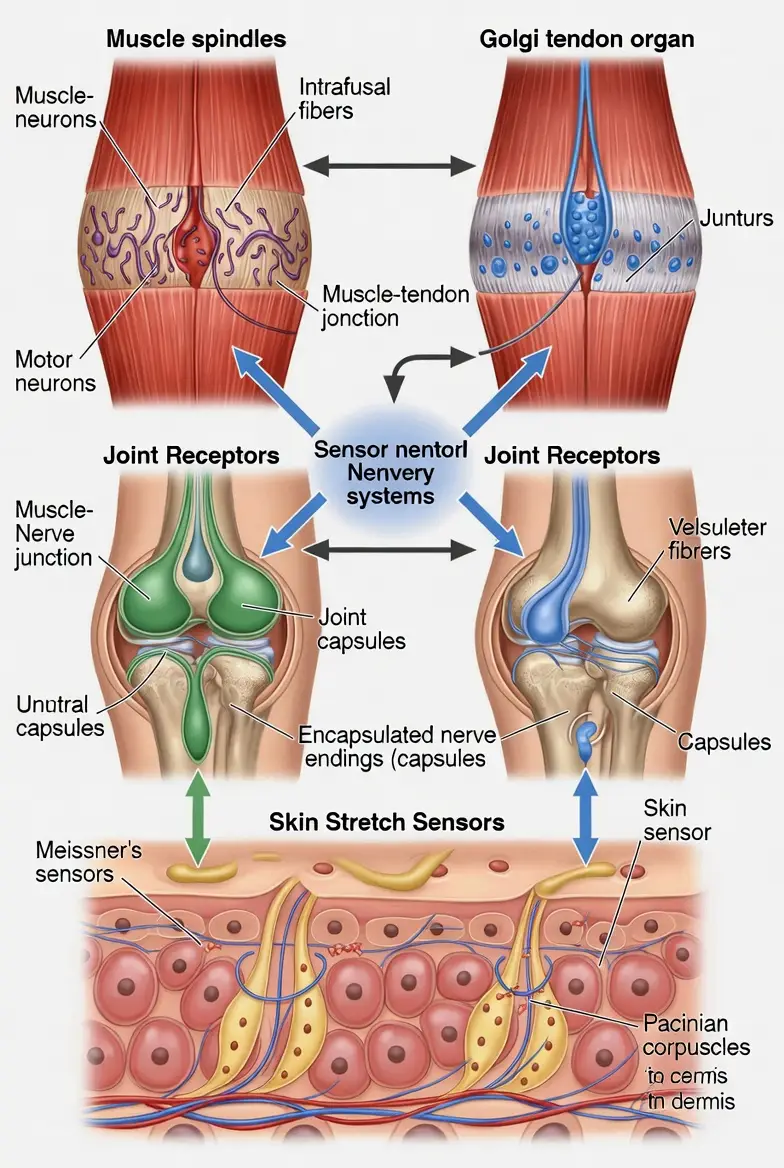
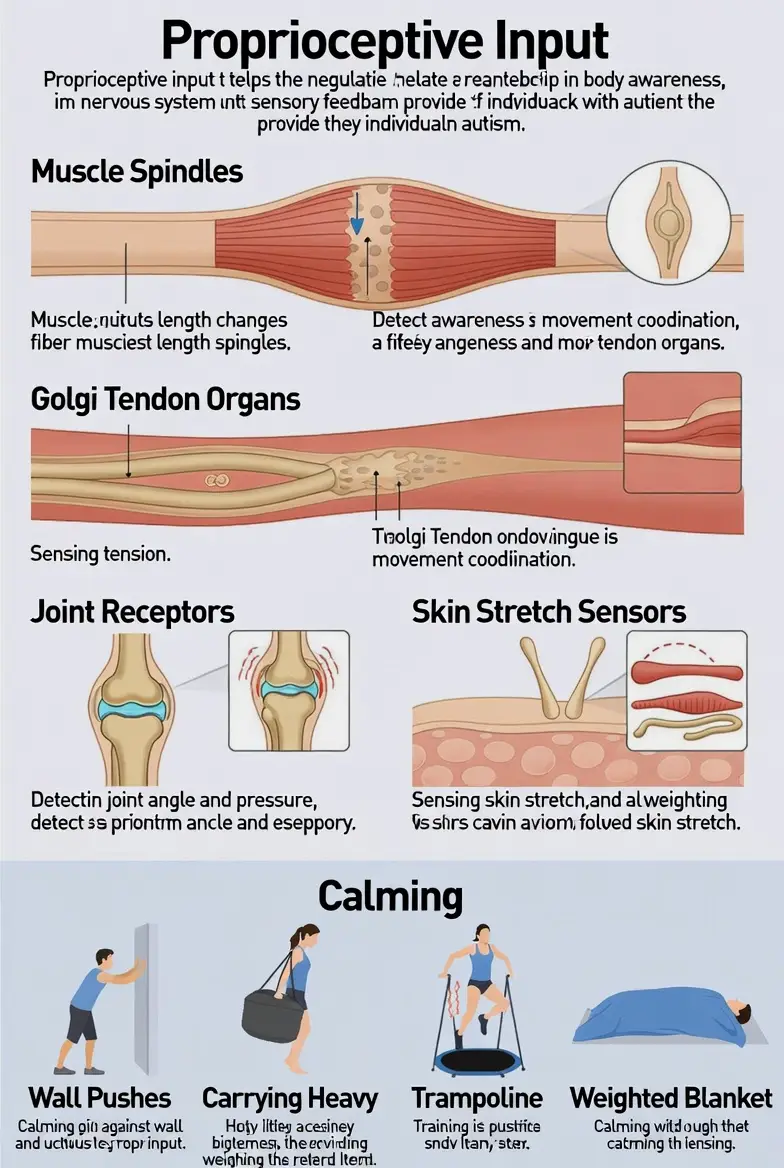
Understanding how proprioceptive input works requires a look at our biology. Our bodies are filled with specialized receptors called mechanoreceptors. These are found in the belly of our muscles and the linings of our joints. When these receptors are compressed (through jumping or pushing) or stretched (through hanging or pulling), they send an electrical signal directly to the brain.
Muscle Receptors and Joint Compression
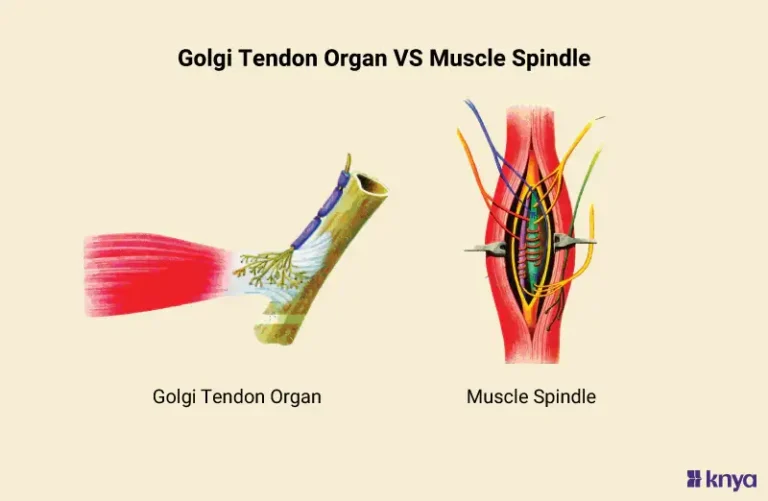
This process is the core of what is proprioceptive sensory input. When a muscle contracts against resistance, the “muscle spindles” fire. When a joint is compressed, the “Golgi tendon organs” send signals to the somatosensory cortex.
This feedback loop provides an “organizational” effect on the central nervous system. It is why a child who is spinning out of control (vestibular overstimulation) often calms down immediately if they are given a firm, deep-pressure squeeze.
Nervous System Regulation
Proprioception is unique because it is almost always “organizing.” While bright lights or loud noises can be “overloading,” it is very difficult to have “too much” proprioception in a way that causes distress. Instead, this input helps the brain filter out other overwhelming sensory data. It acts as a stabilizer, balancing the “gas pedal” and the “brake” of the autonomic nervous system.
Why Is Proprioceptive Input Calming?
If you have ever felt your stress melt away under a weighted blanket, you’ve wondered: why is proprioceptive input calming? The answer lies in the relationship between deep pressure and the parasympathetic nervous system. When the brain receives strong proprioceptive signals, it often triggers the release of neurotransmitters like dopamine and serotonin.
What Are the Benefits of Proprioceptive Input?
The primary benefits of proprioceptive input include a reduction in cortisol (the stress hormone) and an increase in body awareness. This is what proprioceptive input is & why we love it?: It provides an immediate sense of safety.
For a child in a “meltdown,” the world feels chaotic. Proprioceptive input provides a clear, intense physical boundary that helps the brain stop the “fight or flight” response.
Focus, Sleep, and Sensory Overload
Beyond emotional control, proprioception helps with “arousal regulation.” If a child is too “low” (lethargic), heavy work can wake them up. If they are too “high” (hyperactive), it can bring them down. This makes it an essential tool for improving focus in the classroom or helping a child transition into sleep at night. It mutes the “background noise” of the world, allowing the brain to feel centered.
Types of Proprioceptive Input
Not all input is created equal. To provide effective support, we must understand what the different types of proprioceptive input? Generally, we categorize these by the way the body interacts with weight or resistance. Deep proprioceptive input specifically refers to activities that reach the deep receptors in the joints and large muscle groups.
Heavy Work and Deep Pressure
- Heavy Work: This involves any activity that pushes or pulls against the body. Examples include pushing a vacuum, carrying a heavy backpack, or climbing a jungle gym.
- Deep Pressure: This is passive input, such as a firm hug, being tucked in tightly, or using a weighted lap pad.
- Resistance: Activities that use the body’s own weight or external tools like resistance bands to create “tension” in the muscles.
- Weight-Bearing: Putting weight through the joints, such as doing a plank, a wall push-up, or even just crawling on hands and knees.
- Joint Compression: Manual “squishes” or activities that push the joints together, providing a strong “I am here” signal to the brain.
The Proprioceptive Map
| Input Type | Biological Action | Real-World Example |
| Compression | Squishing joints together | Jumping on a trampoline |
| Traction | Stretching joints apart | Hanging from a pull-up bar |
| Deep Pressure | Firm touch to the skin/muscles | Weighted blanket |
| Heavy Work | Large muscle resistance | Pushing a full laundry basket |
Examples of Proprioceptive Input
If you are looking for proprioceptive input examples, you don’t need fancy equipment. Most of the best examples of proprioceptive input can be found in your daily routine. The key is to look for “resistance.” What are examples of proprioceptive input? Anything that makes the muscles work harder than usual provides the organizing feedback the brain craves.
Everyday Heavy Work Examples
- In the Kitchen: Kneading pizza dough, stirring thick batter, or carrying a gallon of milk.
- Around the House: Carrying a full laundry basket, vacuuming, or moving small pieces of furniture.
- Outdoor Tasks: Raking leaves, pushing a wheelbarrow, or digging in a garden.
- Oral Input: Chewing “resistive” foods like bagels, beef jerky, or crunchy carrots.
- Active Play: Tug-of-war, wrestling (within safe boundaries), or “wheelbarrow walking” where the child walks on their hands while you hold their feet.
Proprioceptive Input Activities for Kids
When planning proprioceptive input activities, the goal is to make them fun and engaging. Proprioceptive input for kids should feel like play, not a therapy session. When kids ask what activities provide proprioceptive input, they are usually seeking “big” movements that let them feel their strength.
Animal Walks and Obstacle Courses
One of the most effective proprioceptive input activities is “Animal Walks.” Have your child do a “Bear Crawl” (heavy weight on hands and feet) or a “Crab Walk.” These provide intense joint compression.
You can also build an “Obstacle Course” where the child has to crawl under chairs (compression), jump over cushions (impact), and carry a “heavy” backpack from one station to the next. Playground climbing is another excellent way to provide proprioceptive input naturally.
Proprioceptive Input for Toddlers
Parenting a proprioceptive input toddler requires a focus on safety and “manageable” weight. Because toddlers are still developing their balance, proprioceptive input for toddlers should happen close to the ground. Proprioceptive input activities for toddlers help reduce those late-afternoon meltdowns by providing the “sensory anchor” they need after a long day of learning.
Toddler-Safe Proprioceptive Ideas
- The “Burrito” Roll: Wrap your toddler snugly in a soft blanket and give them gentle “squishes.”
- Couch Cushion Squeezes: Have the toddler “sandwich” themselves between two couch cushions while you apply light pressure to the top.
- Stuffed Animal Carry: Give them a small backpack filled with a few of their favorite (heavier) toys to wear while walking.
- Bean Bag Toss: Throwing and catching bean bags provides weight and resistance to the arms and shoulders.
Proprioceptive Input Before Bed
Many parents use proprioceptive input before bed to help children who struggle to “turn off” their brains. Because deep pressure increases serotonin and melatonin, it is a natural sleep aid. Using these proprioceptive input before bed ideas can shorten the time it takes for a child to fall asleep.
The Bedtime Sensory Routine
- Slow Yoga: Gentle poses like “Child’s Pose” or “Downward Dog” provide stretching and weight-bearing.
- Pillow Sandwich: Lay the child on their stomach and gently press a pillow over their back and legs (avoiding the head).
- Wall Pushes: Have the child “push” the wall with all their might for 10 seconds to “get the wiggles out.”
- Firm Massage: Long, slow strokes down the arms and legs provide the deep pressure needed for relaxation.
Proprioceptive Input for Adults
We often forget that proprioceptive input for adults is just as important as it is for kids. If you feel “fidgety” or “disconnected” at your desk, you may need a sensory reset. Adults often seek this input without realizing it through exercise and hobbies.
Adult-Specific Examples
- Weightlifting: Squats and deadlifts are the ultimate form of joint compression and heavy work.
- Yoga and Pilates: These focus heavily on weight-bearing and muscle resistance.
- Gardening: The acts of pulling weeds, carrying bags of mulch, and digging provide massive amounts of input.
- Weighted Apparel: Wearing a weighted vest or using a weighted lap pad during a long workday can improve focus and reduce anxiety.
Proprioceptive Input Seeking
If you have a “crasher” or a “banger,” you are seeing proprioceptive input seeking. These kids (and adults) are proprioceptive sensory seeking because their brains are not getting enough “signal” from their muscles at rest. They feel “invisible” or “floaty,” and they crash into things to “feel” where their body ends, and the world begins.
Why Do Kids Seek Proprioceptive Input?
So, why do kids seek proprioceptive input? It is a form of self-medication. Their nervous system is “under-aroused,” and the intense impact of jumping off a couch provides the “jolt” needed to feel regulated. Instead of punishing the “crashing,” we should provide “safe” ways to get that same feeling, such as a crash mat or a mini-trampoline.
Signs of Proprioception Issues
How do you know if there is a problem? What are the signs of proprioception issues? Often, it looks like a lack of coordination. What are the signs of proprioceptive input issues? The most common red flags include:
- Clumsiness: Frequently bumping into furniture or people.
- Poor Force Grading: Slamming doors, breaking toys, or pressing too hard with a pencil.
- Posture Issues: Slumping in a chair or leaning against walls for support.
- Fidgeting: Constant movement or an inability to sit still without “crashing” or kicking.
Seeking vs. Avoiding Proprioception
| Behavior | Proprioceptive Seeker | Proprioceptive Avoider (Rare) |
| Movement | Jumps, crashes, rough-houses | Moves cautiously, stiffly |
| Touch | Loves tight hugs, firm pressure | May prefer light touch or avoid hugs |
| Spatial Awareness | Doesn’t know their own strength | Overly cautious of personal space |
| Self-Regulation | Needs “heavy work” to calm down | May find heavy work overstimulating |
Proprioceptive Input and Autism
For the neurodivergent community, proprioceptive input autism strategies are often the key to functional daily living. Many individuals on the autism spectrum experience “sensory processing differences,” where the brain either over-responds or under-responds to the environment. What is proprioceptive input for ASD?
For many, it acts as a “filter.” When a child is overwhelmed by the flickering lights of a classroom or the hum of an air conditioner, providing deep pressure can help the brain ignore the intrusive sounds and focus on their own physical presence.
Regulation and OT Involvement
Occupational Therapists (OTs) often use proprioceptive “heavy work” to help autistic children transition between activities. Because transitions can cause high anxiety, doing 5 minutes of “wall pushes” or wearing a weighted vest during a move from the playground to the classroom can provide the “sensory anchor” needed to prevent a meltdown.
It’s not just about movement; it’s about providing a predictable, intense signal to a nervous system that often feels chaotic.
Proprioceptive Input and ADHD
If you have an “energetic” child, you may ask: What is the proprioceptive input of ADHD? In ADHD, the brain is often seeking stimulation to maintain alertness.
Proprioceptive input ADHD strategies work because they provide high-intensity feedback that “wakes up” the brain. Instead of telling a child to “sit still,” we can give them a “wiggle seat” or a resistance band around the legs of their chair.
Movement Breaks vs. Focus Tasks
Before a high-focus task—like homework or a test—giving a child with ADHD 10 minutes of heavy work (like carrying a stack of books or doing jumping jacks) can actually improve their attention span.
The “input” satisfies the brain’s need for stimulation, allowing the child to sit more quietly once the task begins. It’s a “bottom-up” approach to focus: regulate the body to calm the mind.
Vestibular vs. Proprioceptive Input
One of the most common points of confusion in sensory processing is the difference between vestibular vs proprioceptive input. While they are both “movement” senses, they serve very different functions in the brain. Vestibular and proprioceptive input often work together, but they can have opposite effects on a child’s arousal level.
The Balancing Act
The vestibular system (located in the inner ear) detects gravity and changes in head position. It tells you if you are upside down, spinning, or moving fast. While proprioception is almost always calming, vestibular input can be either very “revving” (like spinning or fast swinging) or very “calming” (like slow, rhythmic rocking).
| Feature | Proprioceptive Input | Vestibular Input |
| Location | Muscles and Joints | Inner Ear (Vestibular System) |
| Input Type | Pressure, Stretching, Resistance | Movement, Speed, Balance |
| Primary Goal | Body Awareness & Grounding | Balance & Spatial Orientation |
| Typical Effect | Almost always calming/organizing | Can be calming OR very exciting |
| Example | A firm hug or lifting weights | Swinging, sliding, or spinning |
How to Provide Proprioceptive Input
If you are ready to start, you might wonder how to provide proprioceptive input effectively without over-complicating things. When parents ask how do I give my child proprioceptive input?, I suggest a “Sensory Audit” of their day. You don’t need a therapy gym; you just need a plan.
Steps for a Successful Sensory Routine
- Assess the Need: Is your child seeking input (crashing, jumping) or appearing “lost” (clumsy, slumping)?
- Identify Natural “Heavy Work” Opportunities: Look at your daily schedule. Can your child help carry the groceries? Can they “push” the stroller?
- Schedule “Sensory Snacks”: Instead of one long session, offer 5-minute “snacks” of input every 2 hours. This keeps the nervous system at a steady baseline.
- Monitor the Response: Not every child likes every type of input. If your child pulls away from a “burrito roll,” try a “wall push” instead.
- Be Proactive: Don’t wait for a meltdown to get how to get proprioceptive input. Use it before stressful events, like going to the doctor or starting school.
Proprioceptive Input Toys
While “heavy work” chores are free, many families find that proprioceptive input toys make regulation more consistent. These tools are designed to provide maximum resistance or pressure in a small footprint.
- Weighted Blankets: Excellent for sleep and calming down after school.
- Resistance Bands (Body Socks): These allow a child to push against a stretchy fabric, providing full-body compression.
- Therapy Balls: Great for “bouncing” or for rolling over a child (the “Steamroller” game) to provide deep pressure.
- Chewelry: Sensory jewelry designed for kids who seek proprioceptive input through their jaw (chewing).
- Push/Pull Wagons: Perfect for toddlers to load up with toys and “work” around the house.
Expert Insight: The Rule of “Weight”
When using weighted toys or blankets, the clinical “gold standard” is usually 10% of the child’s body weight plus 1 pound. Always ensure the child can easily remove the weighted item themselves. Weight is a tool for comfort, never for restraint.
Frequently Asked Questions
What is proprioceptive input?
It is the sensory information received from our muscles and joints that tells our brain where our body is and how much force we are using. It is often called the “sense of self-movement and body position.”
What are examples of proprioceptive input?
Common examples include jumping on a trampoline, pushing a heavy laundry basket, wearing a weighted vest, chewing crunchy food, or getting a firm “bear hug.”
Why is proprioceptive input calming?
It stimulates the parasympathetic nervous system, which lowers cortisol (stress) and increases the production of serotonin and dopamine. This provides a grounding, organizing effect on the brain.
How do I give my child proprioceptive input?
You can provide it through “heavy work” chores, animal walks, obstacle courses, or by using sensory tools like weighted blankets and resistance bands.
What are the signs of proprioceptive issues?
Signs include being “clumsy,” bumping into things, pressing too hard when writing, slamming doors, or a constant need to crash into furniture or people.
What is the difference between vestibular and proprioceptive input?
Proprioception comes from muscles/joints and is usually grounded. Vestibular input comes from the inner ear (balance/movement) and can be either calming or highly energizing.
Conclusion
Proprioceptive input is more than just a therapy term; it is a fundamental human need for regulation. Whether you are a parent of a toddler who can’t stop jumping, a teacher helping a student with ADHD focus, or an adult looking to manage anxiety, these tools offer a biological pathway to calm.
Instead of viewing “sensory seeking” as a behavioral problem to be corrected, we can see it as the nervous system’s request for help. By providing safe, structured, and fun ways to get this input, we empower individuals to regulate their own bodies and minds.
Remember, sensory needs are normal, and experimenting with “heavy work” is often the first step toward a more peaceful, organized home or classroom. If you have significant concerns about your child’s development or sensory processing, always consult with a licensed Occupational Therapist (OT) for a personalized sensory diet.
Authoritative References
1. Proprioceptive Processing in Autism (Peer-Reviewed Research)
2. The Science of Sensory Integration
3. Occupational Therapy Practice Guidelines
4. Deep Pressure and the Nervous System
5. Proprioception: The “Sixth Sense” Explained

Related Posts






Subscribe to Our Newsletter
Get mental health tips, updates, and resources delivered to your inbox.
MORE from Author
Read More Watching someone you care about struggle with bipolar depression and anxiety can be heartbreaking. You may notice that they withdraw…
 In my practice as a clinical psychologist, I often observe that the difference between a patient who crumbles under pressure…
 We all have "up" days and "down" days. Perhaps you feel energized after a promotion or sluggish on a rainy…
 To define bipolar disorder accurately, we must look at it as a chronic mood dysregulation condition. In psychology and medicine,…
Are you looking for a Therapist?
Connect with qualified mental health professionals who understand
bipolar disorder, mood changes, and emotional challenges.
Private • Supportive • Confidential