
Neurodivergent Masking: Meaning, Examples & Mental Health Impact

Medically reviewed by Laura Athey Updated Date: May 5, 2026
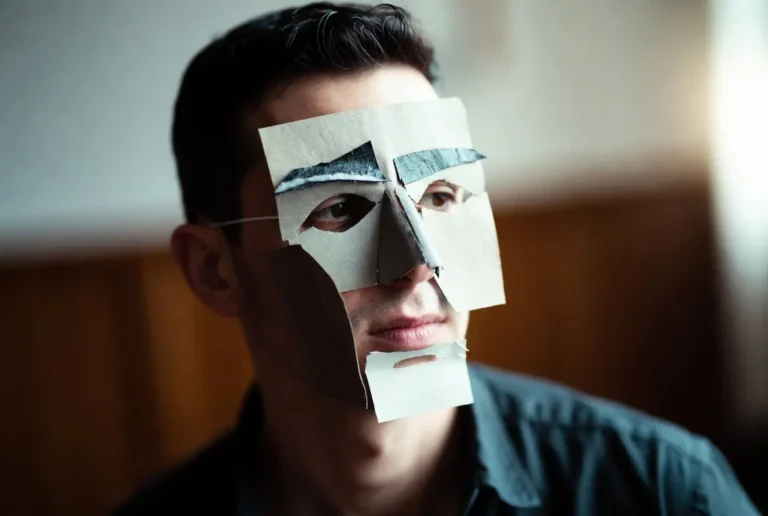
In my clinical practice, I often sit across from adults who are the picture of “success.” They have stable jobs, navigate social gatherings with a smile, and appear perfectly adjusted. Yet, behind closed doors, they are collapsing from an exhaustion they cannot name.
I remember a patient, “Sarah,” who came to see me after a late-life ADHD diagnosis. She told me, “I feel like I’ve spent forty years playing a character in a movie I didn’t audition for. I’m so good at being who people expect me to be that I don’t know who is left when the lights go out.”
Sarah was describing neurodivergent masking. While many people occasionally “filter” their behavior to be professional or polite, for the neurodivergent community, masking is a much deeper, more exhausting phenomenon.
It is the conscious or subconscious process of suppressing one’s natural neurodivergent traits to fit into a neurotypical world.
Whether it is an autistic person forcing painful eye contact or an individual with ADHD over-preparing for a meeting to hide their executive dysfunction, neurodivergent masking is a survival strategy that comes with a high psychological cost.
In this guide, we will define what masking is, explore how it presents in ADHD and autism, and discuss the path toward safe unmasking and recovery.
What Is Masking in Psychology?
To define neurodivergent masking, we must first look at the broader psychological concept of social camouflaging. At its core, what is masking in psychology? It is a social behavior where an individual hides their true personality or symptoms to blend into a specific environment.
However, what is masking neurodivergent specifically? It is not simply “being polite.” For neurodivergent people, the neurodivergent masking meaning refers to the active suppression of their brain’s natural way of functioning. It involves:
- Camouflaging: Hiding traits like stimming or repetitive movements.
- Compensation: Using extra cognitive energy to overcome difficulties, like scripting a “hello” to ensure the tone sounds “correct.”
- Assimilation: Forcing oneself to participate in social interactions that are sensory-overwhelming or confusing.
It is vital to clarify: a mask in neurodivergent contexts is not a form of deception or “lying.” It is a safety mechanism developed in response to a world that often pathologizes or punishes neurodivergent behavior.
Examples of Neurodivergent Masking
Understanding what is an example of masking in neurodivergent populations requires looking at the small, invisible labors performed every minute. These neurodivergent masking examples vary depending on the individual’s neurotype (Autism or ADHD), but they all share a common goal: invisibility.
Masking in Autism
- Forced Eye Contact: Looking at the bridge of someone’s nose or forcing a gaze even if it causes physical discomfort or “brain fog.”
- Scripted Conversations: Having a mental “bank” of pre-prepared responses for small talk to avoid sounding “awkward.”
- Suppressing Stimming: Holding back the urge to rock, hand-flap, or tap fingers, often leading to physical tension or internal “buzzing.”
- Mimicry: Copying the gestures, facial expressions, or accents of others to appear more “relatable.”
Masking in ADHD
- Over-Preparing: Arriving 45 minutes early for an appointment because of a fear of time-blindness.
- Hyper-Vigilance: Constantly checking oneself to ensure they aren’t talking too much or interrupting.
- People-Pleasing: Agreeing to tasks one cannot finish to avoid being perceived as “lazy” or “unreliable.”
In the workplace, an employee might spend hours “cleaning up” an email to ensure it doesn’t sound “too blunt” or “too scattered.” This is a prime example of masking neurodivergent examples in a professional setting.
What Does ADHD Masking Look Like?
While much of the early research focused on autism, masking neurodivergent ADHD is increasingly recognized as a major factor in late diagnosis, particularly in women. What does ADHD masking look like? It is often a “high-performance” mask built on anxiety.
ADHD Strategies and Techniques
Common neurodivergent masking ADHD strategies include:
- The “Perfectionist” Mask: Working twice as hard as neurotypical peers to hide forgetfulness or distractibility. This person may have a pristine desk but an internal world of chaos.
- Social Overcompensation: Being the “life of the party” to distract from the fact that they are struggling to follow the thread of a conversation.
- Internalized Hyperactivity: Instead of “bouncing off the walls,” the individual experiences a racing mind and chronic restlessness that they keep hidden under a still exterior.
ADHD and neurodivergent masking can be so effective that clinicians miss the diagnosis entirely, instead treating the individual for Generalized Anxiety Disorder or chronic stress.
Autism Neurodivergent Masking

Autism neurodivergent masking is often referred to as “social camouflaging.” It is particularly prevalent in autistic girls and women, who are often socialized from a young age to be “quiet” and “compliant.”
The CAT-Q and Assessment
Many adults find clarity through an autistic masking quiz or screening tools like the Camouflaging Autistic Traits Questionnaire (CAT-Q). This tool doesn’t diagnose autism but measures how much effort a person puts into hiding their autistic traits.
The danger of high autism neurodivergent masking is that it delays access to support. If a person “looks” fine, they are often denied the accommodations they need, leading to a cycle of failure and self-blame.
Is Masking More ADHD or Autism?
A common question in the community is, “is masking more ADHD or autism?” The truth is that both groups mask, but the motivation and method can differ.
- Autistic Masking: Usually focuses on hiding “socially non-typical” behaviors (stimming, sensory sensitivity) to avoid being ostracized.
- ADHD Masking: Usually focuses on hiding “executive dysfunction” (forgetfulness, impulsivity) to avoid being labeled as “lazy” or “unprofessional.”
Is masking only for neurodivergent people? Technically, no. All humans use a “persona.” However, the intensity and the metabolic cost of neurodiversity masking are significantly higher.
A neurotypical person might be tired after a work party; a neurodivergent person who has been masking all day may be physically unable to speak for 24 hours afterward.
Neurodivergent Masking in Children
We often see neurodivergent masking in children as “the quiet student.” A child may be a “model student” at school—sitting still, following every rule, and never causing a disruption.
However, parents often see the “After-School Meltdown.” Once the child is in a safe environment, the energy required to maintain that mask for six hours evaporates, leading to intense outbursts, crying, or total withdrawal.
This teacher-vs-parent perception gap is a hallmark sign that a child is masking their neurodivergence to survive the school day.
Neurodivergent Masking Burnout
The most dangerous consequence of chronic identity suppression is neurodivergent masking burnout. Unlike standard workplace burnout, which might be solved by a vacation, autistic burnout or ADHD burnout requires a total lifestyle redesign.
The Cost of the Mask
When you spend every waking hour monitoring your own behavior, your brain eventually runs out of resources. Neurodivergent masking burnout often presents as:
- Loss of Skills: Suddenly being unable to perform basic tasks like grocery shopping or driving.
- Emotional Collapse: Intense periods of crying or irritability.
- Physical Illness: Chronic headaches, GI issues, and a weakened immune system due to the constant state of “fight or flight.”
- Identity Confusion: Not knowing which parts of your personality are “real” and which are part of the mask.
Impact of Masking on Behaviour & Mental Health
The impact of masking on behaviour is often subtle at first, but it eventually permeates every aspect of an individual’s life. When you are constantly monitoring your own facial expressions and tone of voice, you are essentially living in a state of hyper-vigilance.
Identity Fragmentation and Anxiety
Chronic masking leads to a phenomenon called “identity fragmentation.” Many of my patients describe feeling like a “chameleon” who changes color based on who they are with. Over time, this leads to:
- Persistent Social Anxiety: Even when a social interaction goes well, the individual feels anxious because they feel they “tricked” the other person into liking a version of them that isn’t real.
- Social Withdrawal: The energy required to mask is so high that many neurodivergent adults eventually stop socializing altogether to avoid the subsequent “masking hangover.”
- Depression and Trauma: Masking is essentially telling yourself that your natural way of being is “wrong” or “unacceptable.” This internalized ableism is a significant driver of depression and complex trauma (C-PTSD).
It is important to distinguish between coping mechanisms for neurodivergent people and harmful masking. A coping mechanism (like using a planner) helps you achieve your goals; masking (like pretending you don’t need a planner because you’re embarrassed) hides your needs at the expense of your mental health.
Neurodivergent Masking Test: Can You Self-Assess?
If you are reading this and feeling a sense of recognition, you might be looking for a neurodivergent masking test. While there is no single “blood test” for masking, there are several ways to explore your relationship with your social persona.
Screening Tools vs. Lived Experience
- The CAT-Q: As mentioned previously, the Camouflaging Autistic Traits Questionnaire is the gold standard for researching autistic masking quiz results. It measures compensation, masking, and assimilation.
- Neurodivergent Masking Reddit: Platforms like Reddit can provide valuable masking neurodivergent insights. Reading threads where others describe their “scripts” or the physical sensation of “dropping the mask” can be a powerful form of validation.
- Reflective Questions: Ask yourself: If I were alone in a room for 48 hours, what would I do differently? Would I sit differently? Would I make noises? Would I move my hands? The difference between your “alone self” and your “public self” is the size of your mask.
While online tools are excellent for self-identification, a formal evaluation with a neurodiversity-affirming clinician is recommended if masking is leading to significant burnout or suicidal ideation.
How to Reduce Harmful Masking Safely

The journey of how to unmask is not about flipping a switch; it is about peeling back layers of a protective onion. For many, masking was a tool that kept them safe from bullying or job loss, so unmasking must be done with intention and safety.
Gradual Unmasking Strategies
- Find “Safe Havens”: Start by unmasking with one trusted person or in one specific setting (like your home). Allow yourself to stim or stop making eye contact when you are tired.
- Identify “Automatic” Masks: Pay attention to your “customer service voice.” Try to slowly lower the pitch or energy to a level that feels more natural.
- Boundary Setting: Learn to say “no” to social events that require high levels of masking. Protect your energy as if it were currency.
- Workplace Accommodations: Instead of masking your ADHD distractibility, ask for a quiet workspace or noise-canceling headphones. Shifting the burden from your “self-control” to your “environment” is a key part of unmasking.
- Therapy: Work with a therapist who uses a neurodiversity-affirming model rather than a “social skills” model. The goal is self-acceptance, not “fitting in.”
Masking vs. Other Types of “Masking” (Clarification)
In the digital age, the word “masking” is used in many technical and medical contexts. It is important to clarify that neurodivergent masking meaning is strictly psychological.
To ensure you are seeking the right information, note that this article does not refer to:
- Data Masking: Hiding sensitive information in databases.
- Sound Masking: Using white noise machines (Lencore or Dynasound) in offices to reduce distractions.
- Creative Masking: Using Photoshop “layer masks” to edit hair or backgrounds.
- Physical Masks: The use of N95 or KN95 respirators for health safety.
- Theatrical Masks: Cultural artifacts like the Goma mask or the “happy/sad” masks of drama.
While these terms share a name, neurodivergent masking is an internal, cognitive process of identity management.
Frequently Asked Questions
Is Masking Always Bad?
Not necessarily. Masking can be a useful “social tool” in specific, short-term situations (like a job interview or a police interaction). It becomes harmful when it is chronic, involuntary, and leads to the erasure of your true self.
Can You Stop Masking Completely?
For many adults, especially those in professional or high-stakes environments, stopping masking completely may not be safe or realistic. The goal is often “sustainable masking”—deciding when and where to use the mask, rather than living behind it 24/7.
Is Masking the Same as Lying?
No. Lying is an intent to deceive for personal gain. Masking is an adaptive response to social trauma. It is a way to avoid rejection, punishment, or misunderstanding in a world that is not yet fully inclusive of neurodiversity.
Conclusion: Living Without the Weight
Unmasking is one of the most courageous acts a neurodivergent person can undertake. It is a process of reclaiming your time, your energy, and your identity from a society that asked you to hide.
As Sarah, the patient I mentioned earlier, progressed in her therapy, she realized that her “character” was what was making her sick. By slowly allowing herself to be “the messy ADHD person” at home and “the blunt autistic person” with her close friends, her burnout began to lift.
She wasn’t “fixed”—she was simply finally present.
The mask may have saved your life in the past, but it doesn’t have to define your future. You deserve to be seen, not just watched.
References
- Hull, L., et al.
- National Autistic Society.
- ADDitude Magazine.
- Journal of Autism and Developmental Disorders.

Related Posts





Subscribe to Our Newsletter
Get mental health tips, updates, and resources delivered to your inbox.
MORE from Author
Read More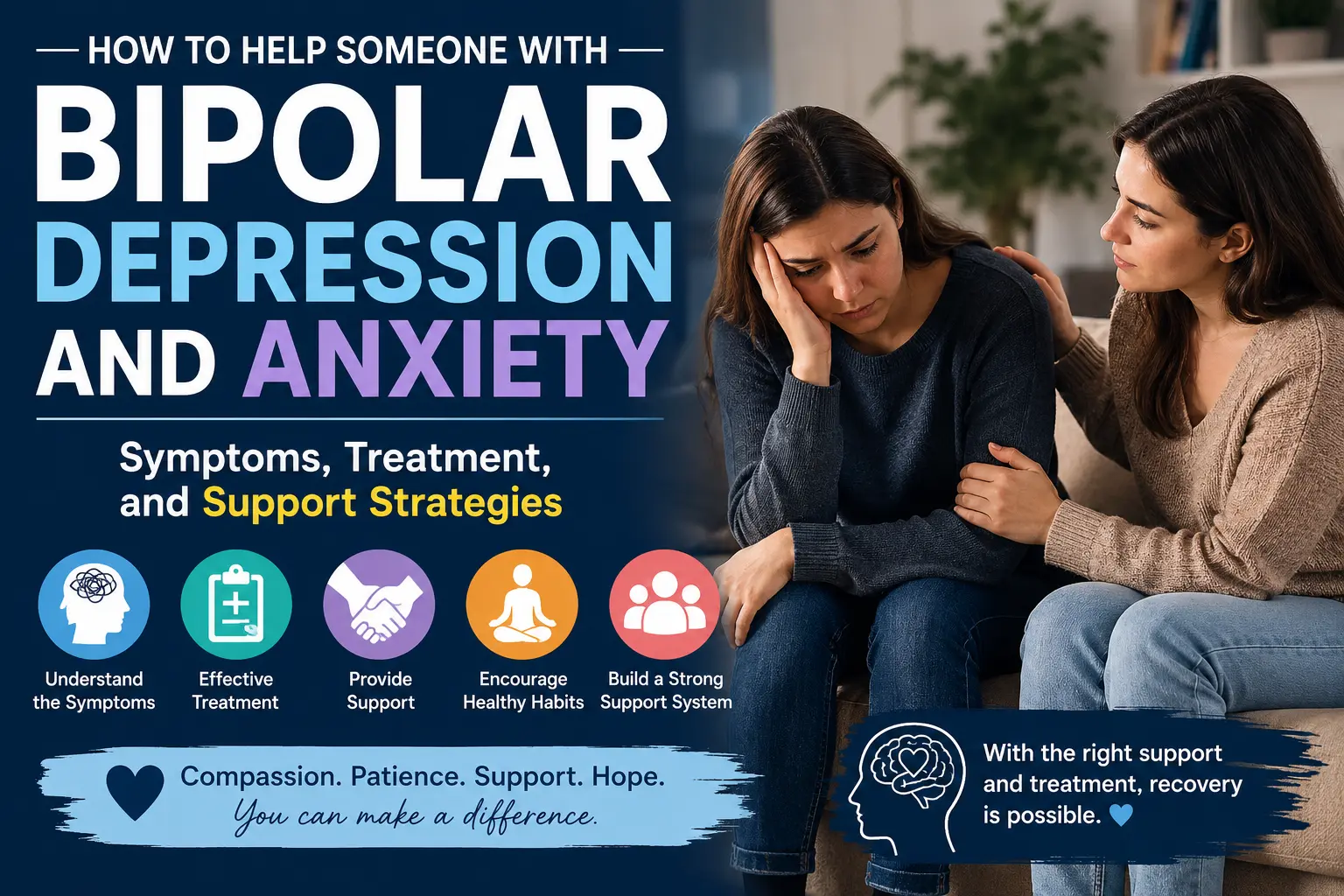 Watching someone you care about struggle with bipolar depression and anxiety can be heartbreaking. You may notice that they withdraw…
 In my practice as a clinical psychologist, I often observe that the difference between a patient who crumbles under pressure…
 We all have "up" days and "down" days. Perhaps you feel energized after a promotion or sluggish on a rainy…
 To define bipolar disorder accurately, we must look at it as a chronic mood dysregulation condition. In psychology and medicine,…
Are you looking for a Therapist?
Connect with qualified mental health professionals who understand
bipolar disorder, mood changes, and emotional challenges.
Private • Supportive • Confidential