
How Lamotrigine Works: A Psychologist Explains the Brain Science, Timeline, and What to Expect

Medically reviewed by Laura Athey Updated Date: April 19, 2026
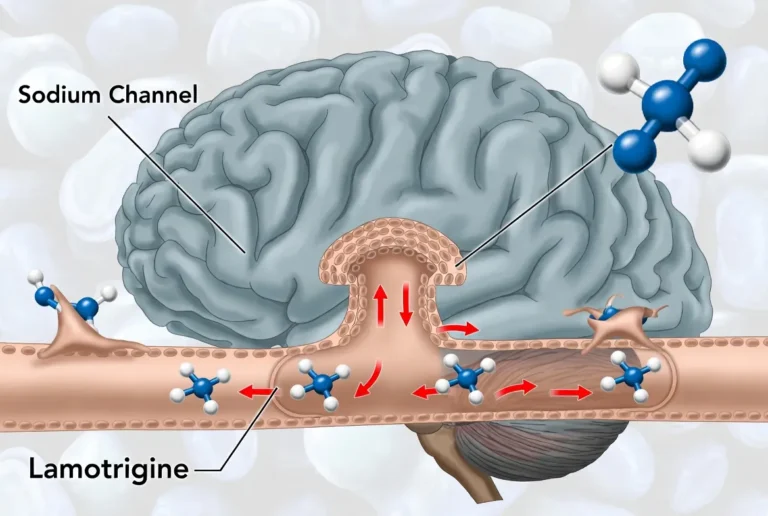
In clinical practice, lamotrigine (brand name Lamictal) is one of the most misunderstood mood stabilizers. Many patients come to my office expecting it to work like a traditional antidepressant—providing a noticeable “lift” in mood within a week or two. Others fear it because of the daunting titration schedule. But lamotrigine works fundamentally differently from the medications most people are familiar with. How Lamotrigine Works.
In my practice, I often observe that the patients who have the most success with this medication are the ones who understand its unique “bottom-up” approach to stabilization. It is not an emotional eraser, nor is it a quick-acting stimulant. It is a long-term neuroprotective agent. Whether you are navigating bipolar II, treatment-resistant depression, or seeking to understand the lamotrigine mechanism of action, this guide will walk you through the clinical and biological reality of how this drug interacts with your brain.
What Is Lamotrigine and What Does It Treat?
When patients ask, “What is lamotrigine?” I first clarify what it is not. It is not an antidepressant (like Prozac), and it is not an antipsychotic (like Seroquel). Originally developed to treat epilepsy, lamotrigine belongs to the drug class of anticonvulsants.
FDA-Approved Uses
- Bipolar I Disorder (Maintenance): It is specifically approved to delay the time between mood episodes, with a particular strength in preventing the return of depression.
- Epilepsy: It is used to treat partial-onset seizures and primary generalized tonic-clonic seizures.
Off-Label Clinical Applications
In psychiatry, we often use medications “off-label” when clinical evidence strongly supports their efficacy for other conditions. In my practice, I frequently see lamotrigine used for:
- Bipolar II Disorder: Many clinicians consider lamotrigine a first-line treatment here because it reduces depressive recurrence without the high risk of triggering hypomania.
- Treatment-Resistant Unipolar Depression: It can be an effective “add-on” to help stabilize a mood that hasn’t responded to traditional SSRIs.
- Borderline Personality Disorder (BPD): While not a cure, it can help dampen the “affective storms” or intense mood lability associated with BPD.
Clinical Insight: In bipolar II patients, lamotrigine is often the “goldilocks” medication. It provides a sturdy “floor” to prevent depression without the cognitive “weight” or metabolic side effects often seen with lithium or valproate.
How Lamotrigine Works in the Brain
To understand how lamotrigine works, we have to move past the idea of “chemical imbalances” and look at the brain’s electrical signaling. If we think of the brain as a complex electrical grid, a mood disorder is like having a grid that is prone to “power surges” (mania/hypomania) or “brownouts” (depression).
The Mechanism of Action: The Glutamate Regulator
Most antidepressants focus on “monoamines” like serotonin or norepinephrine. Lamotrigine, however, targets the excitatory neurotransmitter system.
- Sodium Channel Inhibition: Lamotrigine blocks voltage-gated sodium channels. By doing this, it prevents the over-firing of neurons. It essentially “quiets” the chaotic electrical noise that precedes a mood shift.
- Glutamate Modulation: Glutamate is the brain’s primary “Go” signal. In many mood disorders, there is an excess of glutamate signaling, which can be neurotoxic over time. Lamotrigine inhibits the release of glutamate, acting as a buffer that prevents the brain from becoming overstimulated.
- Neuroplasticity and Stabilization: By regulating these channels, lamotrigine promotes Neuroplasticity—the brain’s ability to heal and form healthy connections. It protects the hippocampus (the area responsible for emotion and memory) from the damaging effects of chronic stress and “mood cycling.”
Why this matters: I often tell my patients to think of lamotrigine as a “glutamate regulator” rather than a serotonin booster. It doesn’t force a “happy” state; instead, it prevents the neurochemical “crash” that leads to a depressive episode.
How Lamotrigine Works for Bipolar Disorder
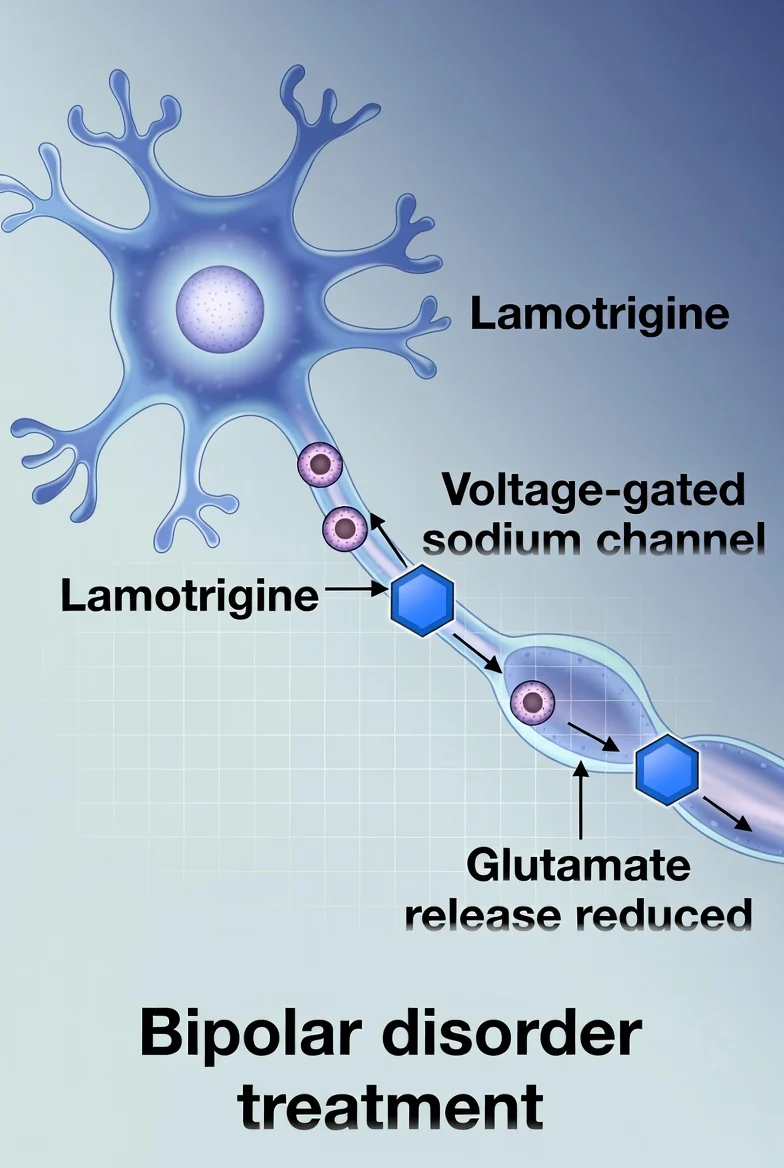
When discussing how lamotrigine works for bipolar disorder, it is crucial to understand its strengths and limitations. Clinically, we view it as a “maintenance” drug rather than an “acute” drug.
The “Bottom-Up” Stabilizer
While lithium is often praised for its ability to treat acute mania (bringing the “ceiling” down), lamotrigine is the master of raising the “floor.”
- Preventing Depressive Episodes: For many with bipolar disorder, the “down” periods are longer and more debilitating than the “up” periods. Lamotrigine is exceptionally effective at increasing the length of time a patient stays in a stable, “euthymic” state.
- Weak for Acute Mania: If a patient is currently in a state of full-blown mania, lamotrigine is generally not the tool of choice. It lacks the immediate sedative or dopamine-blocking power of antipsychotics.
- Bipolar Depression: It is one of the few medications that can treat bipolar depression without the high risk of “switching” the patient into a manic state, which is a significant danger when using traditional SSRIs in bipolar patients.
How Lamotrigine Works for Depression: Why It’s Not an SSRI
Many of my patients come in confused because they’ve been told they have “depression,” but they’ve been prescribed an “anti-seizure” med. How lamotrigine works for depression is fundamentally different from a Selective Serotonin Reuptake Inhibitor (SSRI).
SSRIs work by increasing the amount of serotonin available in the synapse. This can be helpful for many, but for some, it leads to “emotional blunting”—a feeling of being flat or disconnected. Because lamotrigine works on the glutamate system rather than the serotonin system, it rarely causes that “zombie” feeling.
In cases of treatment-resistant depression, we often find that the problem isn’t a lack of serotonin, but rather an overtaxed stress response system. Lamotrigine helps by calming the “fight-or-flight” signals in the brain, allowing the person to engage in therapy and life without being constantly flooded by negative neurochemical signals.
One nuance I’ve observed over years of practice is how a patient’s Circadian Rhythms dictate their success with lamotrigine. Because lamotrigine stabilizes the “electrical grid” of the brain, its efficacy is significantly boosted by a consistent sleep-wake cycle.
I once worked with a patient, “Mark,” who felt lamotrigine was “failing” him despite being at a therapeutic dose of 200 mg. After reviewing his sleep hygiene, we realized his nightly blue-light exposure and inconsistent bedtimes were creating “micro-surges” of glutamate that the medication couldn’t fully suppress.
Once we implemented a strict “Sleep Scaffolding” routine, the lamotrigine finally “held,” and his depressive crashes stopped. Executive Function is a biological resource, and lamotrigine works best when the brain’s biological clock is synchronized.
Does Lamotrigine Help With Anxiety?
While lamotrigine is not FDA-approved for anxiety disorders, many patients report a significant reduction in their “background” anxiety.
How lamotrigine works for anxiety is likely indirect. If your anxiety is a byproduct of mood instability—meaning you are anxious because you are constantly waiting for the “other shoe to drop” or a depressive episode to start—then stabilizing the mood will naturally lower the anxiety. Additionally, since it inhibits glutamate (the “anxiety” chemical), it can have a calming effect on the nervous system.
However, for standalone conditions like Generalized Anxiety Disorder (GAD) or Panic Disorder, the evidence is more limited. It is usually not the first line of defense for anxiety unless there is an underlying mood-cycling component.
How Long Until Lamotrigine Works?

One of the most challenging aspects of starting this medication is the waiting period. If you are wondering, “How long before lamotrigine works?“ or “Does lamotrigine work right away?”, the answer is rooted in safety. Because of the rare but serious risk of a skin reaction (SJS), we must utilize a slow titration schedule.
Unlike a headache pill that works in thirty minutes, lamotrigine requires a gradual “acclimatization” of your immune system and your neurochemistry.
The Phase-by-Phase Timeline
- Weeks 1–2 (The 25 mg Phase): This is the “Introduction Phase.” At this dose, the medication is not yet at a therapeutic level for mood or seizures. Its primary purpose is to ensure your body doesn’t have an adverse reaction. Most patients do not feel any shift in mood here.
- Weeks 3–6 (The Building Phase): As you move to 50 mg and then 100 mg, the lamotrigine mechanism of action begins to take hold. You might notice “micro-improvements”—perhaps you feel slightly less irritable, or a depressive episode feels “shorter” than usual.
- Weeks 6–12 (The Maintenance Phase): Full therapeutic effects typically occur once you have reached and maintained a dose of 200 mg for several weeks. This is when the “stabilizing floor” is fully constructed.
Clinical Insight: It is very common for patients to feel discouraged during the first month. I often tell them, “We are building a foundation. You can’t live in the house until the foundation is set.” If you feel nothing in the first four weeks, that is actually a sign that the titration is going according to plan.
How Do I Know If Lamotrigine Is Working?
Because lamotrigine is a preventive stabilizer, the signs of its success are often “the absence of negatives” rather than “the presence of a high.” When patients ask, “How do I know if lamotrigine is working?”, I tell them to look for these four markers:
- Fewer “Crashes”: Instead of falling into a deep depressive pit for two weeks, you might find yourself feeling “down” for only two days, and the depth of the sadness is manageable.
- Reduced Irritability: You might notice that things that used to trigger an immediate emotional “surge” (like a traffic jam or a rude comment) now feel more distant. Your Executive Function has more time to process the event before the emotion takes over.
- Increased Consistency: You start to feel more like the “same person” every day, rather than waking up and wondering which version of yourself will be present.
- Improved Resilience: You can engage in “top-down” therapy skills because your “bottom-up” biology isn’t constantly screaming in crisis mode.
Lamotrigine Pros and Cons
Choosing a medication is always a balance of trade-offs. Here is a comparison of what to expect from lamotrigine long-term use.
| Pros (The Benefits) | Cons (The Challenges) |
| Weight Neutral: Generally does not cause the weight gain seen with antipsychotics or lithium. | Slow Titration: Requires 6+ weeks to reach a therapeutic dose. |
| Cognitive Clarity: Lower risk of the “brain fog” or “zombie” feeling compared to other stabilizers. | Rash Risk: Requires immediate medical attention if a rash develops during titration. |
| Strong Depression Prevention: One of the best tools for preventing bipolar depression. | Not for Acute Mania: Ineffective for treating an active, severe manic episode. |
| Low Sexual Side Effects: Rarely interferes with libido or sexual function. | Consistency is Key: Missing doses for >3 days may require restarting the titration. |
The Truth About Lamotrigine: Addressing the “Ruined My Life” Narratives
If you search the internet, you will inevitably find stories titled “lamotrigine ruined my life.” As a clinician, I believe it is important to address these honestly.
Often, when a person has a devastating experience with lamotrigine, it is due to one of three things:
- Misdiagnosis: If someone has Borderline Personality Disorder (BPD) or complex trauma without a biological mood-cycling component, lamotrigine may not address the root cause, leading to frustration and “failed” treatment.
- Genetic Sensitivity: A very small percentage of the population has a genetic makeup that makes them hyper-reactive to this drug class.
- Polypharmacy Interactions: Lamotrigine interacts heavily with medications like Valproate (which doubles lamotrigine levels) or Birth Control (which can cut levels in half). If these aren’t managed, the patient can swing between toxicity and withdrawal.
The Truth: For the vast majority of patients, lamotrigine is a quiet, background worker. It doesn’t “change” who you are; it simply creates the stability needed for you to be who you are.
Frequently Asked Questions
How does lamotrigine work for bipolar disorder?
It stabilizes the electrical activity in the brain by modulating sodium channels and preventing the excessive release of glutamate, which “raises the floor” to prevent depressive episodes.
How long until lamotrigine works?
While minor shifts may be felt at 6 weeks, the full “stabilizing” benefit usually requires 8 to 12 weeks to account for the slow titration to a maintenance dose (typically 200 mg).
Does lamotrigine work right away?
No. Because of the risk of Stevens-Johnson Syndrome (SJS), the dose must be increased very slowly. Starting at a high dose to get “fast results” is clinically dangerous.
Best time to take lamotrigine?
This depends on your reaction. If lamotrigine makes you sleepy, take it at night. If it feels “activating” or causes vivid dreams, take it in the morning. Consistency is more important than the specific hour.
Is lamotrigine good for anxiety?
It is not a primary treatment for anxiety, but many patients find that their anxiety decreases as their overall mood becomes more stable.
Conclusion
Lamotrigine is a marathon medication, not a sprint. Its goal is maintenance—keeping you well once you get there. If you are just starting this journey, I encourage you to keep a mood and sleep log. Because the changes are gradual, you might not notice them day-to-day, but looking back over a month, you may see a level of stability you haven’t felt in years.
References:
- American Psychiatric Association – Bipolar Disorder Guidelines
- FDA – Lamictal (Lamotrigine) Full Prescribing Information
- National Institute of Mental Health (NIMH) – Mental Health Medications
- Mayo Clinic – Lamotrigine (Oral Route) Description and Brand Names
- Journal of Clinical Psychiatry – Mechanism of Action of Lamotrigine

Related Posts






Subscribe to Our Newsletter
Get mental health tips, updates, and resources delivered to your inbox.
MORE from Author
Read More Watching someone you care about struggle with bipolar depression and anxiety can be heartbreaking. You may notice that they withdraw…
 In my practice as a clinical psychologist, I often observe that the difference between a patient who crumbles under pressure…
 We all have "up" days and "down" days. Perhaps you feel energized after a promotion or sluggish on a rainy…
 To define bipolar disorder accurately, we must look at it as a chronic mood dysregulation condition. In psychology and medicine,…
Are you looking for a Therapist?
Connect with qualified mental health professionals who understand
bipolar disorder, mood changes, and emotional challenges.
Private • Supportive • Confidential