
Premenstrual Dysphoric Disorder Treatments: Evidence-Based Ways to Manage PMDD

Medically reviewed by Laura Athey Updated Date: March 23, 2026

In my practice as a clinical psychologist, I frequently sit across from individuals who describe a “monthly hijacking” of their personality. They arrive exhausted, not from physical labor, but from the sheer cognitive and emotional tax of a condition that leaves them feeling like a stranger to themselves for two weeks out of every month.
Many patients describe PMDD as “losing control of their emotions for two weeks every month,” often reporting severe mood swings, depression, and irritability that disrupt their most cherished relationships and professional lives.
Premenstrual Dysphoric Disorder (PMDD) is not simply “bad PMS.” While premenstrual syndrome is a common experience, PMDD is a severe neurobiological condition affecting approximately 3–8% of menstruating individuals.
It is characterized by symptoms that emerge strictly during the luteal phase of the menstrual cycle and resolve almost immediately once menstruation begins.
The good news is that premenstrual dysphoric disorder treatments are highly effective. We now have a robust framework of evidence-based options ranging from specialized medications to targeted lifestyle shifts.
My goal with this guide is to move beyond the surface-level advice and explore the clinical “why” behind these treatments, helping you find a PMDD treatment plan that restores your sense of agency.
What Is PMDD and Why Is Treatment Important
Understanding what causes PMDD is the first step toward effective management. A common myth I encounter is that PMDD is caused by a “hormone imbalance.” In reality, most people with PMDD have perfectly normal hormone levels.
The issue is a profound hormone sensitivity—specifically, how the brain’s neurotransmitter systems react to the natural rise and fall of estrogen and progesterone.
This sensitivity primarily impacts the luteal phase, the time between ovulation and the start of a period. Because the brain is hypersensitive to these fluctuations, it triggers a cascade of neurochemical changes that the DSM-5 classifies as a depressive disorder.
Without severe PMDD treatment, this cyclical distress can lead to “allostatic load”—the wear and tear on the body and brain caused by chronic, repetitive stress. Seeking treatment is vital not just for symptom relief but also to prevent the long-term functional impairment that occurs when half of one’s life is spent in a state of survival.
What Are the Symptoms of Premenstrual Dysphoric Disorder?
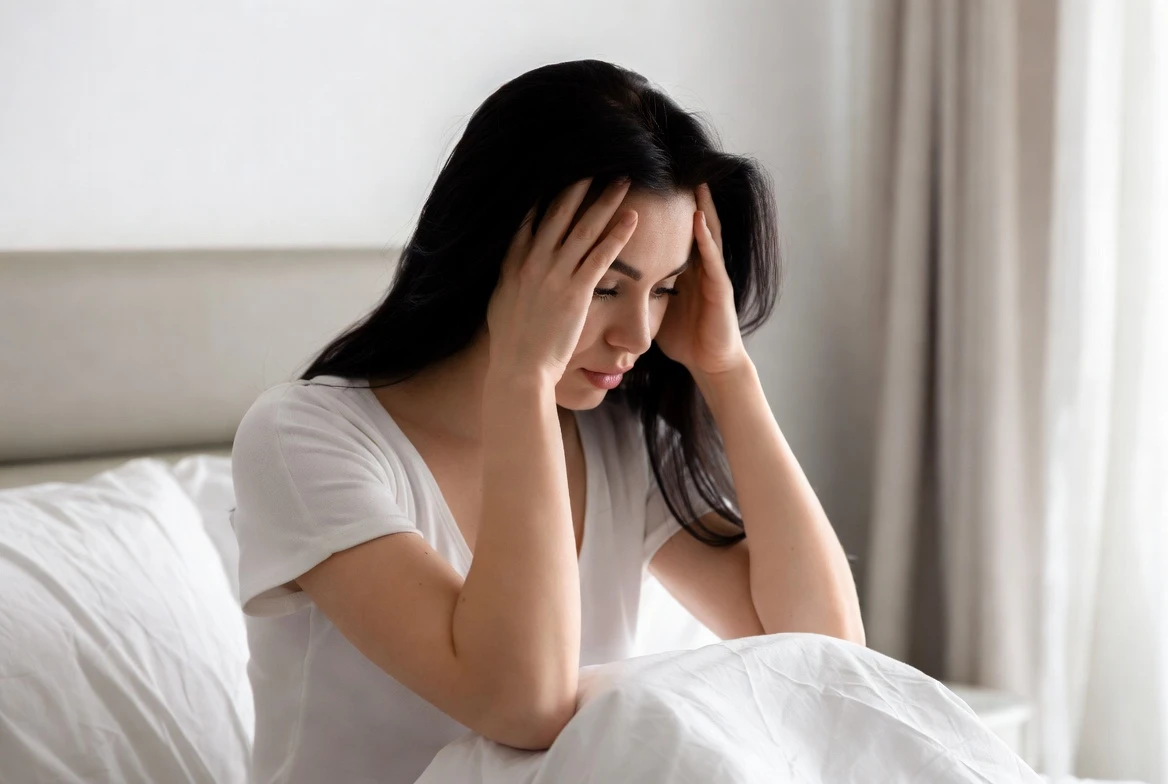
In my clinical experience, the symptoms of premenstrual dysphoric disorder are often minimized by society as “hormonal,” but for the sufferer, they are a full-body crisis.
To meet the diagnostic criteria, a patient must track their symptoms for at least two cycles, demonstrating a clear pattern where symptoms are absent in the week after menstruation.
Core Mood Symptoms
These are often the most debilitating symptoms of a PMDD flare-up:
- Severe Irritability: Feelings of “rage” that feel impossible to self-regulate.
- Depression and Hopelessness: A dark, heavy mood that can include suicidal ideation.
- Marked Anxiety: Feeling “keyed up” or on edge.
- Affective Lability: Sudden tearfulness or extreme sensitivity to rejection.
Physical and Cognitive Symptoms
The PMDD physical symptoms are often what drive the initial visit to a doctor:
- Fatigue: A leaden paralysis that sleep does not fix.
- Physical Pain: Breast tenderness, joint pain, and significant headaches.
- Appetite Changes: Intense cravings, often for carbohydrates or salt.
- Executive Function Deficits: Difficulty concentrating, forgetfulness, and a pervasive “brain fog.”
Many women report that symptoms disappear within a few days after menstruation begins, creating a predictable monthly pattern. Recognizing these 11 symptoms of pmdd is the bridge between self-blame and clinical intervention.
What Causes PMDD?
To effectively treat PMDD, we must address the “why.” As a psychologist, I explain to my patients that their brain’s “gear-shifter” (the neurotransmitter system) is getting stuck during the progesterone mood effects of the luteal phase.
- Neurotransmitter Sensitivity: The drop in estrogen and the rise of progesterone in the luteal phase interact with serotonin, the brain’s “mood stabilizer.” In PMDD, this interaction is glitchy, leading to a serotonin crash.
- Genetic Predisposition: Research suggests a specific gene complex (the ESC/E(Z) complex) may make cells hypersensitive to sex hormones.
- The Role of Trauma: While not the cause, a history of stress or trauma can “prime” the nervous system to be more reactive to these hormonal shifts, intensifying the luteal phase PMDD experience.
PMDD Treatment Guidelines: What Experts Recommend
Clinical PMDD treatment guidelines are designed to move from the least invasive to more intensive interventions. The goal of treatment for premenstrual disorders is twofold: to stabilize the brain’s serotonin levels and, if necessary, to flatten the hormonal fluctuations themselves.
The standard medical hierarchy generally follows this path:
- First-Line: SSRIs (either daily or luteal-phase only).
- Second-Line: Combined oral contraceptives (specifically those containing drospirenone).
- Third-Line: GnRH agonists or advanced psychotherapy (CBT).
- Fourth-Line: In rare, refractory cases, surgical options.
Most Effective Medications for PMDD
When patients ask about the most effective medication for pmdd, we are looking at treatments that address the underlying neurobiology.
In clinical practice, the SSRI treatment PMDD approach often reduces symptoms within the very first menstrual cycle, which is much faster than the 4–6 weeks usually required for clinical depression.
SSRIs: The Gold Standard
Selective serotonin reuptake inhibitors are the FDA-approved medication for PMDD. They work by increasing the availability of serotonin in the synapses, providing the “neurochemical cushion” the brain loses during the luteal phase.
- Fluoxetine (Prozac): Often the first choice due to its long half-life.
- Sertraline (Zoloft): Highly effective for the anxiety and “rage” components.
- Paroxetine (Paxil): Used for those with significant sleep disturbances.
Dosing Nuance: One of the most unique aspects of treatment for pmdd in women is that SSRIs can be taken intermittently. Because the serotonin response in PMDD is rapid, many patients only take their medication from ovulation until the first day of their period. This “luteal-phase dosing” can minimize long-term side effects like weight gain or sexual dysfunction.
Hormonal Treatments
If SSRIs are not sufficient or desired, birth control pills are the next step. However, not all birth control is helpful; some progestins can actually worsen mood in PMDD patients. The most effective options are those that suppress ovulation entirely and provide a steady state of hormones, particularly those containing drospirenone (like Yaz).
Severe PMDD Treatment Options
For those who do not respond to first-line therapies, we move toward GnRH agonists (like Lupron). These medications induce a “temporary menopause” by shutting down the ovaries. While highly effective, they require “add-back” hormone therapy to protect bone and heart health.
In the most extreme cases, a total hysterectomy with bilateral oophorectomy is considered, but only after GnRH agonists have proven successful.
| Medication Type | Common Examples | Dosing Strategy | Primary Goal |
| SSRI | Sertraline, Fluoxetine | Daily or Luteal-only | Serotonin stabilization |
| Birth Control | Drospirenone/Ethinyl Estradiol | Continuous (no placebo) | Ovulation suppression |
| GnRH Agonist | Leuprorelin | Monthly injection | Chemical menopause |
A nuance that only a practicing psychologist might observe is how a patient’s sleep hygiene dictates their response to medication.
The Insight: During the luteal phase, progesterone raises the core body temperature, which can fragment sleep and reduce REM quality. I once worked with a patient, “Elena,” who felt her SSRI was “failing” every month.
We discovered her circadian rhythms were being disrupted by late-night blue light and a room that was too warm. Once we stabilized her sleep environment—lowering the thermostat and introducing a strict “wind-down” routine—her brain had the restorative rest needed for the SSRI to actually work. If the hardware (the brain) is exhausted, the software (the medication) cannot run effectively.
PMDD Treatment Without Birth Control
In my practice, I often meet patients who prefer PMDD treatment without birth control due to personal history, side effects, or plans for pregnancy. It is a common misconception that hormonal suppression is the only path to relief. For many, addressing the neurochemical sensitivity directly or utilizing natural PMDD treatment strategies provides a significant reduction in symptom intensity.
- Psychotherapy (CBT): Cognitive Behavioral Therapy is an invaluable treatment for PMDD. It doesn’t “fix” the hormones, but it provides the patient with “internal scaffolding.” We work on identifying the cognitive distortions that occur during the luteal phase—the “PMDD lies”—so that the patient can navigate the emotional storm without making life-altering decisions based on a temporary neurochemical crash.
- Targeted SSRIs: As mentioned, taking an SSRI only during the luteal phase is a non-hormonal way to stabilize serotonin.
- Evidence-Based Supplements: Research has shown that specific things to help with PMDD, such as calcium (1200 mg/day) and vitamin B6, can meaningfully reduce irritability and physical pain.
Diet for PMDD: Foods That May Help Symptoms
While a diet for PMDD is rarely a “cure” on its own, it serves as a critical foundation. I often observe that patients who stabilize their blood sugar experience fewer “emotional spikes” during their flare-ups.
- Complex Carbohydrates: Foods like oats, brown rice, and sweet potatoes help the brain produce serotonin. In the luteal phase, your body naturally craves these—it’s actually a form of self-medication.
- Anti-Inflammatory Fats: Omega-3 fatty acids found in salmon or flaxseeds can help reduce the physical inflammation associated with breast tenderness and joint pain.
- Magnesium-Rich Foods: Leafy greens, pumpkin seeds, and dark chocolate can alleviate cramps and improve sleep quality.
What to Avoid: I strongly encourage patients to reduce caffeine and alcohol during their “danger zone.” Caffeine exacerbates the PMDD physical symptoms of breast tenderness and anxiety, while alcohol, a central nervous system depressant, can turn a “low” mood into a dangerous one.
Natural and Lifestyle Treatments for PMDD
When we look at how to fix PMDD naturally, we are really looking at “nervous system regulation.” Because the PMDD brain is hyper-reactive to stress, our goal is to lower the baseline of arousal.
- Exercise: Regular, moderate aerobic exercise helps clear excess cortisol and boosts endorphins. However, I advise against high-intensity “ego lifting” or marathon training during the luteal phase, as the body is already under significant physiological stress.
- Mindfulness and Grounding: Using tools like box breathing or progressive muscle relaxation helps “re-engage” the prefrontal cortex when the emotional amygdala begins to take over.
- Sleep Regulation: Protecting your circadian rhythms is non-negotiable. Consistent wake times and cool sleeping environments are essential for hormonal stability.
PMDD and ADHD: Why the Two Conditions Often Overlap
In 2026, we are seeing a massive increase in the recognition of PMDD and ADHD comorbidity. As a psychologist, I find this intersection fascinating and critical for patient safety.
Estrogen acts as a “helper” for dopamine. When estrogen levels drop in the luteal phase, dopamine levels—which are already lower in people with ADHD—plummet further. Many patients report that their ADHD stimulants “simply stop working” the week before their period.
The best medication for PMDD and ADHD often involves a coordinated approach where we might slightly adjust the stimulant dose or introduce an SSRI to protect the patient’s executive function during this window.
How to Help Someone With PMDD

If you are wondering, “How do I help my girlfriend with PMDD?” or a family member, the most important word is validation.
- Avoid Dismissiveness: Never ask, “Is it that time of the month?” Even if it is that time, the pain and emotions they are feeling are biologically real.
- Take Over Logistics: During the luteal phase, the “mental load” of chores or planning can feel 10x heavier. Taking over dinner or childcare can provide the breathing room they need to regulate.
- Encourage Tracking: Help them spot the patterns so they can say, “Oh, I’m not a failure; I’m on Day 24.”
Real Patient Experiences With PMDD (E-E-A-T)
Many individuals turn to platforms like PMDD treatment Reddit, seeking a “silver bullet.” You may see people claim, “I cured my PMDD naturally with one specific herb.” While these stories are inspiring, it is important to remember that PMDD is a highly individualized disorder.
What works for one person’s neurochemistry may not work for another’s. I always encourage my patients to use these online communities for support and validation, but to rely on clinical guidance for their specific treatment plan.
When to See Doctors for Premenstrual Dysphoric Disorder
If you find yourself experiencing suicidal thoughts, destroying relationships, or being unable to hold down a job because of your cycle, you need to see a doctor for premenstrual dysphoric disorder immediately.
A proper PMDD diagnosis usually involves your primary care physician, a gynecologist, and a mental health professional. Do not wait for things to “get better” on their own; PMDD is a medical condition that deserves medical attention.
Frequently Asked Questions
What is the best treatment for PMDD?
Evidence indicates that SSRIs (like sertraline) are the most effective first-line treatment for PMDD. They stabilize serotonin sensitivity during the luteal phase. Other options include drospirenone-based birth control, CBT, and lifestyle adjustments. Treatment is highly personalized, so a multi-disciplinary approach with your doctor is essential.
How can I manage PMDD naturally?
Natural management focuses on nervous system regulation. Prioritize anti-inflammatory foods, complex carbohydrates, and magnesium-rich leafy greens. Regular moderate exercise and strict sleep hygiene help stabilize circadian rhythms. Supplements like calcium (1200 mg/day) and vitamin B6 also show clinical efficacy in reducing cyclical mood and physical distress.
Why do my ADHD symptoms worsen during my period?
This occurs because estrogen facilitates dopamine signaling. When estrogen drops during the luteal phase, dopamine levels plummet, often making ADHD stimulants feel less effective. This “double-deficit” exacerbates executive function issues, frequently requiring a coordinated treatment plan that addresses both hormonal sensitivity and dopamine regulation.
How do I know if I have PMDD or just bad PMS?
The primary difference is functional impairment. While PMS causes discomfort, PMDD involves severe emotional “hijacking”—such as rage, despair, or suicidal ideation—that disrupts work and relationships. A diagnosis requires prospective tracking for two cycles to confirm that symptoms vanish almost immediately once your period begins.
Can PMDD be cured permanently?
While there isn’t a “one-time cure,” PMDD is highly manageable. Most patients reach a state of functional remission where symptoms no longer interfere with their quality of life. Through a combination of medication, therapy, and lifestyle strategies, you can effectively “reclaim” the weeks previously lost to the disorder.
Conclusion
Finding the right premenstrual dysphoric disorder treatments is a process of trial and error, but the destination is worth it. Whether you choose PMDD therapies, medication, or a rigorous diet for PMDD, remember that you are not “crazy” and you are not alone.
By tracking your symptoms and working with a trauma-informed clinical team, you can reclaim your time and live a life that isn’t dictated by the phases of the moon.
References & Resources
- International Association for Premenstrual Disorders (IAPMD)
- American College of Obstetricians and Gynecologists (ACOG)
- MGH Center for Women’s Mental Health
- National Institutes of Health (NIH) – PMDD Research

Related Posts



Subscribe to Our Newsletter
Get mental health tips, updates, and resources delivered to your inbox.
MORE from Author
Read More Watching someone you care about struggle with bipolar depression and anxiety can be heartbreaking. You may notice that they withdraw…
 In my practice as a clinical psychologist, I often observe that the difference between a patient who crumbles under pressure…
 We all have "up" days and "down" days. Perhaps you feel energized after a promotion or sluggish on a rainy…
 To define bipolar disorder accurately, we must look at it as a chronic mood dysregulation condition. In psychology and medicine,…
Are you looking for a Therapist?
Connect with qualified mental health professionals who understand
bipolar disorder, mood changes, and emotional challenges.
Private • Supportive • Confidential