
Autism and Sleep: What Families Need to Know From Diagnosis to Daily Support

Medically reviewed by Laura Athey Updated Date: April 7, 2026

Have you ever spent hours watching the clock while your child tosses and turns? Maybe you are an adult who feels wide awake at 3 AM despite a grueling workday. For many in the neurodivergent community, autism and sleep are deeply linked. In fact, research suggests that up to 80% of people on the spectrum struggle with some form of rest.
In my clinical practice, I often meet parents who are completely exhausted. They aren’t just tired; they are at their wits’ end. They want to know why their child’s brain seems to refuse to “switch off.” Understanding autism and sleep issues is about more than just finding a better pillow. It is about understanding a nervous system that processes the world with incredible intensity.
When we address autism sleep problems, we are looking at a complex mix of biology and environment. As a psychologist, I’ve found that small changes in a sleep schedule can transform a family’s quality of life. By diving into the “why” behind these autism and sleep difficulties, we can find practical ways to help everyone finally get the rest they need.
What Color Are Autism Awareness Ribbons?
Before we solve the sleep puzzle, let’s look at how we represent this community. Many people ask, “What Color Are Autism Awareness Ribbons?” Historically, the blue ribbon and the puzzle piece were the primary symbols. These were designed to raise awareness about Autism spectrum disorder.
However, symbols evolve. Today, many advocates prefer the multicolor infinity symbol. This represents the “neurodiversity movement.” It celebrates the idea that there is no one “right” way for a brain to function. Whether you prefer the traditional blue or the modern rainbow, awareness must include understanding real-life hurdles. This includes the heavy burden of autism and sleep problems that many families face every single night.
How Does Autism Affect Sleep Patterns?
So, how does autism affect sleep patterns? It isn’t just a matter of “bad habits.” There are significant neurological factors at play. One of the most common issues is autism and melatonin regulation. Many people on the spectrum produce lower levels of melatonin at night. They might also release it later in the evening than neurotypical people do.
Neurological Factors in Sleep
- Circadian Rhythm Disruptions: The internal body clock often runs out of sync with the sun.
- Sensory Processing Sensitivity: A slight hum from a refrigerator can feel like a jet engine.
- Hyper-arousal: The brain stays in a state of high alert, making it hard to drift off.
Many patients ask me, “How much sleep do people with autism need?” The answer is that the range is the same as that of anyone else. However, because the quality is often lower, an autistic person may need a more rigid autism and sleep schedule to feel functional. Without it, the “sleep debt” accumulates quickly, leading to behavioral challenges during the day.
Autism and Sleep in Toddlers & Children

Bedtime can feel like a battlefield for kids with autism and sleep issues. In my work with families, I often hear about “bedtime resistance.” This is where a toddler simply refuses to stay in bed. They might experience frequent night waking or become “early risers” who are ready to play at 4 AM.
Common Struggles for Toddlers
Autism and sleep issues, toddler behaviors often involve sensory aversions. The texture of pajamas or the “scratchiness” of a sheet can cause a meltdown. We also see autism and sleep regression. This is when a child who used to sleep well suddenly stops. It often happens during big developmental leaps or changes in routine.
The Rocking Question: A Clinical Example
I recently spoke with the parent of an 11-month-old infant. She was terrified because her son would rock back and forth before sleep. She asked if this indicated autism. I explained that rhythmic rocking is often a “self-soothing” behavior. It is developmentally typical for many infants.
We only look for ASD when there are broader social communication differences. It is important not to assume every sleep quirk is a sign of a disorder.
Autism and Sleep Disorders
Beyond general restlessness, there are specific autism and sleep disorders that require medical attention. These co-occurring conditions can make life very difficult for both children and adults.
Common Co-occurring Conditions
Insomnia: Difficulty falling or staying asleep is the most common complaint.
Autism and Sleep Apnea: Some individuals have physical airway obstructions that lead to snoring or gasping.
Parasomnias: This includes autism, sleep walking, and night terrors.
Autism and Sleep Paralysis: This can be a terrifying experience where the person is awake but unable to move.
Autism and sleep problemsin adults are often overlooked. Adults may “mask” their fatigue during the day, but their health suffers. Chronic autism and sleep disorders in adults can lead to heart issues and severe mental health strain. If you are an adult on the spectrum, your sleep health is just as important as a child’s.
Autism and Sleep Deprivation
What happens when we don’t get enough rest? For the neurotypical brain, it’s a bad mood. For the autistic brain, it’s a crisis. Autism and sleep deprivation can lead to an increase in repetitive behaviors and emotional outbursts. It makes sensory processing even harder.
Conversely, some people experience Autism and sleeping too much. This is often seen in Autism and sleeping too much. This “oversleeping” is usually a shutdown response to burnout. If the world is too loud and too fast, the brain tries to escape through sleep. It is a sign that the individual’s internal battery is completely drained.
What Are the Treatment Options for Sleep Problems in Autism?
Finding the right treatment options for sleep problems in autism usually requires a multi-layered approach. In my clinical work, I’ve found that medication alone is rarely the answer. We must look at the person’s biology, their bedroom environment, and their daily rhythms.
Behavioral and Environmental Supports
The goal is to create a “sleep-ready” brain. This starts with a predictable autism and sleep schedule. Using visual schedules—like a series of pictures showing “bath, pajamas, story, bed”—can lower anxiety. Reducing screen exposure is also critical. The blue light from tablets interferes with already low levels of autism and melatonin production.
Medical Interventions
If behavioral changes aren’t enough, doctors may suggest autism and sleep medication. Melatonin is the most common supplement. While many parents on autism sleep problems Reddit share success stories, always consult a clinician first. For some, low doses of iron or magnesium also help, especially if “restless legs” are part of the problem.
How to Help Someone With Autism Sleep — Practical Guide
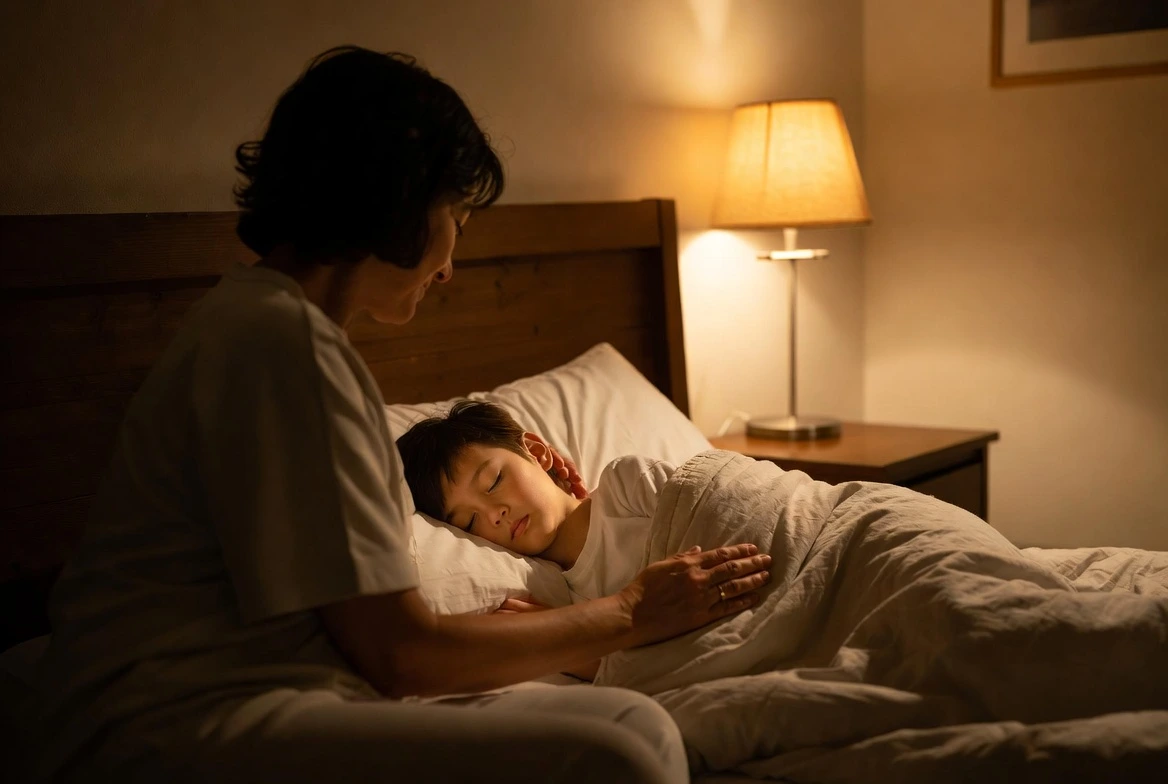
If you want to know how to help someone with autism sleep, focus on sensory regulation before they ever hit the mattress. An overstimulated brain cannot drift off.
Your Bedtime Checklist
- The 6 Second Rule: When giving bedtime instructions, wait 6 seconds before repeating yourself. This allows for slower processing time.
- Weighted Blankets: Many find the deep pressure calming, though you should check if the individual tolerates the weight.
- Blackout Curtains: Eliminate all outside light to prevent sensory “pings” during the night.
- White Noise: A fan or sound machine can mask unpredictable house noises.
- Emotional Regulation: Avoid “big” emotions or high-energy play for at least an hour before bed.
Who Can Provide a Reliable Autism Diagnosis?
It is important to remember that autism and sleep difficulties alone do not mean a person is autistic. Many conditions, like ADHD or anxiety, can disrupt rest. Unlocking the Truth: Who Can Provide a Reliable Autism Diagnosis? requires seeing a qualified professional.
Clinical psychologists, developmental pediatricians, and neurologists are the experts here. They use the Diagnostic and Statistical Manual of Mental Disorders (DSM-5) to look at social communication and behavioral patterns. If you are only seeing sleep issues without social challenges, your doctor might look for other causes first.
Are Adult Autism Residential Programs Right for Your Family?
For some families, sleep issues become a safety crisis. Are Adult Autism Residential Programs Right for Your Family? This is a difficult question. However, when autism and sleep disorders in adults lead to “wandering” at night or severe self-injury due to exhaustion, residential care can provide a 24/7 safe environment.
These programs offer trained staff who can manage complex sleep hygiene and medical needs that are hard to handle at home.
What Makes a Daycare Autism Friendly?
Sleep health starts during the day. What Makes a Daycare Autism Friendly? Key Features to Look For include a flexible nap schedule. A child with autism may not be tired at the “standard” nap time. A good daycare will have a quiet sensory space where a child can rest, even if they aren’t sleeping.
Predictability in the daytime routine directly leads to better autism and sleep in toddlers.
Sleep as a Mood Stabilizer
As a psychologist specializing in mood, I cannot stress enough how vital sleep is for those with Bipolar Disorder. For an autistic person who also has Bipolar, a single night of missed sleep can trigger a manic episode. In my sessions, we often treat sleep as a “medication.”
Protecting the sleep cycle is the most effective way to prevent the “wired” energy of mania from colliding with the “overload” of autism.
Frequently Asked Questions
How does autism affect sleep patterns?
It affects the body’s ability to produce melatonin and follow a standard 24-hour clock. It also makes the brain more sensitive to sensory “interruptions” during the night.
Do autistic children struggle to sleep?
Yes, up to 80% experience resistance at bedtime, frequent night waking, or waking up very early in the morning.
What are the treatment options for sleep problems in autism?
Treatment includes behavioral therapy, visual schedules, melatonin supplements, and sensory adjustments like weighted blankets or white noise.
How much sleep do people with autism need?
They need the same amount as their peers (e.g., 9-11 hours for school-age kids), but they often need more time in bed to achieve that amount of actual rest.
Is melatonin safe for autism?
Many studies show it is effective and generally safe for short-term use in the autistic community, but you must consult your pediatrician for the correct dosage.
What is the 6-second rule for autism?
It is a communication tool. After giving a prompt (like “Go brush your teeth”), you wait 6 seconds to allow the brain to process the request before speaking again.
Conclusion
As we have discussed, these autism and sleep problems are often rooted in biological differences like melatonin production and circadian rhythm shifts. Whether you are a parent of a toddler or an adult navigating autism and sleep disorders in adults, your struggle is not a personal failure. It is a physiological reality that requires specific, supportive tools. By utilizing sensory adjustments and seeking professional guidance for a reliable diagnosis, you can move from a state of chronic exhaustion to one of sustainable rest.
Do you feel like your current bedtime routine is working with your brain or against it? Taking the time to observe these patterns and implement small changes, such as the 6-second rule or sensory modifications, can lead to significant breakthroughs. You and your family deserve more than just survival; you deserve the restorative power of a good night’s sleep.
References:
- CDC – Autism Spectrum Disorder
- Autism Speaks – Sleep Challenges
- Sleep Foundation – Autism and Sleep
- NIH – Melatonin and Autism Studies
- American Academy of Pediatrics – Sleep Health

Related Posts





Subscribe to Our Newsletter
Get mental health tips, updates, and resources delivered to your inbox.
MORE from Author
Read More Watching someone you care about struggle with bipolar depression and anxiety can be heartbreaking. You may notice that they withdraw…
 In my practice as a clinical psychologist, I often observe that the difference between a patient who crumbles under pressure…
 We all have "up" days and "down" days. Perhaps you feel energized after a promotion or sluggish on a rainy…
 To define bipolar disorder accurately, we must look at it as a chronic mood dysregulation condition. In psychology and medicine,…
Are you looking for a Therapist?
Connect with qualified mental health professionals who understand
bipolar disorder, mood changes, and emotional challenges.
Private • Supportive • Confidential