
Suprasensory Abilities: What to Know About HSP Traits, Bipolar Sensitivity, and Emotional Depth

Medically reviewed by Laura Athey Updated Date: March 29, 2026
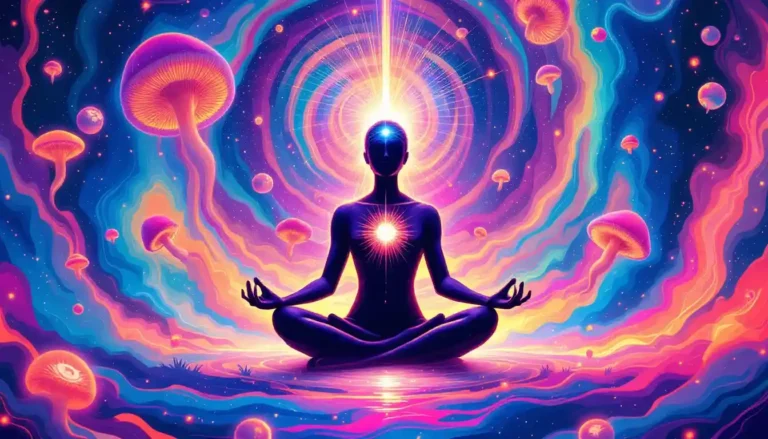
Dating can be a whirlwind of emotions for anyone, but Suprasensory Abilities adds a unique layer of depth—and complexity—to the experience. You might notice that your partner cries easily at movies, gets overwhelmed in crowded restaurants, or seems to “read your mind” before you’ve even spoken.
In my clinical practice, I frequently work with clients who describe themselves (or their partners) as “too emotional” or “thin-skinned.” Often, they come to me wondering if this sensitivity is a symptom of a mental health condition like Bipolar Disorder, or if it is simply who they are. The distinction is crucial.
There is a world of difference between the stable trait of a Highly Sensitive Person (HSP) and the episodic emotional shifts of mood disorders.
Understanding these differences can save a relationship. It moves the conversation from “Why are you reacting like this?” to “How can we support your processing style?” Whether you are the sensitive partner or the one loving them, this guide will help you navigate the beautiful, intense waters of high sensitivity.
What Does It Mean to Be a Highly Sensitive Person (HSP)?
To understand the highly sensitive dating experience, we first need to define what an HSP actually is. Coined by psychologist Dr. Elaine Aron, the term refers to individuals with Sensory Processing Sensitivity (SPS).
This is not a disorder. It is a temperament trait found in about 15-20% of the population. An HSP has a nervous system that is more sensitive to environmental and emotional stimuli. They don’t just “feel” more; they process information more thoroughly.
Key Characteristics of an HSP:
- Depth of Processing: They reflect deeply on experiences.
- Overstimulation: They are prone to overwhelm in loud, chaotic, or fast-paced environments.
- Emotional Reactivity: They have stronger emotional responses to both positive and negative events.
- Sensing the Subtle: They notice small changes in a partner’s tone, body language, or environment.
Is dating a highly sensitive person like dating other people? Yes, but with amplified emotional needs. In therapy, I often describe it like this: If a non-HSP has a standard definition TV screen for emotions, an HSP has an 8K Ultra-HD screen. The picture is sharper and more beautiful, but it can also be blindingly bright.
Dating a Very Sensitive Person — What to Expect
When dating a very sensitive person, you are signing up for a relationship that prioritizes depth. HSPs rarely do “surface level.” While this creates profound intimacy, it also requires adjustments.
Emotional Depth and Empathy
HSPs make incredibly attentive partners. Because they feel deeply, they love deeply. They are the partners who will remember your childhood dog’s name, notice when you are stressed before you say a word, and work hard to resolve conflicts. However, this cuts both ways. They are also easily hurt by criticism or a harsh tone.
Sensory Awareness and Overstimulation
If you love loud concerts, surprise parties, or horror movies, you might find friction here. An HSP partner might physically recoil from loud noises or violent imagery. This isn’t them being “difficult”; it is a physiological response. Their brain is processing that input as a threat.
- Dating Tip: A “dinner and a movie” date might need to be a quiet bistro and a drama, rather than a sports bar and an action flick.
Processing Time
One of the most common complaints I hear from partners of HSPs is, “Why does it take them so long to make a decision?” HSPs need to observe and reflect before acting. In a relationship, this can look like hesitation, but it is actually caution. They want to get it right.
Do HSPs take relationships slowly? Often, yes. This isn’t because they are afraid of commitment, but because they are processing the implications of the relationship deeply. They are asking, “Is this safe? Is this sustainable?” Once they decide, however, they are usually fiercely loyal.
Are You in a Relationship with a Highly Sensitive Person?
Sometimes sensitivity is mislabeled as anxiety or “being dramatic.” If you aren’t sure if your partner fits the HSP profile, look for these signs.
The HSP Relationship Checklist:
- Conflict Avoidance: Do they shut down or become visibly shaken during arguments?
- Downtime Needs: Do they need to retreat to a dark, quiet room after a social event (even a fun one)?
- Empathy Sponge: Do they “absorb” your bad moods? If you are stressed, do they become stressed just by being near you?
- Detail-Oriented: Do they notice a new haircut or a moved vase immediately?
- Startle Response: Do they jump easily at loud noises?
If you check most of these boxes, you aren’t dealing with a “drama queen”—you are dealing with a highly sensitive nervous system.
Why Do HSPs Love Being Engaged?
There is a common search query: “Why do HSPs love being engaged?” This doesn’t necessarily refer to the ring on the finger, but to the state of being engaged in a relationship.
HSPs thrive on security and known variables.
Safety in Certainty: The dating phase is full of ambiguity (“Does he like me?”, “Are we exclusive?”). This uncertainty is exhausting for an HSP who over-analyzes every text. Engagement (or clear commitment) reduces that noise.
Depth over Breadth: Casual dating requires small talk with many strangers—an HSP’s nightmare. Being committed allows for deep, meaningful conversation with one person.
Emotional Regulation: A secure attachment helps regulate the HSP’s nervous system. Knowing they have a “safe harbor” allows them to explore the world without constant overstimulation.
Bipolar Disorder and Emotional Sensitivity
Here is where my clinical background becomes vital. Many people confuse the trait of high sensitivity with the symptoms of Bipolar Disorder. While both involve intense emotions, the root causes and patterns are different.
Why are bipolar people so sensitive?
In Bipolar Disorder, sensitivity is often state-dependent.
- During Depression: A person may be sensitive to rejection, feelings of worthlessness, and physical pain. The world feels heavy and abrasive.
- During Mania/Hypomania: Sensitivity flips. They may become sensitive to stimulation (colors look brighter, music sounds better) or sensitive to irritation (rage when thwarted).
The Key Difference: An HSP is sensitive all the time as a baseline personality trait. A person with Bipolar Disorder may have periods of average sensitivity in between mood episodes (euthymia).
High Functioning Bipolar 2
I often see patients with high-functioning Bipolar 2 who are misdiagnosed (or self-diagnosed) as HSPs. Bipolar II is characterized by depressive episodes and hypomania (a milder form of mania).
What does high-functioning bipolar 2 look like?
- Hypomanic Phase: They might feel energetic, creative, and charismatic. They need less sleep and might be the life of the party. They might feel “super-sensitive” in a euphoric way.
- Depressive Phase: They crash into lethargy and deep emotional pain.
Unlike an HSP, whose sensitivity is about processing, a person in a hypomanic state often has reduced processing (impulsivity). An HSP carefully considers the risk; a hypomanic person might ignore it.
Do bipolar people have heightened senses? Yes, but typically only during mood elevation. Patients in a manic or hypomanic state often report suprasensory abilities—claims that they can hear frequencies others can’t, or that colors are vibrating. This is a neurochemical shift, not a permanent sensory processing trait like HSP.
Here is Part 2 of the article, covering the nuances of bipolar sensitivity, the myth of extrasensory abilities, key differences, and actionable relationship advice.
Do Bipolar People Have Heightened Senses?
A fascinating but often misunderstood aspect of Bipolar Disorder is the phenomenon of heightened senses.
During a hypomanic or manic episode, the brain is flooded with excitatory neurotransmitters like dopamine and glutamate. This can literally alter perception.
- Colors: Appear more vivid, “glowing,” or intense.
- Sounds: Music can feel euphoric or painfully loud; background noise becomes impossible to filter out.
- Touch: Physical sensation is amplified, which can lead to hypersexuality or extreme irritability with clothing textures.
This is distinct from being a Highly Sensitive Person (HSP).
- HSP Sensitivity: Is a constant, stable trait. The world is always “loud.”
- Bipolar Sensitivity: Is episodic. A person might tolerate a rock concert fine when stable (euthymic) but find it unbearable or ecstatic during an episode.
Clinical Insight: If your partner suddenly starts claiming they can see “auras” or hear electricity in the walls, this is not just “being sensitive.” It may be a sign of a manic or hypomanic episode requiring medical attention.
Suprasensory Abilities and Extrasensory Perception — Myth vs Psychology
The internet is full of claims about suprasensory abilities and extrasensory perception abilities linked to being an HSP or having Bipolar Disorder. Let’s clarify the psychology behind this.
What are extrasensory perception abilities?
Technically, this refers to psychic phenomena (telepathy, clairvoyance). While many people feel they have these gifts, psychology offers a grounded explanation: Hyper-Empathy and Pattern Recognition.
- The “Psychic” HSP: An HSP notices micro-expressions (a tiny frown, a shift in posture) that others miss. They might ask, “Are you okay?” before you even know you’re upset. This feels like mind-reading, but it’s actually high-level observation.
- The Manic “Prophet”: In Bipolar mania, the brain connects unrelated ideas rapidly (flight of ideas). This can feel like a profound spiritual revelation or psychic download, but it is a symptom of altered cognition, not a supernatural power.
Dating Tip: Validate their feelings (“I see you are feeling very connected to the universe right now”) without validating the delusion if it becomes harmful.
HSP vs Bipolar Sensitivity — Key Differences
To help you distinguish between a personality trait and a mood disorder, here is a breakdown.
Comparison Table: Highly Sensitive Person (HSP) vs Bipolar Disorder
| Feature | Highly Sensitive Person (HSP) | Bipolar Disorder (I or II) |
| Nature | A stable personality trait (temperament). | A mood disorder (diagnosis). |
| Consistency | Consistent across time and situations. | Episodic (cycles of ups and downs). |
| Sleep | Needs more sleep to recover from stimulation. | During mania/hypomania, feels rested on little to no sleep. |
| Impulsivity | Generally cautious; thinks before acting. | During episodes, can be highly impulsive or reckless. |
| Treatment | Does not require medication (lifestyle adjustments help). | Usually requires medication (mood stabilizers) and therapy. |
| Sensitivity Source | Deep processing of sensory input. | Neurochemical fluctuations affecting mood/energy. |
Is being highly sensitive a mental illness?
No. Being an HSP is a variation in how the brain processes information, much like being introverted or extroverted. Bipolar Disorder is a treatable medical condition.
Dating Tips for Relationships Involving High Sensitivity
Whether you are dating an HSP or someone with Bipolar Disorder, the foundation of success is the same: Respect for their reality.
If Your Partner Is an HSP:
- Lower the Volume: Literally and figuratively. Keep the TV volume reasonable. Don’t shout during arguments.
- Plan Decompression Time: After a party or a long day, give them an hour of “quiet time” before expecting conversation. It’s not rejection; it’s recharging.
- Validate Their Depth: Don’t say, “You’re overthinking it.” Instead, say, “I appreciate how deeply you care about this.”
- Gentle Conflict Resolution: HSPs wilt under harsh criticism. Use “I feel” statements and keep your tone calm.
If Your Partner Has Bipolar Disorder:
- Learn Their Signs: Know what their “ramp up” to mania looks like (e.g., talking faster, spending money) and their slide into depression (e.g., withdrawing, sleeping more).
- Encourage Routine: Stability in sleep and schedule is the best medicine for Bipolar Disorder. Support their routine, don’t disrupt it with spontaneous 2 AM trips.
- Separate the Person from the Illness: When they are irritable during an episode, remember: “This is the symptom, not my partner.”
- Crisis Plan: Have a plan for what to do if an episode becomes severe. Who do you call? Which doctor?
Frequently Asked Questions
Is dating a highly sensitive person different?
Yes. Dating an HSP involves more emotional intimacy and less high-stimulation activity. You may spend more time talking deeply and less time at loud clubs. They require a partner who is patient and emotionally available.
Do HSPs take relationships slowly?
Often, yes. Because they process everything deeply, they may hesitate to label a relationship or say “I love you” until they are sure. This caution protects them from the intense pain of a breakup.
Why do HSPs love being engaged?
Engagement offers emotional security. The clear commitment reduces the anxiety of “what are we?” and allows the HSP to relax and focus on building a life together, rather than constantly analyzing the relationship status.
Why are bipolar people so sensitive?
In Bipolar Disorder, brain chemistry (neurotransmitters) fluctuates, altering how the person perceives the world. Depression makes emotional pain feel physical, while mania amplifies sensory input and emotional intensity.
Do bipolar people have heightened senses?
During manic or hypomanic episodes, yes. Senses can become sharper, colors brighter, and sounds louder. This is a temporary state, unlike the permanent sensory processing of an HSP.
What does high-functioning bipolar 2 look like?
It often looks like a cycle of high productivity and charisma (hypomania) followed by periods of withdrawal and fatigue (depression). People with Bipolar 2 often keep their jobs and relationships but struggle internally with mood swings.
What are extrasensory perception abilities?
These are claimed psychic abilities like telepathy. While frequently reported by people in manic states or by highly empathetic HSPs, psychology attributes these to heightened observation, pattern recognition, or delusions, not actual supernatural powers.
Conclusion
Dating a very sensitive person—whether they are an HSP or managing Bipolar Disorder—is an invitation to see the world in high definition. Yes, the lows can be lower, and the noise can be louder. But the love, loyalty, and empathy you receive are often unmatched.
If you are the partner, your job isn’t to “toughen them up.” It is to be the safe harbor where they can lower their sails. If you are the sensitive one, your job is to communicate your needs without apology. Sensitivity is not a flaw to be fixed; it is a feature to be understood. When navigated with care, it creates a relationship of profound depth and beauty.
References:
Here are 5 authoritative references for the article, covering the clinical definitions of Bipolar Disorder and the psychological framework for Highly Sensitive People (HSP).
- The Highly Sensitive Person (Dr. Elaine Aron)
- National Institute of Mental Health (NIMH)
- Mayo Clinic
- Psychology Today
- National Library of Medicine (PubMed Central)

Related Posts



Subscribe to Our Newsletter
Get mental health tips, updates, and resources delivered to your inbox.
MORE from Author
Read More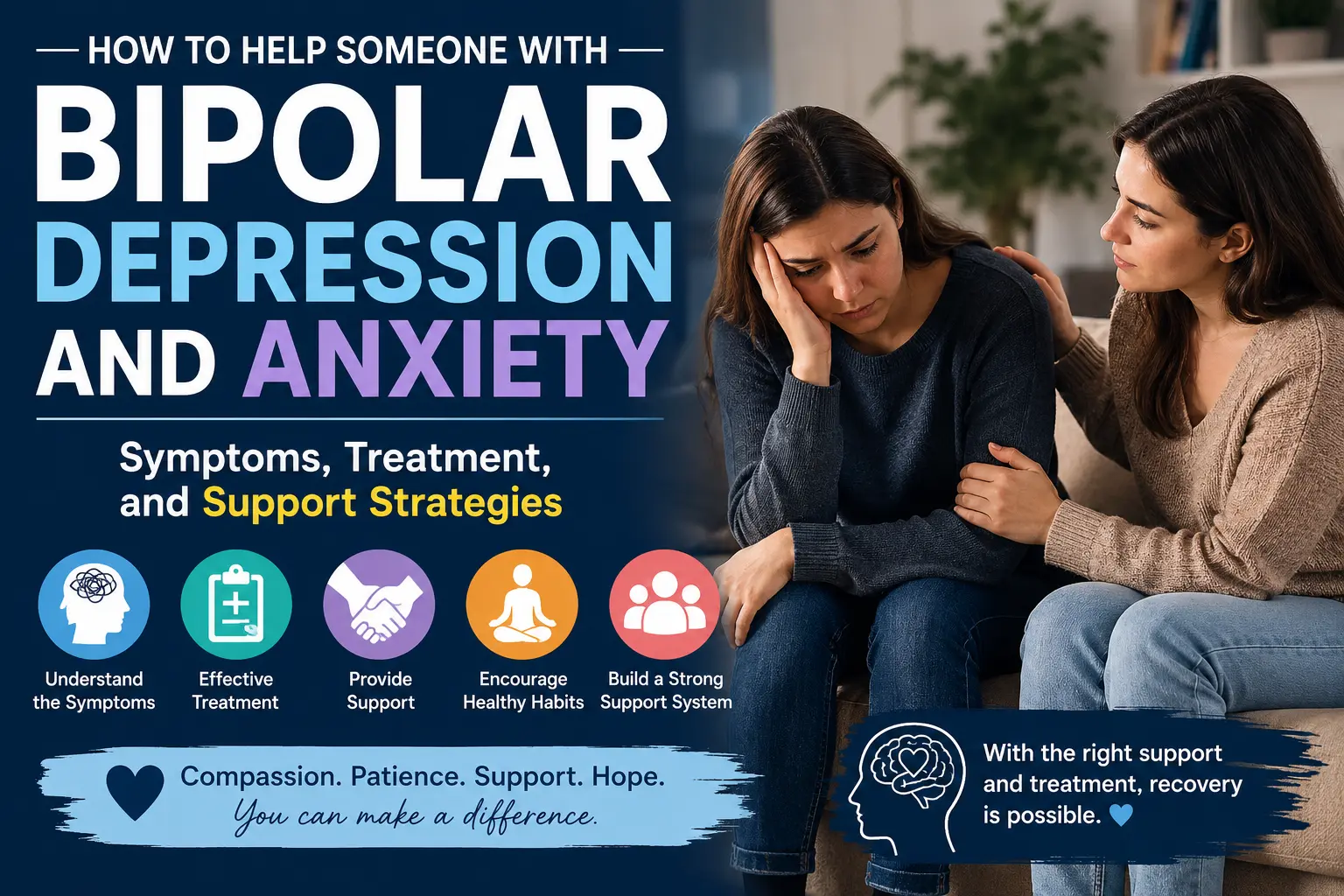 Watching someone you care about struggle with bipolar depression and anxiety can be heartbreaking. You may notice that they withdraw…
 In my practice as a clinical psychologist, I often observe that the difference between a patient who crumbles under pressure…
 We all have "up" days and "down" days. Perhaps you feel energized after a promotion or sluggish on a rainy…
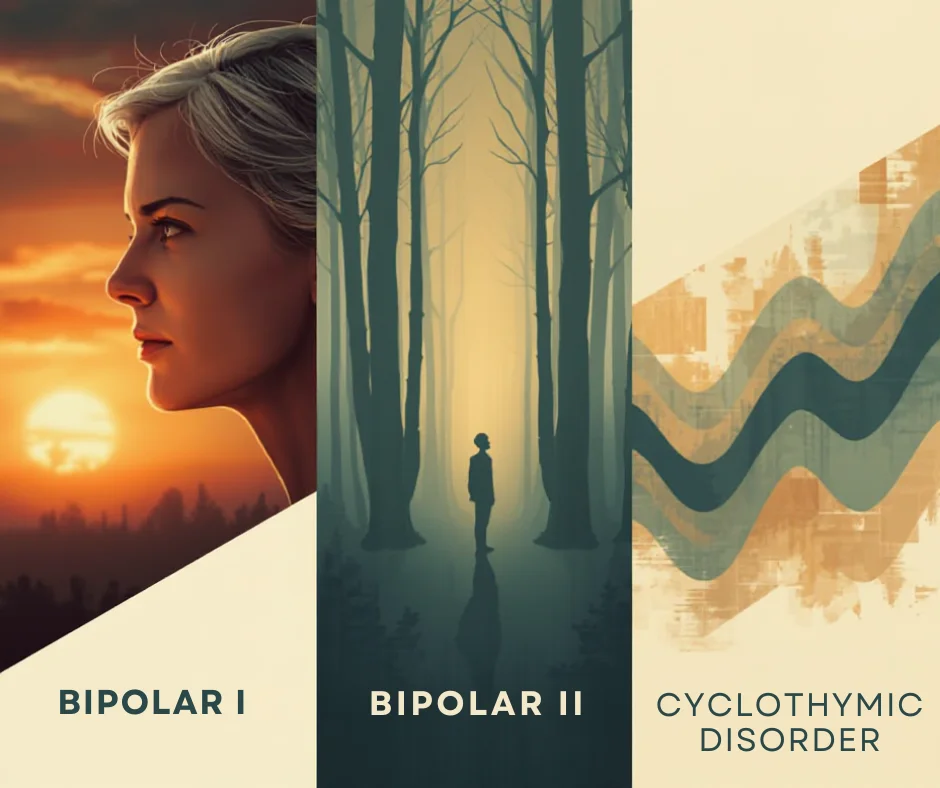 To define bipolar disorder accurately, we must look at it as a chronic mood dysregulation condition. In psychology and medicine,…
Are you looking for a Therapist?
Connect with qualified mental health professionals who understand
bipolar disorder, mood changes, and emotional challenges.
Private • Supportive • Confidential