
Self-Destructive BPD Symptoms, Petulant BPD & BPD Self-Tests

Medically reviewed by Laura Athey Updated Date: April 20, 2026

Navigating the landscape of Borderline Personality Disorder (BPD) often feels like traversing a storm that changes direction without warning.
While the clinical world relies on standardized criteria, individuals living with the condition often find themselves identifying with specific “subtypes” that describe their unique emotional experience.
Two of the most challenging manifestations are the Self-Destructive BPD Symptoms and the petulant personality disorder.
In many cases, the turmoil of BPD is not directed outward in the form of high-conflict social outbursts; instead, it turns inward, manifesting as a systematic dismantling of one’s own success, health, and relationships.
This inward-facing struggle is where self-destructive BPD symptoms take root, creating a cycle of pain that can feel impossible to break. Understanding these patterns is the first step toward stability. However, as many seek clarity through an official borderline personality disorder test or a Do I Have BPD quiz, it is vital to understand what these tools can—and cannot—tell you about your mental health.
What Is Self-Destructive BPD?
The self-destructive BPD subtype is one of the four unofficial classifications popularized by psychologist Theodore Millon. While the DSM-5 does not officially categorize BPD into these types, the “self-destructive” label helps many understand why their primary struggle is not with others, but with themselves.
If you are looking at the symptoms of self-destructive BPD, you are looking at a person who is often their own worst enemy. Unlike the “classic” or impulsive subtype that might seek external thrills, the self-destructive individual is often driven by a deep sense of unworthiness or self-loathing.
Their behaviors are frequently a form of self-punishment. This pain is internalized; they may appear high-functioning or “quiet” to the outside world, yet they are engaging in a methodical sabotage of their own well-being.
The distinction between self-destruction and simple impulsivity is the intent. In this subtype, reckless behavior isn’t about seeking a “high”; it is often about validating a belief that one deserves to suffer or is “bad.” It is an emotional punishment pattern that creates a “self-fulfilling prophecy” of failure and isolation.
Common Symptoms of Self-Destructive BPD

Identifying the self-destructive BPD symptoms requires looking beneath the surface of everyday behavior. These symptoms usually fall into three major categories: emotional, behavioral, and relational.
i. Behavioral Symptoms
The most visible signs of self-sabotaging behaviour include:
- Reckless Behavior: This might manifest as “passive” suicidality, such as driving recklessly, substance abuse, or engaging in unprotected sex with strangers without regard for the consequences.
- Health Neglect: Intentionally skipping life-saving medications, ignoring medical advice, or engaging in disordered eating as a way to “disappear” or punish the body.
- Self-Harm: While not exclusive to this subtype, self-harm here is often a “reset button” for unbearable internal pressure.
ii. Emotional and Relational Patterns
The internal world of someone with self-destructive BPD is dominated by:
- Internalized Rage: Instead of yelling at a partner, they may turn that anger into self-disgust.
- Relationship Sabotage: Just when a relationship becomes stable and loving, the individual may “blow it up.” This is often an attempt to regain control—if they destroy the relationship first, they don’t have to live in fear of the other person eventually leaving them.
- Chronic Emptiness: A pervasive feeling that they do not exist or that their existence is fundamentally flawed, leading to a desire to erase themselves.
iii. Relational Symptoms
How the disorder affects the “bridge” between the self and others.
- The “Preemptive Strike” (Self-Sabotage): When a relationship becomes healthy or stable, the fear of being abandoned becomes unbearable. To regain control, the individual “blows up” the relationship (by picking fights or cheating) so they are the ones doing the leaving, not the ones being left.
- Isolation as Protection: They may withdraw from loved ones because they feel like a “burden.” By disappearing, they believe they are “saving” others from having to deal with them.
- Testing Boundaries: They may subconsciously push partners or friends to their breaking point to “test” if the person will actually stay, which often ironically causes the very abandonment they fear.
Self-Sabotage in BPD: Why It Happens
If you have ever asked yourself, “What are the signs of self-sabotaging behaviour?” you have likely experienced the confusion of doing the opposite of what is good for you. In BPD, self-sabotage is rarely random. It is usually a protective mechanism, albeit a maladaptive one.
- Fear of Abandonment: If I sabotage a job or a friendship now, I avoid the agonizing wait for the “inevitable” moment they reject me. It is a way of “winning” by losing on one’s own terms.
- Shame and Self-Punishment: Many people with BPD carry a “core of shame” often rooted in early childhood trauma. When things go well, it feels “wrong” or unearned, leading to an urge to restore the status quo of suffering.
- Trauma Bonding with Pain: Pain can become a familiar “home.” When life becomes too peaceful, the lack of intensity can feel like a vacuum, leading the individual to create chaos just to feel “alive” or “normal” again.
Understanding that this is a “destroy it before it leaves me” mindset helps remove some of the shame associated with these actions. It is a survival strategy that has simply outlived its usefulness.
How to Stop Self-Sabotaging as a Person With BPD
Learning how to stop self-sabotaging as a person with BPD is a process of retraining the brain’s emergency response system. It requires moving from “auto-pilot” destruction to “conscious” repair.
Awareness Loops
The first step is identifying the “Sabotage Trigger.” Usually, self-sabotage happens right after a success or a moment of deep intimacy. When you feel the urge to quit a job or pick a fight, stop and ask: “Am I actually unhappy, or am I just afraid of being happy and then losing it?”
DBT Skills: The Toolkit for Change
Dialectical Behavior Therapy (DBT) offers the most effective strategies for interrupting these urges:
- Distress Tolerance (TIPP): Use Temperature (cold water on the face) or Intense exercise to “reset” the nervous system when the urge to self-destruct is high.
- Check the Facts: Ask yourself if your belief (“They are going to leave me anyway”) is based on current evidence or past trauma.
- Opposite Action: If you feel the urge to isolate and punish yourself, the “opposite action” is to reach out to a friend or engage in a small act of self-care.
Replacing punishment with “self-repair” is the ultimate goal. When you make a mistake, instead of self-harming, you practice “radical acceptance” and focus on the next right step.
Petulant Personality Disorder Explained
While the self-destructive type turns the storm inward, petulant personality disorder is characterized by an erratic, unpredictable “push-pull” dynamic with others. This subtype is marked by extreme irritability, defiance, and a sense of being perpetually dissatisfied.
The “petulant” individual feels a deep need for others but is simultaneously resentful of that need. This leads to passive-aggressive behaviors and a “cantankerous” demeanor. They may feel that nobody truly understands their suffering or that the world is inherently unfair. This mix of dependency and anger creates a volatile environment for anyone in their inner circle.
Petulant BPD in Relationships
If you are a petulant borderline personality disorder wife or husband—or the spouse of one—you know that the relationship often feels like a minefield. The fear of abandonment is still the core driver, but it manifests as “testing” the partner.
- Rage Followed by Guilt: A petulant individual may explode over a perceived slight, only to be crushed by overwhelming guilt minutes later. This “emotional hangover” often leads to more self-loathing, restarting the cycle.
- Fear-Driven Control: To prevent being hurt, they may try to control the partner’s movements or feelings.
- The “Cold Shoulder”: Passive-aggression is a hallmark here. Instead of saying “I’m hurt,” they may withdraw and act sullen, waiting for the partner to “prove” their love by chasing after them.
For spouses, the impact is profound. It requires a delicate balance of firm boundaries and consistent validation.
Petulant BPD Reddit: What People Say Online
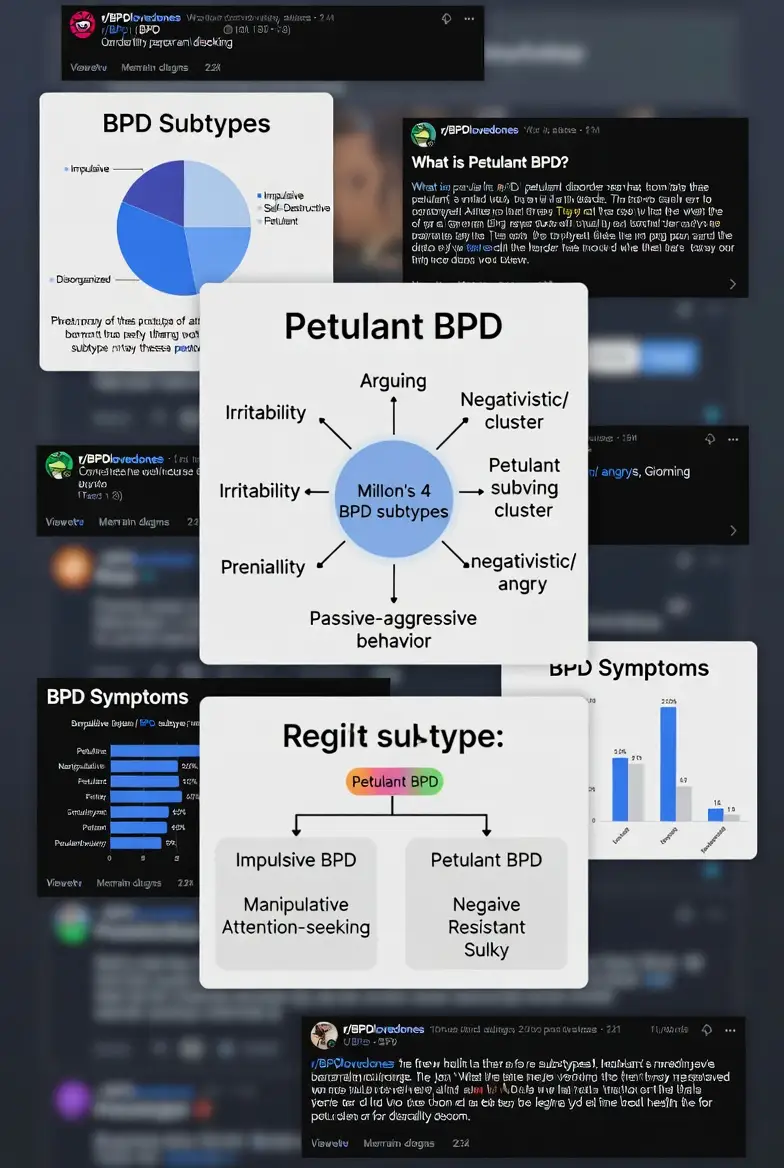
When searching for petulant BPD Reddit, you will find a vast community of individuals sharing their raw, unfiltered experiences. These forums often provide a sense of validation that clinical textbooks cannot, as users describe the specific “simmering” anger and the unique guilt that follows a petulant outburst.
Validation vs. Misinformation
The benefit of these communities is the realization that you are not “just a mean person”—you are someone struggling with a high-reactivity nervous system. However, a significant risk exists: Reddit users are not clinicians.
You may find people self-diagnosing or encouraging “splitting” behavior. It is important to remember that while Reddit is excellent for peer support, it cannot replace a formal diagnosis or the specialized guidance of a therapist trained in personality disorders.
Understanding BPD Rage: What It Is and Why It Explodes
One of the most misunderstood aspects of the disorder is the “BPD rage.” If you are searching for how to calm BPD rage, it helps to first understand that this isn’t just “anger”—it is a neurological “flooding.”
The Neurological Stress Response
In a person with BPD, the amygdala (the brain’s emotional alarm) is hyper-reactive, while the prefrontal cortex (the “logical” brakes) often goes offline during stress. When triggered by a fear of rejection or a sense of shame, the brain enters a full “fight-or-flight” mode. This is why the rage feels uncontrollable; in that moment, the body literally believes it is under a life-threatening attack.
How to Calm BPD Rage in the Moment
Learning how to calm BPD rage requires intervention before the “emotional wave” reaches its peak. Once the rage has fully exploded, the goal shifts to “harm reduction” and safety.
Practical Grounding Tools
- Temperature Reset: This is the most effective “fast” fix. Splashing ice-cold water on your face or holding an ice cube triggers the mammalian dive reflex, which naturally lowers your heart rate and forces the nervous system to cool down.
- The 5-4-3-2-1 Technique: Engage your senses to pull your brain out of the “rage loop.” Name 5 things you see, 4 you can touch, 3 you hear, 2 you smell, and 1 you can taste.
- Timed Time-Outs: Communicate to your partner before a crisis that you may need a “15-minute reset.” Crucially, you must frame this as “I am overwhelmed and need to cool down so I don’t hurt you,” rather than “I am leaving you.” This reduces the partner’s fear of abandonment.
BPD Tests & Quizzes: What They Measure
As you begin to recognize these patterns, you may feel an urgent need for a label. This often leads people to search for an official borderline personality disorder test. It is important to distinguish between a screening tool and a diagnostic assessment.
Screening vs. Diagnosis
An online, most accurate BPD test is typically a “screening” tool. It measures the frequency and intensity of your symptoms. It is designed to cast a wide net. If you score high, it doesn’t necessarily mean you have BPD—it means your symptoms are significant enough that you should speak with a professional.
Clinicians, on the other hand, use structured clinical interviews to look at the “why” behind the behaviors, ensuring that what looks like BPD isn’t actually CPTSD, Autism, or Bipolar Disorder.
Free BPD Quizzes: What to Know Before You Take One
If you are about to take a “have I got BPD quiz” or a “do I have BPD quiz,” be mindful of your emotional state. These quizzes can be highly triggering because they force you to confront your most painful behaviors all at once.
Risks of Self-Labeling
The primary risk of a “do you have BPD quiz” is that it provides a static answer to a dynamic problem. You might take a quiz during a breakup and score very high, but those same symptoms might subside when you are in a stable environment. Use these quizzes as data points to bring to a therapist, not as a final verdict on your personality.
Is There an Official Borderline Personality Disorder Test?
Technically, there is no single “blood test” or a 10-question “official” quiz for BPD. Diagnosis is a holistic process. However, the “gold standard” instruments used by psychiatric professionals include:
- SCID-5-PD: The Structured Clinical Interview for DSM-5 Personality Disorders.
- MSI-BPD: The McLean Screening Instrument for BPD, which is a 10-item tool often used in research.
- The PAI (Personality Assessment Inventory): A comprehensive test that looks at a wide range of personality traits.
If you want the most accurate BPD test results, you must undergo these assessments with a licensed professional who can interpret the nuance of your answers.
What to Do If You Recognize These Patterns in Yourself
Recognizing self-destructive BPD symptoms in your own life is a moment of profound bravery. Most people spend years in denial; choosing to look at the pattern is the first step toward breaking it.
- Safety First: If your self-destruction involves physical self-harm or suicidal ideation, your first step is a safety plan. Reach out to a crisis line or a trusted friend immediately.
- Seek a Specialist: Not all therapists are trained in BPD. Look for someone who mentions DBT (Dialectical Behavior Therapy) or Schema Therapy specifically.
- Start Small: You don’t have to fix your entire personality today. Pick one self-sabotaging behavior—like “ghosting” friends when you’re sad—and try to interrupt it just once this week.
The Overlap Between Self-Destructive and Petulant Patterns
While clinicians often discuss these subtypes as separate entities, the reality for many is a “mixed” presentation. You may find that you cycle between the two. For instance, a person might experience a petulant outburst of rage toward a spouse, followed immediately by an intense wave of guilt that triggers self-destructive BPD symptoms, such as substance use or self-harm, as a way to punish themselves for the outburst.
Understanding this “ping-pong” effect is essential for recovery. It highlights that both behaviors stem from the same root: an inability to process intense emotional pain. Whether the storm is directed at a partner (petulant) or at yourself (self-destructive), the underlying need is for safety and validation.
Frequently Asked Questions
What are the symptoms of self-destructive BPD?
Primary symptoms include chronic self-sabotage of success, reckless behaviors (like dangerous driving or substance abuse), intentional neglect of physical health, and internalizing anger as self-loathing or self-harm.
How do I stop self-sabotaging with BPD?
The most effective way is through Dialectical Behavior Therapy (DBT). Techniques like “Check the Facts” and “Opposite Action” help you identify the fear behind the sabotage and choose a constructive behavior instead of a destructive one.
How can I calm BPD rage fast?
Use the TIPP skill from DBT. Splashing ice-cold water on your face or holding an ice cube triggers a physiological “reset” that lowers your heart rate and pulls you out of an emotional “flood” state.
Are online BPD quizzes accurate?
They are accurate as screening tools, meaning they can identify if you have significant traits. However, they are not diagnostic. Only a mental health professional can provide a formal diagnosis by ruling out other conditions.
Is petulant BPD different from self-destructive BPD?
Yes, primarily in terms of where the energy is directed. Petulant BPD is usually externalized toward others through irritability and defiance. Self-destructive BPD is internalized, focusing the “attack” on the individual’s own life and body.
Conclusion
If you have recognized yourself in the descriptions of self-destructive BPD symptoms or the volatility of petulant personality disorder, please know that this insight is your greatest tool. Many people live their entire lives at the mercy of these patterns without ever knowing they have a name. By identifying them, you have already begun the work of detaching from them.
BPD is not a life sentence of chaos. It is a description of a highly sensitive nervous system that hasn’t yet learned how to navigate a world that feels overwhelming. Whether your scores on the most accurate BPD test were high or you simply see yourself in these words, there is a clear path forward.
With the right therapeutic support, the self-sabotage can be replaced by self-compassion, and the rage can be transformed into a powerful, regulated sense of self.
Recovery is not about “fixing” who you are; it is about building a life that is no longer dominated by survival instincts, but by your actual goals and values.
Authoritative References
1. National Institute of Mental Health (NIMH) –BPD Overview
2. The Millon Personality Group – BPD Subtypes
3. McLean Hospital –The McLean Screening Instrument (MSI-BPD)
4. National Education Alliance for Borderline Personality Disorder (NEA.BPD)
5. American Psychiatric Association (APA) –DSM-5-TR

Related Posts



Subscribe to Our Newsletter
Get mental health tips, updates, and resources delivered to your inbox.
MORE from Author
Read More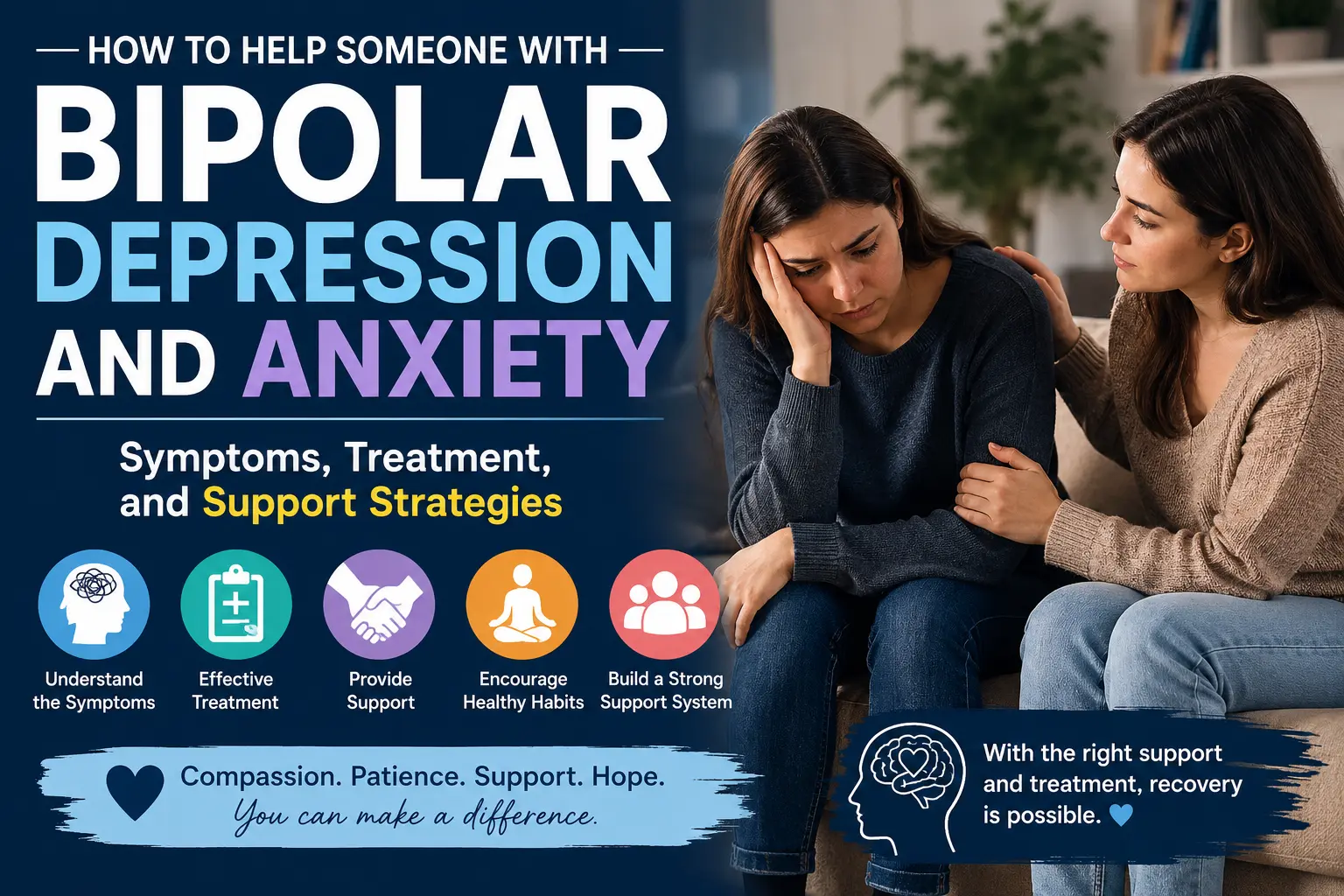 Watching someone you care about struggle with bipolar depression and anxiety can be heartbreaking. You may notice that they withdraw…
 In my practice as a clinical psychologist, I often observe that the difference between a patient who crumbles under pressure…
 We all have "up" days and "down" days. Perhaps you feel energized after a promotion or sluggish on a rainy…
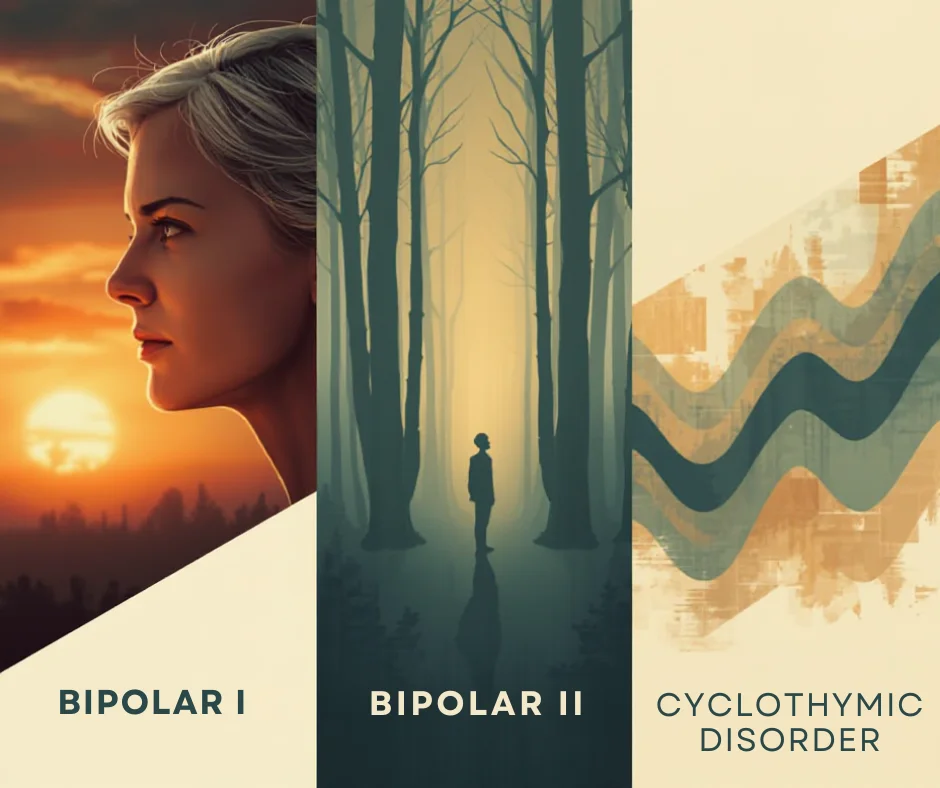 To define bipolar disorder accurately, we must look at it as a chronic mood dysregulation condition. In psychology and medicine,…
Are you looking for a Therapist?
Connect with qualified mental health professionals who understand
bipolar disorder, mood changes, and emotional challenges.
Private • Supportive • Confidential