
Famous People With Bipolar Disorder: 43 Celebrities, Athletes and Historical Figures (Fact-Checked)

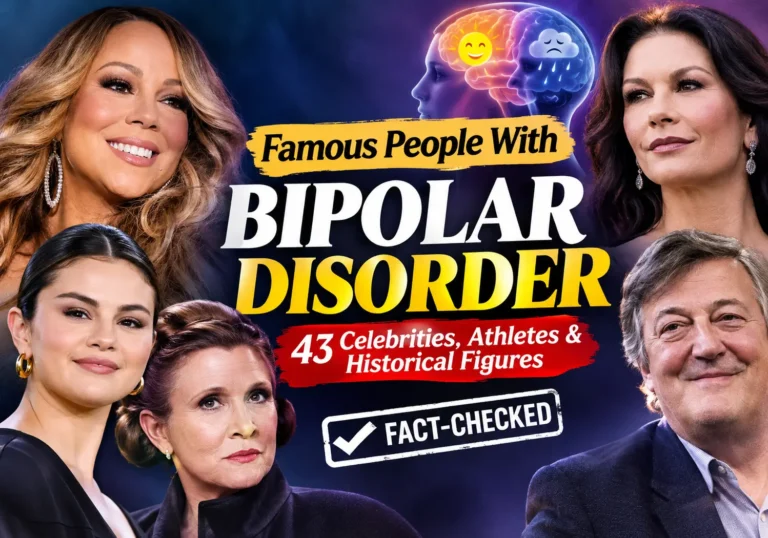
Famous people with bipolar disorder include singers Mariah Carey, Selena Gomez and Halsey; actors Carrie Fisher, Catherine Zeta-Jones and Linda Hamilton; broadcaster Stephen Fry; journalist Jane Pauley; boxer Frank Bruno; and psychologist Kay Redfield Jamison. Each of them has spoken publicly about their own diagnosis. Many lists online also name Vincent van Gogh, Virginia Woolf and Ernest Hemingway, but those are retrospective theories, not diagnoses made during their lives.
Most celebrity lists mix confirmed diagnoses, rumors and guesses about people who died long before bipolar disorder had its modern name. This guide does something different. We checked every name against the person’s own words or reliable reporting, and labeled each one clearly as confirmed, reported or speculative. You’ll also learn what these stories teach about the illness itself — how bipolar disorder is diagnosed, why it’s so often missed, whether it’s linked to creativity and high IQ, and how people manage it while building remarkable careers.
Key takeaways
- Dozens of celebrities with bipolar disorder have disclosed their diagnosis, including Mariah Carey (bipolar II), Catherine Zeta-Jones (bipolar II), Selena Gomez, Carrie Fisher, Stephen Fry and Demi Lovato (who later said she was misdiagnosed).
- Historical figures such as Van Gogh, Virginia Woolf and Robert Schumann are often listed, but their diagnoses are expert speculation made long after their deaths.
- Many famous people describe years of misdiagnosis or denial before getting the right treatment — a pattern that matches research on bipolar disorder.
- Studies suggest bipolar disorder is over-represented in creative professions, and that very high school grades are linked to a higher risk — but bipolar disorder is not a “gift,” and most people with it are not famous geniuses.
- Almost every success story here has the same ingredients: an accurate diagnosis, consistent treatment, support and honesty.
If you’re reading this because you’re worried about yourself or someone you love, our pillar guide to bipolar disorder and our free bipolar test are good places to start.
How We Verified This List of Famous People With Bipolar Disorder
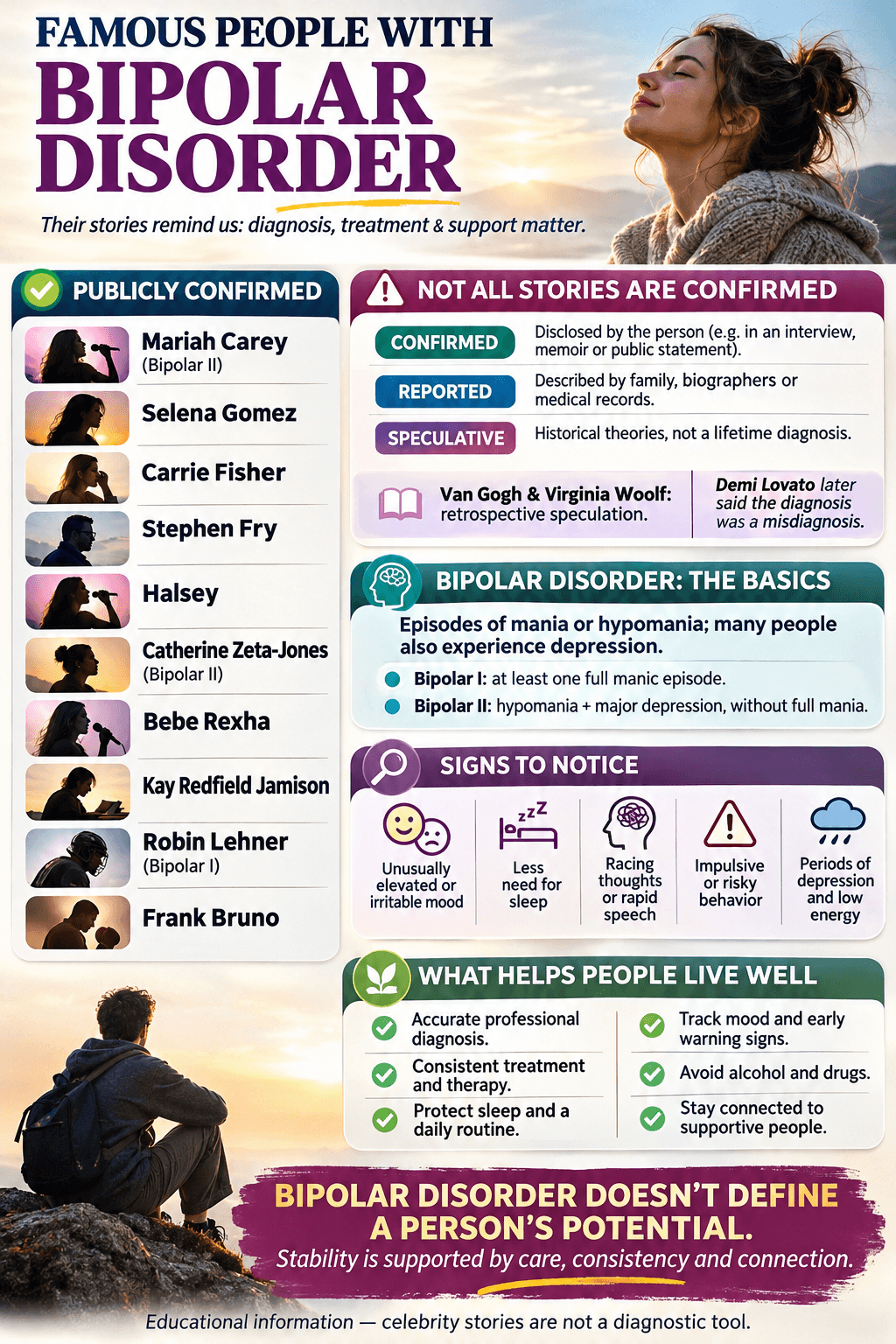
Celebrity mental-health lists are full of errors. Names get copied from site to site, and a single tabloid claim can become “fact” within a week. To make this the most accurate list of famous people with bipolar disorder online, we used three labels:
| Label | What it means | Example |
|---|---|---|
| Confirmed | The person publicly said they were diagnosed with bipolar disorder (in an interview, memoir, documentary or social post) | Mariah Carey, People magazine, 2018 |
| Reported | A diagnosis described by family, biographers or medical records, or a self-description that isn’t a formal diagnosis | Nina Simone (biographers) |
| Speculative | A retrospective theory about a historical figure who was never diagnosed with bipolar disorder in their lifetime | Vincent van Gogh |
We also flag complicated cases — people who disclosed a bipolar diagnosis and later said it was wrong. A diagnosis is personal health information. We include only what people chose to share publicly, and we don’t speculate about anyone’s private life.
What Is Bipolar Disorder? A Quick Refresher
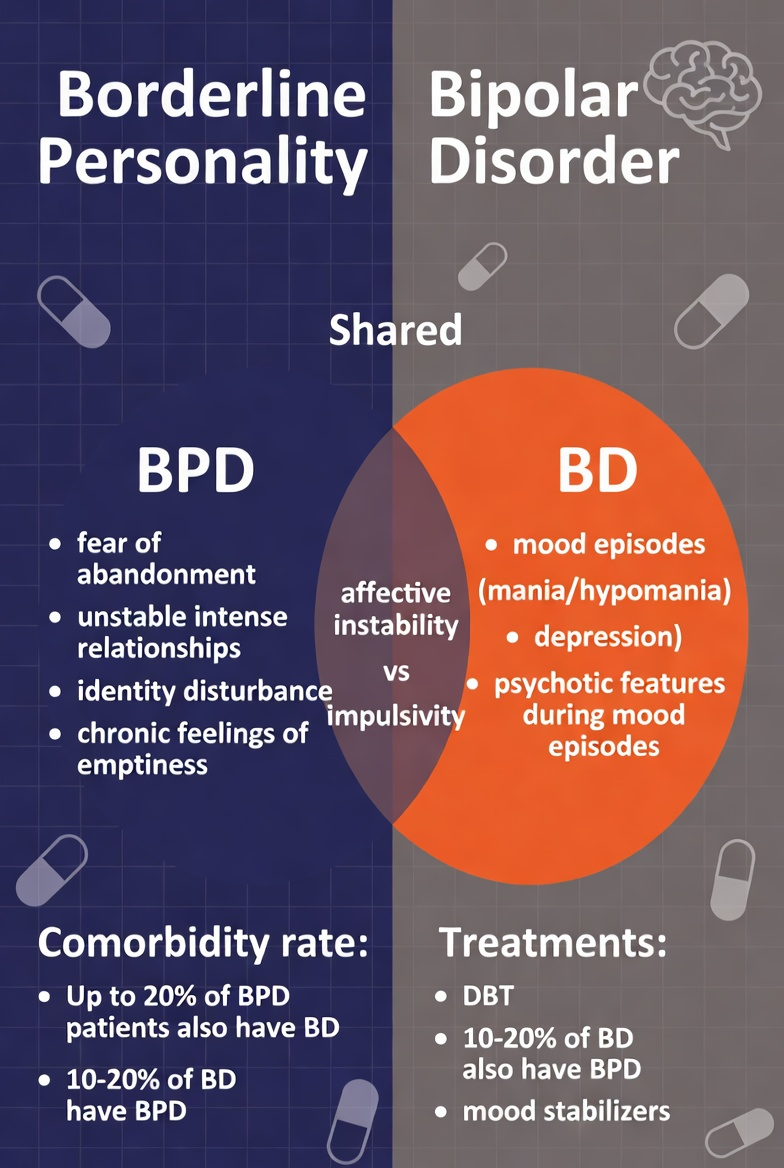
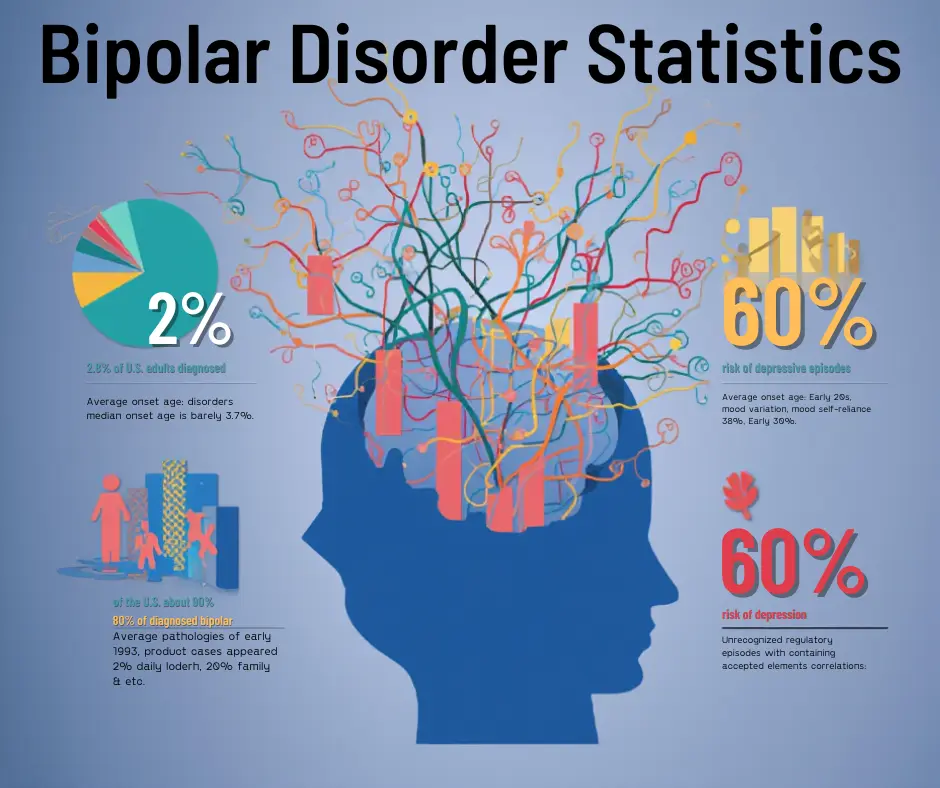
Bipolar disorder is a mood disorder marked by episodes of mania or hypomania — abnormally elevated or irritable mood with high energy, less need for sleep, racing thoughts and impulsive behavior — and, for most people, episodes of depression. It affects about 2.8% of U.S. adults each year and about 4.4% at some point in their lives, according to the National Institute of Mental Health.
- Bipolar I involves at least one full manic episode. See what is bipolar 1?
- Bipolar II involves hypomania and major depression, without full mania. See bipolar type 2 and the bipolar 2 criteria.
- Cyclothymic disorder involves milder, chronic mood swings. See cyclothymic disorder.
For the full picture, read our guides to bipolar symptoms, what are the 7 types of bipolar disorder? and bipolar disorder statistics.
Famous People With Bipolar Disorder List: Quick Reference Table
| Name | Field | Type (if disclosed) | Status |
|---|---|---|---|
| Mariah Carey | Singer-songwriter | Bipolar II | Confirmed (2018) |
| Catherine Zeta-Jones | Actress | Bipolar II | Confirmed (2011) |
| Selena Gomez | Singer, actress | Not specified | Confirmed (2020) |
| Carrie Fisher | Actress, writer | Not specified | Confirmed |
| Stephen Fry | Actor, broadcaster | Bipolar/cyclothymia | Confirmed (2006) |
| Linda Hamilton | Actress | Not specified | Confirmed |
| Jean-Claude Van Damme | Actor | Rapid cycling | Confirmed |
| Richard Dreyfuss | Actor | Not specified | Confirmed |
| Patty Duke | Actress | “Manic depression” | Confirmed (1987) |
| Jane Pauley | TV journalist | Not specified | Confirmed (2004) |
| Halsey | Singer | Not specified | Confirmed |
| Bebe Rexha | Singer | Not specified | Confirmed (2019) |
| Kay Redfield Jamison | Psychologist, author | Bipolar I (manic-depressive illness) | Confirmed (1995) |
| Maria Bamford | Comedian | Bipolar II | Confirmed |
| Taylor Tomlinson | Comedian, TV host | Bipolar II | Confirmed |
| Frank Bruno | Boxer | Not specified | Confirmed |
| Robin Lehner | NHL goalie | Bipolar I | Confirmed (2018) |
| Greg Inglis | Rugby league player | Not specified | Confirmed (2020) |
| Yo Yo Honey Singh | Rapper, producer | Not specified | Confirmed |
| Patrick J. Kennedy | U.S. politician | Not specified | Confirmed |
| Margaret Trudeau | Author, advocate | Not specified | Confirmed |
| Demi Lovato | Singer | — | Complicated (later called it a misdiagnosis) |
| Ye (Kanye West) | Musician | Said bipolar type 1 (2026) | Complicated |
| Vincent van Gogh | Painter | — | Speculative |
| Virginia Woolf | Writer | — | Speculative |
The full profiles below explain each person’s story and where the information comes from.
Famous Actors and Actresses With Bipolar Disorder
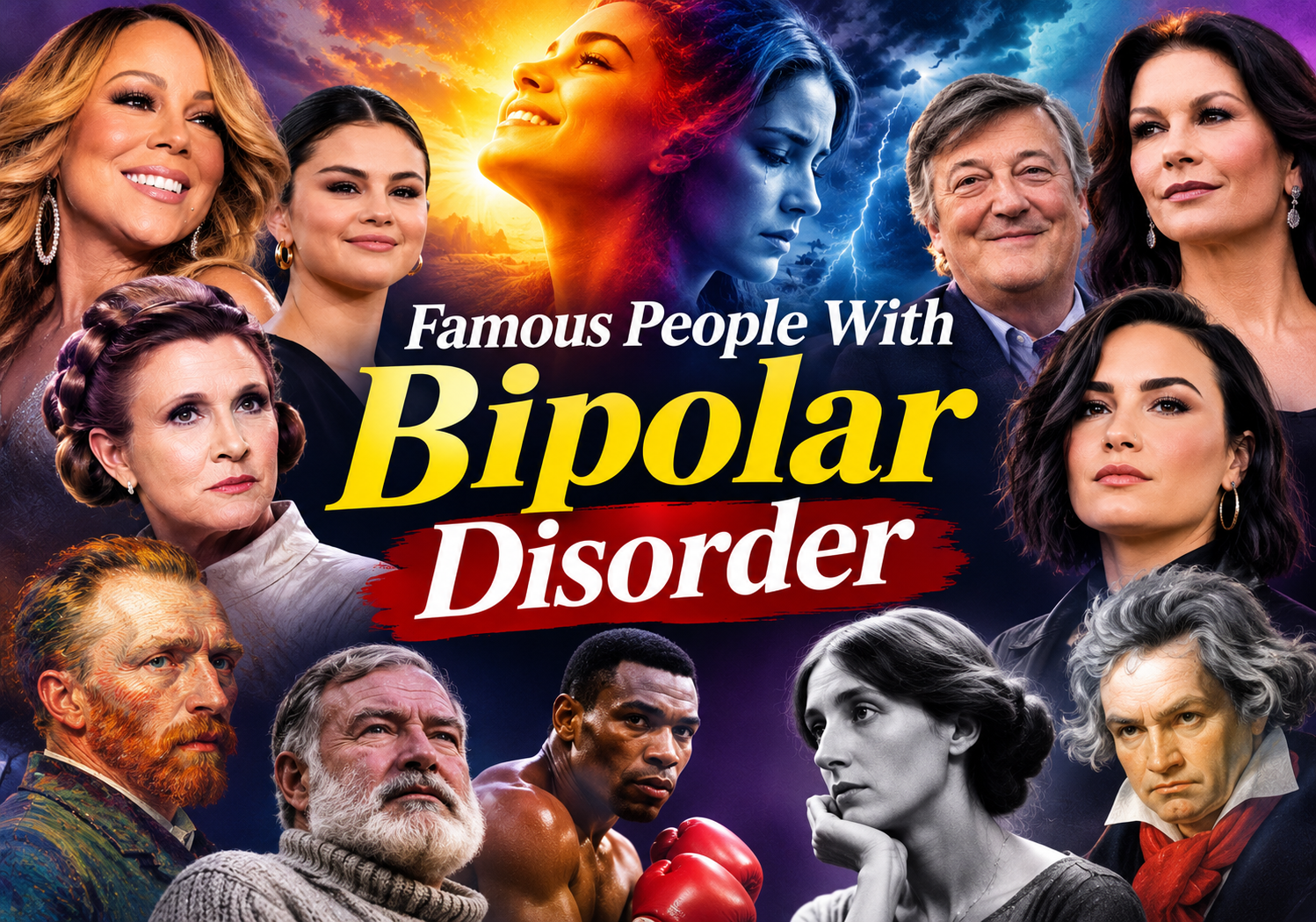
Carrie Fisher

Best known as Princess Leia in Star Wars, Carrie Fisher was one of the most outspoken celebrities with bipolar disorder. She was first diagnosed in her mid-20s, but didn’t accept the diagnosis until a few years later. Through her books Wishful Drinking and Shockaholic, her one-woman show and countless interviews, she talked about bipolar disorder and addiction with sharp humor and no shame. She once described living with the illness as something that takes courage. Fisher died in 2016, and she remains one of the most quoted voices on bipolar disorder.
Catherine Zeta-Jones

In April 2011, Oscar winner Catherine Zeta-Jones confirmed she had briefly checked into a treatment facility for bipolar II disorder. The stress of her husband Michael Douglas’s cancer treatment came before the episode. She said she hoped sharing her diagnosis would help remove the stigma, and mental health groups praised her openness. Her story shows how life stress can trigger episodes — see can stress cause bipolar symptoms? and our bipolar episode triggers list.
Linda Hamilton
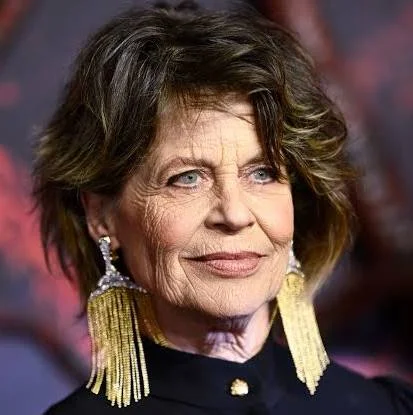
The Terminator star has said she struggled with symptoms from roughly age 20 to 40 before being diagnosed with bipolar disorder. In interviews in the 2000s, she described years of depression and volatility. She also said her quality of life after finding the right treatment was better than she had imagined. Her experience mirrors one of the most common problems in bipolar disorder: a long delay before the right diagnosis.
Jean-Claude Van Damme
The action star has said he was diagnosed with rapid-cycling bipolar disorder after a period of severe difficulty, and that treatment helped stabilize his moods. Rapid cycling means four or more mood episodes in a year — learn more in our guide to rapid cycling bipolar.
Richard Dreyfuss
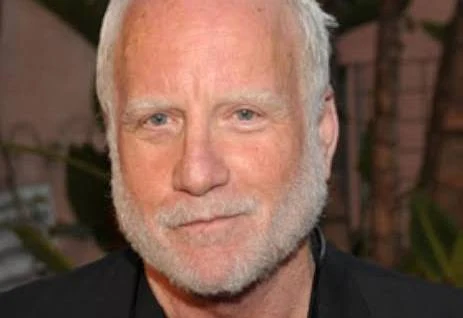
The Oscar-winning actor of Jaws and The Goodbye Girl has spoken about his bipolar disorder in interviews and in Stephen Fry’s 2006 documentary. He has said the diagnosis “took away all my guilt” because it explained his behavior. He has also described the uncomfortable pull of manic highs — a common reason people stop treatment (see why do people with bipolar stop taking medication?).
Patty Duke
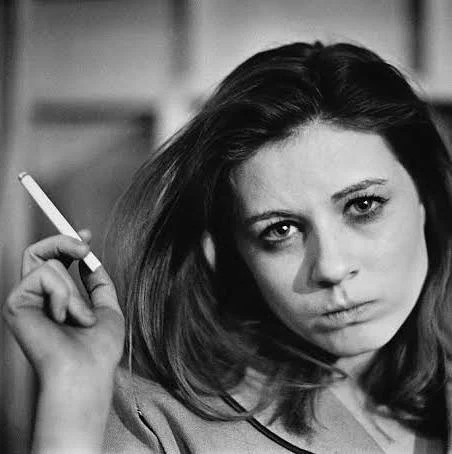
Oscar winner Patty Duke was one of the first celebrities to publicly reveal a bipolar diagnosis. She was diagnosed with manic depression in 1982 and wrote about it in her 1987 autobiography Call Me Anna. She later co-wrote A Brilliant Madness (1992), testified before Congress and became a pioneering mental health advocate. Her son, actor Sean Astin, has continued speaking about her legacy. Duke died in 2016.
Margot Kidder, Mariette Hartley and Jenifer Lewis
- Margot Kidder, Lois Lane in the Superman films, spoke openly about bipolar disorder after a highly publicized crisis in 1996, and became an advocate.
- Mariette Hartley was diagnosed in 1994 and went public in a USA Today interview, saying education mattered more to her than privacy.
- Jenifer Lewis, the Black-ish star known as “the Mother of Black Hollywood,” wrote about her bipolar diagnosis in her 2017 memoir. She has credited treatment and therapy with changing her life.
Maurice Benard
The General Hospital actor was diagnosed with bipolar disorder at 22 after a major breakdown. He has spoken about taking lithium for decades, and hosts the mental health show State of Mind with Maurice Benard. His soap opera character, Sonny Corinthos, was also written as having bipolar disorder, which helped bring the condition to millions of viewers. Read more about lithium.
Vivien Leigh (historical)
The Gone With the Wind star lived with severe mood swings in the 1940s–60s and was diagnosed with what was then called manic depression. She was treated with electroconvulsive therapy (ECT), according to her biographers. Her story is a reminder of how little treatment and understanding existed before lithium became widely used.
Famous Singers and Musicians With Bipolar Disorder
Mariah Carey
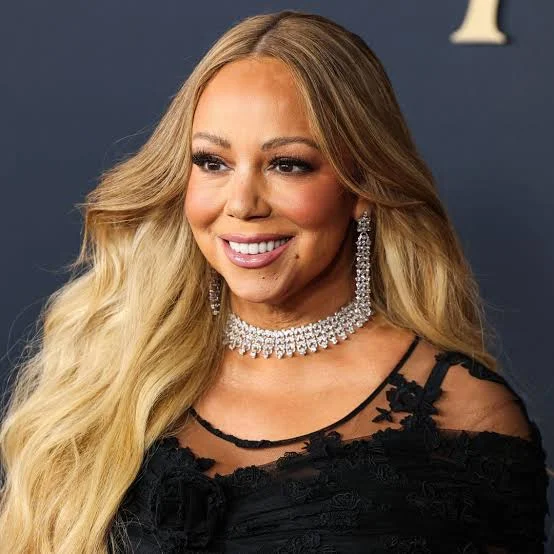
In an April 2018 People magazine cover story, Mariah Carey revealed she had been diagnosed with bipolar II disorder in 2001. “Until recently I lived in denial and isolation,” she said. She explained that for years she thought she had a severe sleep disorder — because hypomania made her unable to sleep — before accepting the diagnosis and starting treatment. Her story is a powerful example of bipolar II in women being missed or hidden. See bipolar disorder symptoms in females and bipolar insomnia.
Selena Gomez
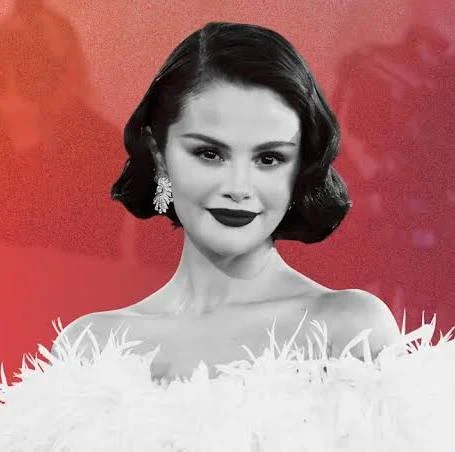
In April 2020, during Miley Cyrus’s Instagram Live show Bright Minded, Selena Gomez revealed she had been diagnosed with bipolar disorder after a stay at a treatment center. She said learning more about it made it less scary. Her 2022 documentary My Mind & Me showed her experience of psychosis, recovery and treatment. She also co-founded Rare Beauty’s Rare Impact Fund to expand mental health services for young people. See bipolar psychosis.
Halsey
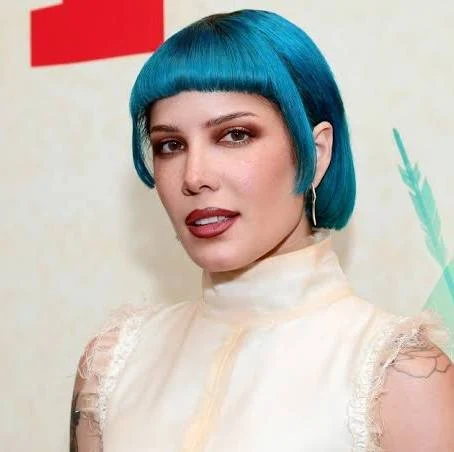
Singer-songwriter Halsey has said she was diagnosed with bipolar disorder as a teenager and has been hospitalized for her mental health. She named her 2020 album Manic, and has described music as a way to channel her energy. She has also spoken about planning ahead for difficult periods, which is the idea behind a bipolar wellness plan.
Bebe Rexha
In April 2019, Bebe Rexha tweeted: “I’m bipolar and I’m not ashamed anymore.” She explained she’d struggled for years without understanding why she felt so low, and then so high. Her message was simple: she wanted to be accepted.
Demi Lovato: a complicated case
Demi Lovato was diagnosed with bipolar disorder in 2011 while in treatment, and for years was a high-profile advocate. In her 2021 docuseries Dancing With the Devil, however, Lovato said she believes the diagnosis was a misdiagnosis. She said that at the time, she needed to grow up, and that her current doctors agree. We include her here because she is one of the most searched names. Her story also shows that diagnoses can change — and that’s why a careful evaluation matters.
Sinéad O’Connor
The Irish singer told Oprah Winfrey in 2007 that she had been diagnosed with bipolar disorder and had found medication helpful. She later said she believed she had been misdiagnosed. O’Connor died in 2023. Her story, like Lovato’s, highlights how hard diagnosis can be when trauma, substance use and other conditions overlap — see complex PTSD and substance-induced mood disorder.
Ye (Kanye West): a complicated case
Ye’s 2018 album ye carried the cover line “I hate being Bi-Polar its awesome.” In 2025 he said he had been misdiagnosed and had autism instead. Then, in a full-page Wall Street Journal ad in January 2026, he said he had been diagnosed with bipolar type 1 in 2023, and linked it to a frontal-lobe injury from a 2002 car crash. Because his own statements have changed, we list him as a complicated case. See autism and bipolar for how the two conditions can overlap or be confused.
Nina Simone and Frank Sinatra (historical)
- Nina Simone, the jazz and civil rights icon, was reportedly diagnosed with bipolar disorder later in life, according to her biographers. Her earlier volatility had been widely misunderstood.
- Frank Sinatra described himself in a 1963 Playboy interview as “an 18-karat manic depressive” with “an over-acute capacity for sadness as well as elation.” That was a self-description, not a formal diagnosis, so we list it as reported.
Famous Writers, Journalists and Broadcasters With Bipolar Disorder
Stephen Fry
British actor, comedian and author Stephen Fry was diagnosed with bipolar disorder (he has also used the term cyclothymia for his pattern) in his late 30s. His 2006 BBC documentary Stephen Fry: The Secret Life of the Manic Depressive interviewed other famous people with bipolar disorder, including Richard Dreyfuss. It won an International Emmy and changed how the UK talked about the illness. A follow-up, The Not So Secret Life of the Manic Depressive: 10 Years On, aired in 2016. Fry served as president of the mental health charity Mind.
Kay Redfield Jamison
A professor of psychiatry at Johns Hopkins, Kay Redfield Jamison is one of the world’s leading experts on bipolar disorder — and she lives with it herself. Her 1995 memoir An Unquiet Mind describes manic psychosis, depression and her journey to accepting lithium. Her book Touched with Fire (1993) examined the link between manic-depressive illness and artistic temperament. She is the reason many clinicians and patients first understood bipolar disorder from the inside.
Jane Pauley
The former Today and CBS Sunday Morning anchor was diagnosed with bipolar disorder in 2001. Steroids prescribed for hives, followed by antidepressants, appear to have triggered her first episodes. She described the antidepressants as having a “bungee cord effect.” She told her story in her 2004 memoir Skywriting: A Life Out of the Blue. Her case shows why antidepressants alone can be risky for some people — see manic switch and what is sertraline?
Margaret Trudeau
Margaret Trudeau, the former wife of Canadian Prime Minister Pierre Trudeau and mother of Justin Trudeau, went public with her bipolar diagnosis in the 2000s. She wrote about it in Changing My Mind (2010) and has spent years speaking across Canada about mental illness, recovery and self-forgiveness.
Famous Comedians With Bipolar Disorder
Maria Bamford
Comedian Maria Bamford has spoken openly about her bipolar II diagnosis, psychiatric hospitalizations and treatment, and turned them into acclaimed stand-up. Her Netflix series Lady Dynamite (2016) was based on her life. Her work is a reminder that humor and honesty can reduce stigma.
Taylor Tomlinson
The stand-up comic and former host of CBS’s After Midnight has said she was diagnosed with bipolar II. She explores her diagnosis in her 2024 Netflix special Have It All. She has said it took her a long time to accept the diagnosis and that she initially felt embarrassed. That reaction is common, and it’s one reason people delay treatment.
Spike Milligan (historical)
The British comedian and Goon Show writer lived with severe mood swings and hospitalizations for decades. He co-wrote Depression and How to Survive It (1993) with psychiatrist Anthony Clare, and his manic depression is well documented. He died in 2002.
Famous Athletes With Bipolar Disorder
Athletes face intense pressure, irregular sleep, travel across time zones and abrupt career endings — all known episode triggers. Several have spoken out:
- Frank Bruno — The former world heavyweight boxing champion was detained under the UK Mental Health Act in 2003 and diagnosed with bipolar disorder. He has spoken about it for two decades and set up the Frank Bruno Foundation to support others.
- Robin Lehner — In 2018, the NHL goalie revealed his bipolar I diagnosis, along with ADHD and addiction, in an article for The Athletic. He later won the NHL’s Bill Masterton Trophy. He has said that being mentally ill doesn’t mean being mentally weak.
- Greg Inglis — The Australian rugby league great revealed his bipolar diagnosis on ABC’s Australian Story in 2020. He went on to found the Goanna Academy mental health program.
- Andrew Johns — The Australian rugby league “immortal” has spoken about living with bipolar disorder.
- Jimmy Piersall — The 1950s baseball star’s breakdown was told in the book and film Fear Strikes Out, one of the first mainstream stories about manic depression in sports.
For more on sleep and routine, see bipolar sleep and our exercise plan for bipolar disorder.
Famous Politicians and Public Figures With Bipolar Disorder
- Patrick J. Kennedy — The former U.S. Representative from Rhode Island has spoken openly about his bipolar disorder and addiction. He was a lead champion of the 2008 Mental Health Parity and Addiction Equity Act, and he wrote the memoir A Common Struggle (2015).
- Margaret Trudeau — covered above.
Famous Women With Bipolar Disorder
Women with bipolar disorder more often experience bipolar II, depressive episodes, rapid cycling and mood changes linked to hormones, and they’re more often misdiagnosed with depression or anxiety. Famous women with bipolar disorder include:
- Mariah Carey (bipolar II)
- Catherine Zeta-Jones (bipolar II)
- Selena Gomez
- Carrie Fisher
- Linda Hamilton
- Halsey
- Bebe Rexha
- Jane Pauley
- Patty Duke
- Margot Kidder
- Mariette Hartley
- Jenifer Lewis
- Kay Redfield Jamison
- Maria Bamford (bipolar II)
- Taylor Tomlinson (bipolar II)
- Margaret Trudeau
Several describe years of being treated only for depression first. Learn more in bipolar disorder symptoms in females, premenstrual exacerbation and bipolar vs autism in females.
Famous Men With Bipolar Disorder
Famous men with bipolar disorder include:
- Stephen Fry
- Richard Dreyfuss
- Jean-Claude Van Damme
- Maurice Benard
- Frank Bruno
- Robin Lehner (bipolar I)
- Greg Inglis
- Andrew Johns
- Yo Yo Honey Singh
- Patrick J. Kennedy
Men are more likely to have co-occurring alcohol or substance use, and depression in men may look like irritability or anger. Several of these men describe addiction and bipolar disorder intertwined — see what does bipolar anger feel like? and anger management.
Famous People With Bipolar 1 and Bipolar 2 Disorder
Most celebrities don’t say which type they have. Among those who have:
| Bipolar I | Bipolar II |
|---|---|
| Kay Redfield Jamison (describes full manic episodes with psychosis) | Mariah Carey |
| Robin Lehner | Catherine Zeta-Jones |
| Ye (his 2026 statement) | Maria Bamford |
| Taylor Tomlinson |
Bipolar II is not “bipolar lite.” Its depressive episodes are often long and disabling, as several of these women describe. Read is bipolar 1 or bipolar 2 worse? and what is bipolar depression?
Famous People With Bipolar Disorder in the UK and India
UK
Famous people with bipolar disorder in the UK include Stephen Fry, Frank Bruno, Catherine Zeta-Jones (Welsh-born) and the late Spike Milligan. Fry’s documentary and Bruno’s openness are widely credited with changing the conversation about mental illness in Britain.
India
The best-known example of famous people with bipolar disorder in India is rapper and producer Yo Yo Honey Singh. He has said he went through years of bipolar disorder, alcohol use and heavy medication during an 18-month break from public life, and has spoken about recovery in several interviews since. Bollywood actor Deepika Padukone, often listed alongside him, has spoken about depression, not bipolar disorder. Reports after the death of actor Sushant Singh Rajput in 2020 said he had been treated for bipolar disorder, but he never disclosed this himself, so we don’t list him as confirmed. For Hindi-speaking readers, our pillar guide to bipolar disorder includes a Hindi section.
Famous People With Bipolar Disorder in History
Bipolar disorder wasn’t defined in its modern form until the 20th century. The term “manic-depressive insanity” came from Emil Kraepelin in the late 1800s, and “bipolar disorder” entered official manuals in 1980. So no historical figure before then was diagnosed with bipolar disorder as we define it today. Experts can only make educated guesses from letters, diaries, medical notes and family history. Treat everything in this section as retrospective speculation.
Vincent van Gogh
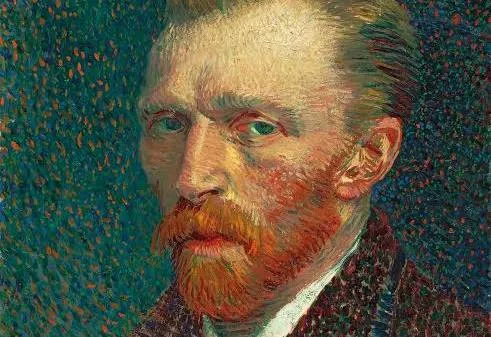
In 2020, a team led by Dutch psychiatrist Willem Nolen used structured diagnostic interviews based on Van Gogh’s letters and his doctors’ records. They concluded he most likely had bipolar disorder alongside borderline personality disorder, worsened by alcohol use and poor nutrition. They also noted episodes of delirium linked to alcohol withdrawal. They stressed that “we will never really know for sure.” See borderline personality disorder and is BPD the same as bipolar?
Virginia Woolf
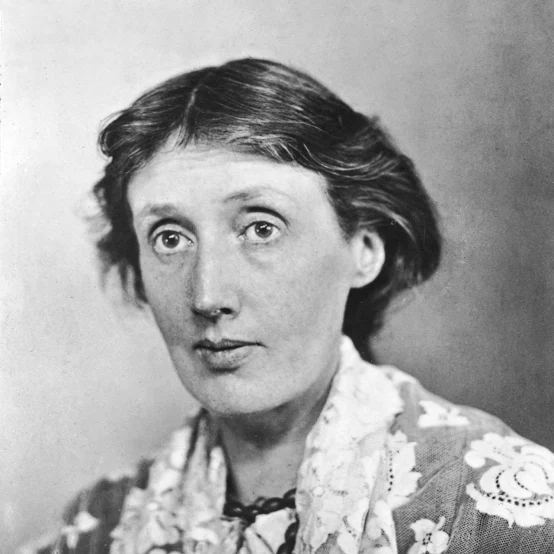
The modernist author experienced recurring periods of depression and periods of excitement and racing thoughts, a strong family history of mood disorders, and repeated breakdowns. A 2017 article in the Brazilian Journal of Psychiatry reviewed her life through the lens of bipolar disorder research. Its authors still describe the diagnosis as “alleged,” because it rests on biographers’ accounts.
Ernest Hemingway
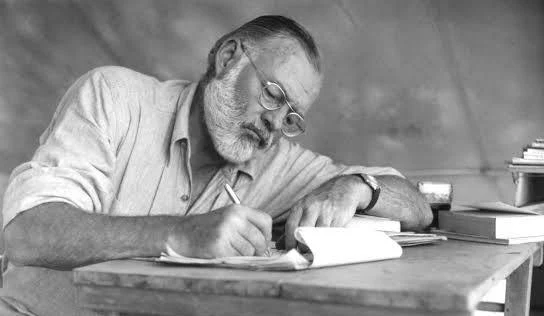
Biographers and psychiatrists, including Kay Redfield Jamison, have suggested Hemingway had manic-depressive illness. They point to his cycles of intense productivity and despair, heavy drinking and a strong family history of mood disorders. Head injuries and alcohol make the picture complicated.
Robert Schumann
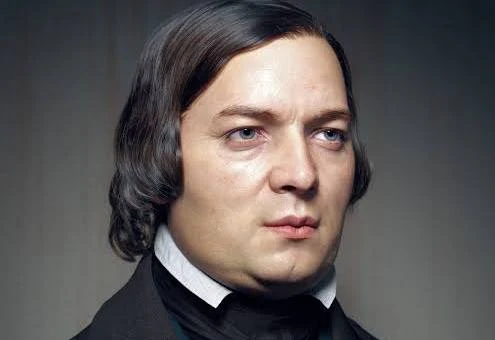
The German composer had dramatic bursts of creativity — in 1840 alone he wrote well over 100 songs — followed by long periods of near-silence and depression. Researchers have charted his output against his moods, and his story is a classic case discussed in Touched with Fire.
Isaac Newton, Edgar Allan Poe, Lord Byron, Edvard Munch and Winston Churchill
- Isaac Newton had a well-known breakdown in 1693. Theories range from bipolar disorder to mercury poisoning.
- Edgar Allan Poe wrote about crushing depressions and struggled with alcohol. Bipolar disorder is one of several theories.
- Lord Byron is discussed in Touched with Fire for his volatile moods and family history.
- Edvard Munch, painter of The Scream, was hospitalized for a breakdown in 1908. Bipolar disorder is among the theories about him.
- Winston Churchill called his depressions “the black dog.” Some writers suggest bipolar disorder, but the evidence is debated.
These are fascinating, but speculative. It’s more useful to learn from people who could tell their own stories.
Names Often Wrongly Listed as Famous People With Bipolar Disorder
Our research turned up several names that appear on many “celebrities with bipolar disorder” lists without solid support:
| Name | What’s actually known |
|---|---|
| Britney Spears | Widely rumored, but she has never confirmed a bipolar diagnosis |
| Brian Wilson (The Beach Boys) | His reported diagnosis was schizoaffective disorder, not bipolar disorder. See schizoaffective disorder |
| Kurt Cobain | A relative later said he had been diagnosed as a young man; Cobain never confirmed it |
| Amy Winehouse | Reportedly described herself as manic-depressive, but there’s no confirmed diagnosis or treatment record |
| Sushant Singh Rajput | Reported after his death; never disclosed by him |
| Deepika Padukone | Has spoken about depression, not bipolar disorder |
Getting this right matters. Mislabeling someone spreads misinformation and can deepen stigma.
Is Bipolar Disorder Linked to Creativity?
Because so many artists, writers and musicians appear on these lists, people often ask whether bipolar disorder and creativity are linked. Research suggests a real but modest connection:
- A Swedish study of about 1.2 million people (Kyaga and colleagues, 2013) found that people with bipolar disorder were over-represented in artistic and scientific professions. Relatives of people with bipolar disorder were also more likely to work in creative fields.
- Kay Redfield Jamison’s Touched with Fire documented high rates of mood disorders among celebrated poets and artists.
But there are important cautions. Severe mania and depression usually damage creative work rather than help it. Most famous creators did their best work while stable, and many — Jamison and Fry among them — have said treatment made them more productive, not less. Romanticizing the illness can lead people to refuse treatment for fear of “losing their spark.” Learn how mania really affects thinking in how a person with bipolar thinks and disorganized thinking.
Is Bipolar Disorder Linked to High IQ?
This is one of the most common questions about famous people with bipolar disorder. The research is intriguing but mixed:
- Excellent school grades: A Swedish study of about 714,000 students (MacCabe and colleagues, 2010) found that students with top grades at age 16 were almost four times as likely to be hospitalized for bipolar disorder as adults, compared with average students. The link was strongest for top grades in languages and music. Students with the lowest grades also had a higher risk.
- Childhood IQ: A UK study of 1,881 people in the “Children of the 90s” cohort found that a higher IQ at age 8 was linked to more manic features in early adulthood. People in the top 10% for manic features had a childhood IQ almost 10 points higher than those in the bottom 10%. The link was strongest for verbal IQ.
- The bigger picture: A study of over 1 million Swedish men (Gale and colleagues, 2012) found that, overall, lower IQ was linked to a higher risk of hospitalization for bipolar disorder. Higher risk at the top end appeared mainly for verbal ability in people without other psychiatric conditions.
Bottom line: bipolar disorder isn’t caused by intelligence, and most people with it have average IQs, as most people do. The research suggests some genetic links between mood, creativity and verbal ability, but it can’t be used to predict anything about an individual. See cognitive function and is bipolar disorder neurodivergent?
Successful People With Bipolar Disorder: What Their Stories Teach Us
Reading dozens of these stories side by side, five patterns stand out — and they match what research tells us about bipolar disorder.
1. Diagnosis often takes years
Mariah Carey lived with her diagnosis in secret for 17 years. Linda Hamilton struggled for two decades before treatment, and Jane Pauley was diagnosed only after medications triggered episodes. In a large survey, 69% of people with bipolar disorder said they had first been misdiagnosed — most often with depression. If you recognize yourself, see am I bipolar?, do I have bipolar depression? and our bipolar depression test.
2. Denial is part of the illness
Carey talked about “denial and isolation.” Carrie Fisher resisted her diagnosis for years, and Taylor Tomlinson felt embarrassed. Hypomania can feel like your best self, which makes it hard to accept that it’s a symptom. See signs of hypomania vs normal happiness.
3. Treatment works — and most stay on it
Maurice Benard has taken lithium for decades. Kay Redfield Jamison credits lithium with saving her life, and Catherine Zeta-Jones sought treatment early when symptoms returned. Effective treatment usually combines medication and therapy. See bipolar disorder medications, mood stabilizers vs antipsychotics, lamotrigine and what is the best therapy for bipolar disorder?
4. Substance use makes everything harder
Fisher, Lehner, Patrick Kennedy and Honey Singh all describe addiction tangled with bipolar disorder. Alcohol and drugs can trigger episodes, worsen depression and interfere with medication. See lamotrigine and alcohol.
5. Openness reduces stigma
Patty Duke, Carrie Fisher, Stephen Fry and Selena Gomez made it easier for millions of people to say “me too.” Every honest disclosure chips away at the stigma that keeps people from seeking help.
How Do Celebrities Manage Bipolar Disorder?
Celebrities with bipolar disorder generally describe the same toolkit used by anyone living well with the condition:
- Medication with a psychiatrist they trust — often lithium, lamotrigine, valproate or an atypical antipsychotic such as quetiapine or aripiprazole
- Therapy — psychoeducation, CBT, interpersonal and social rhythm therapy, or DBT skills. See bipolar counseling and do I need therapy for bipolar disorder?
- Protecting sleep and routine, especially when touring, filming or traveling
- Sobriety from alcohol and drugs
- Tracking moods to catch warning signs early. See our bipolar mood chart, mood tracking apps for bipolar and early warning signs of a bipolar episode
- Support from partners, family and friends. See why bipolar relationships fail and can you trust a bipolar person?
- Stress management — see stress management techniques and nervous system regulation
Wealth can buy access to care, but it doesn’t make bipolar disorder easier to live with. Fame can make it harder, through public scrutiny, erratic schedules and easy access to substances. If cost is a barrier for you, see bipolar medication cost without insurance.
Can People With Bipolar Disorder Live Normal Lives?
Yes. The famous people with bipolar disorder in this guide are the visible tip of millions of people who work, study, raise families and build meaningful lives with the condition. With an accurate diagnosis, consistent treatment and support, most people with bipolar disorder can manage their symptoms. Living well usually means:
- staying on treatment even when well
- protecting sleep
- knowing your early warning signs
- having a relapse plan
Episodes may still happen, but they’re often shorter, milder and caught earlier. See can bipolar disorder be cured?, does bipolar get worse with age? and bipolar disability for practical support at work.
What Are the Signs and Symptoms of Bipolar Disorder?
Many of the people above describe symptoms they ignored for years. The main signs of bipolar disorder include:
- Distinct periods of unusually high, euphoric or irritable mood
- Decreased need for sleep without feeling tired
- Racing thoughts and rapid speech
- Inflated confidence or grandiosity
- Impulsive or risky behavior — spending, sex, driving, business decisions
- Episodes of depression — low mood, loss of interest (anhedonia), fatigue, hopelessness and difficulty concentrating
- In severe cases, psychosis
Read more in bipolar symptoms, how long do bipolar episodes last?, bipolar mixed episode and bipolar anxiety.
If you are in crisis: call or text 988 (Suicide & Crisis Lifeline, US) or go to the nearest emergency department. Outside the US, contact your local emergency number. Bipolar disorder carries a higher risk of suicide, and treatment — especially lithium — reduces that risk.
Frequently Asked Questions About Famous People With Bipolar Disorder
Who is the most famous person with bipolar disorder?
There’s no single answer, but Mariah Carey, Carrie Fisher, Selena Gomez, Catherine Zeta-Jones and Stephen Fry are among the most famous people who have publicly confirmed a bipolar diagnosis. Among historical figures, Vincent van Gogh is the most often named, though his diagnosis is retrospective speculation by modern experts, not a diagnosis he received in his lifetime.
Who are some famous people with bipolar disorder?
Famous people who have disclosed bipolar disorder include Mariah Carey, Selena Gomez, Halsey, Bebe Rexha, Carrie Fisher, Catherine Zeta-Jones, Linda Hamilton, Jean-Claude Van Damme, Richard Dreyfuss, Stephen Fry, Jane Pauley, Maria Bamford, Taylor Tomlinson, Frank Bruno and Robin Lehner. Historical figures such as Van Gogh and Virginia Woolf are often listed, but their diagnoses are speculative.
Can bipolar people live normal lives?
Yes. With an accurate diagnosis and consistent treatment — usually medication plus therapy — most people with bipolar disorder can manage their symptoms, work, study and maintain relationships. Living well typically involves protecting sleep, avoiding alcohol and drugs, tracking early warning signs and having a support network. Many celebrities with bipolar disorder show what long-term stability can look like.
Is bipolar disorder linked to high IQ?
The research is mixed. Swedish data linked top grades at age 16 to a higher risk of bipolar disorder, and a UK study linked higher childhood IQ to more manic features later. But a study of over a million men found lower IQ was linked to higher overall risk. Intelligence doesn’t cause bipolar disorder, and most people with it have average IQs.
Which celebrities have bipolar 2 disorder?
Celebrities who have said they have bipolar II disorder include Mariah Carey, Catherine Zeta-Jones, comedian Maria Bamford and comedian and TV host Taylor Tomlinson. Bipolar II involves hypomania and major depression without full mania. It’s often mistaken for depression, which is one reason several of these women describe long delays before getting the right diagnosis.
Which famous people have bipolar 1 disorder?
People who have described bipolar I disorder include psychologist and author Kay Redfield Jamison, whose memoir An Unquiet Mind describes manic psychosis; NHL goalie Robin Lehner; and Ye, who said in 2026 that he was diagnosed with bipolar type 1. Bipolar I involves at least one full manic episode, sometimes with psychosis, and usually depressive episodes too.
Are people with bipolar disorder more creative?
Large Swedish studies found bipolar disorder is over-represented in artistic and scientific professions, and creative careers are more common among relatives of people with bipolar disorder. However, severe episodes usually disrupt creative work, and many famous people with bipolar disorder say treatment made them more productive. Bipolar disorder should never be romanticized as a source of genius.
Did Van Gogh have bipolar disorder?
Possibly, but no one can know for sure. A 2020 analysis of his letters and medical records by Dutch psychiatrists concluded he most likely had bipolar disorder alongside borderline personality disorder, worsened by alcohol use and malnutrition. Because bipolar disorder wasn’t defined in his lifetime, this remains a retrospective, expert opinion rather than a confirmed diagnosis.
Did Demi Lovato have bipolar disorder?
Demi Lovato was diagnosed with bipolar disorder in 2011 and spent years advocating for mental health. In her 2021 docuseries Dancing With the Devil, however, she said she believed the diagnosis was a misdiagnosis, and that her current doctors agree. Her story shows that diagnoses can change and that careful, ongoing evaluation matters in mental health care.
How do celebrities manage bipolar disorder?
Celebrities with bipolar disorder describe the same core strategies as anyone else: medication with a trusted psychiatrist, regular therapy, protecting sleep and routines, avoiding alcohol and drugs, tracking moods and relying on supportive people. Fame can make things harder because of public scrutiny and erratic schedules. What helps most is consistent treatment, not money or status.
The Bottom Line on Famous People With Bipolar Disorder
Famous people with bipolar disorder — from Mariah Carey and Selena Gomez to Stephen Fry, Carrie Fisher and Frank Bruno — prove that the illness doesn’t decide what a person can achieve. Their stories also show the hard parts honestly: years of misdiagnosis, denial, crises, substance use and the work of staying well. The common thread in every success story is an accurate diagnosis, consistent treatment and the courage to talk about it. If these stories feel familiar, take the next step: read our guide to bipolar disorder, take the bipolar test and talk to a mental health professional.
References
- National Institute of Mental Health. Bipolar Disorder.
- National Institute of Mental Health. Bipolar Disorder Statistics.
- HuffPost. Mariah Carey reveals her bipolar II diagnosis in candid interview. April 2018.
- ABC News / Good Morning America. Catherine Zeta-Jones hopes to remove stigma of bipolar disorder. April 2011.
- Global News. Selena Gomez reveals bipolar diagnosis. April 2020.
- The Mighty. Demi Lovato says she was misdiagnosed with bipolar disorder. March 2021.
- NAMI. Carrie Fisher’s bipolar incident shows progress in fighting stigma.
- Mind. Stephen Fry: The Secret Life of the Manic Depressive.
- CBS News. Famous people with bipolar disorder.
- TODAY. Linda Hamilton says she has bipolar disorder.
- TODAY. Richard Dreyfuss reveals bipolar diagnosis.
- PBS NewsHour. Patty Duke’s most memorable roles included mental health advocate.
- NPR. TV’s Pauley back after bipolar struggle. 2004.
- Refinery29. Halsey on bipolar disorder and mental illness. 2018.
- NBC News. Bebe Rexha reveals she has bipolar disorder. April 2019.
- Vice. Ye uses newspaper ad to apologize and reveal bipolar diagnosis. January 2026.
- Euronews. Kanye West says he was misdiagnosed with bipolar disorder. February 2025.
- Irish Examiner. Sinéad O’Connor: “Misdiagnosis left me in rehab”.
- The Quint. Honey Singh on his struggle with bipolar disorder and alcohol.
- Express & Star. Big interview: Frank Bruno on his battle with bipolar. 2017.
- ESPN. Robin Lehner using platform to drive conversation about mental health.
- InQueensland. Greg Inglis reveals how life without sport unmasked a mental illness. 2020.
- NPR / KPBS. Taylor Tomlinson is ready to joke about her bipolar II. 2024.
- HealthPartners. Maria Bamford talks bipolar and pugs.
- ABC7. Maurice Benard: mental health awareness and State of Mind.
- WHYY. Jenifer Lewis on living with mental illness.
- Johns Hopkins Medicine. Kay Redfield Jamison, PhD – profile.
- The Globe and Mail. Margaret Trudeau reflects on her struggle with mental illness.
- NAMI. A Common Struggle (Patrick J. Kennedy).
- Biography.com. Brian Wilson’s mental health.
- Longform. Playboy Interview: Frank Sinatra (1963).
- Nolen WA, et al. New vision on the mental problems of Vincent van Gogh. International Journal of Bipolar Disorders. 2020;8:30.
- Boeira MV, et al. Virginia Woolf, neuroprogression, and bipolar disorder. Brazilian Journal of Psychiatry. 2017;39(1).
- Kyaga S, et al. Mental illness, suicide and creativity: 40-year prospective total population study. Journal of Psychiatric Research. 2013 (Karolinska Institutet summary).
- MacCabe JH, et al. Excellent school performance at age 16 and risk of adult bipolar disorder. British Journal of Psychiatry. 2010;196(2):109–115.
- Smith DJ, et al. Childhood IQ and risk of bipolar disorder in adulthood: prospective birth cohort study. BJPsych Open. 2015.
- Gale CR, et al. Is bipolar disorder more common in highly intelligent people? A cohort study of a million men. Molecular Psychiatry. 2013;18(2):190–194.
- Hirschfeld RMA, Lewis L, Vornik LA. Perceptions and impact of bipolar disorder: how far have we really come? Journal of Clinical Psychiatry. 2003;64(2):161–174.
- Wikipedia. List of people with bipolar disorder (used as a starting point only; every name was checked against primary reporting).

Subscribe to Our Newsletter
Get mental health tips, updates, and resources delivered to your inbox.
MORE from Author
Read More Bipolar mania treatment aims to bring a manic episode under control quickly and safely, then prevent the next one. For…
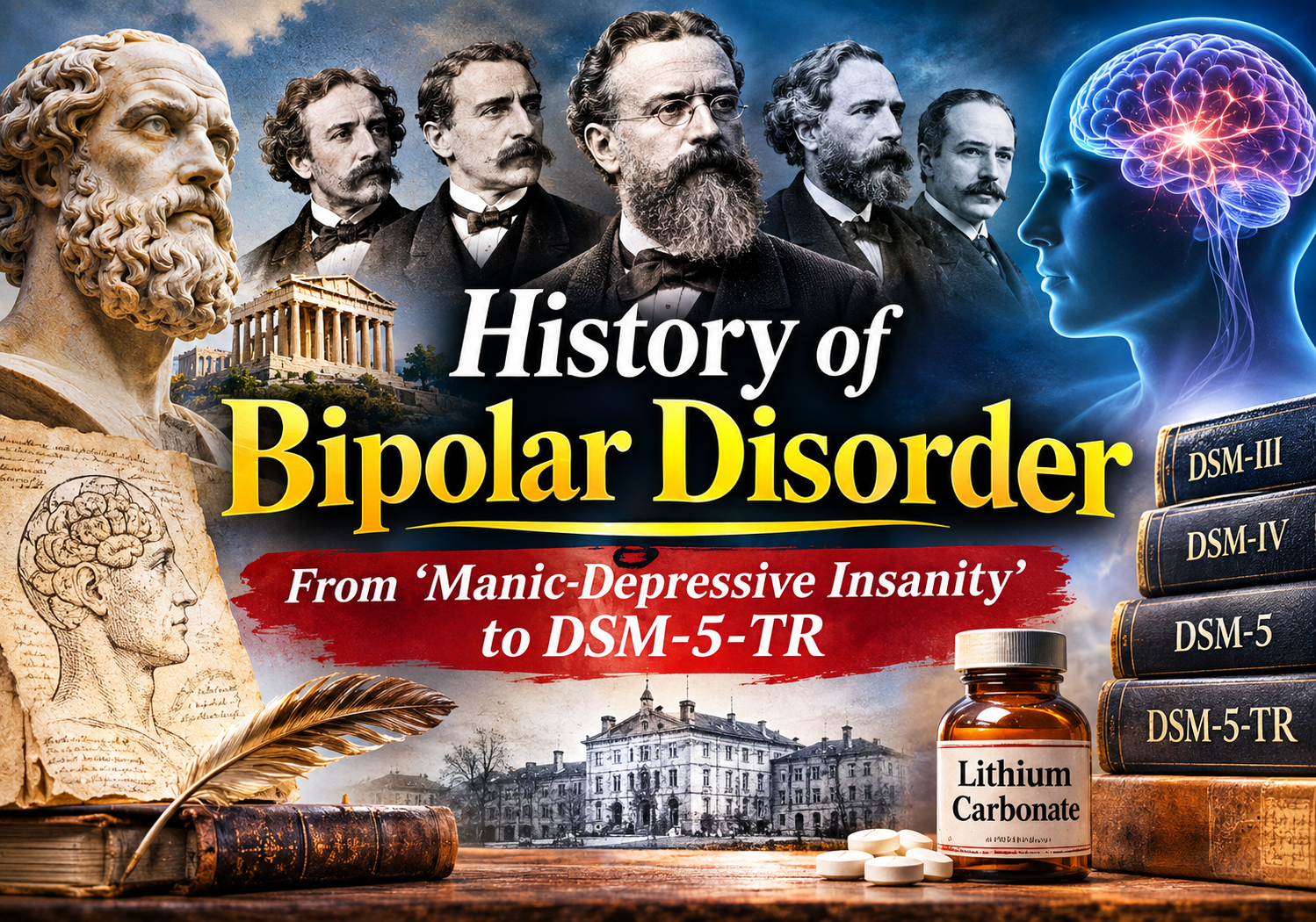 The history of bipolar disorder stretches back about 2,000 years. Ancient Greek physicians described mania and melancholia. Aretaeus of Cappadocia,…
 Bipolar daylight saving time questions come up twice a year for good reason. When the clocks change, your sleep, body…
 Bipolar disorder treatment works best as a combination of medication (usually a mood stabilizer such as lithium, or an atypical…
Are you looking for a Therapist?
Connect with qualified mental health professionals who understand
bipolar disorder, mood changes, and emotional challenges.
Private • Supportive • Confidential